
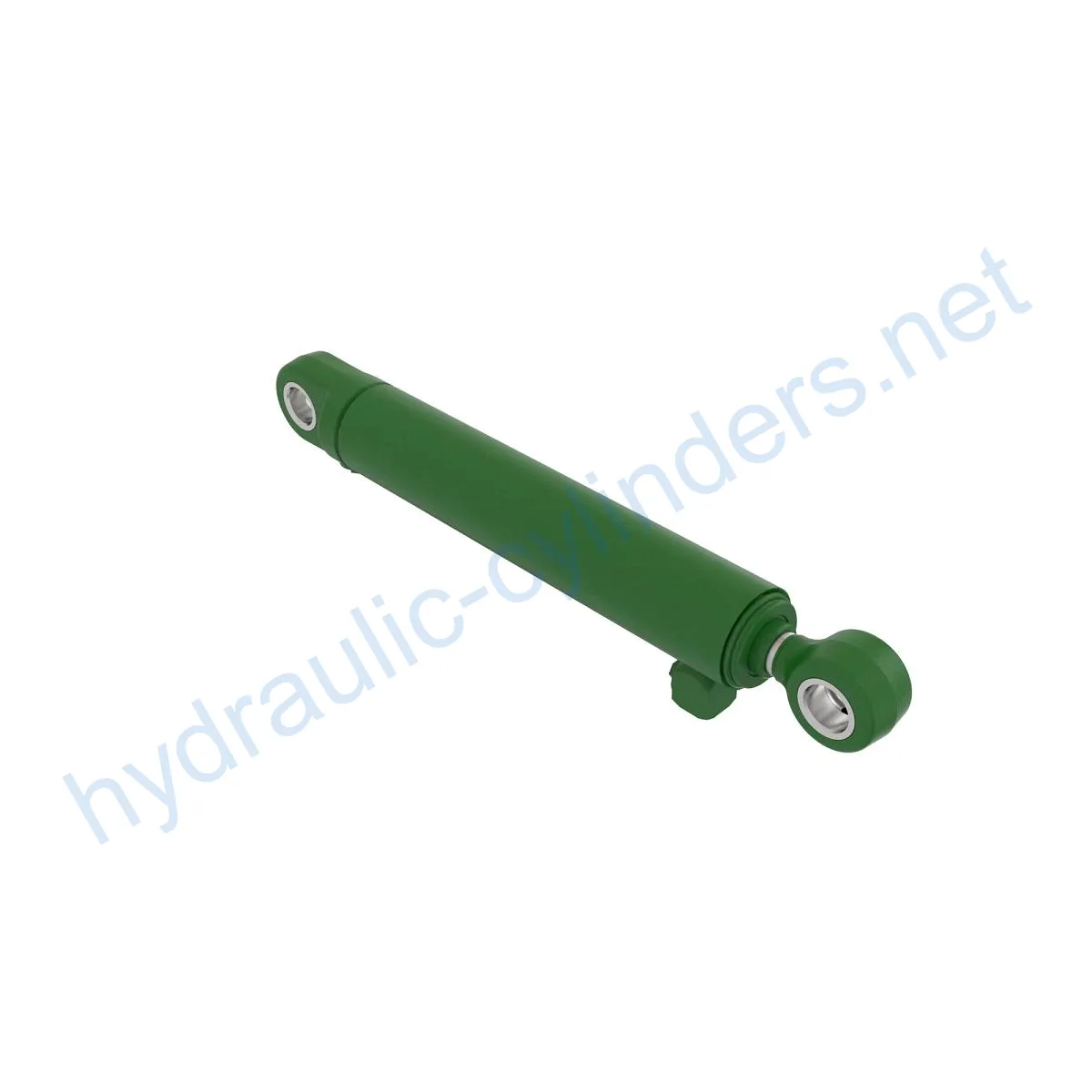
Austausch des Hydraulikzylinders für die Seitenmesser-Neigung AHC15327
Replacement Of AHC15327 Side Knives Tilt Hydraulic Cylinder
Produkteinführung
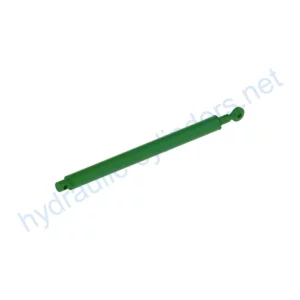
The Replacement Of AHC15327 Side Knives Tilt Hydraulic Cylinder is a crucial component that allows for the proper functioning of equipment. This hydraulic cylinder is specifically designed to replace damaged or worn-out cylinders, ensuring optimal performance in various applications.
Spezifikationen und Modell
Weight: 12.52 lb
Höhe: 2,5 Zoll
Breite: 4,3 Zoll
Länge: 19 Zoll
Hauptmerkmale
- Enhanced Equipment Performance: Replacing damaged or worn-out hydraulic cylinders restores the equipment’s normal operational capabilities, ensuring optimal performance in various applications.
- Verbesserte Sicherheit: Der regelmäßige Austausch von Hydraulikzylindern reduziert Sicherheitsrisiken durch Zylinderausfälle und gewährleistet so die Sicherheit von Bedienern und Geräten.
- Überlastschutz: Die Konstruktion neuer Zylinder beinhaltet häufig verbesserte Überlastschutzmechanismen, wodurch die Sicherheit erhöht wird.
- Schnelle Installation: Moderne Hydraulikzylinder sind auf einfache Installation und Austausch ausgelegt, um Ausfallzeiten zu minimieren.
- Standardisierte Komponenten: Viele Hydraulikzylinder sind standardisiert, sodass Ersatzteile leichter auf dem Markt erhältlich sind.
Anwendungen
1. Excavators: The hydraulic cylinder in excavator arms or buckets may become damaged due to prolonged use or overloading, requiring replacement to restore normal operation.
2. Cranes: The lifting arm hydraulic cylinder in cranes is prone to wear and tear during frequent lifting and lowering processes, necessitating regular replacement to ensure safety.
3. Tractors: The front-end loader hydraulic cylinder in tractors may experience leaks or performance degradation during continuous lifting and tilting operations, requiring replacement.
4. Harvesters: Hydraulic cylinders in harvesting equipment endure high pressure during the harvesting process and may suffer from fatigue, necessitating timely replacement to maintain work efficiency.
5. Automated Production Lines: Hydraulic cylinders are used to control robotic arms and other automated equipment. Cylinder failures can significantly impact production efficiency and should be replaced immediately.
6. Die Casting Machines: Hydraulic cylinders in die casting machines may experience performance degradation in high-pressure and high-temperature environments. Regular replacement ensures product quality.
7. Mining Equipment: Hydraulic cylinders in mining equipment are used for lifting and moving heavy loads. Due to harsh working conditions, regular inspection and replacement are necessary to avoid equipment failure.
8. Bulldozers: The wear of hydraulic cylinders on bulldozer blades leads to decreased pushing ability. Timely replacement is essential to maintain operational efficiency.
Wartungsaufgaben
- Regular Inspection: Periodically inspect the hydraulic cylinder for any signs of wear, leakage, or damage. Address any issues immediately.
- Proper Lubrication: Ensure proper lubrication of the cylinder using the recommended hydraulic oil to reduce friction and extend the lifespan.
- Seal Replacement: Replace worn-out seals to maintain optimal performance and prevent leaks.
- Calibration Check: Regularly check the calibration of the hydraulic cylinder to ensure accurate operation and prevent any issues.
Sicherheitsaspekte und Umweltfaktoren
When using hydraulic cylinders, it is crucial to follow safety measures to prevent accidents and injuries. Ensure proper installation, lubrication, and adjustment to guarantee safe operation. The correct alignment of the cylinder during installation is essential, and the use of appropriate installation brackets is recommended. Follow recommended inspection, repair, and replacement procedures, and avail of replacement parts and rebuilding services to enhance the lifespan of the hydraulic cylinder.
Fehlerbehebung und häufige Probleme
1. Cylinder Leakage: If there is noticeable leakage from the hydraulic cylinder, check for damaged seals or connections. Replace any faulty components to resolve the issue.
2. Cylinder Sticking: If the cylinder is sticking or not retracting properly, inspect for dirt, debris, or damaged internal components. Clean or replace the affected parts accordingly.
3. Inconsistent Operation: If the cylinder operates inconsistently or with reduced force, check for low hydraulic pressure, damaged seals, or worn-out components. Address the identified issues promptly.
4. Noisy Operation: Unusual noises during cylinder operation may indicate air in the system, internal damage, or improper lubrication. Bleed any air from the system and ensure proper lubrication to resolve the issue.
5. Overheating: Overheating of the hydraulic cylinder can occur due to excessive friction or insufficient lubrication. Check for proper lubrication, clear any obstructions, and address any underlying causes of friction.
Vorbeugende Maßnahmen
To minimize potential issues, regularly inspect and maintain the hydraulic cylinder. Conduct proper lubrication, seal replacements, and calibration checks. Follow recommended troubleshooting steps and solutions to diagnose and resolve problems effectively. Implement preventive measures to reduce the occurrence of potential problems.
Überlegungen zum Produktdesign und Auswahlkriterien
Designüberlegungen:
- Load-Bearing Capacity: The hydraulic cylinder should be designed to withstand the intended load requirements.
- Sealing Capability: High-quality seals should be utilized to ensure proper sealing and prevent leaks.
- Durability: The cylinder should be durable and capable of withstanding the operating conditions.
- Sicherheit: Die Konstruktion sollte Sicherheitsmerkmale beinhalten, um Unfälle zu verhindern und den Schutz des Bedieners zu gewährleisten.
- Maintainability: The cylinder should be designed for easy maintenance, allowing for convenient repairs and replacements.
Abdichtung und Schmierung
To ensure optimal performance, various sealing components such as piston seals and rod seals are used. These seals are made of wear-resistant materials such as polyurethane and nitrile rubber. The cylinder body and threaded ends are finely treated to improve wear resistance. Regular lubrication with the appropriate hydraulic oil is necessary to ensure smooth operation and longevity of the hydraulic cylinder.
Regelmäßige Inspektion und vorbeugende Wartung
- Proper Installation: Provide proper alignment guidance during installation to ensure the correct alignment of the cylinder.
- Recommended Lubrication: Follow the recommended lubrication procedures and use the appropriate lubricants to maintain optimal performance.
- Adjustment: Regularly check and adjust the hydraulic cylinder for optimal operation and prevent any issues.
- Inspection, Repair, and Replacement: Follow recommended inspection, repair, and replacement procedures to address any detected problems. Replacement parts and rebuilding services are available to extend the lifespan of the hydraulic cylinder.
Produktinstallationshandbuch
Proper installation is crucial for the optimal performance and longevity of the hydraulic cylinder. Follow these steps:
- Bereiten Sie den Installationsbereich vor und stellen Sie sicher, dass er sauber und frei von Verunreinigungen ist.
- Align the cylinder with the mounting points, ensuring proper alignment and fit.
- Securely fasten the cylinder using suitable installation brackets or supports.
- Connect the necessary hydraulic hoses and fittings, ensuring a tight and leak-free connection.

 DE
DE  EN
EN  PT
PT  ES
ES  FR
FR  IT
IT  AR
AR  ZH
ZH  RU
RU  KO
KO  KA
KA  BG
BG  CS
CS  DA
DA  EL
EL  ET
ET  FI
FI  HU
HU  ID
ID  LT
LT  LV
LV  NB
NB  NL
NL  PL
PL  RO
RO  SK
SK  SL
SL  SV
SV  TR
TR  UK
UK