
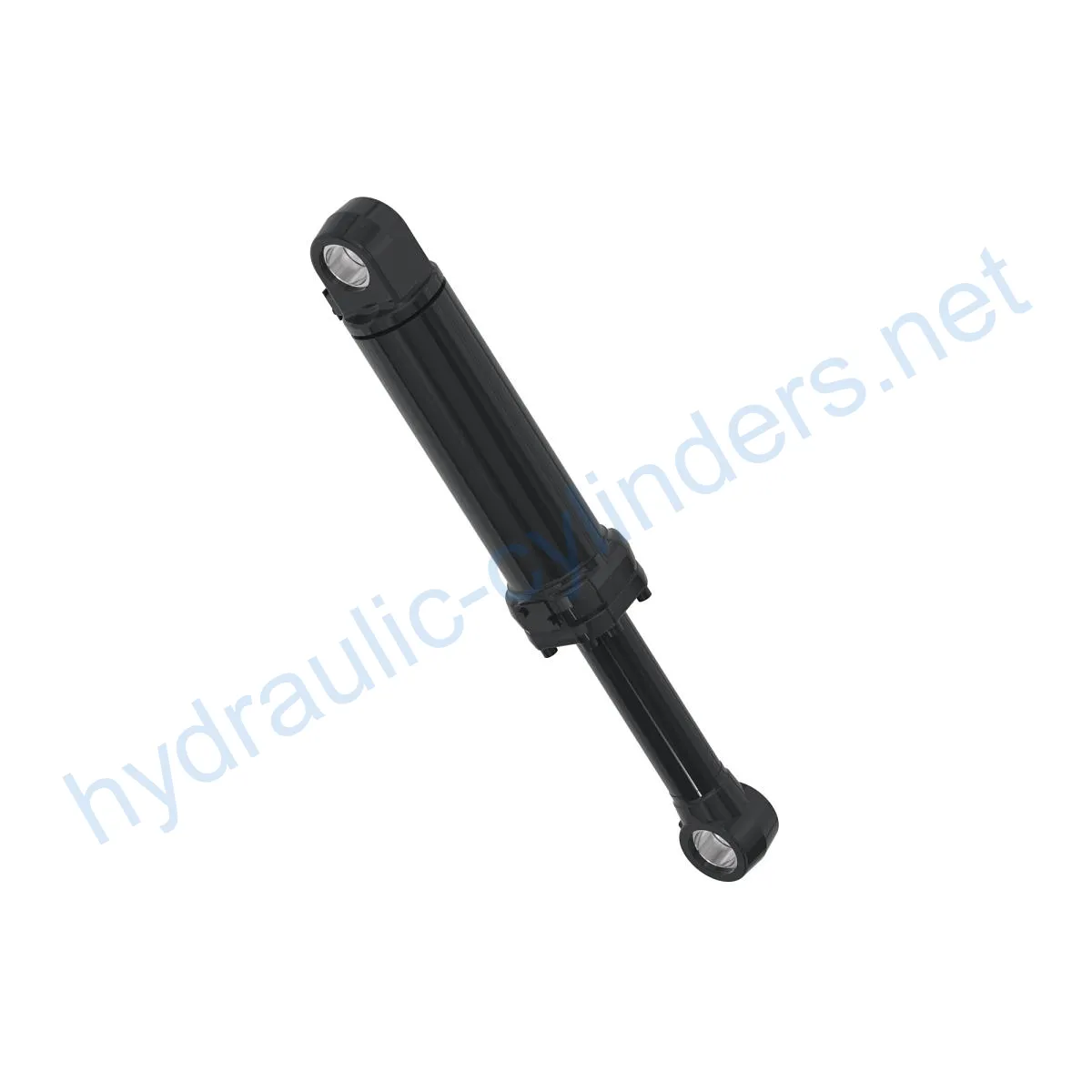
Austausch des Hydraulikzylinders AHC16200
Replacement Of AHC16200 Hydraulic Cylinder
Produkteinführung
The Replacement Of AHC16200 Hydraulic Cylinder is a crucial component used in various heavy machinery applications. This hydraulic cylinder plays a key role in providing the necessary force and motion to operate different equipment efficiently.
Spezifikationen und Modelle
Spezifikationen:
- Weight: 491.189 lb
- Height: 10 in
- Width: 10 in
- Length: 63.4 in
Ausführungen:
- 844 P
- 844K-III
- 844K-III Zuschlagstoff-Handler
- 844L
- 844L Zuschlagstoff-Handler
- 904 P
Hauptmerkmale
- Improved Equipment Performance: Replacing damaged or worn-out hydraulic cylinders helps restore the normal operational capability of equipment, ensuring optimal performance across various applications.
- Erhöhte Sicherheit: Durch den regelmäßigen Austausch von Hydraulikzylindern werden die mit Zylinderausfällen verbundenen Sicherheitsrisiken verringert und somit die Sicherheit von Bedienern und Anlagen gewährleistet.
- Overload Protection: New cylinder designs often include better overload protection mechanisms, enhancing overall safety.
- Schnelle Installation: Moderne Hydraulikzylinder sind für eine einfache Installation und einen einfachen Austausch konzipiert, wodurch Ausfallzeiten minimiert werden.
- Standardisierte Komponenten: Viele Hydraulikzylinder sind standardisierte Produkte, was die Beschaffung von Ersatzteilen auf dem Markt erleichtert.
Anwendungen
- Excavators: Hydraulic cylinders on excavator arms or buckets may require replacement due to long-term usage or overload, ensuring normal operation.
- Cranes: Hydraulic cylinders in crane boom systems are prone to wear during frequent lifting and lowering processes, necessitating regular replacement for safety reasons.
- Tractors: Front-end loader hydraulic cylinders on tractors may develop leaks or performance issues due to continuous lifting and tilting operations, requiring replacement.
- Harvesters: Hydraulic cylinders in harvesters’ hydraulic systems experience high pressure during the harvesting process, and timely replacement is necessary to maintain work efficiency.
- Automated Production Lines: Hydraulic cylinders are used to control robotic arms and other automated equipment. Any cylinder failure would impact production efficiency, necessitating immediate replacement.
- Druckgussmaschinen: Die Hydraulikzylinder in Druckgussmaschinen können unter hohem Druck und hoher Temperatur Leistungseinbußen aufweisen. Regelmäßiger Austausch sichert die Produktqualität.
- Mining Equipment: Hydraulic cylinders are used in mining equipment for lifting and moving heavy loads. Due to the harsh working environment, regular inspection and replacement are necessary to avoid equipment failures.
- Bulldozers: Wear on hydraulic cylinders in bulldozer blade systems can lead to reduced pushing capacity, requiring timely replacement to maintain operational efficiency.
Wartungsaufgaben
- Regular Inspection: Proper installation, lubrication, and adjustments are crucial for ensuring the longevity and optimal performance of hydraulic cylinders. Alignment guidance should be provided during installation, and the use of appropriate mounting brackets is recommended for securing the cylinder.
- Lubrication: Regularly applying the appropriate amount of hydraulic oil for lubrication is essential to prevent excessive wear and maintain smooth operation.
- Seal Replacement and Calibration Check: Periodic seal replacement and calibration checks should be performed to maintain the sealing integrity and accuracy of the hydraulic cylinder.
Sicherheitsaspekte und Umweltfaktoren
When using hydraulic cylinders, prioritizing safety measures is of utmost importance. Adequate safety precautions need to be taken to prevent accidents and ensure the well-being of operators. Additionally, considering environmental factors in the design and usage of hydraulic cylinders helps minimize any negative impact on the surroundings.
Fehlerbehebung und häufige Probleme
Some common issues that may arise with hydraulic cylinders include leakage, insufficient force, erratic movement, and abnormal noise. Troubleshooting these problems requires careful examination and diagnosis. Here are some tips and solutions to help readers effectively diagnose and resolve these issues:
- Leakage: Inspect the seals, connections, and hydraulic lines for any signs of leakage. Replace damaged seals and tighten connections as necessary.
- Insufficient Force: Check the hydraulic fluid level and pressure. Ensure that the system is properly calibrated and that there are no blockages or restrictions in the hydraulic lines.
- Erratic Movement: Verify that the control valves are functioning correctly and that there are no obstructions or binding in the cylinder’s movement path. Lubricate moving parts if necessary.
- Abnormal Noise: Investigate any unusual sounds, as they may indicate internal damage or loose components. Inspect the cylinder for loose mounting brackets or damaged internal parts.
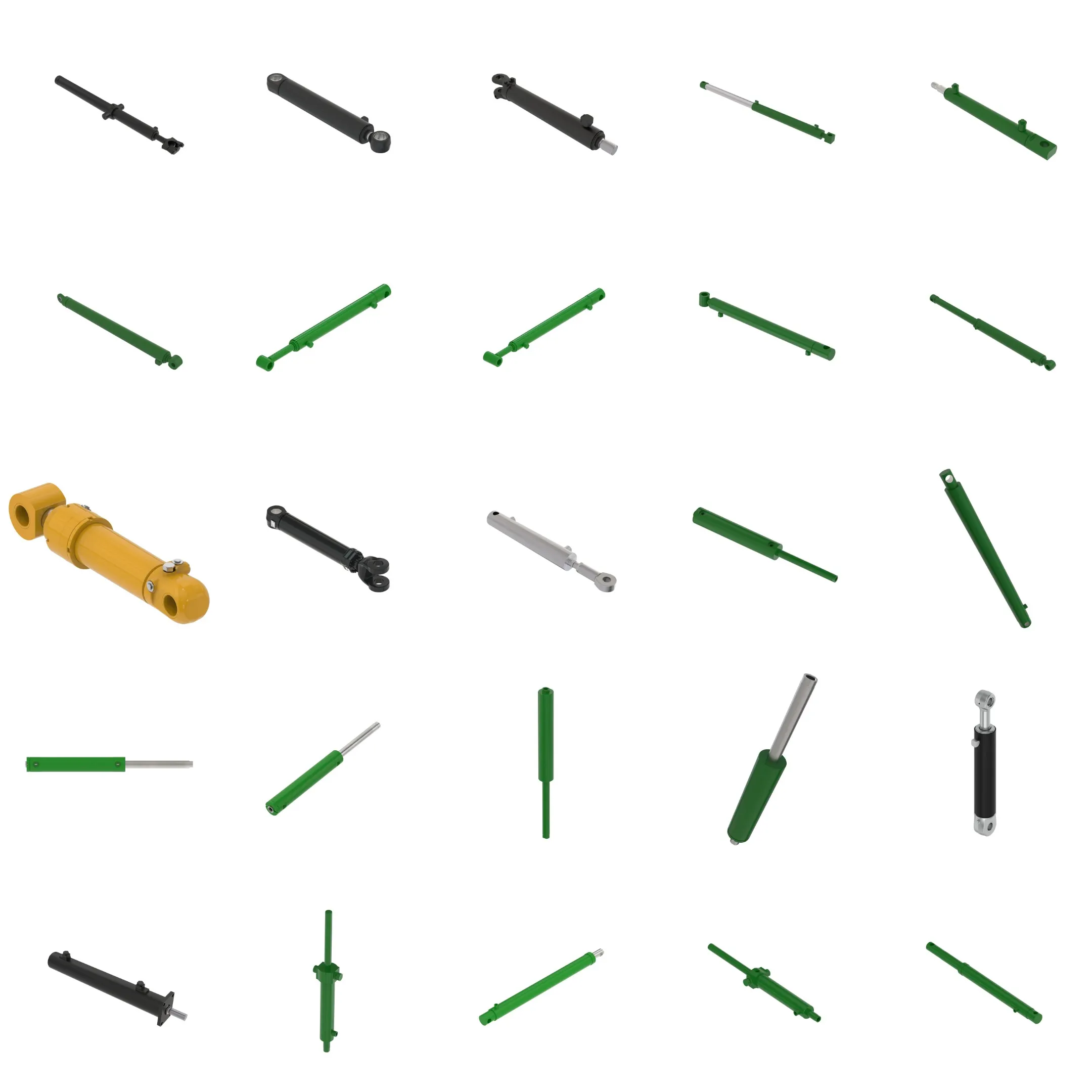
Designüberlegungen und Auswahlkriterien
When it comes to the design of hydraulic cylinders, several factors need to be considered:
- Load-Bearing Capacity: Hydraulic cylinders must be able to withstand the maximum load they will encounter during operation.
- Sealing Capability: The choice of seals, such as piston seals and rod seals, should ensure effective sealing performance to prevent leakage.
- Durability: Hydraulic cylinders should be designed to withstand the expected operating conditions and provide long-lasting performance.
- Safety: Safety features, such as overload protection mechanisms, should be incorporated into the design to prevent accidents.
- Maintainability: Consideration should be given to the ease of maintenance, such as accessibility to internal components and the availability of replacement parts.
Abdichtung und Schmierung
Hydraulic cylinders utilize various sealing components, including piston seals and rod seals. These seals are often made from durable materials such as polyurethane and nitrile rubber to withstand wear. Additionally, the cylinder body and threaded end surfaces undergo precise treatment to enhance wear resistance. Regular lubrication with the appropriate hydraulic oil is necessary to ensure smooth operation.
Regelmäßige Inspektion und vorbeugende Wartung
Regular inspection and preventive maintenance are essential to prolong the lifespan of hydraulic cylinders and prevent potential issues. Proper installation, lubrication, and adjustment play a vital role in maintaining optimal performance. Offering guidance on correct cylinder alignment during installation, recommending the use of suitable mounting brackets for secure fixation, providing recommended inspection, repair, and replacement procedures, and offering parts replacement and rebuilding services are all crucial in maximizing the lifespan of hydraulic cylinders.
Produktinstallationshandbuch
Proper installation is key to ensuring the optimal performance and longevity of hydraulic cylinders. Here are some important steps to follow:
- Bereiten Sie den Installationsbereich vor und stellen Sie sicher, dass er sauber und frei von Verunreinigungen ist.
- Align the cylinder


 DE
DE  EN
EN  PT
PT  ES
ES  FR
FR  IT
IT  AR
AR  ZH
ZH  RU
RU  KO
KO  KA
KA  BG
BG  CS
CS  DA
DA  EL
EL  ET
ET  FI
FI  HU
HU  ID
ID  LT
LT  LV
LV  NB
NB  NL
NL  PL
PL  RO
RO  SK
SK  SL
SL  SV
SV  TR
TR  UK
UK