
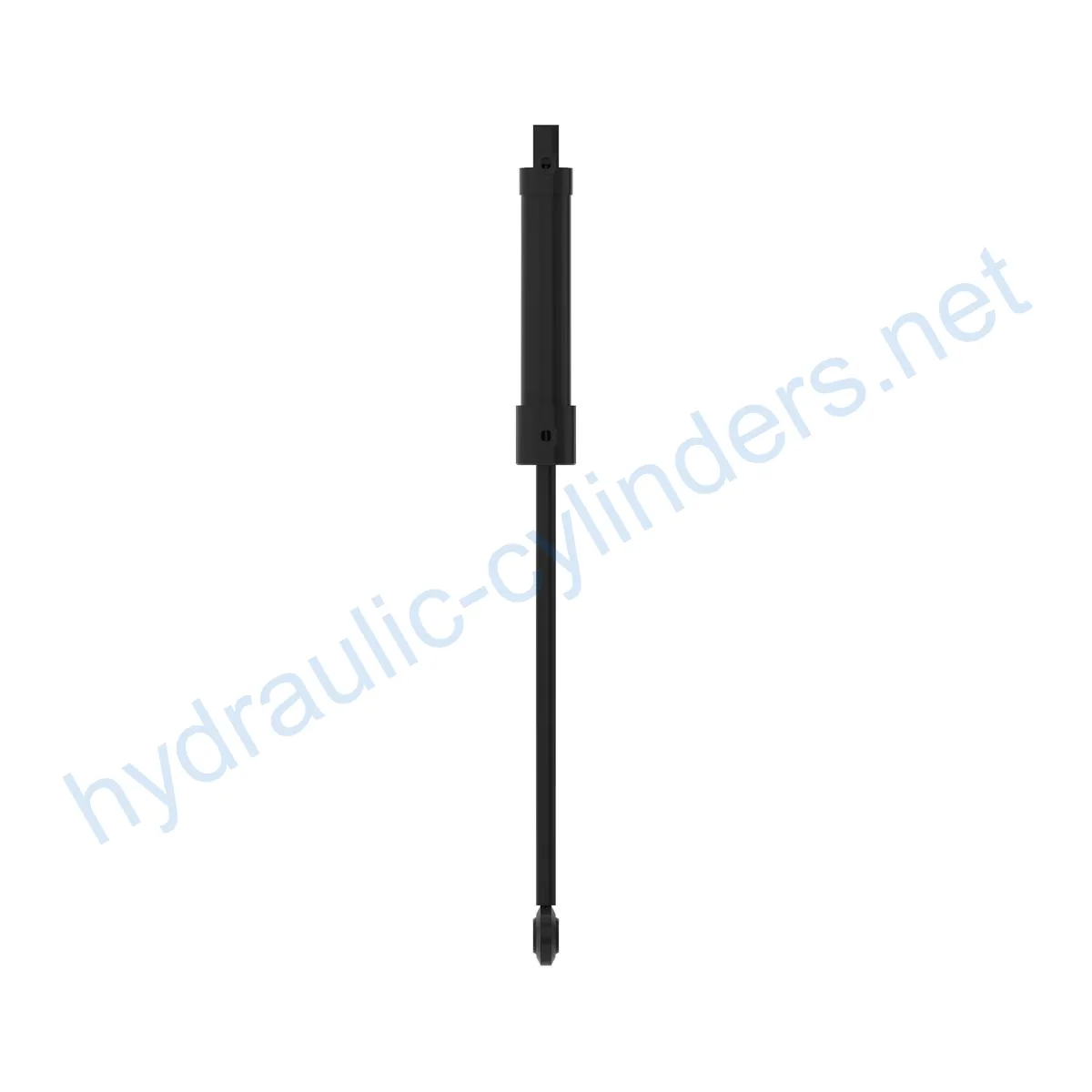
Replacement Of TCA17806 Hydraulic Cylinder
Als einer der Hersteller, Lieferanten und Exporteure von mechanischen Produkten, bieten wir Hydraulikzylinder und viele andere Produkte an.
Bitte setzen Sie sich mit uns in Verbindung, um Einzelheiten zu erfahren.
Post:sales@hydraulic-cylinders.net
Hersteller, Lieferant und Exporteur von Hydraulikzylindern.
Einführung
The Replacement Of TCA17806 Hydraulic Cylinder is a crucial component in various machinery, offering reliable hydraulic power for efficient operation. This article aims to provide an in-depth understanding of the product by discussing its specifications, model compatibility, features, applications, maintenance tasks, safety considerations, troubleshooting, design considerations, sealing and lubrication, installation guide, and company overview.
Spezifikationen und Modell
The Replacement Of TCA17806 Hydraulic Cylinder weighs 9.84 lb and has dimensions of Height 2.5 in, Width 2.75 in, and Length 31.25 in. It is compatible with the 7400 and 7400A models.
Merkmale
- Improved Equipment Performance: Replacing damaged or worn hydraulic cylinders restores the normal operation capability of equipment, ensuring optimal performance in various applications.
- Verbesserte Sicherheit: Der regelmäßige Austausch von Hydraulikzylindern reduziert Sicherheitsrisiken durch Zylinderausfälle und gewährleistet so die Sicherheit von Bedienern und Geräten.
- Überlastschutz: Neue Zylinderkonstruktionen verfügen häufig über bessere Überlastschutzmechanismen, die die allgemeine Sicherheit erhöhen.
- Schnelle Installation: Moderne Hydraulikzylinder sind für eine einfache Installation und einen einfachen Austausch konzipiert, wodurch Ausfallzeiten minimiert werden.
- Standardisierte Komponenten: Viele Hydraulikzylinder sind standardisierte Produkte, sodass Ersatzteile leichter auf dem Markt erhältlich sind.
Anwendungen
- Excavators: Hydraulic cylinders in excavator booms or buckets may get damaged due to prolonged use or overload, requiring replacement for normal operation.
- Cranes: Hydraulic cylinders in crane jibs are prone to wear during frequent lifting and lowering processes, necessitating regular replacement for safety.
- Traktoren: Bei kontinuierlichen Hebe- und Kippvorgängen können die Hydraulikzylinder in den Frontladern von Traktoren undicht werden oder eine Leistungsminderung aufweisen, die einen Austausch erforderlich macht.
- Harvesters: The hydraulic system in harvesters undergoes high pressure during the harvesting process, and cylinders may suffer fatigue damage, necessitating timely replacement to maintain efficiency.
- Automatisierte Produktionslinien: Hydraulikzylinder werden zur Steuerung von Roboterarmen und anderen automatisierten Anlagen eingesetzt. Zylinderausfälle können die Produktionseffizienz erheblich beeinträchtigen und erfordern einen sofortigen Austausch.
- Die Casting Machines: In high-pressure and high-temperature environments, hydraulic cylinders in die casting machines may experience performance degradation. Regular replacement ensures product quality.
- Bergbaumaschinen: Hydraulikzylinder werden in Bergbaumaschinen zum Heben und Bewegen schwerer Lasten eingesetzt. Aufgrund der rauen Arbeitsbedingungen sind regelmäßige Inspektionen und der Austausch der Zylinder notwendig, um Maschinenausfälle zu vermeiden.
- Bulldozers: Wear on hydraulic cylinders in bulldozer blades can result in reduced pushing capacity. Timely replacement is essential to maintain operational efficiency.
Wartung
- Regular Inspection: Periodically inspecting the hydraulic cylinder for wear, leaks, and damage ensures early detection of potential issues.
- Proper Lubrication: Adequate lubrication of the cylinder’s moving parts extends its lifespan and enhances performance. Regularly adding the recommended hydraulic oil for lubrication is crucial.
- Seal Replacement: Timely replacement of piston seals, rod seals, and other seals prevents leaks and maintains cylinder integrity.
- Calibration Check: Checking and adjusting the cylinder’s calibration ensures accurate operation and prevents malfunctions.
Sicherheitsaspekte
When working with hydraulic cylinders, following safety measures is crucial to prevent accidents. Proper training, using appropriate personal protective equipment, and strictly adhering to manufacturer guidelines are essential for safe operation.
Fehlerbehebung und häufige Probleme
The following are common troubleshooting steps and issues related to hydraulic cylinders:
- Issue 1: Cylinder doesn’t extend or retract fully
Solution: Check for low hydraulic fluid levels, inspect for leaks, and ensure proper lubrication. - Issue 2: Cylinder drifts or moves slowly
Solution: Check for internal leaks, inspect the hydraulic pump, and ensure proper lubrication. - Issue 3: Cylinder makes abnormal noises
Solution: Inspect for loose or damaged components, check for contaminated hydraulic fluid, and ensure proper alignment.
Vorbeugende Maßnahmen
Um mögliche Probleme zu minimieren, sollten Sie folgende vorbeugende Maßnahmen in Betracht ziehen:
- Regular inspections: Periodically inspect the cylinder for any signs of wear, leaks, or damage.
- Proper maintenance: Follow the recommended maintenance tasks, including lubrication and seal replacements, to extend the cylinder’s lifespan.
- Correct installation: Ensure proper alignment during installation, provide guidance on aligning the cylinder correctly, and recommend using suitable installation supports for cylinder stability.
- Rebuild services: Offer replacement parts and rebuilding services to extend the lifespan of the hydraulic cylinder.
Designüberlegungen und Auswahlkriterien
When considering the design of hydraulic cylinders, several factors should be taken into account:
- Belastbarkeit
- Dichtwirkung
- Haltbarkeit
- Sicherheitsfunktionen
- Wartbarkeit
Abdichtung und Schmierung
To ensure effective sealing and lubrication, the following measures are recommended:
- Use various sealing components such as piston seals and rod seals made of wear-resistant materials like polyurethane or nitrile rubber.
- Fine-tune the surface of the cylinder body and threaded ends to improve wear resistance.
- Regelmäßig die entsprechende Menge Hydrauliköl zur Schmierung nachfüllen.
Regelmäßige Inspektion und vorbeugende Wartung
- Correct installation, lubrication, and adjustment are essential for proper cylinder performance and longevity.
- Providing proper alignment guidance during installation and recommending suitable installation supports for cylinder stability.
- Recommend regular inspection, repair, and replacement procedures.
- Bieten Sie Ersatzteile und Umbaudienste an, um die Lebensdauer des Hydraulikzylinders zu verlängern.
- Provide tips and techniques to improve the longevity of the product through proper usage of keywords.
Sicherheitsaspekte und Umweltfaktoren
When using hydraulic cylinders, it is vital to consider safety measures and environmental factors. Adhering to safety guidelines during operation is essential to prevent accidents and ensure a safe working environment.
Fehlerbehebung und häufige Probleme
Common troubleshooting and issues related to hydraulic cylinders include:
- Issue 1: Cylinder doesn’t extend or retract fully
- Issue 2: Cylinder drifts or moves slowly
- Issue 3: Cylinder makes abnormal noises
Solution: Check hydraulic fluid levels, inspect for leaks, and ensure proper lubrication.
Solution: Check for internal leaks, inspect the hydraulic pump, and ensure proper lubrication.
Hydraulischer Zylinder Anwendung:

 DE
DE  EN
EN  PT
PT  ES
ES  FR
FR  IT
IT  AR
AR  ZH
ZH  RU
RU  KO
KO  KA
KA  BG
BG  CS
CS  DA
DA  EL
EL  ET
ET  FI
FI  HU
HU  ID
ID  LT
LT  LV
LV  NB
NB  NL
NL  PL
PL  RO
RO  SK
SK  SL
SL  SV
SV  TR
TR  UK
UK