
The Versatile Role of Piston Rod Welded Hydraulic Cylinders in Agricultural Machinery
Introduction
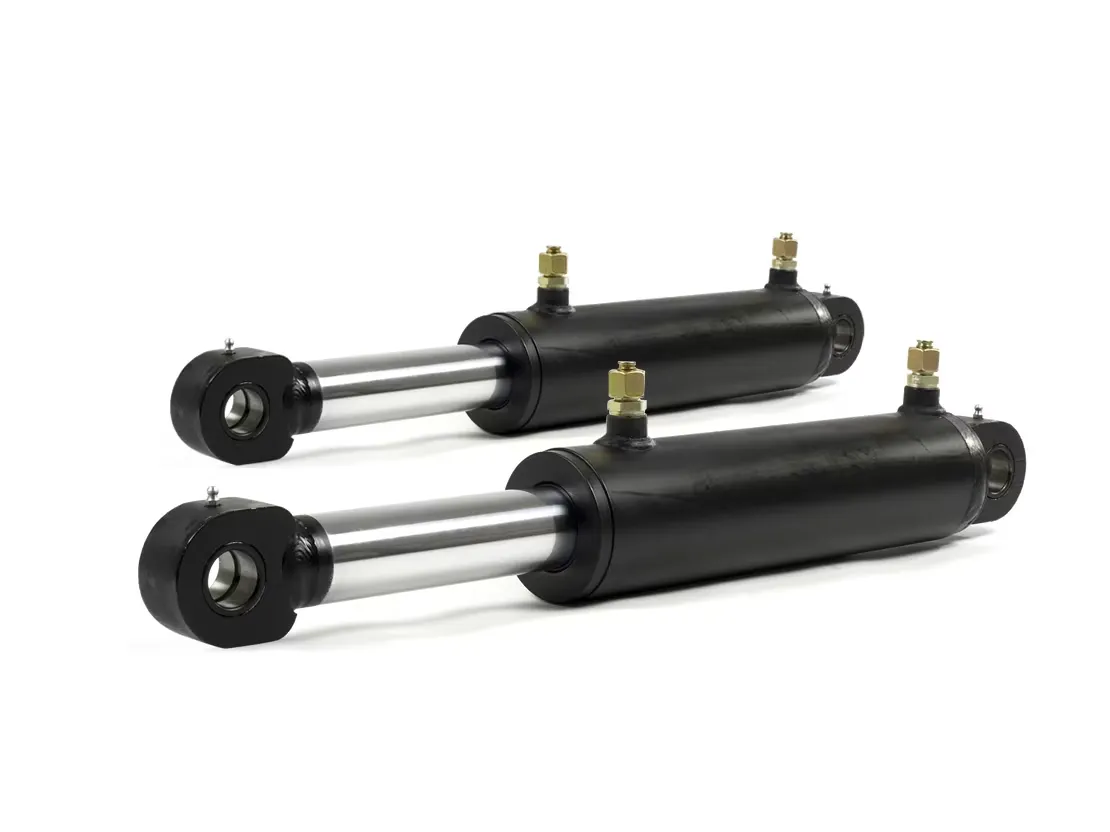
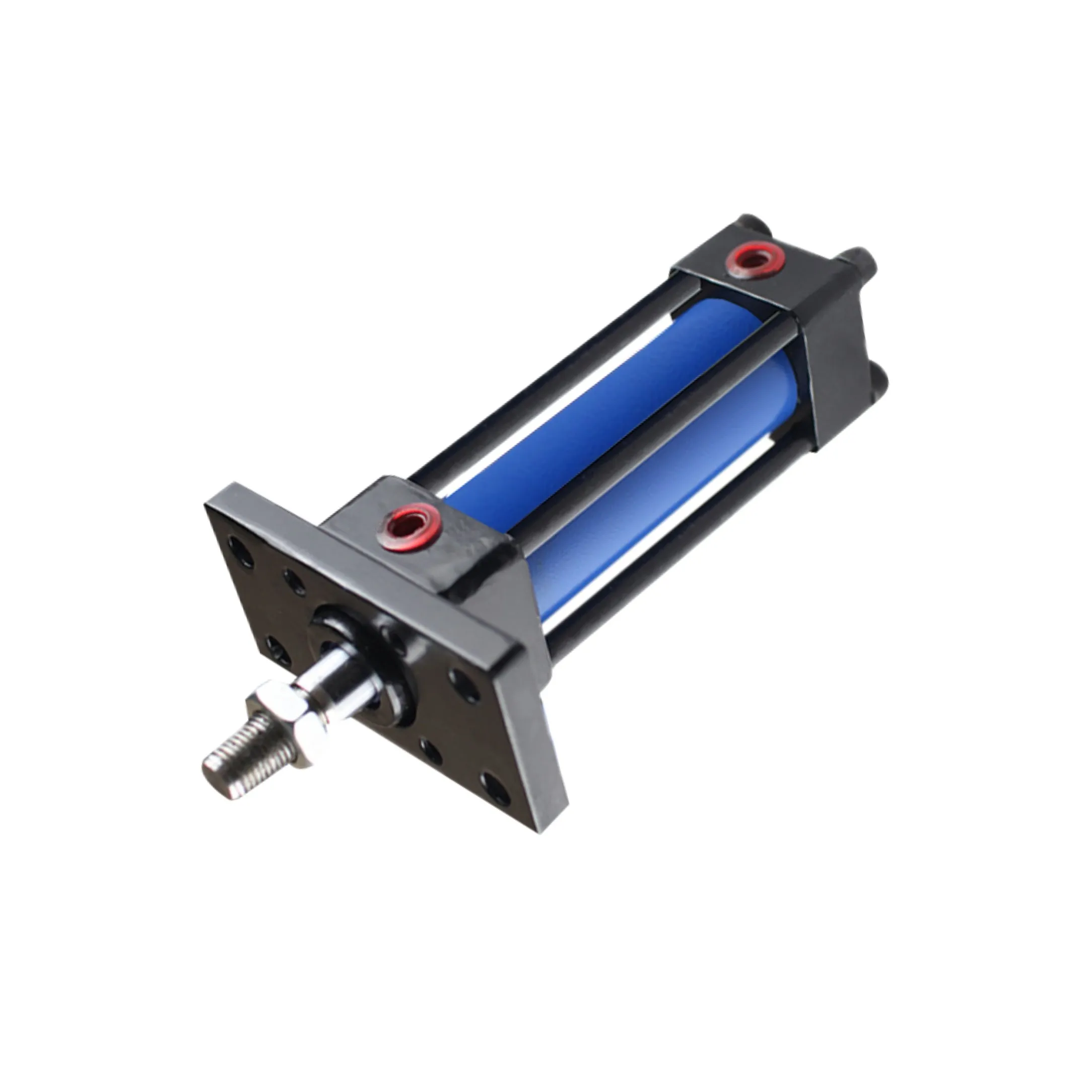
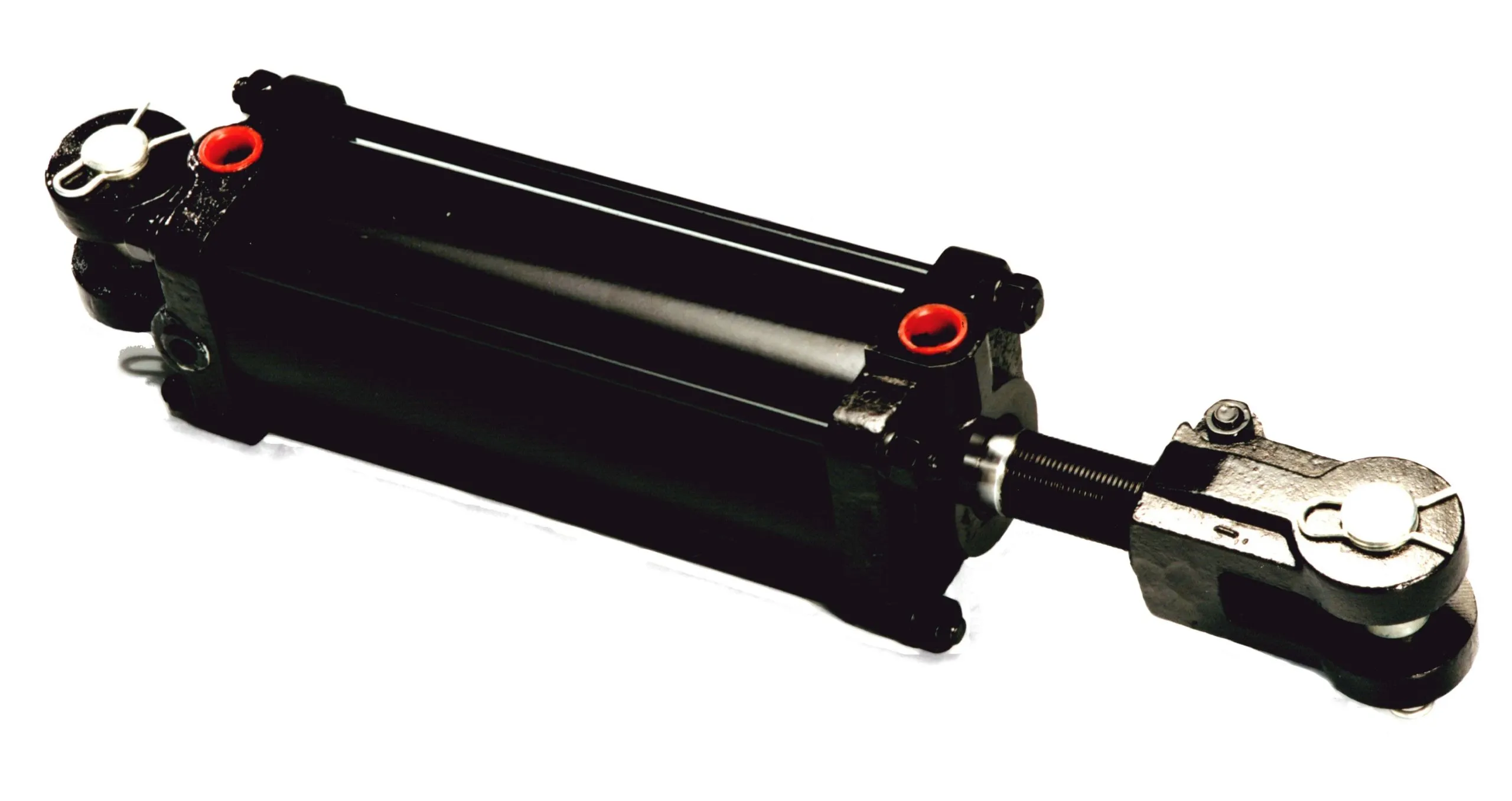
Piston rod welded hydraulic cylinders play a crucial role in the efficient operation of agricultural machinery. These cylinders are essential components of the hydraulic systems that power a wide range of agricultural equipment, from tractors to combine harvesters. In this article, we will delve into the design, construction, working principle, advantages, applications, and maintenance of piston rod welded hydraulic cylinders for agricultural machinery.
Design and Construction Characteristics
Manufactured using high-strength materials and advanced welding processes, piston rod welded hydraulic cylinders are capable of withstanding high pressures and heavy loads. The welded design reduces the risk of leakage, ensuring excellent sealing performance and system reliability. These cylinders can be customized to meet specific application requirements, providing flexible solutions for various agricultural tasks. Maintenance is simplified due to the reduced number of components, leading to cost savings and minimal downtime.
Material Selection
The materials used in the manufacture of piston rod welded hydraulic cylinders are chosen for their high strength and durability, ensuring long-term performance in demanding agricultural environments.
Design Features
The design of these cylinders focuses on improving performance and durability, with attention to factors such as force transfer efficiency, sealing, and customization options.
Welding Technology

Advanced welding techniques are employed to create a strong and reliable connection between components, enhancing the overall structural integrity of the hydraulic cylinder.
Working Principle
These hydraulic cylinders operate based on the transfer of force from a liquid medium, resulting in piston movement that performs the required workload. The sealing system ensures the containment of hydraulic oil under pressure, while pressure release mechanisms prevent overloads and maintain system safety.
Types and Configurations
There are three main types of piston rod welded hydraulic cylinders used in agricultural machinery, each tailored to specific applications to optimize performance and efficiency.
Single-Acting Cylinder
Designed for applications where force is required in one direction, single-acting cylinders are commonly used for tasks such as lifting and lowering implements.
Double-Acting Cylinder
Capable of exerting force in both directions, double-acting cylinders are ideal for applications that involve pushing and pulling forces, such as in plowing or harvesting operations.
Telescopic Cylinder
Featuring multiple stages that extend and retract, telescopic cylinders offer variable stroke lengths and compact design, making them suitable for space-constrained agricultural machinery.
Advantages of Piston Rod Welded Hydraulic Cylinders
These cylinders offer several advantages that make them well-suited for agricultural machinery:
- High Strength and Durability
- Excellent Sealing Performance
- Customization Options
- Simplified Maintenance
- Efficient Force Transfer
Performance Characteristics
The performance characteristics of piston rod welded hydraulic cylinders include:
- High Pressure Bearing Capacity
- Efficient Force Transfer Efficiency
- Good Sealing
- Wear Resistance and Corrosion Resistance
- Compact Size and Weight
- Impact Resistance
Applications in Various Industries
Piston rod welded hydraulic cylinders are widely used in the following industries:
- Construction and Construction
- Manufacturing
- Agricultural Machinery
- Transportation
- Mining
- Aerospace and Aviation
Design Considerations and Selection Criteria
When selecting piston rod welded hydraulic cylinders for agricultural machinery, key factors to consider include bearing capacity, sealing, durability, safety, and maintainability.
Sealing and Lubrication
Proper sealing and lubrication of piston rod welded hydraulic cylinders are essential for ensuring smooth operation and extending their service life. Various seals and wear-resistant materials are used to prevent leakage and reduce friction, while regular lubrication with hydraulic oil maintains optimal performance.
Regular Inspection and Maintenance
To ensure the reliable operation of piston rod welded hydraulic cylinders in agricultural machinery, regular inspection and preventive maintenance measures should be implemented. This includes checking for wear, leaks, and proper functioning of components.
Installation Guide
Correct installation of piston rod welded hydraulic cylinders is critical for their performance and longevity. Following manufacturer guidelines and using appropriate tools and techniques will help ensure a secure and reliable installation.
Maintenance Tasks
Common maintenance tasks for piston rod welded hydraulic cylinders include regular inspection, proper lubrication, seal replacement, and calibration checks. Adhering to these tasks will help prevent issues and prolong the lifespan of the cylinders.
Safety Considerations
When using piston rod welded hydraulic cylinders in agricultural machinery, safety measures should be prioritized to prevent accidents and ensure operator protection. Proper training, maintenance, and operational practices are essential for a safe working environment.
Fault Diagnosis and Troubleshooting
In the event of issues with piston rod welded hydraulic cylinders, a systematic approach to fault diagnosis and troubleshooting is crucial. Understanding common problems and their solutions can help resolve issues efficiently and minimize downtime.
FAQs
How does the welded process enhance the durability of these cylinders?
The welded process creates a strong and seamless connection between components, improving the overall structural integrity and durability of the hydraulic cylinders.
In which industries are piston rod welded cylinders most commonly used?
Piston rod welded cylinders are widely used in industries such as agriculture, construction, manufacturing, transportation, mining, and aerospace for their reliable performance and versatility.
What advantages do piston rod welded cylinders offer over traditional cylinders?
Piston rod welded cylinders offer advantages such as high strength, excellent sealing, customization options, simplified maintenance, and efficient force transfer, making them ideal for demanding applications.
How does the design of a piston rod welded cylinder affect its performance?
The design of a piston rod welded cylinder influences its performance by optimizing force transfer efficiency, sealing capabilities, wear resistance, and overall durability to meet specific application requirements.
What maintenance practices are recommended for piston rod welded cylinders?
Recommended maintenance practices for piston rod welded cylinders include regular inspection, proper lubrication, seal replacement, and calibration checks to ensure optimal performance and longevity.
Long Tail Keywords
Three long tail keywords for piston rod welded hydraulic cylinders are:
– Precision control in agricultural machinery
– Customized solutions for farming equipment
– Increased efficiency in crop production
Our Company
We are a leading manufacturer and wholesale distributor of hydraulic cylinders, specializing in piston rod welded hydraulic cylinders for agricultural machinery. With a comprehensive product line, professional certifications, customized services, state-of-the-art production equipment, and dedicated after-sales support, we strive to deliver high-quality solutions to meet the needs of our customers.
Author: lyl