
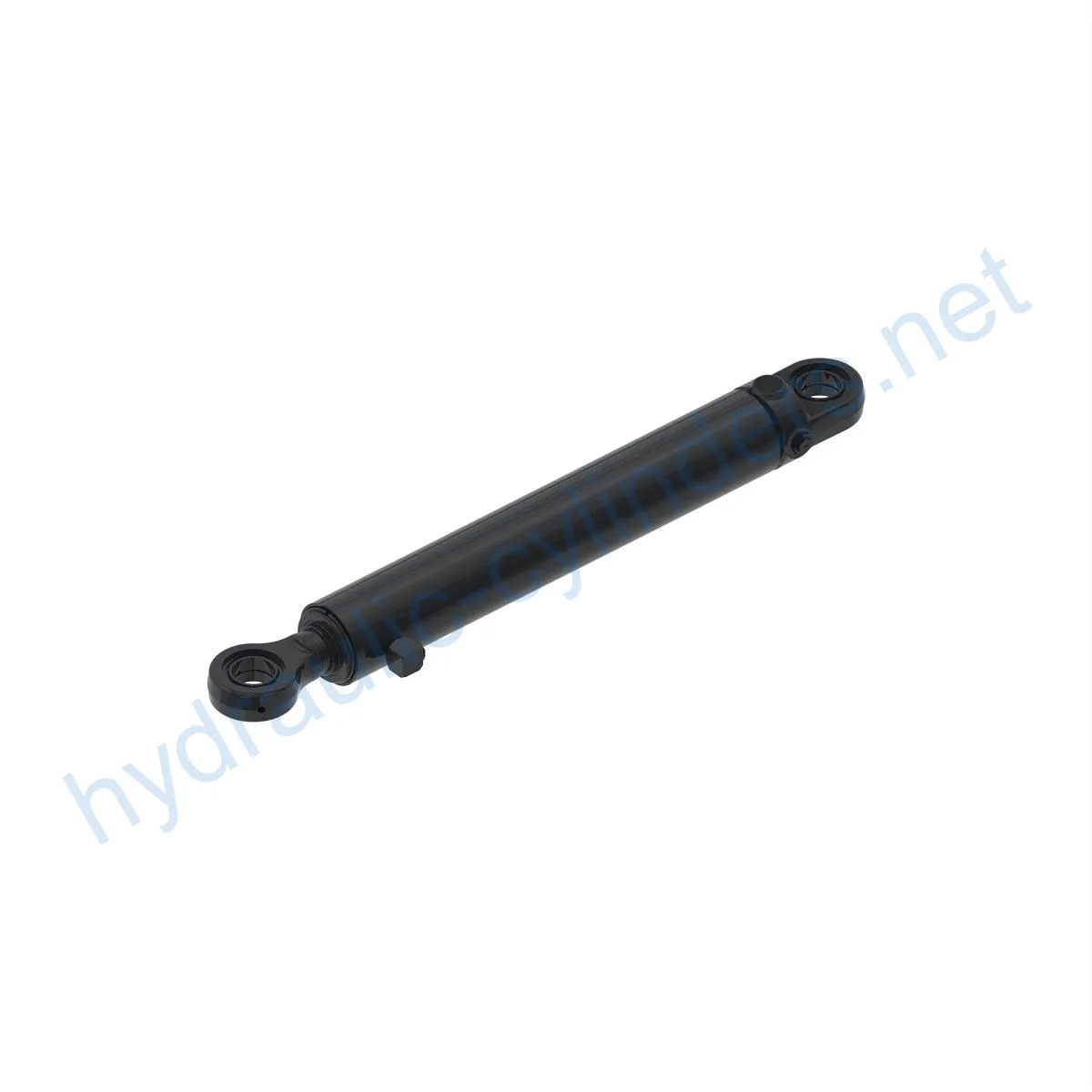
Reemplazo del cilindro hidráulico angular AHC15750
Replacement Of AHC15750 Angle Hydraulic Cylinder
The Replacement Of AHC15750 Angle Hydraulic Cylinder is a type of hydraulic cylinder that is commonly used in various heavy-duty equipment. It is designed to provide the necessary power to lift, push, and pull heavy loads. This hydraulic cylinder plays a crucial role in the operation of equipment such as excavators, cranes, tractors, harvesters, and more.
Especificación y modelo
The Replacement Of AHC15750 Angle Hydraulic Cylinder has a weight of 80 lb, a height of 4.3 in, a width of 5.9 in, and a length of 38 in. It is compatible with the 700J and 700K models.
Características
- Improved Equipment Performance: Replacing damaged or worn hydraulic cylinders can restore the equipment’s normal operations and ensure its performance in various applications.
- Mayor seguridad: La sustitución periódica de los cilindros hidráulicos puede reducir los riesgos de seguridad causados por fallos en los cilindros y garantizar la seguridad de los operarios y los equipos.
- Overload Protection: New cylinder designs generally consider better overload protection mechanisms, thereby improving safety.
- Instalación rápida: Los diseños modernos de cilindros hidráulicos suelen tener en cuenta la facilidad de instalación y sustitución, reduciendo el tiempo de inactividad.
- Componentes estandarizados: Muchos cilindros hidráulicos son productos estandarizados, lo que facilita la obtención de piezas de repuesto en el mercado.
We produce hydraulic cylinders that can perfectly replace these cylinders. Our products are of high quality and can meet your needs.
Aplicaciones
The Replacement Of AHC15750 Angle Hydraulic Cylinder is used in various applications, including:
- Excavators: The hydraulic cylinder in the arm or bucket of an excavator may become damaged due to long-term use or overload and needs to be replaced to restore normal operations.
- Cranes: The crane’s boom hydraulic cylinder is susceptible to wear during frequent lifting and lowering and needs to be replaced regularly to ensure safety.
- Tractors: The front-end loader hydraulic cylinder of a tractor may leak or experience performance degradation during continuous raising and tilting operations, requiring replacement.
- Harvesters: During harvesting, the hydraulic system is subjected to high pressure, and the cylinder may become damaged due to fatigue, requiring timely replacement to maintain work efficiency.
- Automated Production Lines: Hydraulic cylinders are used to control robotic arms and other automated equipment. If the cylinder fails, it can affect production efficiency and needs to be replaced immediately.
- Máquinas de fundición a presión: Los cilindros hidráulicos pueden sufrir una degradación de su rendimiento en entornos de alta presión y alta temperatura. Su sustitución periódica garantiza la calidad del producto.
Mantenimiento
Regular maintenance of hydraulic cylinders is essential to ensure their proper operation and prolong their service life. The following are three common maintenance tasks:
Inspección regular
Periodic inspection of hydraulic cylinders can help detect potential problems and prevent equipment failure. It is essential to check for signs of wear and tear, leaks, misalignment, and damage, and take corrective action if necessary.
Lubricación adecuada
Hydraulic cylinders require proper lubrication to ensure smooth operation and prevent excessive wear. It is recommended to use the appropriate hydraulic oil and apply it to the cylinder’s moving parts regularly.
Sustitución de juntas y comprobación de calibración
Seals play a crucial role in preventing hydraulic fluid leaks and protecting the cylinder’s internal components. It is essential to replace damaged or worn seals promptly and check the cylinder’s calibration to ensure proper operation.
Consideraciones de seguridad y factores ambientales
When using hydraulic cylinders, it is essential to follow the relevant safety regulations and take appropriate safety measures to prevent accidents. It is recommended to wear appropriate personal protective equipment, such as goggles and gloves, when handling hydraulic cylinders.
Environmental factors, such as temperature and humidity, can affect the performance of hydraulic cylinders. It is essential to store and use cylinders in a dry and clean environment and avoid exposure to corrosive substances or extreme temperatures.
Solución de problemas y problemas comunes
Common problems with hydraulic cylinders include leaks, seal damage, misalignment, and wear and tear. If you experience any of these problems, it is recommended to take corrective action promptly.
Here are some tips for troubleshooting and resolving hydraulic cylinder problems:
- Inspect the cylinder for visible signs of wear and tear, leaks, or damage.
- Check the calibration of the cylinder to ensure proper operation.
- Replace damaged or worn seals promptly to prevent leaks.
- Ensure proper lubrication of the cylinder to prevent excessive wear.
It is recommended to take preventive measures to minimize potential problems, such as regular inspection and maintenance.

Consideraciones de diseño y criterios de selección
When selecting hydraulic cylinders, it is essential to consider factors such as load-bearing capacity, sealing, durability, safety, and maintenance. These factors can affect the cylinder’s performance and service life.
Here are some design considerations and selection criteria:
- Load-Bearing Capacity: The cylinder’s load-bearing capacity should match the equipment’s requirements to ensure proper operation.
- Sealing: The cylinder’s seals should be made of durable and wear-resistant materials to prevent leaks and ensure proper operation.
- Durability: The cylinder should be made of high-quality materials and designed to withstand harsh operating conditions.
- Safety: The cylinder should incorporate safety features, such as overload protection, to prevent accidents.
- Maintenance: The cylinder should be designed to facilitate maintenance and repair to minimize downtime.
Sellado y lubricación
Proper sealing and lubrication are crucial for the cylinder’s proper operation and prolonging its service life. Here are some tips:
- Use various sealing components, such as piston seals and rod seals, made of durable and wear-resistant materials such as polyurethane and nitrile rubber.
- The cylinder’s body and threaded end surfaces should be finely processed to improve wear resistance.
- Regularly add the appropriate amount of hydraulic oil to lubricate the cylinder’s moving parts and ensure smooth operation.
Guía de instalación
Proper installation is crucial for the cylinder’s proper operation and preventing accidents. Here are some installation tips:
- Ensure proper alignment of the cylinder during installation to prevent misalignment and uneven loading.
- Use appropriate installation brackets to secure the cylinder in place and prevent it from moving.
- Follow the recommended inspection and repair procedures to prevent potential problems and prolong the cylinder’s service life.
Acerca de nuestra empresa
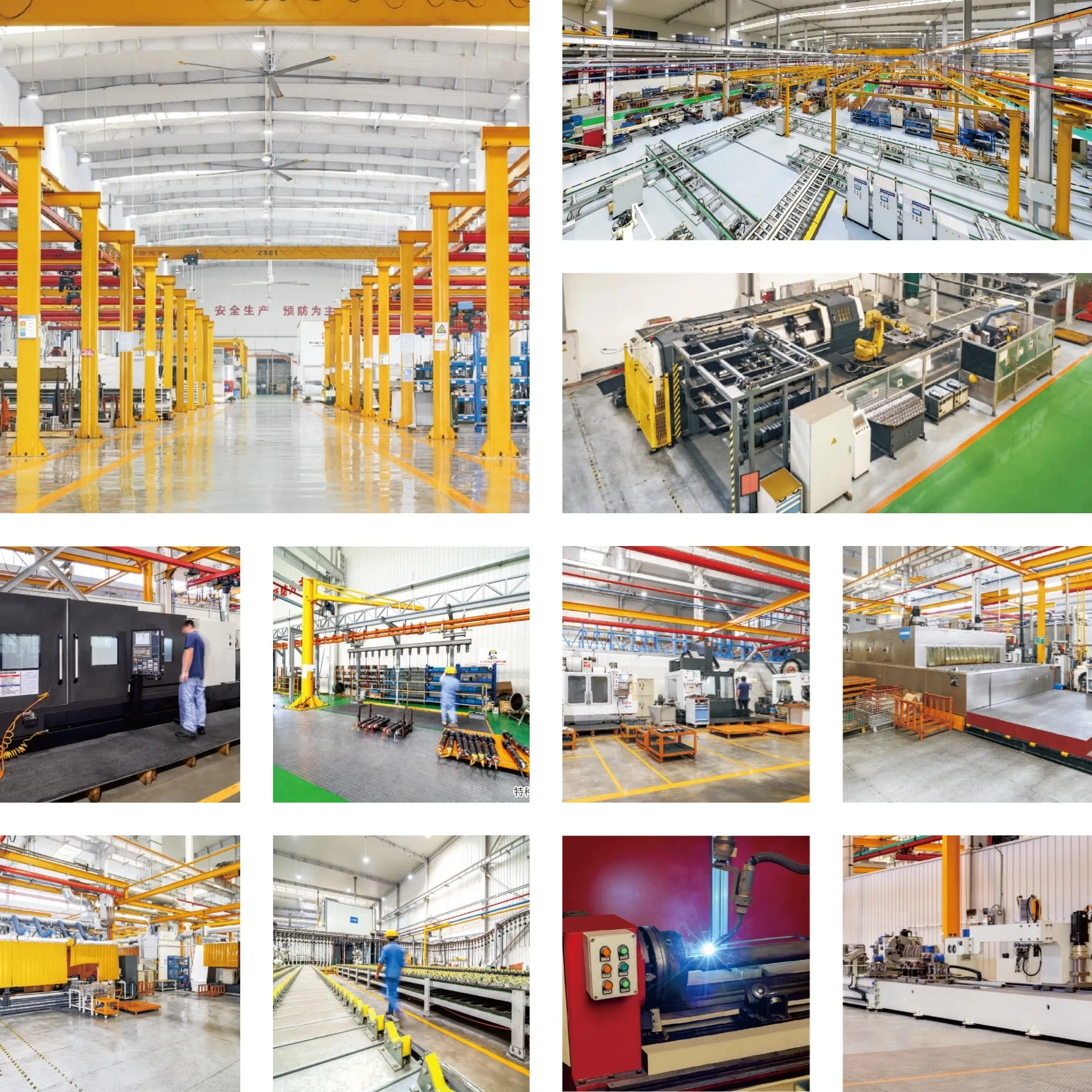
We are a leading manufacturer and wholesale distributor of hydraulic cylinders globally. Our products are of high quality and meet international certification standards. We also offer customized services to meet our customers’ unique needs. Our production equipment is advanced and efficient, and our after-sales service is excellent.
Autor: lyl


 ES
ES  EN
EN  PT
PT  DE
DE  FR
FR  IT
IT  AR
AR  ZH
ZH  RU
RU  KO
KO  KA
KA  BG
BG  CS
CS  DA
DA  EL
EL  ET
ET  FI
FI  HU
HU  ID
ID  LT
LT  LV
LV  NB
NB  NL
NL  PL
PL  RO
RO  SK
SK  SL
SL  SV
SV  TR
TR  UK
UK