
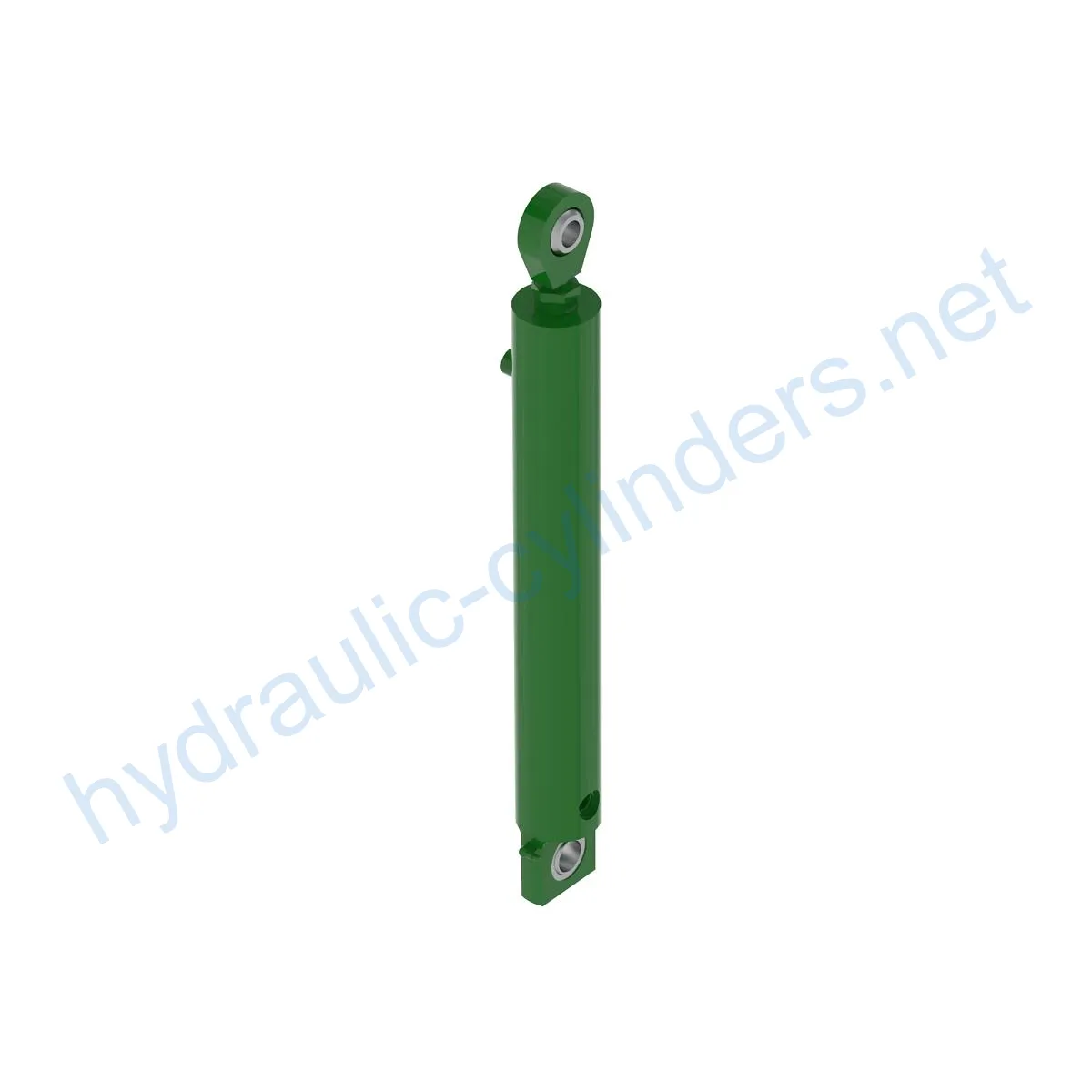
Replacement Of AHC20306 Hydraulic Cylinder
Introducción
The Replacement Of AHC20306 Hydraulic Cylinder is a crucial component in various machinery models, including the 4730, M4030, and M4040. Designed to support heavy loads and ensure smooth operation, this hydraulic cylinder plays a vital role in the functionality of equipment.
Especificaciones y modelos
Weight: 33.751 lb
Altura: 4,2 pulgadas
Length: 29.7 in
Compatible Models: 4730, M4030, M4040
Características principales
- Mejora del rendimiento del equipo: La sustitución de los cilindros hidráulicos dañados o desgastados puede restablecer la capacidad de funcionamiento normal del equipo, garantizando su rendimiento en diversas aplicaciones.
- Enhanced Safety: Regular cylinder replacement reduces safety hazards caused by cylinder failures, ensuring the safety of both operators and equipment.
- Protección contra sobrecargas: Los cilindros de nuevo diseño suelen incorporar mejores mecanismos de protección contra sobrecargas, lo que mejora la seguridad.
- Instalación rápida: Los cilindros hidráulicos modernos están diseñados para una fácil instalación y reemplazo, minimizando el tiempo de inactividad.
- Componentes estandarizados: Muchos cilindros hidráulicos son productos estandarizados, lo que facilita la obtención de piezas de repuesto en el mercado.
Aplicaciones
- Excavators: Hydraulic cylinders in excavator arms or buckets may require replacement due to long-term use or overloading, restoring normal operation.
- Cranes: Hydraulic cylinders in crane boom systems can experience wear during frequent lifting and lowering processes, necessitating regular replacement to ensure safety.
- Tractores: Los cilindros hidráulicos del cargador frontal de los tractores pueden desarrollar fugas o problemas de rendimiento debido a las operaciones continuas de elevación e inclinación, lo que requiere reemplazo.
- Harvesters: Hydraulic cylinders in harvesters’ hydraulic systems endure high pressures during the harvesting process. Timely replacement is necessary to maintain efficiency.
- Automated Production Lines: Hydraulic cylinders control robotic arms and other automated equipment. Prompt replacement is crucial to avoid disruptions in production efficiency.
- Die-Casting Machines: In high-pressure and high-temperature environments, hydraulic cylinders may experience performance degradation. Regular replacement ensures product quality.
- Mining Equipment: Hydraulic cylinders are used for lifting and moving heavy loads in mining equipment. Regular inspection and replacement are necessary to prevent equipment failures.
- Bulldozers: Hydraulic cylinder wear on bulldozer blades can result in decreased pushing power. Timely replacement maintains operational efficiency.
Tareas de mantenimiento
- Regular Inspections: Periodically check the hydraulic cylinder for signs of wear, leaks, or damage to prevent potential failures.
- Proper Lubrication: Ensure the hydraulic cylinder receives the appropriate amount of hydraulic oil to enhance its performance and longevity.
- Seal Replacement: When seals show signs of wear or leakage, promptly replace them to maintain the cylinder’s integrity and prevent hydraulic fluid loss.
- Calibration Checks: Regularly verify the cylinder’s alignment and adjust if necessary to ensure optimal performance.
Consideraciones de seguridad y factores ambientales
When working with hydraulic cylinders, adhering to safety measures is crucial to prevent accidents and injuries. Proper usage and maintenance of cylinders contribute to a safer working environment.
Solución de problemas y problemas comunes
1. Cylinder Leakage: Check for damaged seals or loose connections. Replace seals and tighten connections as needed.
2. Cylinder Slow Operation: Inspect the hydraulic fluid levels and ensure they meet the manufacturer’s recommendations. Check for any restrictions in the hydraulic lines.
3. Cylinder Overheating: Verify that the hydraulic fluid is at the correct temperature and replace any faulty cooling components.
Medidas preventivas
1. Regular Maintenance: Perform scheduled inspections, lubrication, seal replacements, and calibration checks to prevent potential issues.
2. Proper Installation: Provide guidance on aligning the cylinder correctly during installation. Recommend using appropriate mounting brackets to secure the cylinder.
3. Repair Services: Offer replacement parts and rebuilding services to extend the lifespan of the hydraulic cylinder.

Consideraciones de diseño y criterios de selección
- Bearing Capacity: Discuss the hydraulic cylinder’s load-bearing capacity and its importance in selecting the appropriate model.
- Sealing and Durability: Explore the use of various sealing elements, such as piston seals and rod seals made from wear-resistant materials like polyurethane or nitrile rubber.
- Safety and Maintenance: Highlight the importance of designing cylinders with safety features and ease of maintenance in mind.
Sellado y lubricación
For optimal performance, hydraulic cylinders utilize various seals, including piston seals and rod seals. These seals are made from wear-resistant materials like polyurethane or nitrile rubber. Additionally, the cylinder body and threaded ends undergo precise surface treatments to enhance wear resistance. Regular lubrication with the appropriate hydraulic oil is crucial to ensure smooth operation and reduce friction.
Inspecciones regulares y mantenimiento preventivo
- Correct Installation: Emphasize the importance of aligning the cylinder correctly during installation and recommend using suitable mounting brackets to secure the cylinder.
- Recommended Inspection, Repair, and Replacement Procedures: Provide guidance on inspecting, repairing, and replacing hydraulic cylinder components, along with tips for extending their lifespan.
Consideraciones de seguridad y factores ambientales
When using hydraulic cylinders, it is essential to prioritize safety measures. Discuss the importance of following safety procedures when working with hydraulic systems and the significance of environmentally friendly practices in the industry.
Solución de problemas y problemas comunes
1. Cylinder Leakage: Detail the steps to diagnose and resolve cylinder leakage issues, including seal replacement and tightening connections.
2. Cylinder Slow Operation: Provide troubleshooting tips, such as checking hydraulic fluid levels and ensuring unrestricted flow.
3. Cylinder Overheating: Describe potential causes of cylinder overheating and offer solutions, such as checking fluid temperature and inspecting cooling components.
Estándares de diseño y selección de productos
- Bearing Capacity: Discuss the importance of considering the hydraulic cylinder’s load-bearing capacity in equipment design.
- Sealing and Durability: Highlight the use of durable sealing elements and precise surface treatments to enhance wear resistance.
- Safety and Maintenance: Emphasize the significance of designing cylinders with safety features and ease of maintenance.
Inspecciones regulares y mantenimiento preventivo
- Correct Installation: Provide guidance on aligning the cylinder correctly during installation and recommend using appropriate mounting brackets to secure the cylinder.
- Recommended Inspection, Repair, and Replacement Procedures: Offer suggestions for inspecting, repairing, and replacing hydraulic cylinder components,


 ES
ES  EN
EN  PT
PT  DE
DE  FR
FR  IT
IT  AR
AR  ZH
ZH  RU
RU  KO
KO  KA
KA  BG
BG  CS
CS  DA
DA  EL
EL  ET
ET  FI
FI  HU
HU  ID
ID  LT
LT  LV
LV  NB
NB  NL
NL  PL
PL  RO
RO  SK
SK  SL
SL  SV
SV  TR
TR  UK
UK