
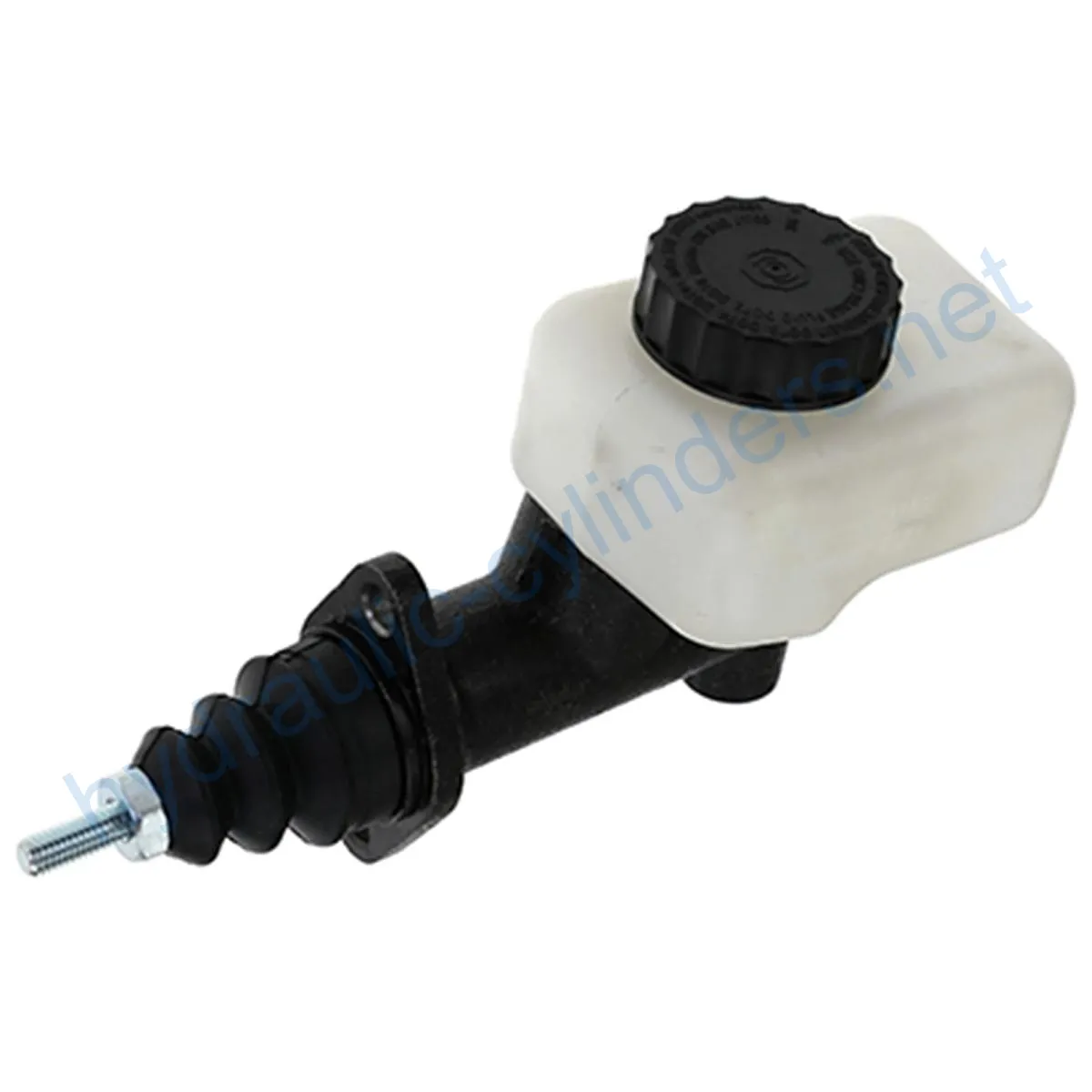
Replacement Of AL66918 Clutch Hydraulic Cylinder
Replacement Of AL66918 Clutch Hydraulic Cylinder
Introducción:
The Replacement Of AL66918 Clutch Hydraulic Cylinder is a crucial component designed to provide proper functioning and control in various hydraulic systems. This cylinder plays a vital role in ensuring the smooth operation and performance of equipment. It is responsible for transmitting force through a fluid to activate necessary mechanical operations.
Especificaciones y modelos
Weight: 2.62 lb
Altura: 3,8 pulgadas
Ancho: 8 pulgadas
Length: 9.2 in
Models: 2250, 2450, 2650, 2850, 3050, 3350, 3650
Características
- Rendimiento mejorado del equipo: Reemplazar cilindros hidráulicos dañados o desgastados restaura las capacidades operativas normales del equipo, lo que garantiza un rendimiento óptimo en diversas aplicaciones.
- Mayor seguridad: Reemplazar periódicamente los cilindros hidráulicos reduce los riesgos de seguridad causados por fallas en los cilindros, lo que garantiza la seguridad de los operadores y el equipo.
- Protección contra sobrecargas: Los nuevos diseños de cilindros suelen incorporar mejores mecanismos de protección contra sobrecargas, lo que mejora la seguridad durante el funcionamiento.
- Instalación rápida: Los cilindros hidráulicos modernos están diseñados teniendo en cuenta la facilidad de instalación y reemplazo, minimizando el tiempo de inactividad.
- Componentes estandarizados: Muchos cilindros hidráulicos son productos estandarizados, lo que facilita la obtención de piezas de repuesto en el mercado.
Aplicaciones
1. Excavators:
Excavators rely on hydraulic cylinders in their arms or buckets, which may get damaged or worn out due to prolonged use or overload. Replacing them is essential to restore normal operation.
2. Cranes:
The hydraulic cylinders in crane jibs are prone to wear and tear during frequent lifting and lowering processes. Regular replacement is necessary to ensure safety.
3. Tractors:
The hydraulic cylinders in front-end loaders of tractors may experience leaks or performance degradation during continuous lifting and tilting operations, requiring replacement.
4. Cosechadoras:
During harvesting, hydraulic systems endure high pressure, and cylinders may suffer from fatigue. Timely replacement is crucial to maintain work efficiency.
5. Líneas de producción automatizadas:
Hydraulic cylinders are used to control robotic arms and other automated equipment. Cylinder failure can disrupt production efficiency, necessitating immediate replacement.
6. Máquinas de fundición a presión:
Hydraulic cylinders in die casting machines may experience performance deterioration under high pressure and temperature. Regular replacement ensures product quality.
7. Equipo de minería:
Hydraulic cylinders are used in mining equipment for lifting and moving heavy loads. Due to the harsh working environment, regular inspection and replacement are necessary to avoid equipment failures.
8. Bulldozers:
The wear of hydraulic cylinders on bulldozer blades can lead to decreased pushing capability. Timely replacement is essential to maintain operational efficiency.
Tareas de mantenimiento
Regular inspection: Periodically inspect the hydraulic cylinder for any signs of damage or malfunction.
Proper lubrication: Ensure proper lubrication to reduce friction and extend the lifespan of the cylinder.
Seal replacement: Replace worn-out seals to maintain the cylinder’s performance and prevent leaks.
Calibration check: Regularly check and calibrate the cylinder to ensure accurate operation.
Consideraciones de seguridad y factores ambientales
When using hydraulic cylinders, it is crucial to prioritize safety measures. Proper training, adherence to safety guidelines, and the use of appropriate personal protective equipment are essential to prevent accidents and injuries.
Solución de problemas y problemas comunes
1. Fuga del cilindro:
If the hydraulic cylinder experiences leakage, check for damaged seals or piston wear. Replace the faulty components accordingly.
2. Insufficient Force:
If the cylinder fails to provide sufficient force, check for any restrictions in the hydraulic lines or for worn-out internal components. Clean or replace as necessary.
3. Operación lenta:
If the cylinder operates slowly, check for low hydraulic fluid levels or clogged filters. Refill or replace components as needed.
Medidas preventivas
To minimize potential issues, it is recommended to:
- Perform regular maintenance and inspections.
- Monitor hydraulic fluid levels and quality.
- Ensure proper alignment and installation of the cylinder.
- Follow recommended repair and replacement procedures.
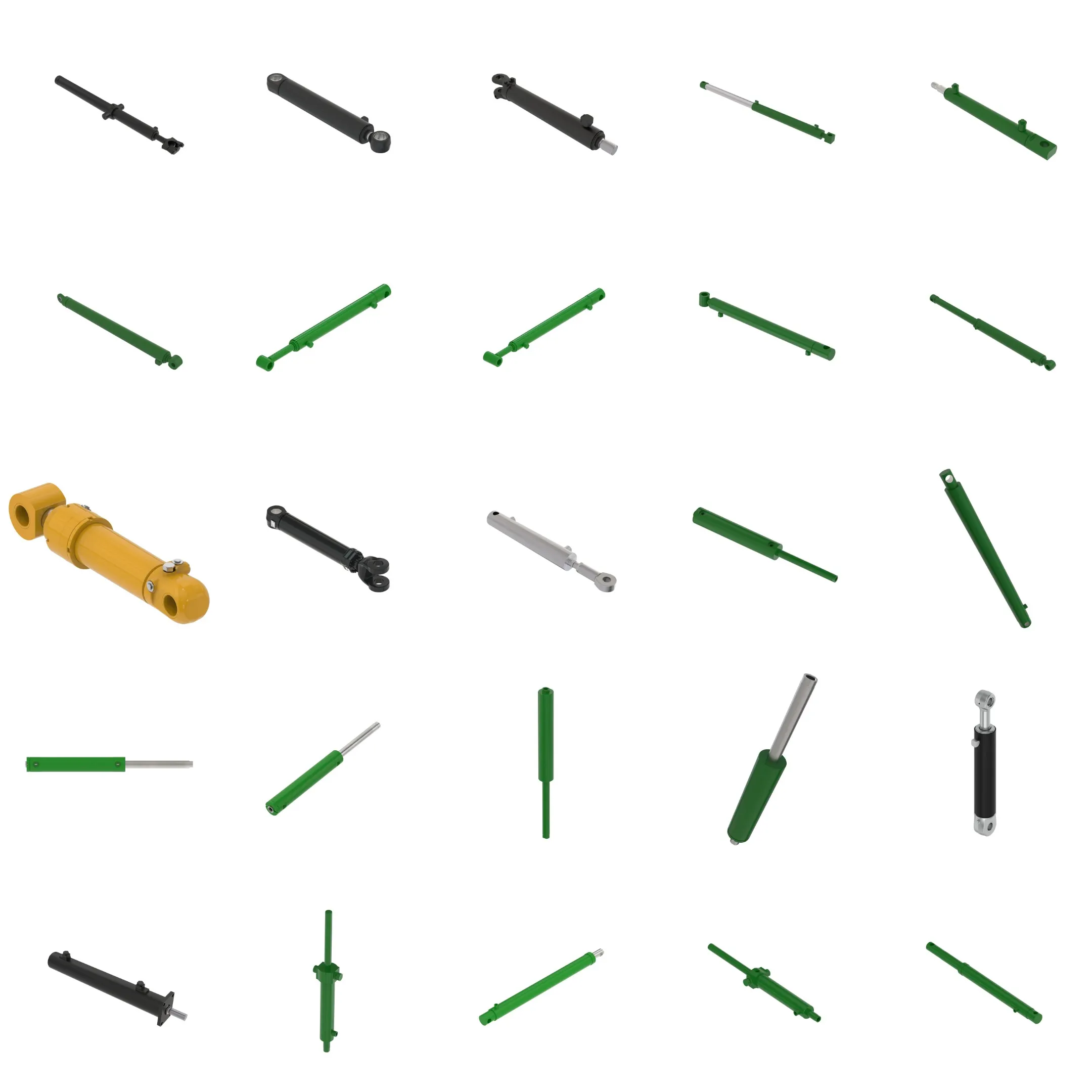
Consideraciones de diseño y criterios de selección
When choosing a hydraulic cylinder, consider the following:
- capacidad de carga
- Eficacia del sellado
- Durabilidad
- Características de seguridad
- Mantenibilidad
Sellado y lubricación
The hydraulic cylinder utilizes various seals, such as piston seals and rod seals, made of wear-resistant materials like polyurethane or nitrile rubber. The cylinder body and threaded ends undergo precise treatment to enhance wear resistance. Regular lubrication with appropriate hydraulic oil is necessary to ensure smooth operation.
Inspección regular y mantenimiento preventivo
Regularly inspect the hydraulic cylinder for any signs of wear, leaks, or damage. Follow proper installation, lubrication, and adjustment procedures. Provide guidance on aligning the cylinder correctly during installation. Recommend inspection, repair, and replacement procedures. Offer replacement parts and rebuilding services to extend the lifespan of the hydraulic cylinder.
Guía de instalación del producto
1. Ensure proper alignment and positioning of the cylinder during installation.
2. Use suitable installation brackets to secure the cylinder.
3. Follow recommended inspection, repair, and replacement procedures.
Consideraciones de seguridad y factores ambientales
When working with hydraulic cylinders, it is essential to prioritize safety measures. Adhere to safety guidelines and use appropriate personal protective equipment. Consider environmental factors such as temperature and humidity that may affect cylinder performance.
Solución de problemas y problemas comunes
1. Fuga del cilindro:
If the hydraulic cylinder experiences leakage, check for damaged seals or piston wear. Replace the faulty components accordingly.
2. Insufficient Force:
If the cylinder fails to provide sufficient force, check for any restrictions in the hydraulic lines or worn-out internal components. Clean or replace as necessary.
3. Operación lenta:
If the cylinder operates slowly, check for low hydraulic fluid levels or clogged filters. Refill or replace components as needed.
Autor: lyl
Acerca de nuestra empresa
We are a leading manufacturer and wholesale


 ES
ES  EN
EN  PT
PT  DE
DE  FR
FR  IT
IT  AR
AR  ZH
ZH  RU
RU  KO
KO  KA
KA  BG
BG  CS
CS  DA
DA  EL
EL  ET
ET  FI
FI  HU
HU  ID
ID  LT
LT  LV
LV  NB
NB  NL
NL  PL
PL  RO
RO  SK
SK  SL
SL  SV
SV  TR
TR  UK
UK