
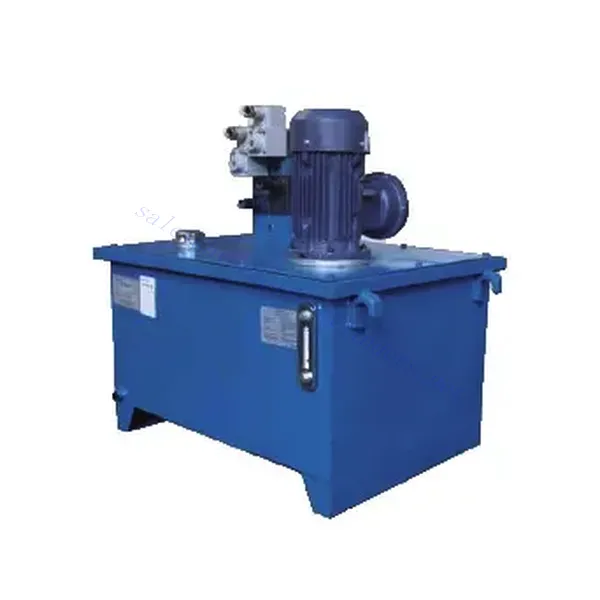
Sistema hidráulico a prueba de explosiones para plataformas elevadoras
Sistema hidráulico a prueba de explosiones para plataformas elevadoras

Explosion-proof hydraulic systems for lifting platforms are a state-of-the-art solution designed to provide safe and reliable vertical mobility in hazardous environments with a risk of explosion or flammable substances. This specialized hydraulic system ensures optimal performance while prioritizing operator and equipment safety. Below, we will discuss the main characteristics of the lifting platform explosion-proof hydraulic system, methods, maintenance, and other vital aspects.
Hydraulic System For Lifter Parameter:
Motor Power:1.5KW
Oil Tank:150L
Characteristics of the Explosion-Proof Hydraulic System For Lifting Platform:
- Compliance with Safety Standards:
- Certified Explosion-Proof Components: The hydraulic system has explosion-proof components that meet stringent safety standards, ensuring reliable operation in hazardous environments.
- Classifications and Ratings: The system adheres to defined types and ratings, such as ATEX or IECEx, to ensure compliance with industry-specific regulations for explosion protection.
- Construcción robusta:
- Durable Materials: The system uses high-quality, durable materials that withstand harsh operating conditions, including exposure to flammable gases, vapors, or dust.
- Reinforced Sealing: Special sealing mechanisms and gaskets are employed to prevent the ingress of hazardous substances into the hydraulic system, maintaining the integrity of the equipment.
- Enhanced Safety Measures:
- Overpressure Protection: The hydraulic system incorporates overpressure protection mechanisms to prevent excessive pressure build-up, reducing the risk of system failure or explosions.
- Leak Detection: Advanced leak detection systems are integrated into the hydraulic system, providing early warning for potential leaks and minimizing the risk of flammable substances escaping into the environment.
Descripción del modelo del sistema hidráulico personalizado:

Estructura del tanque de aceite:

Tapa de limpieza del tanque de aceite:

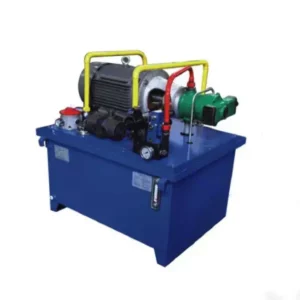
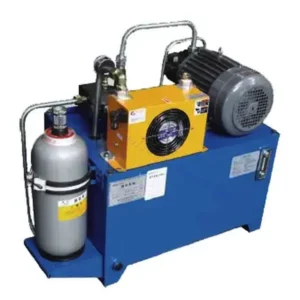
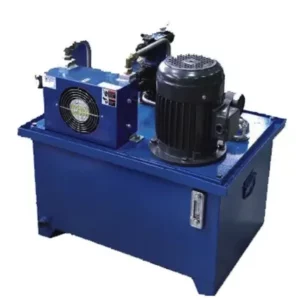
Sistema hidráulico personalizado:
(1)Sistema hidráulico vertical

(2)Sistema hidráulico horizontal

(3)Sistema hidráulico de montaje lateral
La estación de bomba hidráulica de montaje lateral, es decir, el dispositivo de bomba de aceite, se instala horizontalmente en base a un tanque separado, y el tipo lateral puede equiparse con una bomba de repuesto, que se utiliza principalmente para el sistema con una gran capacidad de buzón de 250 litros y una potencia eléctrica de 7,5KW o más.


Sistema hidráulico a prueba de explosiones para plataformas elevadoras Características:
- Compliance with Safety Standards:
- Explosion-proof Component Certification: The hydraulic system has explosion-proof components that meet strict safety standards to ensure reliable operation in hazardous environments.
- Classification And Grading: Systems follow defined types and grades, such as ATEX or IECEx, to ensure compliance with industry-specific explosion protection regulations.
- Construcción robusta:
- Durable Materials: The system is made of high-quality, durable materials that withstand harsh operating conditions, including exposure to flammable gases, steam, or dust.
- Reinforced Sealing: Special sealing mechanisms and gaskets are used to prevent harmful substances from entering the hydraulic system and maintain the integrity of the equipment.
- Enhanced Safety Measures:
- Overpressure Protection: The hydraulic system uses an overpressure protection mechanism to prevent excessive pressure buildup and reduce the risk of system failure or explosion.
- Leak Detection: Advanced leak detection systems are integrated into the hydraulic system to warn early about potential leaks and minimize the risk of flammable substances leaking into the environment.
How Does A Hydraulic Brake System Work?
A hydraulic brake system is common in vehicles, including cars, trucks, and motorcycles. It utilizes fluid mechanics principles to convert mechanical force into hydraulic pressure, which is then used to apply the brakes. Here’s a step-by-step overview of how a hydraulic brake system works:
- Aplicación del pedal de freno:
When the driver presses the brake pedal, a mechanical force is applied to the brake pedal assembly. This force is transferred to the master cylinder. - Cilindro maestro:
The master cylinder is a key component of the hydraulic brake system. It consists of a piston(s) and a reservoir filled with brake fluid. When the brake pedal is pressed, the piston(s) in the master cylinder is pushed forward, increasing the pressure in the brake fluid. - Brake Lines:
The brake fluid, under increased pressure from the master cylinder, travels through brake lines or hoses to reach the individual brake assemblies at each wheel. These brake lines are typically made of reinforced rubber or metal, ensuring durability and resistance to high pressures. - Brake Calipers or Wheel Cylinders:
At each wheel, the brake fluid enters either a brake caliper (in disc brake systems) or a wheel cylinder (in drum brake systems). These components contain pistons that are pushed outward by the hydraulic pressure from the brake fluid. - Brake Pads or Brake Shoes:
In a disc brake system, the brake caliper contains brake pads that are pressed against the rotating brake disc (rotor) when the hydraulic pressure is applied. The friction between the brake pads and the rotor slows down the rotation, ultimately stopping the vehicle.In a drum brake system, the wheel cylinder pushes the brake shoes outwards, causing them to press against the rotating brake drum. The friction between the brake shoes and the drum slows down and stops the vehicle. - Release of Brake Pressure:
When the driver releases the brake pedal, the mechanical force on the master cylinder is relieved, allowing springs or return mechanisms to retract the brake calipers or wheel cylinders. This action reduces the pressure in the brake fluid, releasing the friction between the brake pads or shoes and the rotor or drum. - Brake Fluid Reservoir:
The hydraulic brake system includes a brake fluid reservoir connected to the master cylinder. The reservoir ensures a constant supply of brake fluid to the system and compensates for any fluid loss due to wear or leaks. - Brake Fluid:
Brake fluid plays a critical role in the hydraulic brake system. It is formulated to withstand high temperatures and provide reliable hydraulic transfer of force. Brake fluid also has corrosion inhibitors to protect the brake system components.
Capacidad de la fábrica:
(1) Montaje
Contamos con una plataforma de ensamblaje independiente de primera clase para investigación y desarrollo. El taller de producción de cilindros hidráulicos cuenta con cuatro líneas de ensamblaje de cilindros de elevación semiautomáticos y una línea de ensamblaje de cilindros de inclinación automáticos, con una capacidad de producción anual diseñada de 1 millón de piezas. El taller de cilindros especiales está equipado con un sistema de ensamblaje de limpieza semiautomático de diversas especificaciones, con una capacidad de producción anual diseñada de 200,000 unidades, y está equipado con reconocidos equipos de mecanizado CNC, un centro de mecanizado, equipos especiales de procesamiento de cilindros de alta precisión, una máquina de soldadura robotizada, una máquina de limpieza automática, una máquina de ensamblaje de cilindros automáticos y una línea de producción de pintura automática. Contamos con más de 300 equipos críticos. La asignación óptima y el uso eficiente de los recursos de equipo garantizan la precisión y la alta calidad de los productos.


(2) Mecanizado
El taller de mecanizado está equipado con un centro de torneado de carril inclinado personalizado, un centro de mecanizado, una máquina de bruñido de alta velocidad, un robot de soldadura y otros equipos relacionados, que pueden procesar tubos cilíndricos con un diámetro interior máximo de 400 mm y una longitud máxima de 6 metros.

(3) Soldadura

(4) Pintura y revestimiento
Con pequeñas y medianas líneas de cilindros automáticos de recubrimiento de pintura a base de agua, para lograr la carga y descarga automática de robots y pulverización automática, la capacidad de diseño de 4000 piezas por turno;
También disponemos de una línea semiautomática de producción de pintura para grandes cilindros accionada por cadena, con una capacidad de diseño de 60 cajas por turno.


(5) Pruebas
Disponemos de instalaciones de inspección y bancos de pruebas de primera clase para garantizar que el rendimiento del cilindro cumple los requisitos.

Somos uno de los mejores fabricantes de sistemas hidráulicos. Ofrecemos sistemas hidráulicos integrales. También proporcionamos... cajas de cambios agrícolasHemos exportado nuestros productos a clientes de todo el mundo y nos hemos ganado una excelente reputación gracias a nuestra excelente calidad y servicio posventa. Invitamos a clientes nacionales e internacionales a contactarnos para negociar negocios, intercambiar información y... colabore con nosotros!

 ES
ES  EN
EN  PT
PT  DE
DE  FR
FR  IT
IT  AR
AR  ZH
ZH  RU
RU  KO
KO  KA
KA  BG
BG  CS
CS  DA
DA  EL
EL  ET
ET  FI
FI  HU
HU  ID
ID  LT
LT  LV
LV  NB
NB  NL
NL  PL
PL  RO
RO  SK
SK  SL
SL  SV
SV  TR
TR  UK
UK