

Cilindro de brazo para excavadora pequeña Komatsu PC75UU
Como cilindros hidráulicos uno de los fabricantes, los surtidores y los exportadores de productos mecánicos, ofrecemos cilindros hidráulicos y muchos otros productos.
Póngase en contacto con nosotros para más información.
Correo:sales@hydraulic-cylinders.net
Fabricante proveedor exportador de cilindros hidráulicos.
Arm Cylinder For Komatsu Small Excavator PC75UU
Introducción
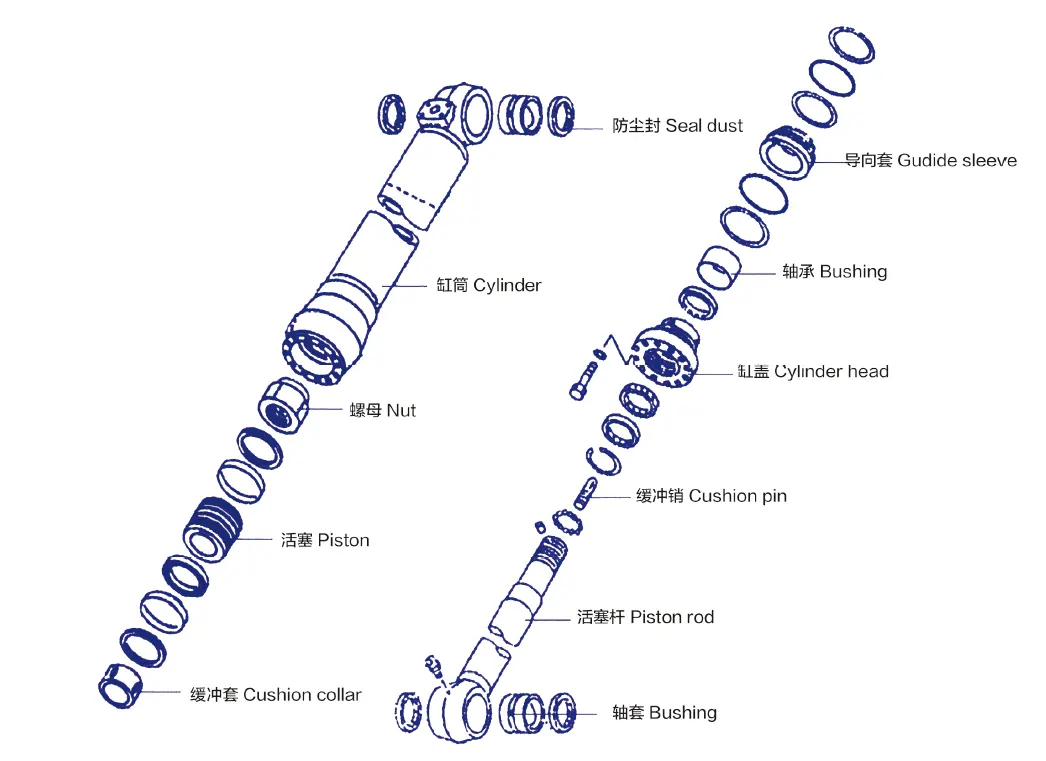
The Arm Cylinder for Komatsu Small Excavator PC75UU is a specially designed hydraulic cylinder that provides linear motion and power to the arm of various machinery, such as excavators, cranes, and robotic arms. The arm cylinder plays a crucial role in hydraulic systems, allowing for efficient movement and control of attached tools or accessories. These cylinders not only ensure smooth motion but also withstand heavy loads, ensuring efficient operation and reliability under various working conditions.
Características
- Transmisión de alta eficiencia: El cilindro del brazo proporciona un potente movimiento lineal y fuerza, lo que garantiza capacidades de alto rendimiento para el brazo mecánico en diversas operaciones.
- Control de precisión: A través del sistema hidráulico, el cilindro del brazo permite un control preciso del movimiento, haciendo que las operaciones con herramientas acopladas sean más flexibles y precisas.
- Durabilidad: Los cilindros de los brazos suelen estar fabricados con materiales de alta resistencia, que ofrecen una excelente resistencia al desgaste y a la corrosión, lo que los hace adecuados para su uso a largo plazo en entornos hostiles.
- Adaptabilidad: These cylinders can be widely applied to various machinery, such as excavators, cranes, and robotic arms, accommodating different working requirements.
- Fácil mantenimiento: Designed with ease of maintenance and replacement in mind, regular inspections and upkeep are made convenient, reducing equipment downtime.

Aplicaciones
The Arm Cylinder for Komatsu Small Excavator PC75UU finds its applications in various industries:
- Ingeniería de la construcción: In excavators and cranes, the arm cylinder controls the movement of buckets or boom arms for earthworks, material handling, and structural installations.
- Fabricación: In automated production lines, the arm cylinder facilitates the motion of robotic arms for assembly, welding, and material handling processes, improving production efficiency and accuracy.
- Maquinaria agrícola: En equipos agrícolas como cosechadoras y sembradoras, el cilindro del brazo controla el movimiento de los brazos operativos para tareas como plantar, fertilizar y cosechar.
- Minería: En los equipos de minería, el cilindro del brazo controla el movimiento del brazo de la maquinaria minera para la extracción y el transporte de mineral.
- Logística y Transporte: En carretillas elevadoras y robots de manipulación, el cilindro del brazo controla la elevación y el movimiento de las horquillas, lo que permite la manipulación y el apilado de materiales.
Consideraciones de diseño y criterios de selección
When designing and selecting the arm cylinder, various factors should be taken into account:
- Capacidad de carga: The arm cylinder should be capable of handling the expected loads and forces in the specific application.
- Caza de focas: Various sealing components such as piston seals and rod seals should be used, employing wear-resistant materials like polyurethane and nitrile rubber. The cylinder body and thread end surface should undergo meticulous treatment to enhance wear resistance.
- Durabilidad: The arm cylinder should be able to withstand the operating conditions and provide long-lasting performance.
- Seguridad: Safety considerations should be incorporated into the design to prevent accidents and ensure operator well-being.
- Mantenibilidad: The design should allow for easy maintenance and servicing, minimizing downtime.

Sellado y lubricación
The arm cylinder utilizes various sealing components, such as piston seals and rod seals, made of wear-resistant materials like polyurethane and nitrile rubber. The cylinder body and thread end surface undergo fine treatment to enhance wear resistance. Regular lubrication with an appropriate amount of hydraulic oil is required to ensure smooth operation.
Inspección regular y mantenimiento preventivo
To maintain the optimal performance of the arm cylinder, regular inspections and preventative maintenance measures should be implemented:
- Inspeccione el cilindro para detectar cualquier signo de fuga, daño o desgaste.
- Check and replace worn seals or other components as necessary.
- Asegúrese de que el cilindro esté bien lubricado.
- Apriete cualquier conexión o accesorio suelto.
- Siga las instrucciones del fabricante en cuanto a intervalos y procedimientos de mantenimiento.
Guía de instalación del producto
La correcta instalación del cilindro del brazo es esencial para un rendimiento óptimo. Siga estos pasos:
- Prepare the mounting surface and ensure it is clean and free from any debris.
- Alinee el cilindro con los orificios de montaje y fíjelo utilizando pernos o sujetadores adecuados.
- Install any necessary hydraulic connections, ensuring proper sealing and tightness.
- Compruebe que el cilindro funciona correctamente antes de ponerlo en pleno uso.

Consideraciones de seguridad y factores ambientales
When using the arm cylinder, adhering to safety measures is of utmost importance. Proper training and understanding of safety protocols should be followed to prevent accidents and ensure a safe working environment. Additionally, considering environmental factors and adhering to relevant regulations and standards is crucial for responsible usage.
Diagnóstico de fallas y problemas comunes
While using the arm cylinder, certain faults and issues may arise. Here are some common ones:
- Fuga de líquido hidráulico de sellos o conexiones.
- Loss of power or inability to generate sufficient force.
- Movimiento irregular o espasmódico del cilindro.
- Ruido excesivo durante el funcionamiento.
- Inaccurate or imprecise control of the attached tool.
To address these issues, follow these troubleshooting tips and solutions:
- Inspect and replace any faulty seals or connections.
- Check the hydraulic system for any issues, such as low fluid levels or pump malfunctions.
- Ensure proper alignment and lubrication of the cylinder.
- Tighten loose fittings or connections.
- If problems persist, consult a professional technician or contact the manufacturer for further assistance.

Recuerda organizar el artículo de forma lógica, usar subtítulos para facilitar la navegación, incorporar imágenes o gráficos relevantes para una mejor comprensión y asegurarte de que el contenido sea claro, conciso y adecuado para lectores con diferentes niveles de conocimiento técnico.
Sobre nosotros
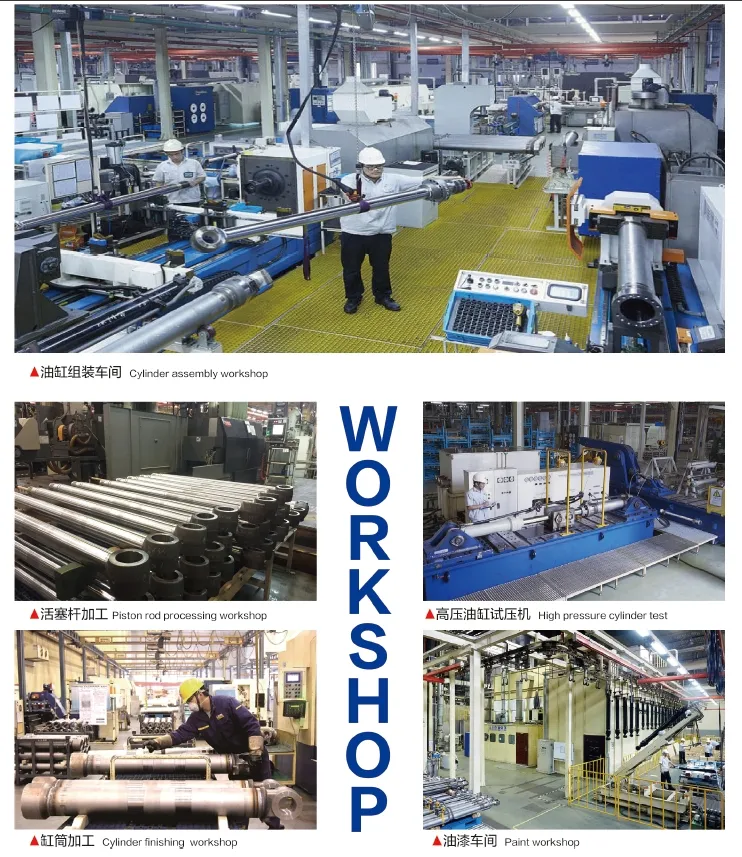
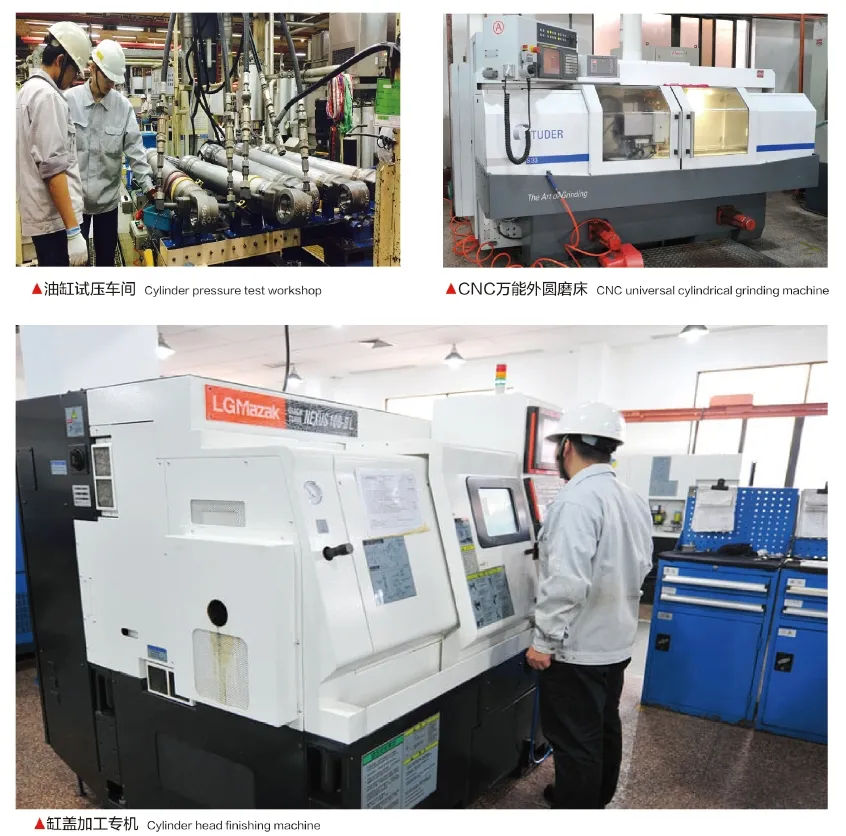
We are a professional manufacturer of replacement hydraulic cylinders, offering a wide range of products. We have become one of the leading manufacturers and wholesale distributors of hydraulic cylinders in domestic and international markets. With a commitment to excellence, we continuously enhance our technical expertise and production efficiency through precision manufacturing and industrialized production management strategies. By introducing advanced digital manufacturing equipment and professional testing systems, we optimize our manufacturing platform and improve our product quality control processes, enabling us with strong innovation capabilities. Our goal is to meet the diverse needs of our customers with efficiency, precision, and high-quality products.
Autor: lyl
Cilindro hidráulico Aplicación:

 ES
ES  EN
EN  PT
PT  DE
DE  FR
FR  IT
IT  AR
AR  ZH
ZH  RU
RU  KO
KO  KA
KA  BG
BG  CS
CS  DA
DA  EL
EL  ET
ET  FI
FI  HU
HU  ID
ID  LT
LT  LV
LV  NB
NB  NL
NL  PL
PL  RO
RO  SK
SK  SL
SL  SV
SV  TR
TR  UK
UK