


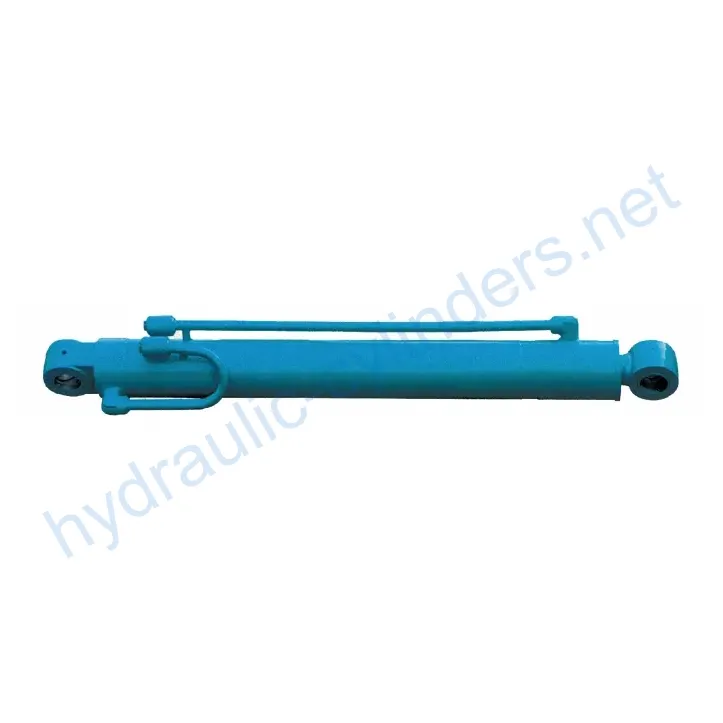
Cilindro de brazo para excavadora de ruedas Case WX188
Arm Cylinder is a specially designed hydraulic cylinder that provides linear motion and power to the arm of various machinery, such as excavators, cranes, and robotic arms. It plays a crucial role in hydraulic systems, enabling efficient movement and control of additional tools or attachments. These cylinders not only ensure smooth motion but also withstand heavy loads, ensuring the efficient operation and reliability of the machinery under various working conditions.
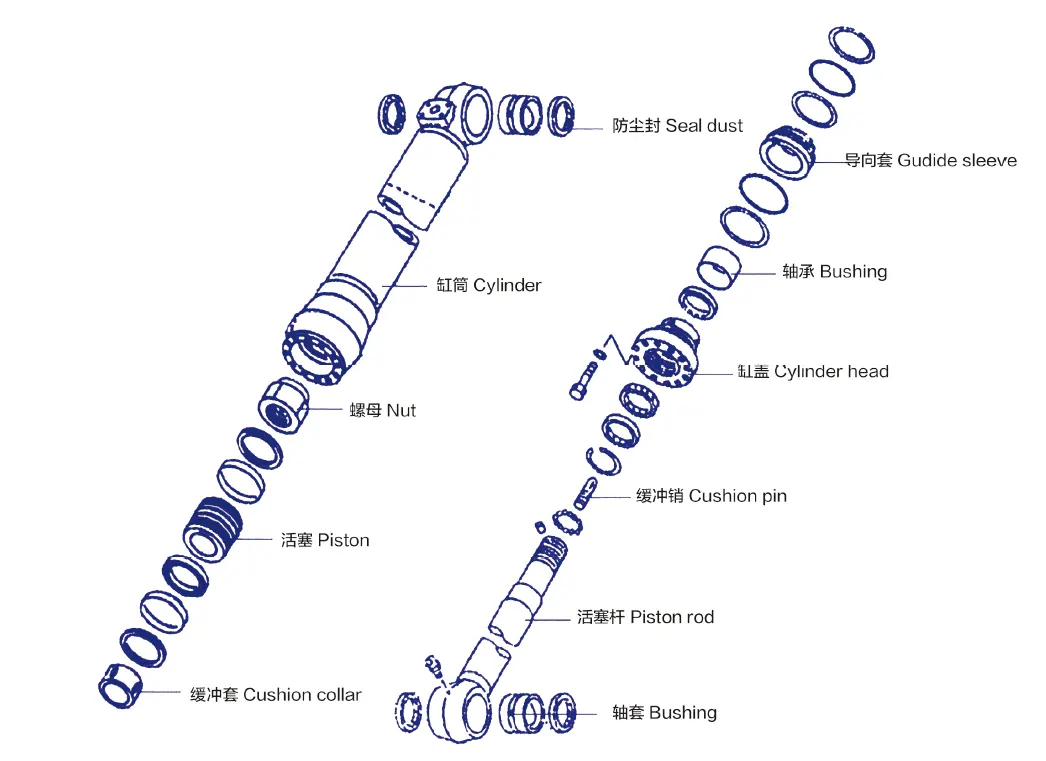

Características del cilindro del brazo
- High-Efficiency Drive: The arm cylinder provides powerful linear motion and force, ensuring high-performance capabilities for the mechanical arm in various operations.
- Control preciso: a través del sistema hidráulico, el cilindro del brazo permite un control preciso del movimiento, haciendo que la operación de herramientas adicionales sea más flexible y precisa.
- Gran durabilidad: Los cilindros de brazo generalmente se fabrican con materiales de alta resistencia, lo que ofrece una excelente resistencia al desgaste y a la corrosión, y son adecuados para uso a largo plazo en entornos hostiles.
- Adaptabilidad multifuncional: estos cilindros se pueden aplicar ampliamente a varios tipos de maquinaria, como excavadoras, grúas y brazos robóticos, adaptándose a diferentes requisitos de trabajo.
- Easy Maintenance: The design considers ease of maintenance and replacement, making regular inspections and upkeep convenient, thus reducing equipment downtime.


Aplicaciones del cilindro de brazo
Los cilindros de brazo encuentran aplicaciones en diversas industrias y sectores:
- Ingeniería de construcción: En excavadoras y grúas, los cilindros del brazo controlan el movimiento de cucharones o plumas para movimiento de tierras, manipulación de materiales e instalación estructural.
- Manufacturing Industry: In automated production lines, arm cylinders enable the motion of robotic arms for processes like assembly, welding, and material handling, enhancing production efficiency and precision.
- Maquinaria agrícola: En equipos agrícolas como cosechadoras y sembradoras, los cilindros de brazo controlan el movimiento de los brazos operativos para tareas como plantar, fertilizar y cosechar.
- Minería: En los equipos de minería, los cilindros de brazo controlan el movimiento del brazo de la maquinaria minera para la extracción y el transporte de mineral.
- Logística y Transporte: En carretillas elevadoras y robots de manipulación, los cilindros de brazo controlan la elevación y el movimiento de las horquillas, facilitando la manipulación y el apilado de materiales.
Consideraciones de diseño y criterios de selección
When designing arm cylinders, several factors and selection criteria are taken into account:
- Load-bearing Capacity: Arm cylinders are designed to withstand specific load requirements, ensuring reliable performance under different operating conditions.
- Sealing: Various sealing components such as piston seals and rod seals are used, made of wear-resistant materials like polyurethane and nitrile rubber. The cylinder body and threaded ends undergo precise processing to improve wear resistance.
- Durability: Arm cylinders are manufactured with high-quality materials and undergo stringent quality control processes, ensuring durability and longevity.
- Safety: Safety features are incorporated into the design to prevent accidents and ensure the safe operation of machinery.
- Maintainability: Considerations for easy maintenance and repair are included in the design, facilitating regular inspections and minimizing downtime.


Sellado y lubricación del cilindro del brazo
To ensure optimal performance and longevity, arm cylinders require proper sealing and lubrication:
- Various sealing components, such as piston seals and rod seals, are used, made of wear-resistant materials like polyurethane and nitrile rubber.
- The cylinder body and threaded ends undergo fine processing to improve wear resistance.
- Regular lubrication with an appropriate amount of hydraulic oil is necessary to maintain smooth operation and prevent excessive wear.
Inspección regular y mantenimiento preventivo
To ensure the continued performance of the arm cylinder, regular inspections and preventive maintenance are essential:
- Inspeccione el cilindro para detectar cualquier signo de fuga, daño o desgaste anormal.
- Compruebe y rellene los niveles de aceite hidráulico según sea necesario.
- Monitor and maintain proper sealing and lubrication.
- Apriete cualquier conexión o accesorio suelto.
- Reemplace rápidamente los sellos o componentes desgastados.
Correct Installation Guide for Arm Cylinder
Proper installation is crucial for the optimal functioning of the arm cylinder:
- Ensure the cylinder is securely mounted to the machinery, following the manufacturer’s guidelines.
- Connect hydraulic hoses properly, making sure all fittings are tight and leak-free.
- Check for proper alignment and positioning of the cylinder.
- Verify that the hydraulic system is correctly configured for the cylinder’s operation.


Consideraciones de seguridad y factores ambientales
When using arm cylinders, safety measures are of utmost importance to prevent accidents and ensure a safe working environment. Proper training and adherence to safety protocols are essential to minimize risks.
Diagnóstico de fallas y problemas comunes
In case of issues with the arm cylinder, understanding common problems and their diagnosis is crucial:
- Leakage: Inspect and identify the source of leakage, checking for damaged seals or fittings.
- Slow or Erratic Movement: Check for hydraulic system issues, such as low fluid levels or clogged filters.
- Excessive Noise or Vibration: Examine the cylinder for loose components or signs of wear.
- Insufficient Force: Verify that the hydraulic system is correctly pressurized and functioning.
- Inconsistent Operation: Evaluate the cylinder for any alignment or positioning issues.
For troubleshooting and resolving these problems, consult the manufacturer’s guidelines or seek professional assistance. Regular maintenance and following preventive measures can help minimize potential issues.


Remember to organize the article logically, using subheadings for easy navigation. Incorporate relevant images or charts to enhance understanding and ensure the content is clear, concise, and suitable for readers with varying levels of technical knowledge.
Autor: lyl
Acerca de nuestra empresa
We are a professional manufacturer of replacement hydraulic cylinders, offering a wide range of products. As one of the leading manufacturers and wholesale distributors of hydraulic cylinders in both domestic and international markets, we uphold the principle of excellence in quality.
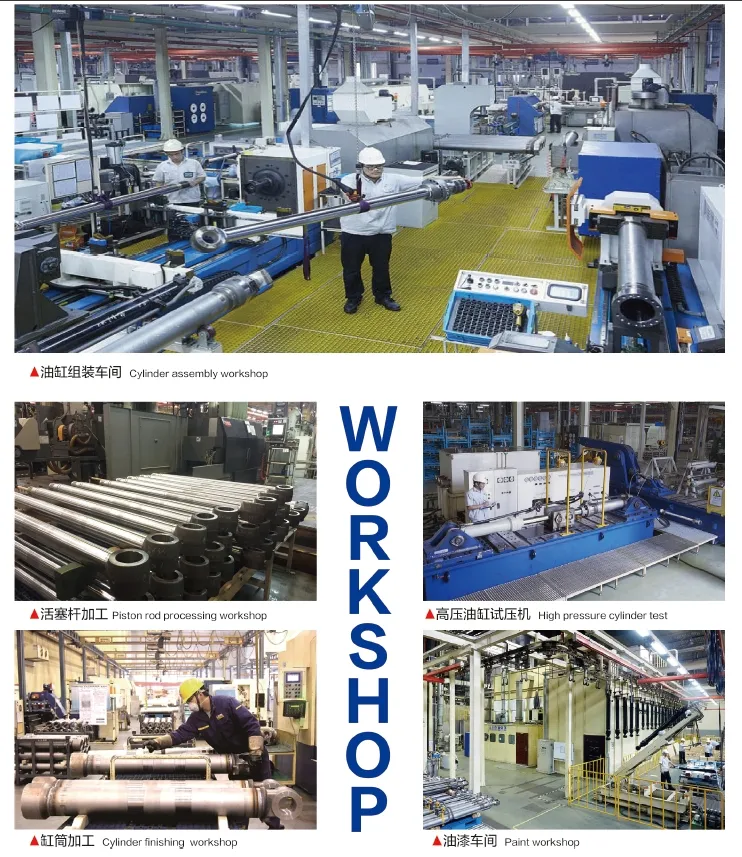
Supported by an industrialized production management strategy and a refined manufacturing workshop, we continuously improve our technological capabilities and production efficiency. Through the introduction of high-end digital manufacturing equipment and professional testing systems, we optimize our manufacturing platform and enhance product quality control processes, demonstrating strong innovative capabilities.
Our goal is to meet the diverse needs of our customers with principles of efficiency, precision, and high quality. We provide professional expertise, international certifications, customized services, advanced production equipment, and comprehensive after-sales services.

Autor: lyl