


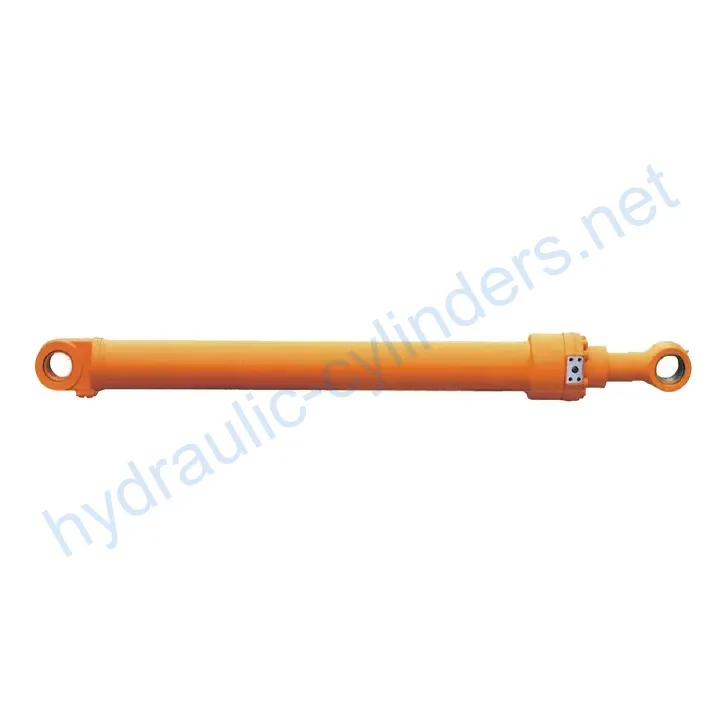
Arm Cylinder For Yanmar SV100
Definición del producto
The Arm Cylinder for Yanmar SV100 is a specially designed hydraulic cylinder that provides linear motion and power to the arm of various machinery, such as excavators, cranes, and robotic arms. The arm cylinder plays a crucial role in hydraulic systems, allowing for efficient movement and control of additional tools or attachments. These cylinders not only ensure smooth motion but also withstand heavy loads, ensuring efficient operation and reliability of the machinery under various working conditions.
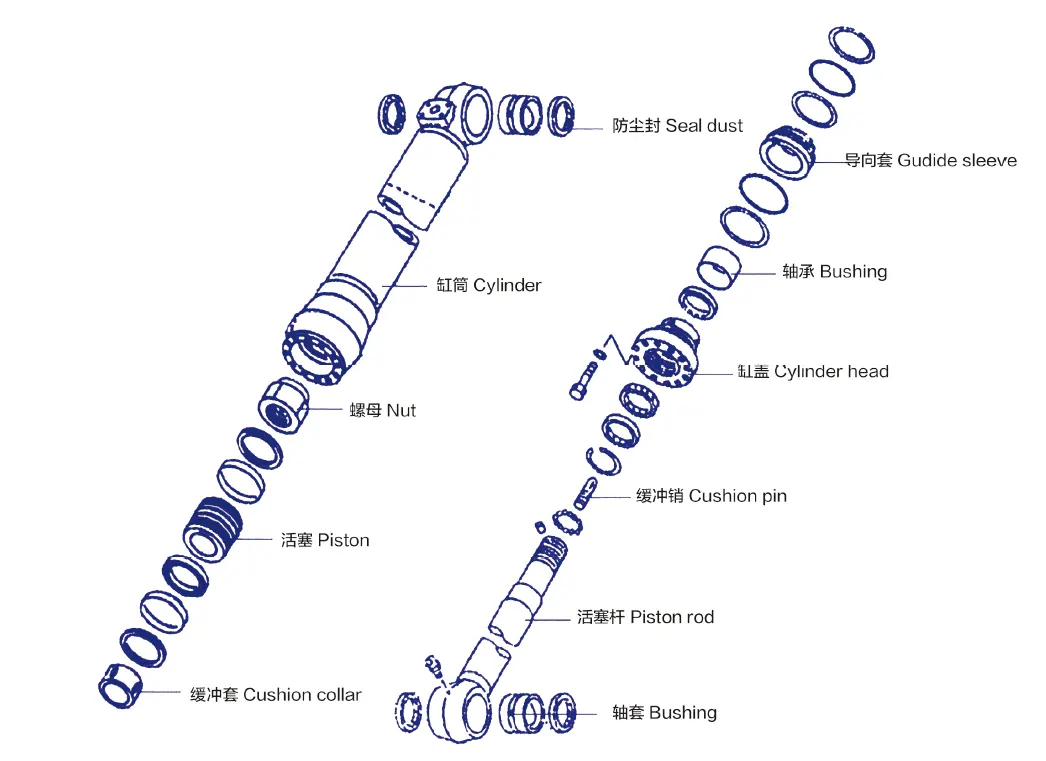

Características del producto
-
Transmisión de alta eficiencia
El cilindro del brazo proporciona un potente movimiento y fuerza lineal, lo que garantiza capacidades de alto rendimiento para el brazo robótico en diversas operaciones.
-
Control preciso
Through the hydraulic system, the arm cylinder enables precise motion control, making operations of the additional tools more flexible and accurate.
-
Durabilidad
El cilindro del brazo generalmente se fabrica con materiales de alta resistencia, lo que ofrece una excelente resistencia al desgaste y a la corrosión, lo que lo hace adecuado para uso a largo plazo en entornos hostiles.
-
Adaptabilidad multifuncional
These cylinders can be widely used in various machinery equipment, such as excavators, cranes, and robotic arms, catering to different operational needs.
-
Fácil mantenimiento
Designed with consideration for easy maintenance and replacement, the arm cylinders facilitate convenient regular inspections and maintenance, reducing equipment downtime.


Escenarios de aplicación
-
Ingeniería de la construcción
En excavadoras y grúas, el cilindro del brazo controla el movimiento del cucharón o la pluma para movimiento de tierras, manipulación de materiales e instalación estructural.
-
Industria manufacturera
In automated production lines, the arm cylinder is used for the motion of robotic arms in assembly, welding, and handling processes, improving production efficiency and precision.
-
Maquinaria agrícola
En maquinaria agrícola como cosechadoras y sembradoras, el cilindro del brazo controla el movimiento de los brazos operativos para tareas como la siembra, la fertilización y la cosecha.
-
Minería
En los equipos de minería, el cilindro del brazo controla el movimiento del brazo de la maquinaria minera para la extracción y el transporte de mineral.
-
Logística y Transporte
En las carretillas elevadoras y los robots de manipulación, el cilindro del brazo se utiliza para controlar la elevación y el movimiento de las horquillas, lo que permite la manipulación y el apilamiento de materiales.
Consideraciones de diseño y criterios de selección
Capacidad de carga
The arm cylinder is designed to withstand various loads and forces, ensuring safe and efficient operation without structural failure.
Caza de focas
Various sealing elements, such as piston seals and rod seals, are used to prevent hydraulic fluid leakage and maintain optimal performance. These seals are made of wear-resistant materials like polyurethane and nitrile rubber.
Durabilidad
The cylinder body and threaded ends are finely processed to enhance wear resistance. The materials used are selected for their durability and ability to withstand harsh conditions.
Seguridad
Design considerations prioritize safety features such as pressure relief valves and emergency stop mechanisms to ensure the protection of operators and machinery.
Mantenibilidad
The design of the arm cylinder takes into account ease of maintenance and replacement, making regular inspections and servicing convenient and reducing downtime.


Sellado y lubricación
Various sealing components, such as piston seals and rod seals, are used in the arm cylinder to prevent hydraulic fluid leakage. These components are made of wear-resistant materials such as polyurethane and nitrile rubber. The cylinder body and threaded ends are finely processed to improve wear resistance. Regular lubrication with the appropriate amount of hydraulic oil is required to ensure smooth operation.
Inspección regular y mantenimiento preventivo
-
Perform visual inspections regularly
Check for any signs of leakage, damage, or wear, and take appropriate action if necessary.
-
Clean the cylinder and its components
Remove any dirt or debris that may affect the performance and lifespan of the arm cylinder.
-
Monitor fluid levels
Ensure an adequate supply of hydraulic oil and check for any contamination.
-
Apretar las conexiones sueltas
Inspect and tighten any loose fittings, bolts, or nuts to maintain the stability and integrity of the arm cylinder.
-
Follow manufacturer’s maintenance schedule
Adhere to the recommended maintenance intervals and procedures provided by the manufacturer to ensure optimal performance and longevity.


Guía de instalación del producto
Proper installation of the arm cylinder is crucial to ensure its functionality and longevity. Follow the steps below:
- Prepare el área de montaje y asegúrese de que esté limpia y libre de residuos.
- Coloque el cilindro del brazo en la ubicación deseada y alinéelo con los puntos de montaje.
- Fije el cilindro de forma segura utilizando los pernos y accesorios adecuados.
- Conecte las mangueras hidráulicas al cilindro, asegurándose de que estén correctamente alineadas y ajustadas.
- Check for any leaks or abnormalities in the hydraulic system before operation.


Consideraciones de seguridad y factores ambientales
When using the arm cylinder, it is essential to prioritize safety measures to prevent accidents and ensure the well-being of operators. Adhering to safety protocols and providing adequate training to personnel handling the equipment is crucial. Additionally, considering environmental factors, such as proper waste disposal of hydraulic fluids and adherence to environmental regulations, is essential to minimize any negative impact on the environment.
Solución de problemas y problemas comunes
Common issues with the arm cylinder may include:
- Fuga de fluido hidráulico
- Reduced or uneven arm movement
- Ruido excesivo durante el funcionamiento
- Unresponsive controls
- Increased resistance or stiffness
Para abordar estos problemas:
- Check for any damaged seals or fittings and replace them if necessary.
- Inspect the hydraulic lines for any blockages or leaks and address them accordingly.
- Ensure proper hydraulic fluid levels and replace or refill as needed.
- Inspect control valves and connections for any malfunctions or damage.
- Clean and lubricate moving parts to reduce resistance and stiffness.
By following these troubleshooting steps and implementing preventive