

Bomba hidráulica de desplazamiento variable de pistones axiales serie HP3V
Como cilindros hidráulicos uno de los fabricantes, los surtidores y los exportadores de productos mecánicos, ofrecemos cilindros hidráulicos y muchos otros productos.
Póngase en contacto con nosotros para más información.
Correo:sales@hydraulic-cylinders.net
Fabricante proveedor exportador de cilindros hidráulicos.
Bomba hidráulica de desplazamiento variable de pistones axiales serie HP3V
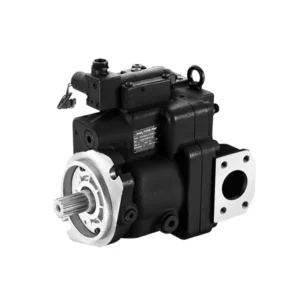
The HP3V series axial piston variable displacement hydraulic pump is a game-changer in hydraulic systems. This pump is designed with precision engineering and cutting-edge technology and delivers superior efficiency and performance, making it an indispensable component for various industrial applications. This comprehensive article will explore the key characteristics, usage methods, and maintenance guidelines for the HP3V axial piston variable displacement hydraulic pump.
The HP3V series axial piston variable displacement hydraulic pump is a powerhouse that delivers unmatched efficiency and performance in hydraulic systems. With its variable displacement technology, compact design, and quiet operation, this pump is a reliable and precise solution for various industrial applications. By following the recommended usage methods and adhering to regular maintenance practices, the HP3V series pump will continue to provide exceptional performance, contributing to the success of various hydraulic systems. Embrace the power of efficiency and performance with the HP3V series axial piston variable displacement hydraulic pump and unlock the full potential of your hydraulic system.
HP3V Series Axial Piston Variable Displacement Hydraulic Pump Key Characteristics:
- Variable Displacement Technology: The HP3V series pump has advanced variable displacement technology, allowing it to adjust the output volume based on system requirements. This feature maximizes energy efficiency, reduces heat generation, and optimizes overall system performance.
- Unparalleled Efficiency: The HP3V series pump achieves exceptional efficiency with its innovative axial piston design. It provides precise hydraulic power, ensuring smooth operation and enabling the handling of high-pressure applications with ease.
- Compact Design: The pump’s compact design optimizes space utilization in hydraulic systems. Its small footprint enables easy integration, even in tight spaces, without compromising performance or functionality.
- Quiet Operation: Noise reduction features incorporated into the HP3V series pump ensure quiet operation in diverse industrial environments. This characteristic is precious in applications that require low noise levels, promoting a comfortable and productive work environment.
HP3V Series Axial Piston Variable Displacement Hydraulic Pump Parameter:
| Tamaño | Desplazamiento cc/rev | Barra de presión | Velocidad de rotación r/min | ||
| Calificado | Cima | Máx. para autocebado*1 | Máximo*2 | ||
| HP3V80 | 80 | 320 | 350 | 2400 | 3000 |
| HP3V140 | 140 | 350 | 400 | 2150 | 2500 |
HP3V Series Axial Piston Variable Displacement Hydraulic Pump Advantages:
• Applied in open circuit medium and high pressure applications
• High continuous pressure
• Good self-priming properties
• High reliability
• High power to weight ratio
• Múltiples métodos de control
• Fast response
• Low pressure pulse
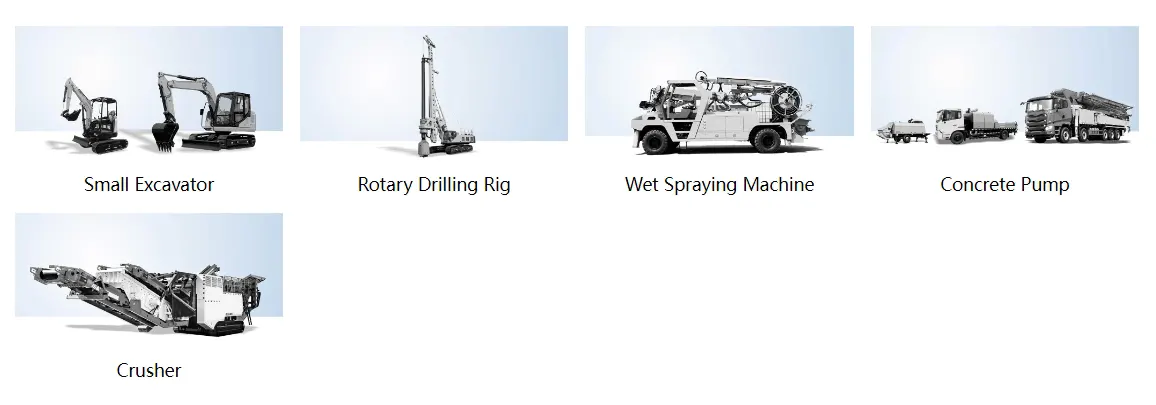
Bomba hidráulica de desplazamiento variable de pistones axiales serie HP3V Solicitud:
Método de uso de la bomba hidráulica de desplazamiento variable de pistones axiales serie HP3V:
- Instalación de la bomba: Install the HP3V series axial piston variable displacement hydraulic pump in the designated location within the hydraulic system. Refer to the manufacturer’s guidelines and specifications for proper alignment and secure attachment to the system’s structure using suitable mounting brackets or accessories.
- Integración de sistemas hidráulicos: Conecte la bomba al sistema hidráulico mediante mangueras, accesorios y válvulas compatibles. Asegúrese de que todas las conexiones estén seguras, sin fugas y correctamente apretadas para garantizar un rendimiento hidráulico óptimo.
- Compatibilidad de fluidos: Verify that the hydraulic fluid used in the system is compatible with the HP3V series pump. Refer to the manufacturer’s recommendations for the appropriate fluid type, viscosity, and temperature range. Regularly monitor and maintain the hydraulic fluid to ensure proper pump operation and longevity.
- Parámetros operativos: Familiarícese con las opciones de control de la bomba y ajuste los parámetros de funcionamiento según los requisitos específicos del sistema hidráulico. Supervise y modifique la configuración de desplazamiento de la bomba para optimizar el rendimiento y la eficiencia energética.
¿Cómo quitar la tapa del extremo del cilindro hidráulico?
To remove the end cap of a hydraulic cylinder, follow these steps:
- Prepare for the Task:
- Asegúrese de que el sistema hidráulico esté despresurizado y desconectado.
- Clean the exterior of the cylinder to prevent debris from entering during the process.
- Coloque el cilindro sobre una superficie de trabajo estable y sujételo con abrazaderas o un tornillo de banco.
- Identify Retaining Mechanisms:
- Inspect the cylinder to determine the retaining mechanism used on the end cap. It could be bolts, threaded connections, snap rings, or retaining rings.
- Remove Bolts or Fasteners:
- If the end cap is secured with bolts, use an appropriate wrench or socket to loosen and remove them.
- Ensure you have suitable access to all the bolts and remove them evenly, avoiding any damage to the cylinder or end cap.
- Loosen Threaded Connections:
- For threaded connections, use a wrench or spanner to loosen the relationship between the end cap and the cylinder body.
- Apply gentle but consistent force in a counterclockwise direction to loosen the threads.
- Once loosened, continue turning the end cap by hand until it can be entirely removed.
- Remove Snap Rings or Retaining Rings:
- If the end cap is secured with snap rings or retaining rings, use snap ring pliers or retaining ring pliers to remove the rings carefully.
- Insert the pliers into the ring’s ends and squeeze the handles to compress the ring, allowing it to be pulled out of its groove.
- Take caution not to damage the cylinder or end cap during this process.
- Separate the End Cap:
- Once all retaining mechanisms are removed, gently tap the end cap with a rubber mallet or a soft-faced hammer to loosen it from the cylinder body.
- Apply even force around the circumference of the end cap to prevent it from binding or becoming stuck.
- Inspeccionar y limpiar:
- Once the end cap is removed, inspect the sealing surfaces, O-rings, and internal components for any damage or wear.
- Clean the end cap, cylinder body, and all related components using a lint-free cloth or a suitable solvent to remove any contaminants or debris.
Capacidad de la fábrica:
(1) Montaje
Contamos con una plataforma de ensamblaje independiente de primera clase para investigación y desarrollo. El taller de producción de cilindros hidráulicos cuenta con cuatro líneas de ensamblaje de cilindros de elevación semiautomáticos y una línea de ensamblaje de cilindros de inclinación automáticos, con una capacidad de producción anual diseñada de 1 millón de piezas. El taller de cilindros especiales está equipado con un sistema de ensamblaje de limpieza semiautomático de diversas especificaciones, con una capacidad de producción anual diseñada de 200,000 unidades, y está equipado con reconocidos equipos de mecanizado CNC, un centro de mecanizado, equipos especiales de procesamiento de cilindros de alta precisión, una máquina de soldadura robotizada, una máquina de limpieza automática, una máquina de ensamblaje de cilindros automáticos y una línea de producción de pintura automática. Contamos con más de 300 equipos críticos. La asignación óptima y el uso eficiente de los recursos de equipo garantizan la precisión y la alta calidad de los productos.


(2) Mecanizado
El taller de mecanizado está equipado con un centro de torneado de carril inclinado personalizado, un centro de mecanizado, una máquina de bruñido de alta velocidad, un robot de soldadura y otros equipos relacionados, que pueden procesar tubos cilíndricos con un diámetro interior máximo de 400 mm y una longitud máxima de 6 metros.

(3) Soldadura

(4) Pintura y revestimiento
Con pequeñas y medianas líneas de cilindros automáticos de recubrimiento de pintura a base de agua, para lograr la carga y descarga automática de robots y pulverización automática, la capacidad de diseño de 4000 piezas por turno;
También disponemos de una línea semiautomática de producción de pintura para grandes cilindros accionada por cadena, con una capacidad de diseño de 60 cajas por turno.


(5) Pruebas
Disponemos de instalaciones de inspección y bancos de pruebas de primera clase para garantizar que el rendimiento del cilindro cumple los requisitos.

Somos uno de los mejores fabricantes de cilindros hidráulicos. Ofrecemos cilindros hidráulicos integrales. También proporcionamos... cajas de cambios agrícolasHemos exportado nuestros productos a clientes de todo el mundo y nos hemos ganado una excelente reputación gracias a nuestra excelente calidad y servicio posventa. Invitamos a clientes nacionales e internacionales a contactarnos para negociar negocios, intercambiar información y... colabore con nosotros!
Cilindro hidráulico Aplicación:

 ES
ES  EN
EN  PT
PT  DE
DE  FR
FR  IT
IT  AR
AR  ZH
ZH  RU
RU  KO
KO  KA
KA  BG
BG  CS
CS  DA
DA  EL
EL  ET
ET  FI
FI  HU
HU  ID
ID  LT
LT  LV
LV  NB
NB  NL
NL  PL
PL  RO
RO  SK
SK  SL
SL  SV
SV  TR
TR  UK
UK