
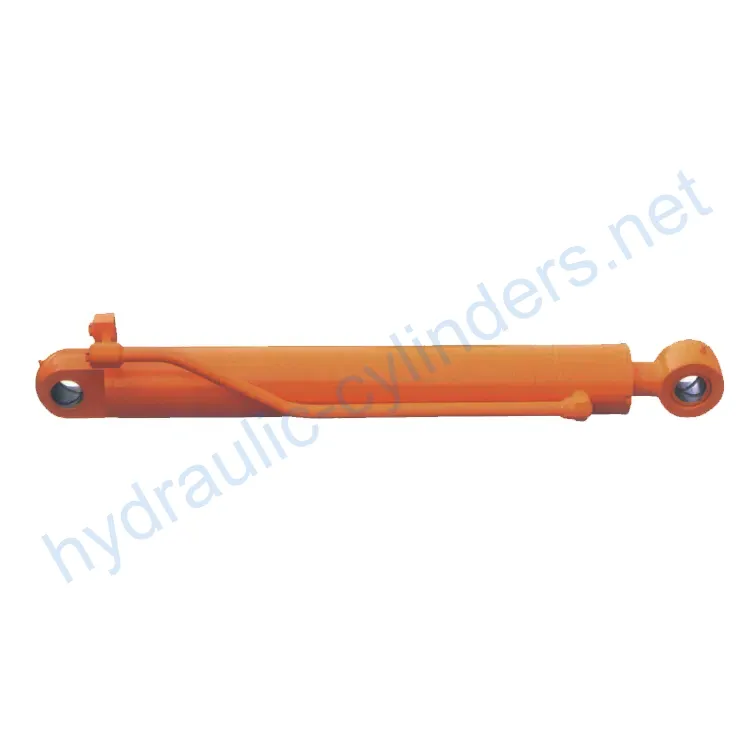
Cilindro de brazo para excavadora pequeña Jonyang JY6085
Como cilindros hidráulicos uno de los fabricantes, los surtidores y los exportadores de productos mecánicos, ofrecemos cilindros hidráulicos y muchos otros productos.
Póngase en contacto con nosotros para más información.
Correo:sales@hydraulic-cylinders.net
Fabricante proveedor exportador de cilindros hidráulicos.
Cilindro de brazo para excavadora pequeña Jonyang JY6085
Introducción
The arm cylinder is a specially designed hydraulic cylinder that provides linear motion and power to the arms of various machinery, such as excavators, cranes, and robotic arms. The arm cylinder plays a crucial role in hydraulic systems, allowing for efficient movement and control of additional tools or attachments. These cylinders not only provide smooth motion but also withstand heavy loads, ensuring efficient operation and reliability of the machinery under various working conditions.
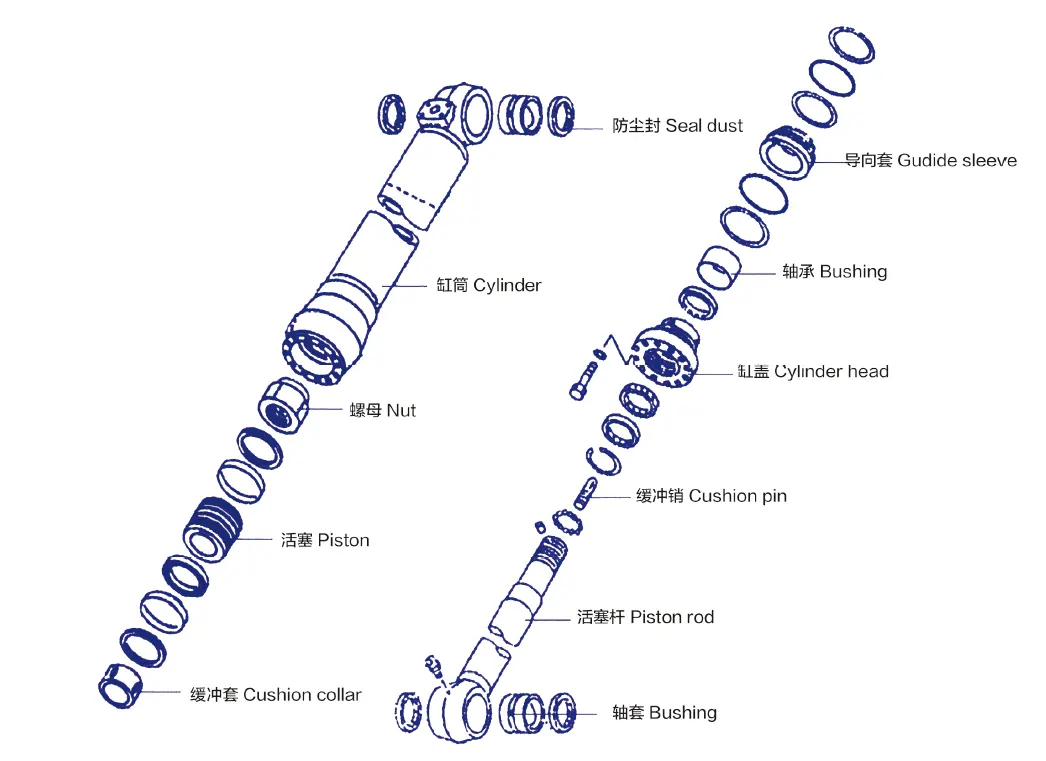
Características
- Transmisión de alta eficiencia: El cilindro del brazo proporciona un potente movimiento y fuerza lineal, lo que garantiza capacidades de alto rendimiento para el brazo robótico en diversas operaciones.
- Control de precisión: A través del sistema hidráulico, el cilindro del brazo permite un control preciso del movimiento, haciendo que la operación de las herramientas acopladas sea más flexible y precisa.
- Durabilidad: Los cilindros de los brazos se fabrican normalmente con materiales de alta resistencia, que ofrecen una excelente resistencia al desgaste y a la corrosión, lo que los hace adecuados para su uso a largo plazo en entornos hostiles.
- Adaptabilidad multifuncional: Estos cilindros pueden aplicarse ampliamente a diversos tipos de maquinaria, como excavadoras, grúas y brazos robóticos, adaptándose a diferentes requisitos de trabajo.
- Fácil mantenimiento: Designed with ease of maintenance and replacement in mind, the arm cylinders facilitate convenient regular inspections and maintenance, minimizing equipment downtime.

Aplicaciones
El cilindro del brazo encuentra aplicaciones en diversas industrias:
- Ingeniería de la construcción: Used in excavators and cranes, arm cylinders control the movement of buckets or booms for earthworks, material handling, and structural installations.
- Fabricación: In automated production lines, arm cylinders enable the movement of robotic arms for processes such as assembly, welding, and handling, enhancing production efficiency and precision.
- Maquinaria agrícola: En maquinaria agrícola, como cosechadoras y sembradoras, los cilindros de brazo controlan el movimiento de los brazos operativos para tareas como sembrar, fertilizar y cosechar.
- Minería: En los equipos de minería, los cilindros de brazo controlan el movimiento del brazo de la maquinaria minera para la extracción y el transporte de mineral.
- Logística y Transporte: En las carretillas elevadoras y los robots de manipulación, los cilindros de los brazos controlan la elevación y el movimiento de las horquillas, lo que permite la manipulación y el apilamiento de materiales.
Consideraciones de diseño y criterios de selección
When it comes to the design of arm cylinders, several key considerations and selection criteria should be taken into account:
- Capacidad de carga: The arm cylinder should be designed to withstand the specific load requirements of the machinery it will be used with.
- Caza de focas: Various sealing elements, such as piston seals and rod seals, made of wear-resistant materials like polyurethane and nitrile rubber, should be utilized to ensure effective sealing performance.
- Durabilidad: The cylinder body and threaded ends should undergo meticulous surface treatment to enhance wear resistance, prolonging the lifespan of the cylinder.
- Seguridad: Safety measures, such as pressure relief valves and emergency stop systems, should be incorporated to ensure safe operation and protect against potential hazards.
- Mantenibilidad: Easy access to components and the provision of clear maintenance instructions should be considered in the design to facilitate regular maintenance and minimize downtime.

Sellado y lubricación
To ensure optimal performance, arm cylinders utilize various sealing components, such as piston seals and rod seals, made from materials like polyurethane and nitrile rubber. The cylinder body and threaded ends undergo precise surface treatment to improve wear resistance. Regular lubrication with appropriate hydraulic oil is necessary to maintain smooth operation and prevent premature wear and damage.
Inspección regular y mantenimiento preventivo
To ensure the longevity and reliability of the arm cylinder, regular inspections and preventive maintenance are crucial. The following measures should be taken:
- Inspeccione el cilindro para detectar cualquier signo de fuga, daño o desgaste anormal.
- Check and tighten all connections to prevent loosening and potential leaks.
- Clean the cylinder and its components to remove dirt, debris, and contaminants.
- Monitorear los niveles y la calidad del fluido hidráulico, reponiéndolo o reemplazándolo según sea necesario.
- Siga el programa de mantenimiento y las directrices recomendadas por el fabricante.
Instalación correcta del producto
Proper installation of the arm cylinder is essential for optimal performance and safety. Follow these guidelines:
- Ensure the mounting surface is clean, flat, and free from deformations.
- Use appropriate tools and equipment to secure the cylinder in place.
- Tighten all fasteners according to the manufacturer’s specified torque values.
- Verify that all hydraulic connections are properly sealed and free from leaks.
- Follow the recommended bleeding procedures to remove air from the hydraulic system.

Consideraciones de seguridad y factores ambientales
When working with arm cylinders, it is crucial to prioritize safety measures. Proper training, adherence to safety guidelines, and the use of personal protective equipment are essential. Environmental factors, such as temperature, humidity, and chemical exposure, should also be considered to ensure the longevity and performance of the arm cylinder.
Solución de problemas y problemas comunes
Some common issues that may arise with arm cylinders include leakage, insufficient power, and erratic movement. To diagnose and resolve these problems effectively, consider the following:
- Inspect all seals and connections for any signs of leakage.
- Compruebe el nivel y la calidad del líquido hidráulico, asegurándose de que se encuentre dentro del rango recomendado.
- Verifique que el sistema hidráulico esté correctamente presurizado.
- Inspeccione los componentes del cilindro para detectar cualquier signo de daño o desgaste.
- Consulte la guía de solución de problemas del fabricante o busque asistencia profesional si es necesario.

By following these troubleshooting tips, you can effectively diagnose and resolve issues with the arm cylinder, minimizing downtime and optimizing performance.
Sobre nosotros
We are a professional manufacturer of replacement hydraulic cylinders, offering a wide range of products. We have become one of the leading hydraulic cylinder manufacturers and wholesale distributors in both domestic and international markets. With a commitment to excellence, we continually enhance our technical expertise and production efficiency through the implementation of advanced manufacturing facilities and professional testing systems. Our goal is to meet the diverse needs of customers with principles of efficiency, precision, and high quality.
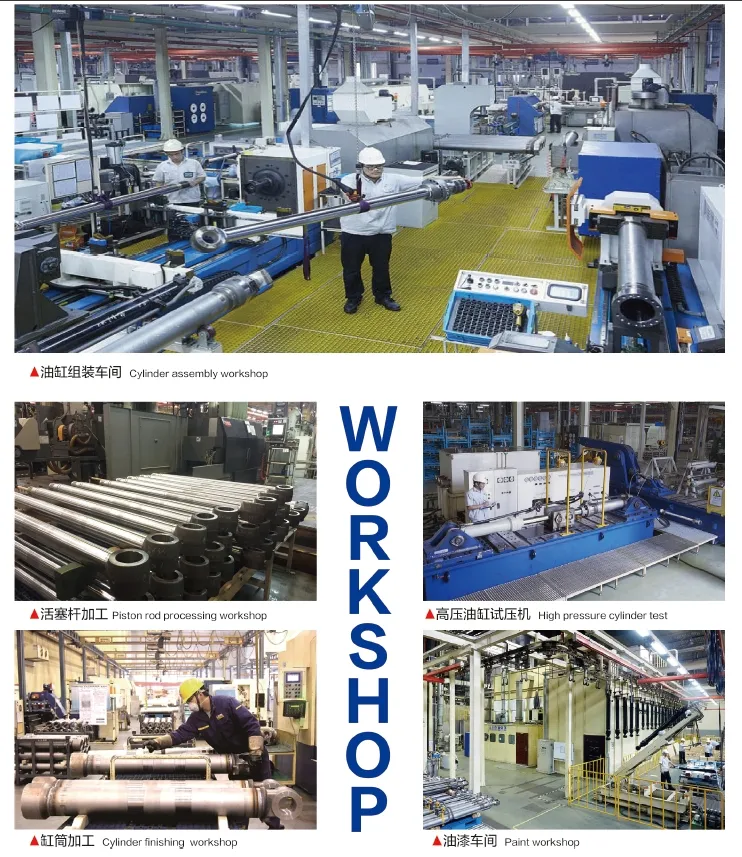
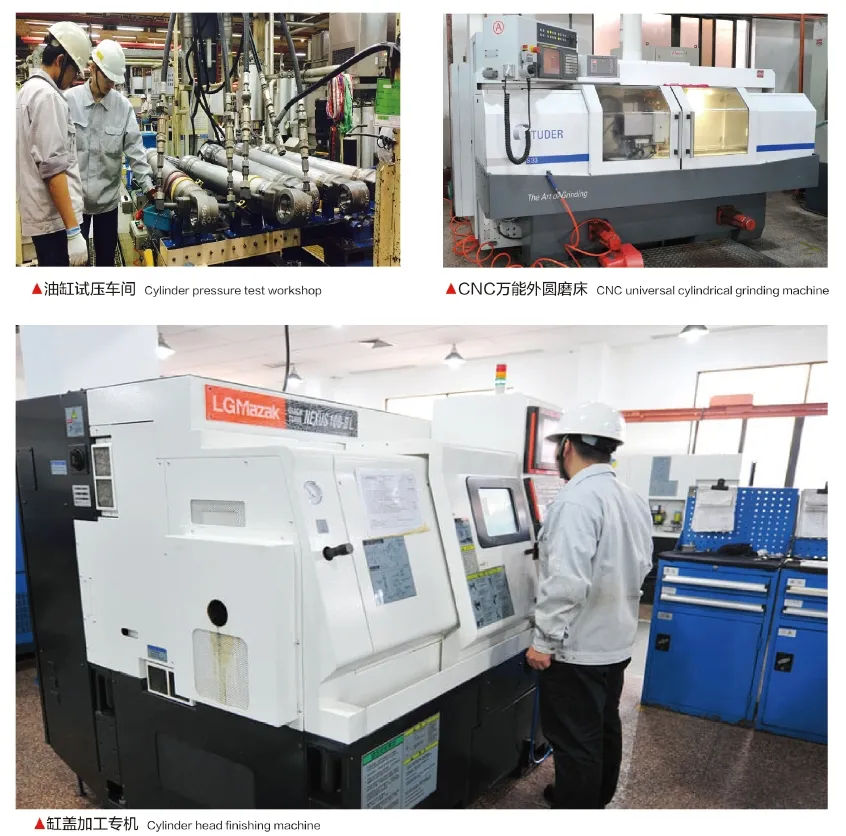
Our company takes pride in our professionalism, international certifications, customized services, state-of-the-art production equipment, and excellent after-sales service. We strive to deliver customer satisfaction by providing innovative solutions and catering to various industry demands.
Autor: lyl
Cilindro hidráulico Aplicación:

 ES
ES  EN
EN  PT
PT  DE
DE  FR
FR  IT
IT  AR
AR  ZH
ZH  RU
RU  KO
KO  KA
KA  BG
BG  CS
CS  DA
DA  EL
EL  ET
ET  FI
FI  HU
HU  ID
ID  LT
LT  LV
LV  NB
NB  NL
NL  PL
PL  RO
RO  SK
SK  SL
SL  SV
SV  TR
TR  UK
UK