


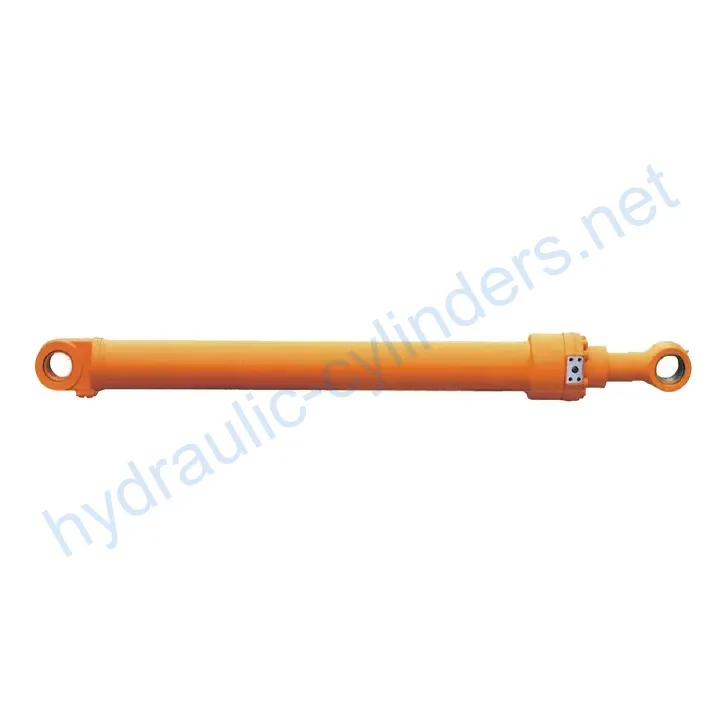
Arm Cylinder For XCMG Small Excavator XE135B
Introducción
The arm cylinder, also known as a hydraulic cylinder, is a specialized component designed to provide linear motion and power to the arm of various types of machinery, such as excavators, cranes, and robotic arms. It plays a crucial role in hydraulic systems, allowing for the efficient movement and control of additional tools or attachments. These cylinders not only ensure smooth motion but also have the ability to withstand heavy loads, ensuring high operational efficiency and reliability in various working conditions.
Definición y explicación
The arm cylinder is an essential hydraulic component that enables the linear movement of the arm in machinery. It is responsible for providing power and control to the arm, allowing for precise operations and efficient performance. These cylinders are designed to withstand high pressure and loads, making them suitable for heavy-duty applications. They are made from high-strength materials to ensure durability, wear resistance, and corrosion resistance. With their versatility and adaptability, arm cylinders can be widely used in a variety of machinery, including excavators, cranes, and robotic arms, to meet different working requirements. The design of these cylinders also takes into consideration easy maintenance and replacement, reducing equipment downtime.
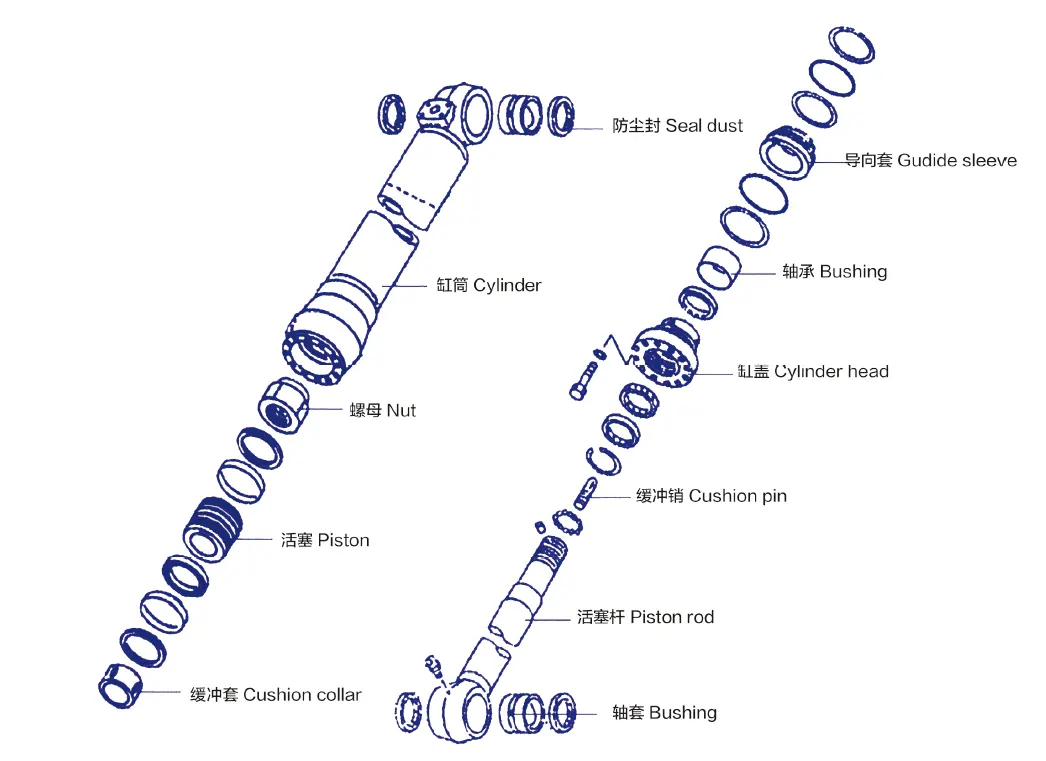

Características
- Transmisión de alta eficiencia: The arm cylinder provides powerful linear motion and force, ensuring high efficiency and performance of the machinery arm.
- Control preciso: A través del sistema hidráulico, el cilindro del brazo permite un control preciso del movimiento, haciendo que la operación de las herramientas acopladas sea más flexible y precisa.
- Fuerte durabilidad: Los cilindros de brazo generalmente están hechos de materiales de alta resistencia, lo que ofrece una excelente resistencia al desgaste y a la corrosión y es adecuado para uso a largo plazo en entornos hostiles.
- Adaptabilidad multifuncional: These cylinders can be widely used in various machinery, such as excavators, cranes, and robotic arms, to accommodate different working requirements.
- Fácil mantenimiento: The design of arm cylinders considers ease of maintenance and replacement, making regular inspection and upkeep convenient and reducing equipment downtime.


Aplicaciones
El cilindro de brazo encuentra su aplicación en diversas industrias:
- Ingeniería de la construcción: En excavadoras y grúas, el cilindro del brazo controla el movimiento del cucharón o la pluma para movimiento de tierras, manipulación de materiales e instalación estructural.
- Fabricación: In automated production lines, the arm cylinder facilitates the movement of robotic arms for assembly, welding, and material handling processes, improving production efficiency and precision.
- Maquinaria agrícola: In agricultural machinery like harvesters and seeders, the arm cylinder controls the movement of the operating arm for tasks such as seeding, fertilizing, and harvesting.
- Minería: In mining equipment, the arm cylinder controls the arm movement for mining and transporting ores.
- Logística y Transporte: En carretillas elevadoras y robots de manipulación, el cilindro del brazo controla la elevación y el movimiento de las horquillas, lo que permite la manipulación y el apilado de materiales.
Consideraciones de diseño y criterios de selección
When it comes to designing and selecting arm cylinders, several factors need to be considered:
- Capacidad de carga: The arm cylinder should be capable of handling the intended loads and pressures to ensure safe and efficient operation.
- Caza de focas: Various sealing elements like piston seals and rod seals should be used to ensure effective sealing, preventing leakage and maintaining optimal performance. These seals are often made of durable materials like polyurethane and nitrile rubber.
- Durabilidad: The arm cylinder should be constructed from high-quality materials to ensure durability and resistance to wear and corrosion. The cylinder head and threaded ends undergo fine processing to enhance wear resistance.
- Seguridad: Safety considerations should be incorporated into the design of the arm cylinder to prevent accidents and ensure operator protection during operation.
- Mantenibilidad: The arm cylinder design should allow for easy maintenance and servicing, enabling quick inspections and replacements when necessary.


Sellado y lubricación
The arm cylinders utilize various sealing components to ensure optimal performance:
- Piston seals, rod seals, and other types of seals are used to provide effective sealing and prevent leakage.
- These seals are made from wear-resistant materials such as polyurethane and nitrile rubber.
- The cylinder body and threaded ends undergo fine processing to enhance wear resistance.
- Regular lubrication with an appropriate amount of hydraulic oil helps maintain smooth operation and prolong the lifespan of the arm cylinder.
Inspección regular y mantenimiento preventivo
To ensure the proper functioning and longevity of the arm cylinder, regular inspections and preventive maintenance should be carried out:
- Inspect the sealing components for wear or damage and replace them if necessary.
- Compruebe si hay signos de fugas o ruidos anormales durante el funcionamiento.
- Keep the cylinder clean and free from dirt or debris that may affect its performance.
- Monitor the hydraulic system for proper pressure and fluid levels.
- Siga el programa de mantenimiento y las directrices recomendadas por el fabricante.
Guía de instalación del producto
La instalación correcta del cilindro del brazo es crucial para su rendimiento óptimo:
- Ensure that the mounting surface is clean and free from any debris.
- Align the cylinder with the mounting holes and secure it tightly using appropriate bolts or fasteners.
- Verify that all hydraulic connections are properly installed and tightened.
- Check for any leaks after installation and make necessary adjustments.
- Refer to the manufacturer’s installation instructions for specific details and precautions.


Consideraciones de seguridad y factores ambientales
When using arm cylinders, safety measures are of utmost importance to prevent accidents and ensure a secure working environment:
- Ensure proper training and qualification of operators to handle the machinery and arm cylinders safely.
- Follow all safety guidelines and regulations provided by the manufacturer and relevant authorities.
- Regularly inspect the arm cylinder for any signs of damage or malfunction that could compromise safety.
- Take appropriate precautions when working in hazardous or challenging environmental conditions.
Diagnóstico de fallas y problemas comunes
The following are some potential faults and common problems that may arise with arm cylinders:
- Fugas en juntas o conexiones
- Ruido excesivo durante el funcionamiento
- Movimiento lento o desigual del brazo
- Fuerza o potencia inadecuada
- Inconsistent or erratic operation
When troubleshooting these issues, consider the following tips and solutions:
- Inspeccione y reemplace los sellos o conexiones desgastados o dañados.
- Check the hydraulic fluid level and quality; replace if necessary.
- Ensure proper pressure settings and adjust as needed.
- Clean the cylinder and remove any debris or obstructions that may affect its performance.
- Consult the manufacturer’s troubleshooting guide or seek professional assistance if needed