


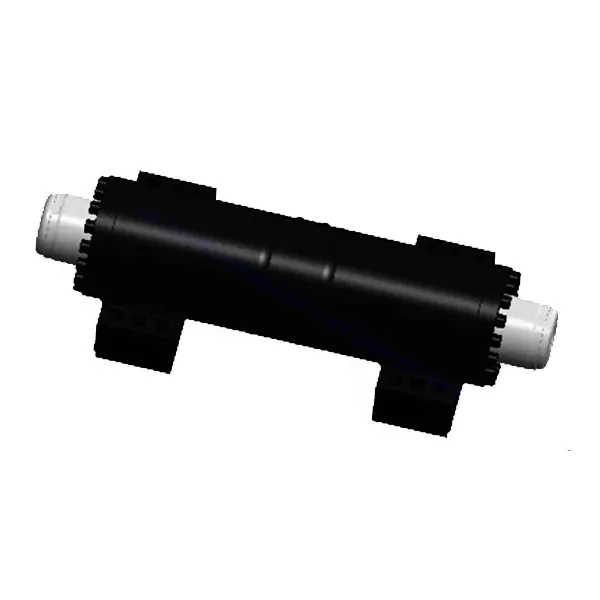
Cilindro de centrado de prensa


The press centering cylinder is a cutting-edge tool designed to enhance precision and efficiency in a wide range of pressing applications. This innovative cylinder is meticulously engineered to provide accurate centering of workpieces, ensuring optimal alignment and reducing setup time.
The press centering cylinder is indispensable for achieving precise and efficient pressing operations. With its accurate centering, adjustable performance, rapid response time, and robust construction, this cylinder empowers operators to align workpieces with utmost precision, reducing setup time and enhancing overall productivity. By following the recommended usage methods and maintenance practices, you can maximize the performance, longevity, and safety of the press centering cylinder in your pressing operations. Choose this cylinder to elevate your pressing capabilities and experience superior alignment and efficiency.
Press Centering Cylinder Key Characteristics:
- Accurate Centering:
- The press centering cylinder is specifically designed to precisely centering workpieces during pressing operations.
- Its advanced mechanism ensures that the workpiece is aligned accurately, minimizing the risk of misalignment or errors.
- Adjustable Performance:
- This cylinder offers adjustable centering capabilities, allowing operators to fine-tune the alignment based on the specific requirements of each application.
- By customizing the centering settings, you can achieve optimal results for different workpiece sizes, shapes, and materials.
- Rapid Response Time:
- The press centering cylinder boasts a rapid response time, enabling quick and efficient centering of workpieces.
- The swift action reduces overall cycle time, enhancing productivity and throughput in pressing operations.
- Construcción robusta:
- This cylinder is built with durability in mind, featuring high-quality materials and precision engineering.
- Its robust construction ensures long-lasting performance, even in demanding industrial environments.
Press Centering Cylinder Parameter:
| Nombre del producto | Hydraulic Press Centering Cylinder |
| Características: | Asegúrese de la posición central del cabezal de la abrazadera. |
| Diámetro del orificio: | 50mm~190mm |
| Diámetro de la varilla: | 35mm~150mm Carrera ≤1200 mm |
| Fuerza de empuje: | Maximum 441KN (Cylinder diameter 190mm/pressure25MPa) |
| Centering Cylinder Applications: | Prensa hidráulica |
Rod diameter: 35mm~150mm
Carrera ≤1200 mm
(Cylinder diameter 190mm/pressure25MPa)
Fábrica de cilindros de prensa:


Usage Method Of Press Centering Cylinder:
- Instalación:
- Mount the press centering cylinder securely in the desired location, ensuring proper alignment with the pressing equipment.
- Connect the hydraulic lines according to the manufacturer’s instructions, ensuring correct fluid flow and avoiding leaks.
- Centering Adjustment:
- Familiarize yourself with the centering adjustment mechanism provided by the cylinder.
- Normalmente, los ajustes se pueden realizar mediante perillas de control, volantes o controles digitales.
- Follow the manufacturer’s guidelines to make precise centering adjustments based on the workpiece dimensions and alignment requirements.
- Workpiece Alignment:
- Position the workpiece on the press bed, ensuring it is aligned with the centering cylinder.
- Activate the cylinder to engage the centering mechanism and secure the workpiece in the desired position.
- Verify the alignment visually or using measuring tools to ensure accurate centering.
- Operación de prensado:
- Once the workpiece is properly aligned, proceed with the pressing operation per your standard procedures.
- The press centering cylinder will maintain the alignment and stability of the workpiece throughout the pressing process, minimizing the risk of misalignment or damage.
¿Cómo purgar el cilindro hidráulico?
Bleeding a hydraulic cylinder is an essential maintenance task that helps remove air or trapped gases from the system. Here’s a step-by-step guide on how to bleed a hydraulic cylinder:
Note: Before proceeding with the bleeding process, ensure that you have the necessary tools, safety equipment, and follow any specific instructions provided by the manufacturer of your hydraulic system.
- Precauciones de seguridad:
- Put on appropriate safety gear, such as gloves and safety glasses, to protect yourself from potential hydraulic fluid leaks or splashes.
- Make sure the hydraulic system is depressurized by turning off the power source and releasing any stored pressure.
- Localice la válvula de purga:
- Identify the bleeder valve on the hydraulic cylinder. The bleeder valve is typically a small, screw-like valve located on the cylinder body or near the hydraulic lines connected to the cylinder.
- If you are unsure about the location of the bleeder valve, consult the manufacturer’s documentation or seek professional assistance.
- Prepare for Fluid Collection:
- Place a suitable container or absorbent material beneath the bleeder valve to collect any fluid that may be released during the bleeding process. This prevents spills and environmental contamination.
- Abrir la válvula de purga:
- Using an appropriate wrench or tool, carefully loosen the bleeder valve in a counterclockwise direction. Be cautious not to fully remove the valve at this stage.
- Opening the bleeder valve creates an outlet for the trapped air or gases within the cylinder to escape.
- Activate Hydraulic System:
- Turn on or activate the hydraulic system using the recommended method provided by the manufacturer. This may involve starting the power unit or operating the hydraulic equipment that utilizes the cylinder.
- Observar el flujo del fluido:
- As the hydraulic system operates, you will notice fluid flowing through the bleeder valve.
- Allow the fluid to flow freely for a sufficient amount of time to ensure that any air or trapped gases are purged from the cylinder.
- Keep a close eye on the fluid level in the container and be prepared to close the bleeder valve when the fluid flow becomes steady and free of air bubbles.
- Cerrar la válvula de purga:
- Once the fluid flow stabilizes and is free of air bubbles, carefully tighten the bleeder valve in a clockwise direction. Ensure it is snug but avoid over-tightening to prevent damage to the valve or cylinder.
- Verify System Operation:
- After closing the bleeder valve, operate the hydraulic system to check if the cylinder functions properly.
- Monitor the cylinder’s movement, responsiveness, and overall performance to ensure that the bleeding process was successful.
- Cleanup and Safety:
- Clean up any spilled hydraulic fluid, ensuring that the work area is clean and free of potential hazards.
- Dispose of the collected fluid in accordance with local regulations and environmental guidelines.
Capacidad de la fábrica:
(1) Montaje
Contamos con una plataforma de ensamblaje independiente de primera clase para investigación y desarrollo. El taller de producción de cilindros hidráulicos cuenta con cuatro líneas de ensamblaje de cilindros de elevación semiautomáticos y una línea de ensamblaje de cilindros de inclinación automáticos, con una capacidad de producción anual diseñada de 1 millón de piezas. El taller de cilindros especiales está equipado con un sistema de ensamblaje de limpieza semiautomático de diversas especificaciones, con una capacidad de producción anual diseñada de 200,000 unidades, y está equipado con reconocidos equipos de mecanizado CNC, un centro de mecanizado, equipos especiales de procesamiento de cilindros de alta precisión, una máquina de soldadura robotizada, una máquina de limpieza automática, una máquina de ensamblaje de cilindros automáticos y una línea de producción de pintura automática. Contamos con más de 300 equipos críticos. La asignación óptima y el uso eficiente de los recursos de equipo garantizan la precisión y la alta calidad de los productos.


(2) Mecanizado
El taller de mecanizado está equipado con un centro de torneado de carril inclinado personalizado, un centro de mecanizado, una máquina de bruñido de alta velocidad, un robot de soldadura y otros equipos relacionados, que pueden procesar tubos cilíndricos con un diámetro interior máximo de 400 mm y una longitud máxima de 6 metros.


(3) Soldadura


(4) Pintura y revestimiento
Con pequeñas y medianas líneas de cilindros automáticos de recubrimiento de pintura a base de agua, para lograr la carga y descarga automática de robots y pulverización automática, la capacidad de diseño de 4000 piezas por turno;
También disponemos de una línea semiautomática de producción de pintura para grandes cilindros accionada por cadena, con una capacidad de diseño de 60 cajas por turno.


(5) Pruebas
Disponemos de instalaciones de inspección y bancos de pruebas de primera clase para garantizar que el rendimiento del cilindro cumple los requisitos.


Somos uno de los mejores fabricantes de cilindros hidráulicos. Ofrecemos cilindros hidráulicos integrales. También proporcionamos... cajas de cambios agrícolasHemos exportado nuestros productos a clientes de todo el mundo y nos hemos ganado una excelente reputación gracias a nuestra excelente calidad y servicio posventa. Invitamos a clientes nacionales e internacionales a contactarnos para negociar negocios, intercambiar información y... colabore con nosotros!