
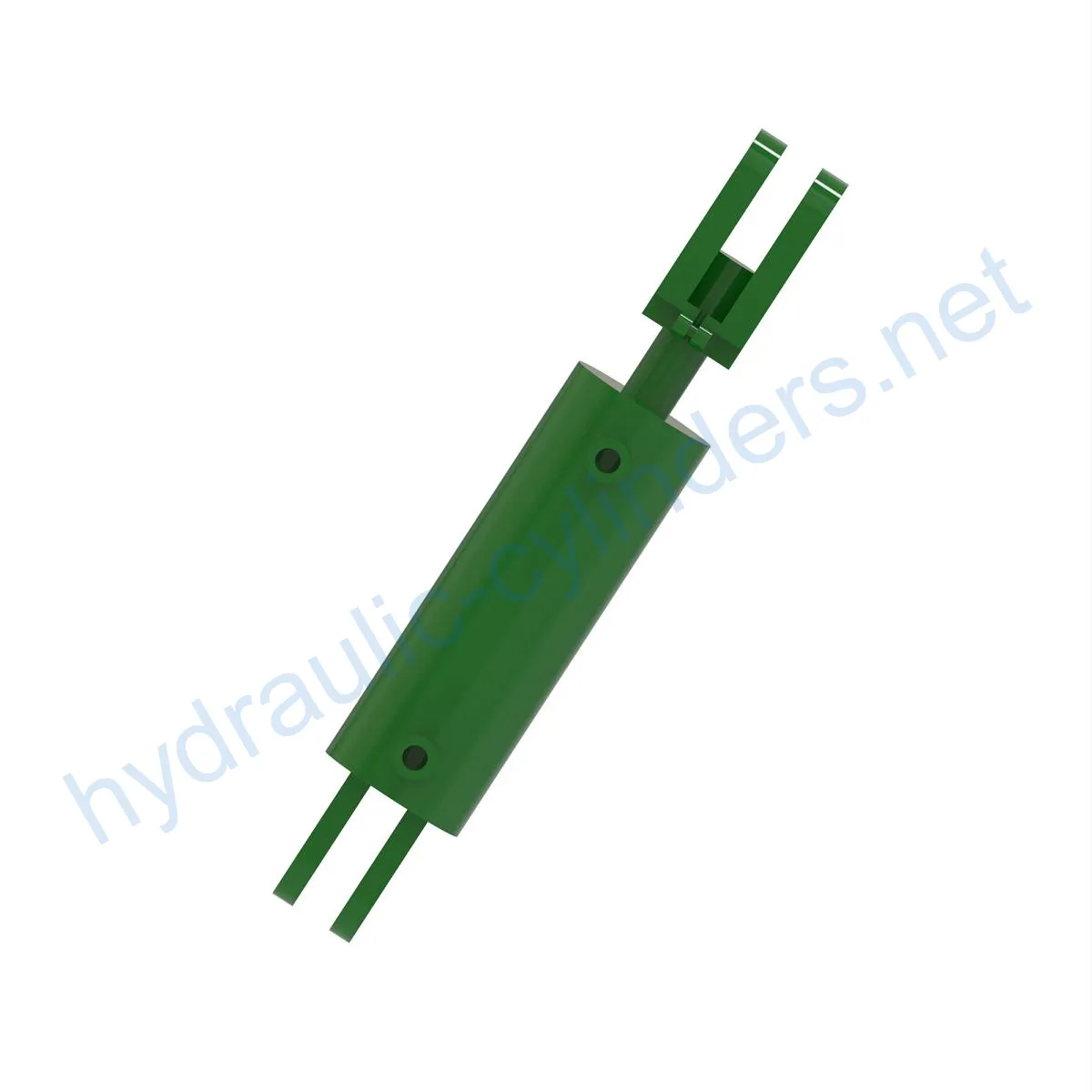
Replacement Of AHC22085 Hydraulic Cylinder
Como cilindros hidráulicos uno de los fabricantes, los surtidores y los exportadores de productos mecánicos, ofrecemos cilindros hidráulicos y muchos otros productos.
Póngase en contacto con nosotros para más información.
Correo:sales@hydraulic-cylinders.net
Fabricante proveedor exportador de cilindros hidráulicos.
Replacement Of AHC22085 Hydraulic Cylinder
Introducción:
The Replacement Of AHC22085 Hydraulic Cylinder is a vital component used in various industrial applications. This hydraulic cylinder plays a crucial role in the proper functioning and performance of equipment. It serves as a reliable replacement for damaged or worn-out hydraulic cylinders, ensuring optimal performance in diverse applications.
Especificaciones y modelo:
- Weight: 28.55 lb
- Altura: 4,2 pulgadas
- Ancho: 5,5 pulgadas
- Longitud: 23 pulgadas
- Model: 800R F4365
Características principales:
- Improved Equipment Performance: Replacing damaged or worn-out hydraulic cylinders restores the normal operational capability of equipment, ensuring optimal performance in various applications.
- Mayor seguridad: el reemplazo regular de los cilindros hidráulicos reduce los riesgos de seguridad causados por fallas de los cilindros, lo que garantiza la seguridad de los operadores y el equipo.
- Protección contra sobrecarga: Los diseños de cilindros modernos a menudo incorporan mejores mecanismos de protección contra sobrecarga, lo que mejora la seguridad durante el funcionamiento.
- Quick Installation: The design of modern hydraulic cylinders takes into account ease of installation and replacement, minimizing downtime.
- Componentes estandarizados: Muchos cilindros hidráulicos son productos estandarizados, lo que facilita la adquisición de piezas de repuesto en el mercado.
Aplicaciones:
- Excavators: Hydraulic cylinders in excavator arms or buckets may get damaged due to prolonged use or overload, necessitating replacement for normal operation.
- Cranes: Hydraulic cylinders in crane lifting arms are prone to wear and tear during frequent lifting and lowering processes, requiring regular replacement for safety.
- Tractores: Los cilindros hidráulicos en los accesorios de carga frontal de los tractores pueden desarrollar fugas o degradación del rendimiento durante operaciones continuas de elevación e inclinación, lo que requiere reemplazo.
- Harvesters: Hydraulic cylinders in harvesters’ hydraulic systems endure high pressures and may fatigue, necessitating timely replacement to maintain operational efficiency.
- Automated Production Lines: Hydraulic cylinders are used to control robotic arms and other automated equipment. Cylinder failure can significantly impact production efficiency, demanding immediate replacement.
- Máquinas de fundición a presión: En entornos de alta presión y alta temperatura, los cilindros hidráulicos de las máquinas de fundición a presión pueden experimentar una degradación de su rendimiento. Su sustitución regular garantiza la calidad del producto.
- Mining Equipment: Hydraulic cylinders in mining equipment are used for lifting and moving heavy loads. Due to harsh working conditions, regular inspection and replacement are necessary to prevent equipment failures.
- Bulldozers: Worn-out hydraulic cylinders in bulldozer blade arms can lead to a decrease in pushing capability. Timely replacement is essential to maintain efficient operation.
Tareas de mantenimiento:
- Regular Inspection: Periodically inspect the hydraulic cylinder for any signs of damage or wear.
- Proper Lubrication: Ensure appropriate lubrication of the cylinder to maintain smooth operation and prevent premature failure.
- Seal Replacement and Calibration Check: Replace seals as needed and perform calibration checks to ensure optimal performance.
Consideraciones de seguridad y factores ambientales:
When using hydraulic cylinders, it is crucial to adhere to safety measures to prevent accidents and injuries. Additionally, considering environmental factors is important to minimize any negative impact on the surroundings.
Diagnóstico de fallas y problemas comunes:
- Leakage: Seals or connections may experience leaks, resulting in decreased performance.
- Slow Operation: Internal friction or insufficient lubrication can cause slow or uneven cylinder movement.
- Noise and Vibration: Excessive noise and vibration may indicate issues with the cylinder’s internal components.
- Seal Failure: Seal degradation can lead to fluid leaks and reduced cylinder performance.
- Cylinder Drift: Unintended cylinder movement or drift may occur due to internal valve malfunctions or contamination.
Troubleshooting and Preventive Measures:
To diagnose and resolve problems effectively, consider the following:
- Refer to the manufacturer’s guidelines for troubleshooting and resolving common hydraulic cylinder issues.
- Provide tips for diagnosing problems and suggest appropriate solutions.
- Ofrecer medidas preventivas para minimizar problemas potenciales.

Consideraciones de diseño y criterios de selección:
When choosing a hydraulic cylinder, various design considerations and selection criteria should be taken into account:
- Bearing Capacity: Determine the cylinder’s load-bearing capacity to ensure compatibility with the intended application.
- Sealing: Consider the use of appropriate seals, such as piston seals and rod seals, made of wear-resistant materials like polyurethane or nitrile rubber.
- Durability: Opt for cylinders with finely treated cylinder bodies and threaded ends to improve wear resistance.
- Safety: Prioritize cylinders designed with safety features to prevent accidents during operation.
- Maintainability: Choose cylinders that are easy to maintain and repair, including availability of replacement parts and rebuilding services to extend their lifespan.
Sellado y lubricación:
To ensure optimal performance and longevity, the hydraulic cylinder should utilize various sealing techniques:
- Usage of different seals, such as piston seals and rod seals, employing wear-resistant materials like polyurethane and nitrile rubber.
- Proper surface treatment of cylinder bodies and threaded ends to enhance wear resistance.
- Regular lubrication with an appropriate amount of hydraulic oil to ensure smooth operation and prevent premature wear.
Inspección regular y mantenimiento preventivo:
- Emphasize the importance of regular inspections to identify potential issues early.
- Highlight the significance of proper installation, lubrication, and adjustment.
- Provide guidance on correctly aligning the cylinder during installation and recommend the use of suitable mounting brackets for secure fixation.
- Recomendar procedimientos de inspección, reparación y sustitución.
- Offer tips to extend the lifespan of the hydraulic cylinder through effective keyword usage.
Consideraciones de seguridad y factores ambientales:
Explain the importance of safety measures when working with hydraulic cylinders and consider the environmental impact of their usage.
Diagnóstico de fallas y problemas comunes:
Discuss common problems that may occur with hydraulic cylinders and provide tips and solutions for effective troubleshooting and problem resolution. Propose preventive measures to minimize potential issues.
Cilindro hidráulico Aplicación:

 ES
ES  EN
EN  PT
PT  DE
DE  FR
FR  IT
IT  AR
AR  ZH
ZH  RU
RU  KO
KO  KA
KA  BG
BG  CS
CS  DA
DA  EL
EL  ET
ET  FI
FI  HU
HU  ID
ID  LT
LT  LV
LV  NB
NB  NL
NL  PL
PL  RO
RO  SK
SK  SL
SL  SV
SV  TR
TR  UK
UK