

Cilindro de brazo para excavadora pequeña Kato HD820R820V
Como cilindros hidráulicos uno de los fabricantes, los surtidores y los exportadores de productos mecánicos, ofrecemos cilindros hidráulicos y muchos otros productos.
Póngase en contacto con nosotros para más información.
Correo:sales@hydraulic-cylinders.net
Fabricante proveedor exportador de cilindros hidráulicos.
Cilindro de brazo para excavadora pequeña Kato HD820R820V
Definición y explicación
The arm cylinder is a specially designed hydraulic cylinder that provides linear motion and power to the arm of various types of machinery, such as excavators, cranes, and mechanical arms. The arm cylinder plays a critical role in the hydraulic system, enabling additional tools or attachments to move and be controlled effectively. These cylinders not only provide smooth motion but also withstand heavy loads, ensuring efficient operation and reliability of the machinery under various working conditions.
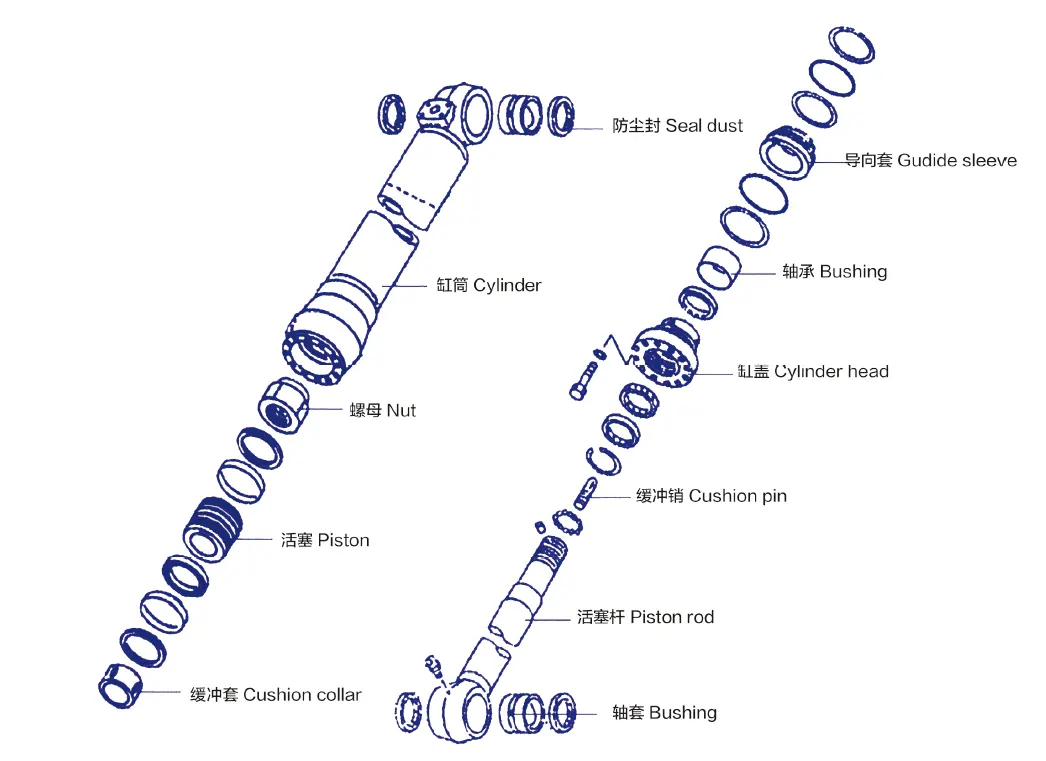
Características del producto
- Transmisión de alta eficiencia: The arm cylinder can provide powerful linear motion and force, ensuring high efficiency performance in various operations.
- Control preciso: A través del sistema hidráulico, el cilindro del brazo puede lograr un control de movimiento preciso, haciendo que la operación de herramientas adicionales sea más flexible y precisa.
- Fuerte durabilidad: El cilindro del brazo generalmente está hecho de materiales de alta resistencia, con buena resistencia al desgaste y a la corrosión, adecuado para uso a largo plazo en entornos hostiles.
- Adaptabilidad multifuncional: Estos cilindros se pueden utilizar ampliamente en diversos equipos mecánicos, como excavadoras, grúas y brazos mecánicos, para satisfacer diferentes requisitos de trabajo.
- Fácil mantenimiento: El diseño considera la facilidad de mantenimiento y reemplazo, lo que hace que la inspección y el mantenimiento regulares sean más convenientes y reducen el tiempo de inactividad del equipo.
Nuestro producto puede sustituir perfectamente a estos cilindros hidráulicos.

Aplicaciones
The arm cylinder can be used in various industries and equipment:
- Ingeniería de la construcción: En excavadoras y grúas, el cilindro del brazo se utiliza para controlar el movimiento del cucharón o la pluma para movimientos de tierra, manipulación de materiales e instalación estructural.
- Fabricación: In automated production lines, the arm cylinder is used for the motion of mechanical arms, such as assembly, welding, and handling, to improve production efficiency and precision.
- Maquinaria agrícola: In agricultural machinery such as harvesters and planters, the arm cylinder controls the movement of the operating arm to perform tasks such as seeding, fertilizing, and harvesting.
- Minería: En los equipos de minería, el cilindro del brazo se utiliza para controlar el movimiento del brazo del equipo de minería para la extracción y manipulación de mineral.
- Logística y Transporte: In forklifts and handling robots, the arm cylinder is used to control the lifting and movement of cargo, realizing material handling and stacking.
Consideraciones de diseño y estándares de selección
The arm cylinder needs to meet the following design and selection standards:
- Capacidad de carga: The arm cylinder needs to have sufficient bearing capacity for the load it carries.
- Caza de focas: The arm cylinder needs to use various sealing components, such as piston seals and rod seals, made of wear-resistant materials, such as polyurethane and nitrile rubber, to ensure sealing performance.
- Durabilidad: The arm cylinder needs to use high-strength materials with good wear resistance and corrosion resistance to ensure long-term use under harsh conditions.
- Seguridad: The arm cylinder needs to be designed with safety features, such as overload protection and emergency stop, to ensure safe operation.
- Mantenimiento: The arm cylinder needs to be designed for easy maintenance and replacement, such as easy access to maintenance points and standard components.

Sellado y lubricación
The arm cylinder needs to use various sealing components, such as piston seals and rod seals, made of wear-resistant materials, such as polyurethane and nitrile rubber, to ensure sealing performance. The cylinder body and thread end surface undergo fine processing to improve wear resistance. The arm cylinder needs to be lubricated regularly with a suitable amount of hydraulic oil to ensure smooth operation.

Mantenimiento preventivo
The arm cylinder needs regular inspection and preventive maintenance to ensure its performance and extend its service life.
- Limpieza: Keep the arm cylinder and hydraulic system clean to prevent contamination.
- Wear Inspection: Regularly inspect the arm cylinder for wear, deformation, and damage, and replace it if necessary.
- Lubricación: Regularly lubricate the arm cylinder with a suitable amount of hydraulic oil to ensure smooth operation.
- Leakage Inspection: Regularly inspect the arm cylinder for leakage and repair it if necessary.
Guía de instalación
Follow these steps to install the arm cylinder correctly:
- Check the compatibility of the arm cylinder with the machinery and the hydraulic system.
- Clean the installation area and the hydraulic system connections.
- Install the arm cylinder and tighten the connection bolts to the specified torque.
- Connect the hydraulic hoses and fittings to the arm cylinder.
- Test the arm cylinder for proper operation and leakage.

Consideraciones de seguridad y factores ambientales
When using the arm cylinder, it is important to follow safety regulations and guidelines to prevent accidents and injuries. Environmental factors, such as temperature and humidity, can affect the performance and lifespan of the arm cylinder, and it is necessary to consider these factors in the selection and use of the arm cylinder.
Solución de problemas y problemas comunes
Common issues with the arm cylinder include leakage, wear, and damage. To diagnose and solve these problems, follow these steps:
- Identify the symptoms and causes of the problem.
- Inspect the arm cylinder and hydraulic system for wear, deformation, and damage.
- Repair or replace the damaged components.
- Test the arm cylinder for proper operation and leakage.
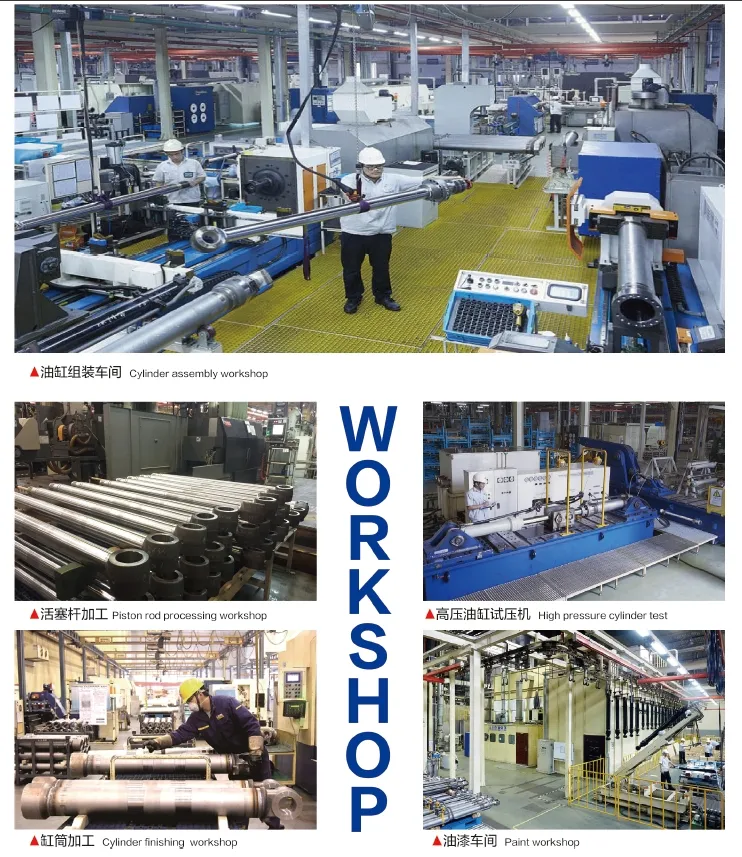
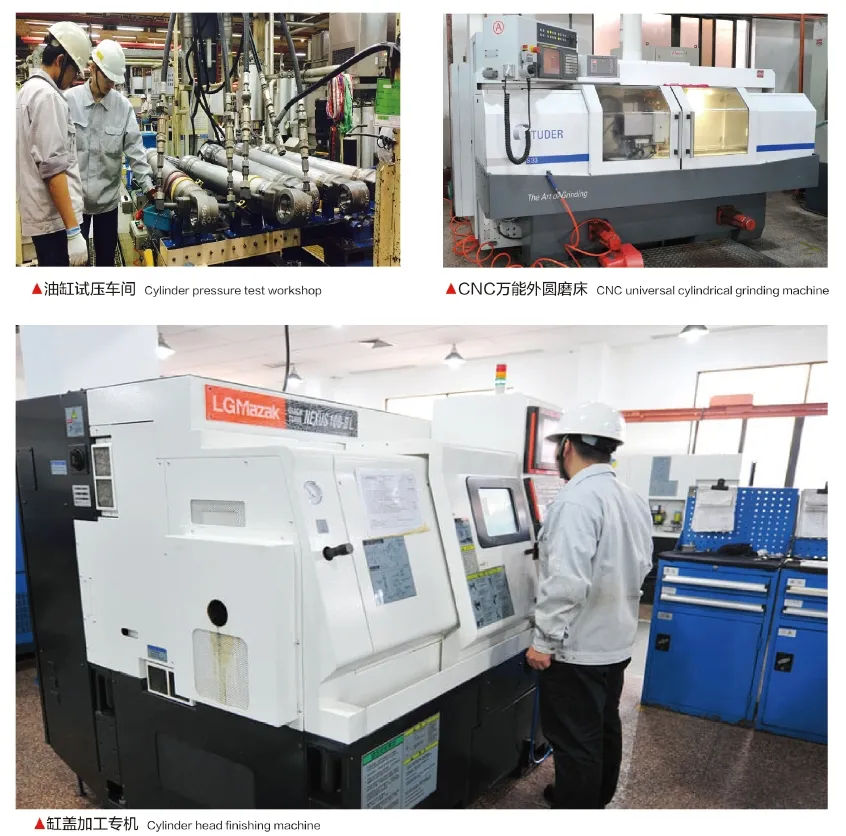
We are a professional manufacturer of replacement hydraulic cylinders, with a wide range of products. We have become one of the leading hydraulic cylinder manufacturers and wholesale distributors in the domestic and international markets. We always adhere to the principle of excellent quality, rely on the industrialized production management strategy of fine manufacturing workshops, continuously improve our technical level and production efficiency. By introducing high-end digital manufacturing equipment and professional inspection systems, we continuously optimize our manufacturing platform, improve product quality control processes and have strong innovation capabilities. Our goal is to meet customer’s diversified needs with principles of high efficiency, accuracy, and high-quality.
Acerca de nuestra empresa
Nuestra empresa tiene las siguientes ventajas:
- Profesionalismo: Our company has a professional team with rich experience in hydraulic cylinder design, manufacturing, and sales.
- Certificación Internacional: Our products have obtained international quality and safety certifications, such as ISO9001, CE, and SGS.
- Servicios de personalización: Our company provides customized hydraulic cylinder services according to customer’s specific requirements.
- Equipo de producción: Our company has advanced digital production equipment, such as CNC machines and testing systems, to ensure product quality and efficiency.
- Servicios posventa: Our company has a professional after-sales service team to provide timely technical support and maintenance services.
Autor: lyl.
Cilindro hidráulico Aplicación:

 ES
ES  EN
EN  PT
PT  DE
DE  FR
FR  IT
IT  AR
AR  ZH
ZH  RU
RU  KO
KO  KA
KA  BG
BG  CS
CS  DA
DA  EL
EL  ET
ET  FI
FI  HU
HU  ID
ID  LT
LT  LV
LV  NB
NB  NL
NL  PL
PL  RO
RO  SK
SK  SL
SL  SV
SV  TR
TR  UK
UK