
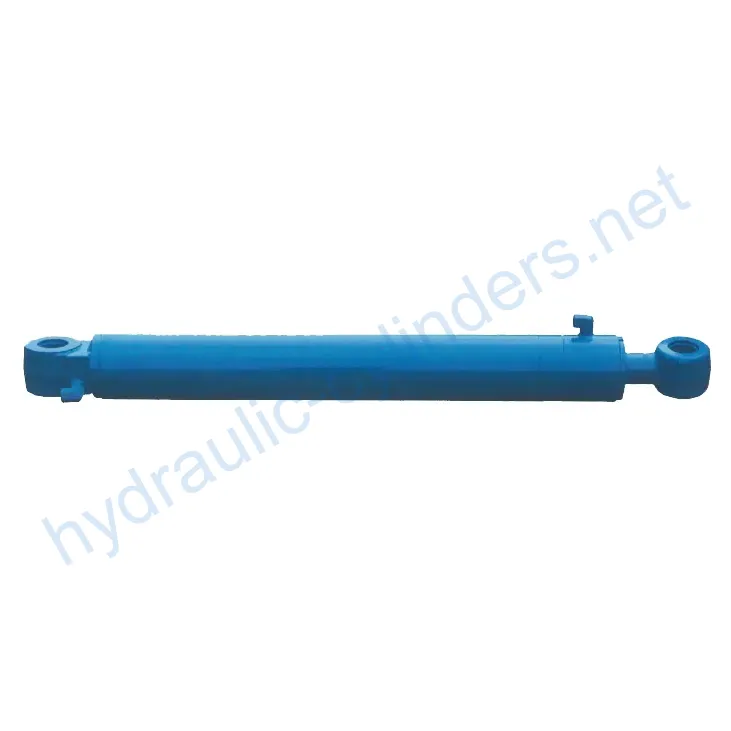
Arm Cylinder For Lovol Small Excavator FR65D
Como cilindros hidráulicos uno de los fabricantes, los surtidores y los exportadores de productos mecánicos, ofrecemos cilindros hidráulicos y muchos otros productos.
Póngase en contacto con nosotros para más información.
Correo:sales@hydraulic-cylinders.net
Fabricante proveedor exportador de cilindros hidráulicos.
Arm Cylinder For Lovol Small Excavator FR65D
Introducción
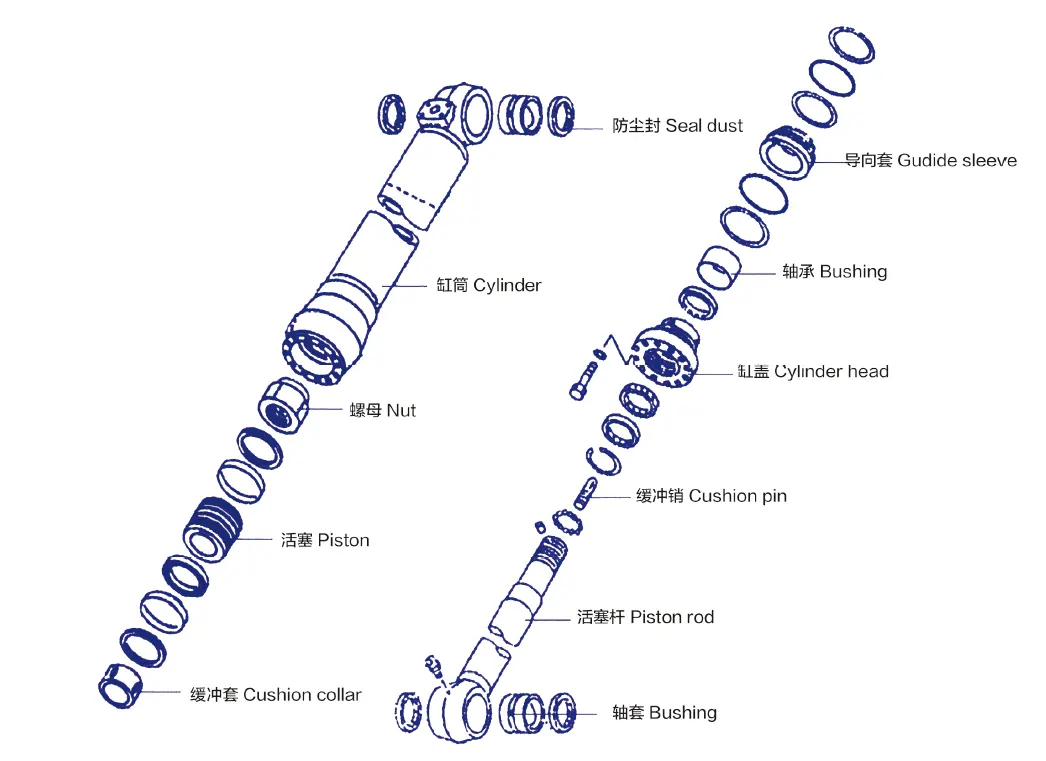
Un cilindro de brazo es un cilindro hidráulico especialmente diseñado que proporciona movimiento lineal y potencia a los brazos de diversos tipos de maquinaria, como excavadoras, grúas y brazos robóticos. Desempeña un papel crucial en los sistemas hidráulicos, permitiendo el movimiento y control eficientes de herramientas o accesorios adicionales. Estos cilindros no solo permiten un movimiento suave, sino que también soportan cargas pesadas, garantizando una alta eficiencia operativa y fiabilidad en diversas condiciones de trabajo.
Características
- Transmisión de alta eficiencia: El cilindro del brazo proporciona un potente movimiento y fuerza lineal, lo que garantiza capacidades de alto rendimiento para el brazo mecánico en diversas operaciones.
- Control de precisión: a través del sistema hidráulico, el cilindro del brazo permite un control preciso del movimiento, haciendo que la operación de las herramientas adjuntas sea más flexible y precisa.
- Gran durabilidad: Los cilindros de los brazos suelen estar fabricados con materiales de alta resistencia con excelente resistencia al desgaste y a la corrosión, lo que los hace adecuados para un uso prolongado en entornos hostiles.
- Multi-functional Adaptability: These cylinders can be widely applied to various machinery, such as excavators, cranes, and robotic arms, adapting to different work requirements.
- Easy Maintenance: Designed for ease of maintenance and replacement, regular inspections and upkeep are made convenient, reducing equipment downtime.

Aplicaciones
El cilindro del brazo encuentra aplicaciones en diversas industrias:
- Construction Engineering: In excavators and cranes, the arm cylinder controls the motion of the bucket or boom for earthwork, material handling, and structural installation.
- Manufacturing Industry: In automated production lines, the arm cylinder drives the motion of robotic arms for assembly, welding, and material handling processes, improving production efficiency and precision.
- Agricultural Machinery: In agricultural equipment such as harvesters and seeders, the arm cylinder controls the movement of operating arms for tasks such as seeding, fertilizing, and harvesting.
- Mining: In mining equipment, the arm cylinder controls the arm movement for mining and material transportation.
- Logística y transporte: En las carretillas elevadoras y los robots de manipulación, el cilindro del brazo controla la elevación y el movimiento de las horquillas, lo que permite la manipulación y el apilamiento de materiales.
Consideraciones de diseño y criterios de selección
- Bearing Capacity: Discuss the ability of the arm cylinder to bear loads.
- Sealing: Explain the use of various seals, such as piston seals and rod seals, made of wear-resistant materials like polyurethane and nitrile rubber.
- Durabilidad: Resalte el fino tratamiento superficial del cuerpo del cilindro y extremos roscados para mejorar la resistencia al desgaste.
- Safety: Emphasize the importance of safety measures in relation to the mentioned keywords.
- Maintainability: Discuss the need for regular lubrication with hydraulic oil and the ease of maintenance and repair.

Sellado y lubricación
The arm cylinder utilizes various seals, such as piston seals and rod seals, made of wear-resistant materials like polyurethane and nitrile rubber. The cylinder body and threaded ends undergo fine surface treatment to enhance wear resistance. Regular lubrication with appropriate hydraulic oil is necessary for smooth operation.
Inspección y mantenimiento preventivo
To ensure proper functioning, regular inspections and preventive maintenance are essential. The following measures should be followed:
- Inspeccione el cilindro para detectar cualquier signo de fuga, daño o desgaste.
- Compruebe los sellos y reemplácelos si es necesario.
- Asegúrese de que el cilindro esté bien lubricado.
- Apriete las conexiones sueltas.
- Monitor the cylinder’s performance and seek professional assistance if any issues arise.
Guía de instalación
La correcta instalación del cilindro del brazo es crucial para un rendimiento óptimo. Siga estos pasos:
- Prepare la superficie de montaje y asegúrese de que esté limpia y libre de residuos.
- Alinee el cilindro con los orificios de montaje y fíjelo utilizando los elementos de fijación adecuados.
- Connect the hydraulic lines according to the system’s specifications.
- Compruebe si hay fugas y asegúrese de que todas las conexiones estén bien ajustadas.
- Test the cylinder’s functionality before operating the machinery.

Consideraciones de seguridad y factores ambientales
When using the arm cylinder, it is important to prioritize safety measures to prevent accidents and ensure the well-being of operators and surrounding personnel. Consider the following factors:
- Provide proper training for operators on the safe use of machinery equipped with the arm cylinder.
- Follow all relevant safety guidelines and regulations.
- Regularly inspect the cylinder’s safety features, such as pressure relief valves.
- Consider the environmental impact of hydraulic systems and promote proper disposal of hydraulic fluids.
Diagnóstico de fallas y problemas comunes
In the event of malfunctions, it is important to diagnose and resolve problems efficiently. Common issues and their solutions include:
- Leakage: Check seals, connections, and hydraulic lines for leaks. Replace faulty seals and tighten loose connections.
- Slow or Inconsistent Movement: Inspect the hydraulic system for clogs, low fluid levels, or inadequate pressure. Clean or replace filters and ensure proper fluid levels.
- Excessive Noise or Vibrations: Check for loose components or worn-out parts. Tighten connections and replace damaged components.
- Overheating: Inspect the hydraulic system for clogs, low fluid levels, or excessive pressure. Clean or replace filters, ensure proper fluid levels, and adjust pressure if necessary.

Recuerda organizar el artículo de forma lógica, usar subtítulos para facilitar la navegación, incorporar imágenes o gráficos relevantes para una mejor comprensión y asegurarte de que el contenido sea claro, conciso y adecuado para lectores con diferentes niveles de conocimiento técnico.
Sobre nosotros
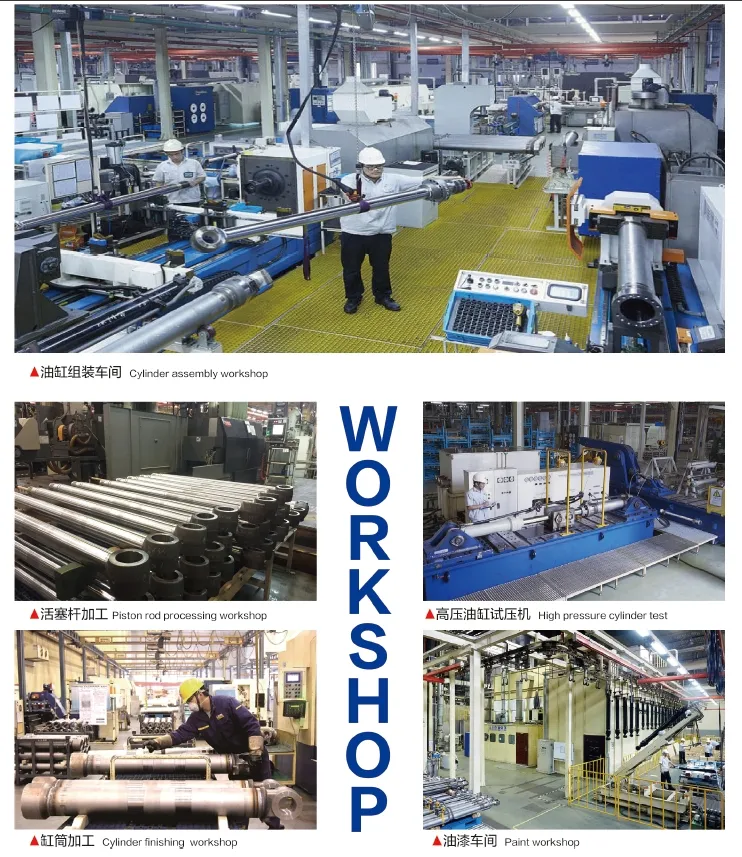
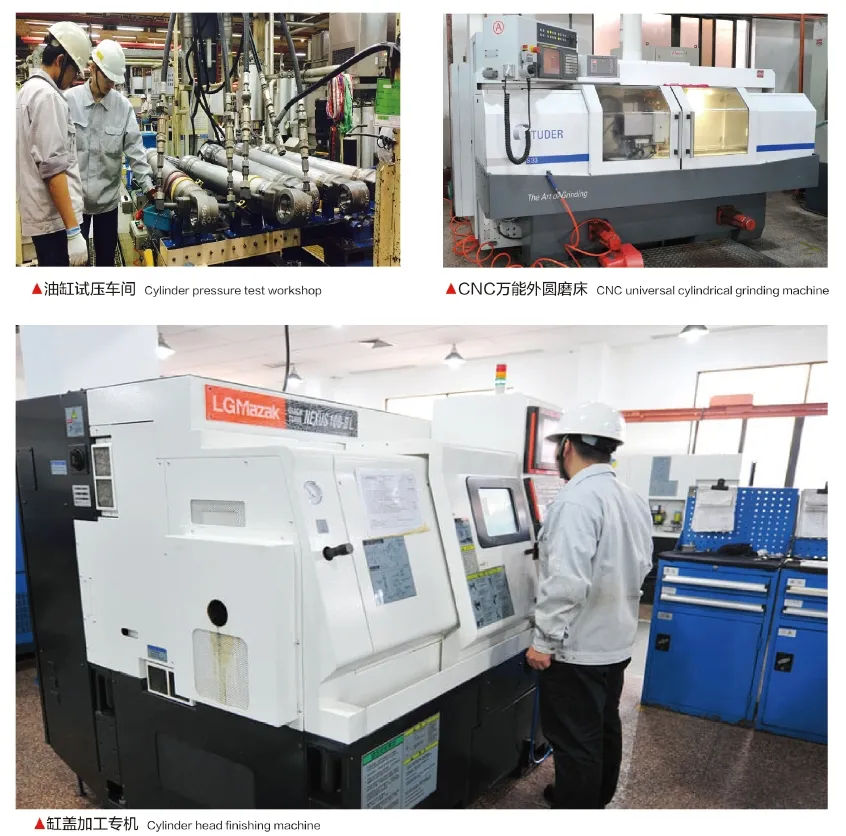
We are a professional manufacturer of replacement hydraulic cylinders, offering a wide range of products. We have become one of the leading manufacturers and wholesalers of hydraulic cylinders in domestic and international markets. Upholding the principle of excellent quality, we continuously improve our technical expertise and production efficiency through advanced manufacturing facilities and professional testing systems. With a strong focus on innovation, we aim to meet the diverse needs of our customers with high efficiency, precision, and quality.
Autor: lyl
Cilindro hidráulico Aplicación:

 ES
ES  EN
EN  PT
PT  DE
DE  FR
FR  IT
IT  AR
AR  ZH
ZH  RU
RU  KO
KO  KA
KA  BG
BG  CS
CS  DA
DA  EL
EL  ET
ET  FI
FI  HU
HU  ID
ID  LT
LT  LV
LV  NB
NB  NL
NL  PL
PL  RO
RO  SK
SK  SL
SL  SV
SV  TR
TR  UK
UK