


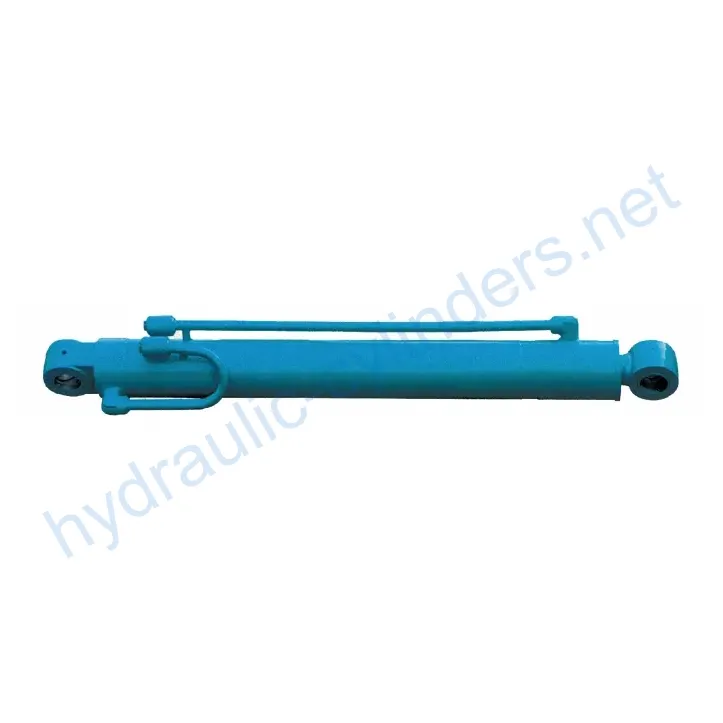
Arm Cylinder For Pengpu SW60E
Introducción
El cilindro hidráulico del brazo es un cilindro especialmente diseñado que proporciona movimiento lineal y potencia al brazo de diversas máquinas, como excavadoras, grúas y brazos robóticos. Desempeña un papel crucial en los sistemas hidráulicos, permitiendo el movimiento y control efectivos de herramientas o implementos adicionales. Estos cilindros no solo garantizan un movimiento suave, sino que también soportan cargas pesadas, asegurando el funcionamiento eficiente y la fiabilidad de la maquinaria en diversas condiciones de trabajo.
Definición y explicación
The arm cylinder is a hydraulic cylinder designed to provide linear motion and power to the arm of different types of machinery, such as excavators, cranes, and robotic arms. It functions as a crucial component in hydraulic systems, allowing for the efficient movement and control of additional tools or attachments. These cylinders are capable of smooth motion and can withstand heavy loads, ensuring the machinery operates efficiently and reliably in various working conditions.
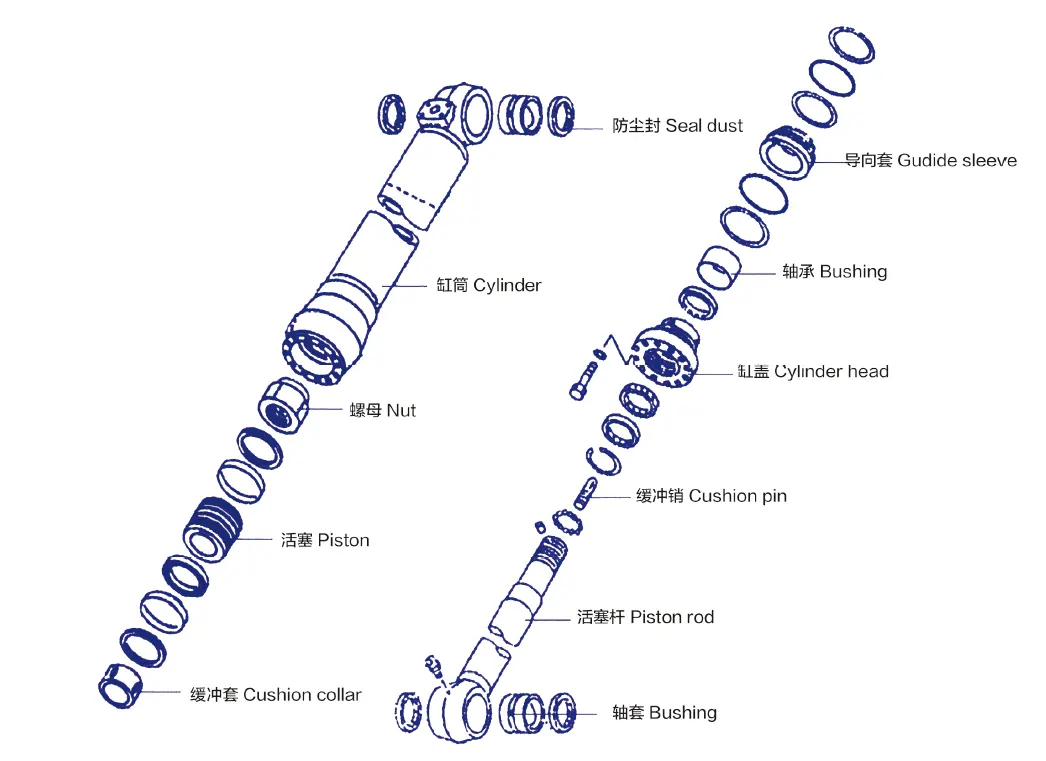

Características
- Transmisión de alta eficiencia: The arm cylinder provides powerful linear motion and force, ensuring high-performance operation of the robotic arm in various tasks.
- Control preciso: Through hydraulic systems, the arm cylinder enables precise motion control, enhancing the flexibility and accuracy of operating tools.
- Durabilidad: Arm cylinders are typically manufactured with high-strength materials, offering excellent wear and corrosion resistance, making them suitable for long-term use in harsh environments.
- Adaptabilidad multifuncional: These cylinders can be widely applied to various machinery, such as excavators, cranes, and robotic arms, catering to different working requirements.
- Fácil mantenimiento: The design considers ease of maintenance and replacement, making regular inspections and upkeep convenient, reducing equipment downtime.


Aplicaciones
El cilindro del brazo encuentra aplicaciones en diversas industrias:
- Ingeniería de la construcción: In excavators and cranes, the arm cylinder controls the movement of buckets or booms, facilitating earthwork, materials handling, and structural installation.
- Fabricación: En las líneas de producción automatizadas, el cilindro del brazo se utiliza para el movimiento de los brazos robóticos, permitiendo procesos como ensamblaje, soldadura y manipulación de materiales, mejorando así la eficiencia y precisión de la producción.
- Maquinaria agrícola: En equipos agrícolas como cosechadoras y sembradoras, el cilindro del brazo controla el movimiento de los brazos operativos, realizando tareas como sembrar, fertilizar y cosechar.
- Minería: In mining equipment, the arm cylinder controls the arm movement of mining equipment, facilitating ore extraction and transportation.
- Logística y Transporte: En las carretillas elevadoras y los robots de manipulación, el cilindro del brazo controla la elevación y el movimiento de las horquillas, lo que permite la manipulación y el apilamiento de materiales.
Consideraciones de diseño y criterios de selección
When designing arm cylinders, several factors and criteria are taken into account:
- Capacidad de carga: The arm cylinder should be designed to handle the intended load without compromising performance or safety.
- Capacidad de sellado: Various sealing elements, such as piston seals and rod seals, are used to ensure effective sealing. Materials like polyurethane or nitrile rubber with excellent wear resistance are chosen for the seals.
- Durabilidad: The cylinder body and threaded ends undergo precise surface treatment to enhance durability and wear resistance.
- Seguridad: Safety features, such as pressure relief valves and position sensors, are incorporated to prevent accidents and ensure safe operation.
- Mantenibilidad: The design allows for easy maintenance and replacement, reducing downtime and ensuring efficient operation.


Sellado y lubricación
The arm cylinder utilizes various sealing components, such as piston seals and rod seals, made of wear-resistant materials like polyurethane or nitrile rubber. The cylinder body and threaded ends undergo meticulous surface treatment to improve wear resistance. Regular lubrication with the appropriate hydraulic oil is necessary to maintain smooth operation and prevent excessive wear.
Inspección regular y mantenimiento preventivo
Para garantizar un rendimiento óptimo y una larga vida útil, se deben implementar inspecciones periódicas y medidas de mantenimiento preventivo:
- Inspeccione el cilindro para detectar cualquier signo de desgaste, fuga o daño.
- Compruebe los sellos y reemplácelos si es necesario.
- Monitor the lubrication levels and top up with the recommended hydraulic oil.
- Verificar el correcto funcionamiento de los dispositivos de seguridad.
- Perform any required adjustments or repairs as soon as issues are identified.
Guía de instalación del producto
Proper installation of the arm cylinder is crucial for optimal performance and safety. Follow these guidelines:
- Asegúrese de que la superficie de montaje esté limpia y libre de residuos.
- Attach the cylinder securely to the machinery, following the recommended torque specifications.
- Conecte las mangueras o tuberías hidráulicas, asegurándose de que la alineación sea adecuada y las conexiones estén ajustadas.
- Bleed the hydraulic system to remove any air bubbles.
- Test the cylinder’s functionality before using it for actual operations.


Consideraciones de seguridad y factores ambientales
When using arm cylinders, adhering to safety measures is essential to prevent accidents and ensure operator well-being. Environmental factors, such as temperature and humidity, should also be considered:
- Follow all safety guidelines and instructions provided by the machinery manufacturer.
- Wear appropriate personal protective equipment when operating or working near the machinery.
- Be cautious of potential hazards, such as pinch points or falling objects.
- Consider environmental conditions that may affect cylinder performance, such as extreme temperatures or corrosive substances.
Diagnóstico de fallas y problemas comunes
In case of any problems or malfunctions, understanding common issues and their potential causes can aid in efficient troubleshooting:
- Fuga: Possible causes include worn-out seals, damaged cylinder walls, or loose connections.
- Slow or Jerky Movement: This can result from insufficient lubrication, internal contamination, or worn-out components.
- Lack of Power: Causes may include insufficient hydraulic pressure, worn-out seals, or internal damage.
- Ruidos inusuales: Noises may indicate loose components, damaged parts, or excessive friction.
- Failure to Hold Position: This may be due to worn-out seals, insufficient hydraulic pressure, or internal leakage.
When troubleshooting, consider the symptoms and potential causes mentioned above. If necessary, consult the manufacturer or a professional for further assistance.
Conclusión
We are a professional manufacturer of arm cylinders, offering a wide range of products. We have become one of the leading manufacturers and wholesale distributors of hydraulic cylinders in domestic and international markets. With a commitment to excellent quality, we continuously improve our technological level and production efficiency. By introducing advanced digital manufacturing equipment and professional testing systems, we optimize our manufacturing platform and enhance product quality control processes, demonstrating strong innovative capabilities. Our goal is to meet diverse customer needs with