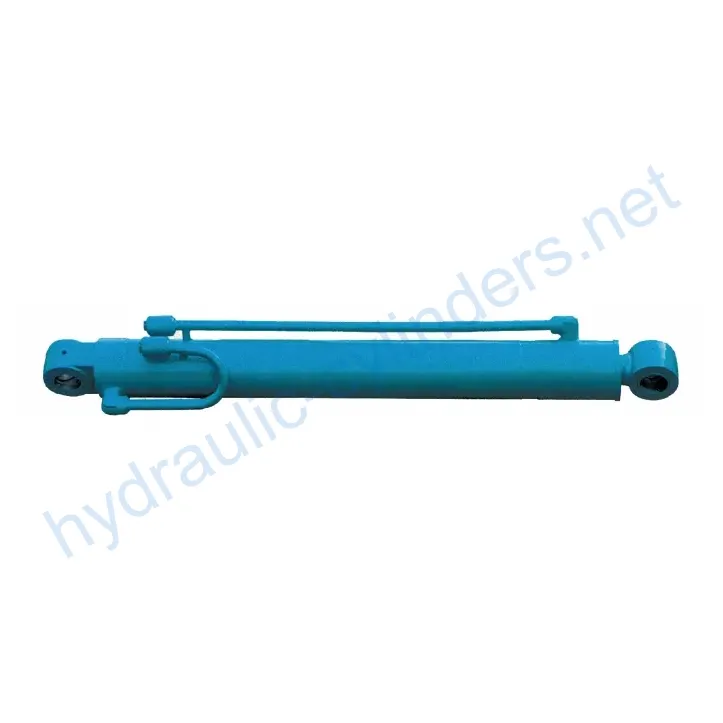
Arm Cylinder For Takeuchi Small Excavator TB285C
The arm cylinder is a specially designed hydraulic cylinder that is primarily used to provide linear motion and power to the arm of various types of machinery, such as excavators, cranes, and robotic arms. The arm cylinder plays a key role in hydraulic systems, allowing for the efficient movement and control of additional tools or attachments. These cylinders not only enable smooth motion but also have the ability to withstand heavy loads, ensuring high operational efficiency and reliability of the machinery in various working conditions.

Características del producto
- Accionamiento de alta eficiencia: El cilindro del brazo proporciona un potente movimiento y fuerza lineal, lo que garantiza capacidades de alto rendimiento del brazo mecánico en diversas operaciones.
- Control de precisión: A través del sistema hidráulico, el cilindro del brazo permite un control preciso del movimiento, haciendo que la operación de las herramientas acopladas sea más flexible y precisa.
- Durabilidad: Los cilindros de brazo generalmente se fabrican con materiales de alta resistencia y tienen una excelente resistencia al desgaste y a la corrosión, lo que los hace adecuados para uso a largo plazo en entornos hostiles.
- Adaptabilidad multifuncional: Estos cilindros se pueden aplicar ampliamente a varios tipos de maquinaria, incluidas excavadoras, grúas y brazos robóticos, adaptándose a diferentes requisitos de trabajo.
- Fácil mantenimiento: Diseñados para facilitar el mantenimiento y el reemplazo, los cilindros del brazo facilitan las inspecciones y el mantenimiento periódicos convenientes, reduciendo el tiempo de inactividad del equipo.


Aplicaciones
- Ingeniería de la construcción: En excavadoras y grúas, el cilindro del brazo se utiliza para controlar el movimiento del cucharón o la pluma para trabajos de movimiento de tierras, manipulación de materiales e instalación de estructuras.
- Industria manufacturera: In automated production lines, the arm cylinder enables the motion of robotic arms for assembly, welding, and material handling processes, enhancing production efficiency and accuracy.
- Maquinaria agrícola: En maquinaria agrícola como cosechadoras y sembradoras, el cilindro del brazo controla el movimiento de los brazos operativos para tareas como la siembra, la fertilización y la cosecha.
- Minería: In mining equipment, the arm cylinder is used to control the arm movement of mining devices for ore extraction and transportation.
- Logística y Transporte: En carretillas elevadoras y robots de manipulación, el cilindro del brazo controla la elevación y el movimiento de las horquillas, lo que permite la manipulación y el apilado de materiales.
Consideraciones de diseño y criterios de selección
- Capacidad de carga: The arm cylinder is designed to withstand specific load requirements, ensuring safe and efficient operation.
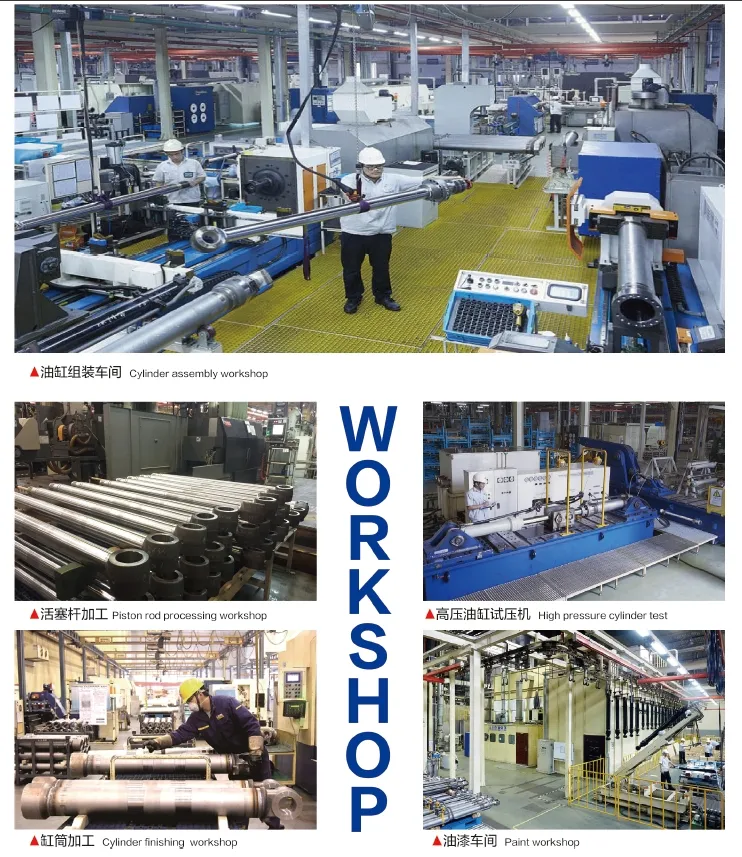
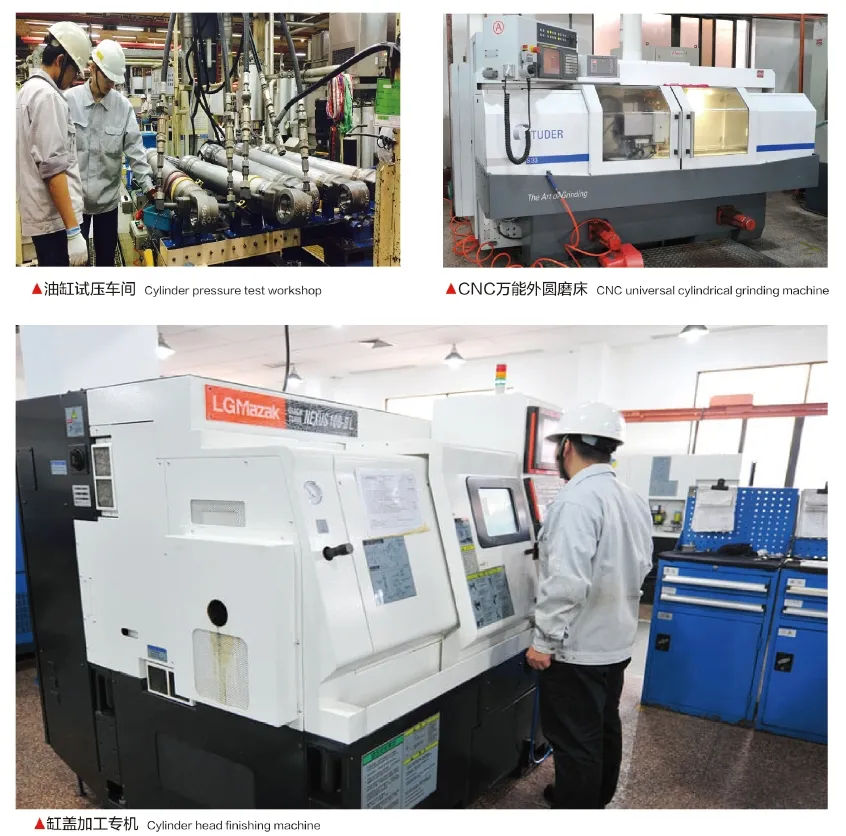
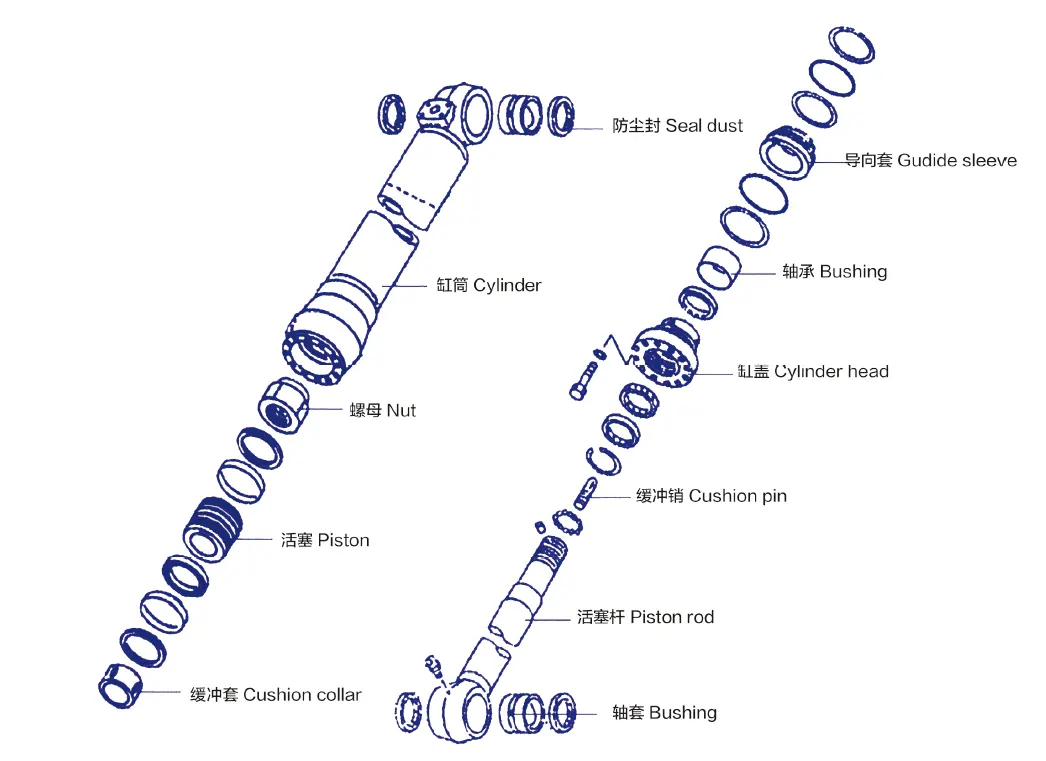
- Caza de focas: Various sealing elements such as piston seals and rod seals are used, made of wear-resistant materials like polyurethane and nitrile rubber. The cylinder body and threaded ends undergo fine processing to enhance wear resistance.
- Durabilidad: The arm cylinder is constructed with materials that offer excellent durability and corrosion resistance, ensuring its longevity in demanding environments.
- Seguridad: Safety features such as pressure relief valves and emergency stop mechanisms are incorporated into the design to prevent accidents and ensure operator safety.
- Mantenibilidad: The design considers ease of maintenance and repair, allowing for convenient inspection, lubrication, and replacement of components.


Sellado y lubricación
The arm cylinder utilizes various sealing elements, including piston seals and rod seals, made of wear-resistant materials such as polyurethane and nitrile rubber. The cylinder body and threaded ends undergo fine processing to enhance wear resistance. Regular lubrication with the appropriate hydraulic oil is necessary to ensure smooth operation and prolong the lifespan of the cylinder.
Inspección regular y mantenimiento preventivo
- Inspect the arm cylinder for any signs of leakage, damage, or wear.
- Check the hydraulic connections, hoses, and fittings for tightness and integrity.
- Monitor the hydraulic oil level and quality, and replace or top up as needed.
- Ensure the proper functioning of safety features, such as pressure relief valves.
- Siga las instrucciones del fabricante para los intervalos y procedimientos de mantenimiento.
Guía de instalación del producto
La correcta instalación del cilindro del brazo es crucial para su óptimo rendimiento y durabilidad. Siga estos pasos:
- Prepare the excavator or machinery for installation, ensuring stability and safety.
- Position the arm cylinder in the designated mounting area and align it with the hydraulic connections.
- Securely attach the cylinder using appropriate mounting brackets or bolts.
- Connect the hydraulic hoses, ensuring proper alignment and tight fittings.
- Check for any leaks and ensure all connections are secure.
- Test the functionality of the arm cylinder through controlled movements.


Consideraciones de seguridad y factores ambientales
When using the arm cylinder, it is vital to prioritize safety measures. This includes following proper operating procedures, wearing appropriate personal protective equipment, and regularly inspecting the cylinder for any signs of wear or damage. Additionally, environmental factors such as temperature, humidity, and exposure to chemicals or abrasive materials should be considered to ensure the optimal performance and longevity of the cylinder.
Solución de problemas y problemas comunes
Common issues that may arise with the arm cylinder include leakage, reduced performance, and abnormal noise. Here are some troubleshooting tips and solutions:
- Fuga: Inspect the cylinder seals and connections for damage or wear. Replace any faulty seals or tighten loose connections.
- Rendimiento reducido: Check the hydraulic oil level and quality. Ensure proper lubrication and replace the oil if necessary. If the issue persists, consult a professional for further diagnosis.
- Ruido anormal: Inspect the cylinder for loose components or damaged internal parts. Tighten any loose parts and replace any faulty components if needed.
Preventive measures include regular maintenance, proper lubrication, and following recommended usage guidelines to minimize potential issues and ensure long-lasting performance of the arm cylinder.


Recuerde organizar el artículo de forma lógica, utilizar subtítulos para facilitar la navegación, incorporar imágenes o gráficos relevantes para mejorar la comprensión y asegurarse de que el contenido sea claro, conciso y adecuado para lectores con distintos niveles de conocimientos técnicos.
Autor: lyl