
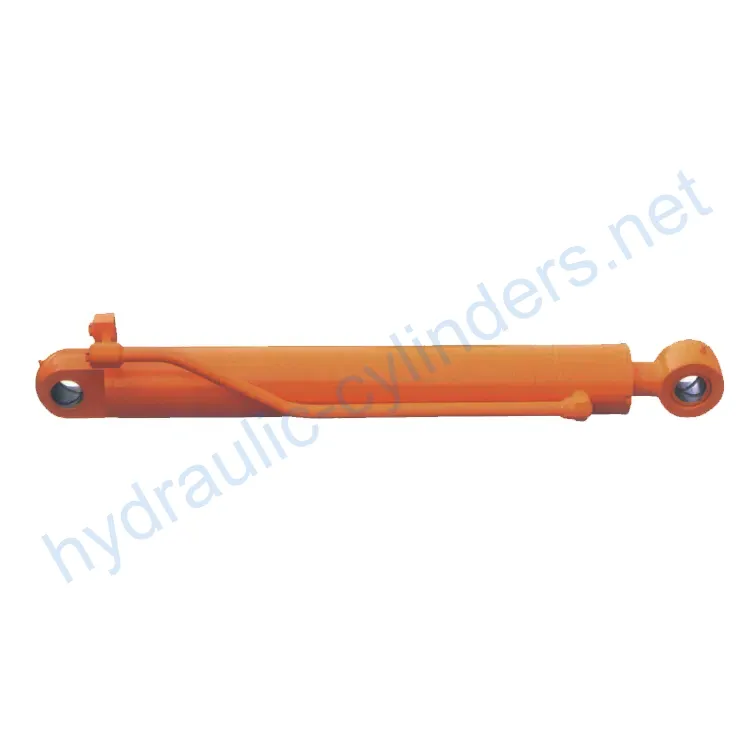
Arm CylinderFor Caterpillar Small Excavator E301.7DCR
Como cilindros hidráulicos uno de los fabricantes, los surtidores y los exportadores de productos mecánicos, ofrecemos cilindros hidráulicos y muchos otros productos.
Póngase en contacto con nosotros para más información.
Correo:sales@hydraulic-cylinders.net
Fabricante proveedor exportador de cilindros hidráulicos.
Arm Cylinder For Caterpillar Small Excavator E301.7DCR
Introducción
The Arm Cylinder for Caterpillar Small Excavator E301.7DCR is a specialized hydraulic cylinder designed to provide linear motion and power to the arm of various machinery, such as excavators, cranes, and robotic arms. The arm cylinder plays a critical role in hydraulic systems, enabling effective movement and control of additional tools or attachments. These cylinders not only ensure smooth motion but also withstand heavy loads, ensuring efficient operation and reliability of the machinery under various working conditions.
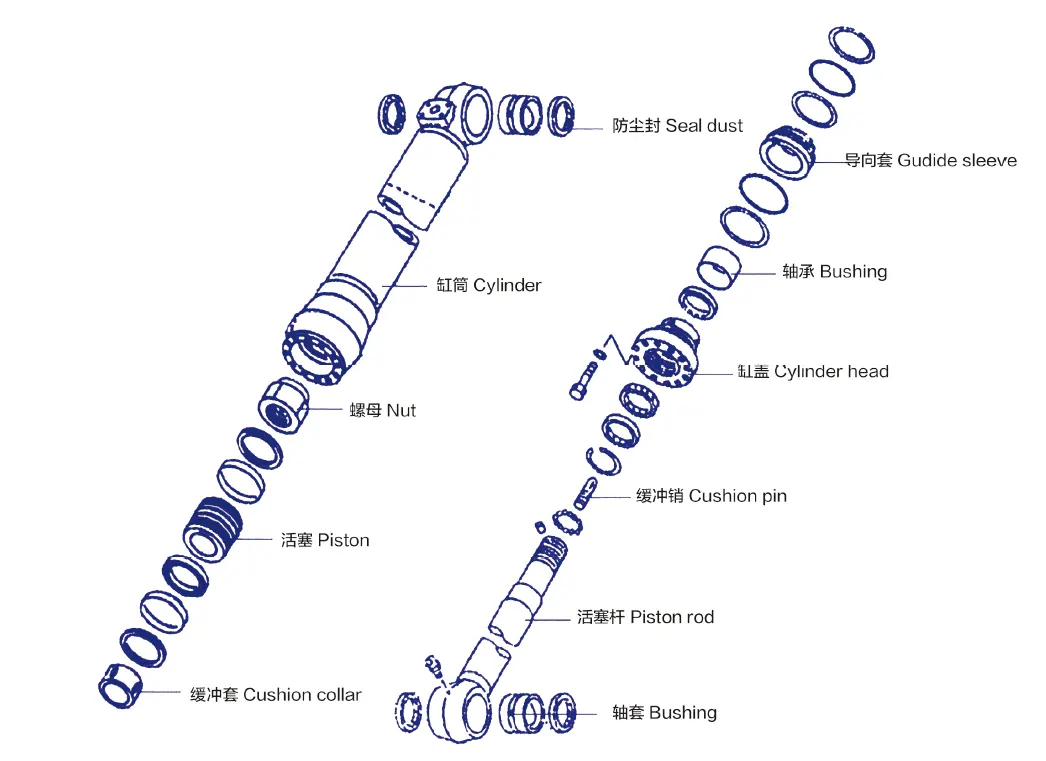
Características
- Transmisión de alta eficiencia: El cilindro del brazo proporciona un potente movimiento lineal y fuerza, lo que garantiza capacidades de alto rendimiento para el brazo mecánico en diversas operaciones.
- Control preciso: Through hydraulic systems, the arm cylinder enables precise motion control, making operations with attached tools more flexible and accurate.
- Durabilidad: Los cilindros de brazo generalmente están fabricados con materiales de alta resistencia, lo que ofrece una excelente resistencia al desgaste y a la corrosión, lo que los hace adecuados para uso a largo plazo en entornos hostiles.
- Adaptabilidad multifuncional: Estos cilindros se pueden aplicar ampliamente a diversas maquinarias, como excavadoras, grúas y brazos robóticos, adaptándose a diferentes requisitos de trabajo.
- Fácil mantenimiento: Designed with ease of maintenance and replacement in mind, the arm cylinder allows for convenient periodic inspections and upkeep, reducing equipment downtime.

Aplicaciones
The Arm Cylinder for Caterpillar Small Excavator E301.7DCR finds applications in various industries:
- Ingeniería de la construcción: En excavadoras y grúas, el cilindro del brazo controla el movimiento de los cucharones o plumas para trabajos de movimiento de tierras, manipulación de materiales e instalación de estructuras.
- Fabricación: In automated production lines, the arm cylinder facilitates the motion of robotic arms for processes like assembly, welding, and material handling, enhancing productivity and precision.
- Maquinaria agrícola: En maquinaria agrícola como cosechadoras y sembradoras, el cilindro del brazo controla el movimiento de los brazos operativos para tareas como la siembra, la fertilización y la cosecha.
- Minería: En los equipos de minería, el cilindro del brazo controla el movimiento del brazo de la maquinaria minera para la extracción y el transporte de mineral.
- Logística y Transporte: En carretillas elevadoras y robots de manipulación, el cilindro del brazo controla la elevación y el movimiento de las horquillas, lo que permite la manipulación y el apilado de materiales.
Consideraciones de diseño y criterios de selección

When designing and selecting the arm cylinder, several factors should be considered:
- Capacidad de carga: The cylinder should be able to withstand the intended loads and forces.
- Caza de focas: Various sealing components, such as piston seals and rod seals, should be used, employing wear-resistant materials like polyurethane and nitrile rubber.
- Durabilidad: The cylinder body and threaded ends should undergo precise treatment to enhance wear resistance.
- Seguridad: Se deben incorporar características de seguridad para prevenir accidentes y garantizar la protección del operador.
- Mantenibilidad: Considerations should be given to easy maintenance and repair, including regular lubrication with suitable hydraulic oil.
Inspección y mantenimiento preventivo
To ensure the optimum performance and longevity of the arm cylinder, the following measures should be taken:
- Inspeccione periódicamente el cilindro para detectar cualquier signo de desgaste, fugas o daños.
- Check and replace worn-out seals and other components as necessary.
- Maintain the appropriate hydraulic fluid level and quality.
- Siga el programa de mantenimiento recomendado proporcionado por el fabricante.
- Perform preventive maintenance tasks, such as cleaning and lubricating, to prevent potential issues.
Guía de instalación
La correcta instalación del cilindro del brazo es crucial para su rendimiento y durabilidad. Siga estos pasos:
- Ensure the equipment is securely supported and in a stable position.
- Clean the mounting area on the machinery and the cylinder itself.
- Attach the cylinder to the designated mounting points, aligning it correctly.
- Secure the cylinder using appropriate bolts and fasteners.
- Check the cylinder for any leaks or misalignment after installation.

Consideraciones de seguridad y factores ambientales
When working with the arm cylinder, it is essential to prioritize safety measures due to the inherent risks involved. Safety precautions should be followed, such as:
- Providing proper training to the operators on safe handling and operation.
- Using appropriate personal protective equipment (PPE) when working with or near the cylinder.
- Adhering to relevant safety guidelines and regulations.
- Considering the environmental impact of hydraulic fluids and ensuring proper disposal.
Diagnóstico de fallas y problemas comunes
The following are some common faults and issues that may occur with the arm cylinder:
- Fuga de líquido hidráulico de sellos o conexiones.
- Reduced performance, such as slow or uneven movement.
- Ruido o vibración excesivos durante el funcionamiento.
- Severe wear or damage to the cylinder body or components.
To troubleshoot and resolve these problems, consider the following tips and solutions:
- Inspect and replace worn or damaged seals and connections.
- Clean and lubricate the cylinder to ensure smooth operation.
- Tighten loose connections or bolts.
- Consult the manufacturer’s guidelines or seek professional assistance for more complex issues.

Remember to organize the article logically, use subheadings for easy navigation, incorporate relevant images or charts to enhance understanding, and ensure content clarity, conciseness, and suitability for readers with varying technical knowledge levels. Lastly, the article was written by lyl.
Acerca de nuestra empresa
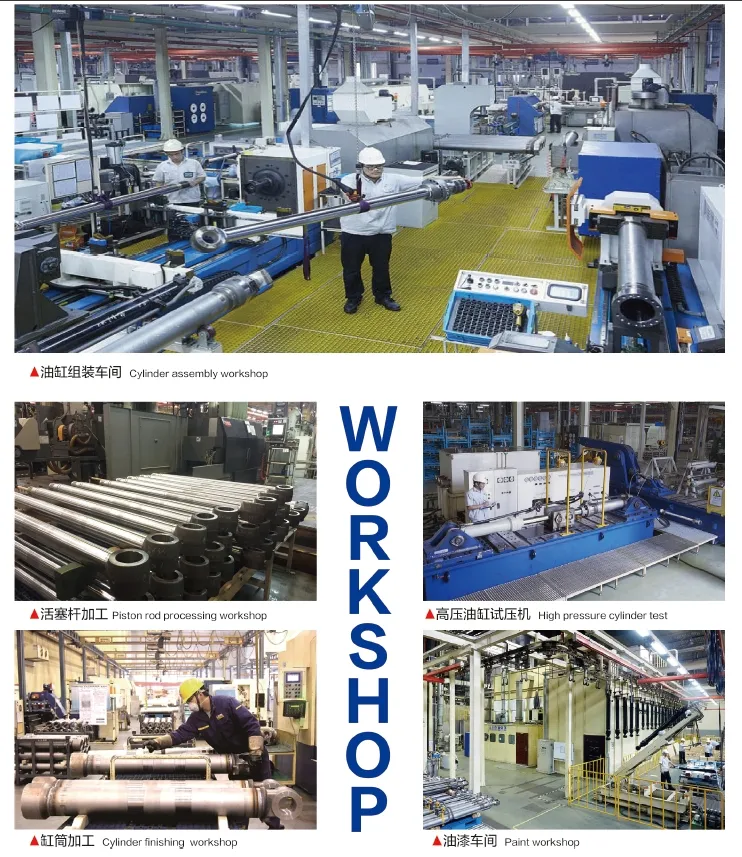
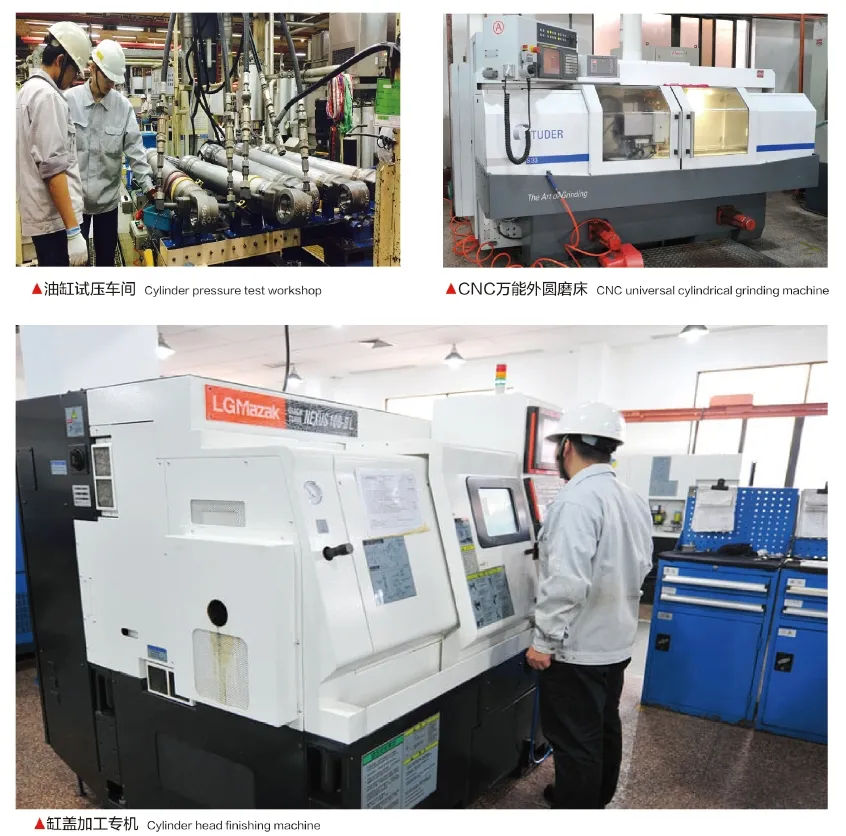
We are a professional manufacturer of replacement hydraulic cylinders, offering a wide range of products. We have become one of the leading manufacturers and wholesale distributors of hydraulic cylinders in domestic and international markets. Upholding the principle of excellence, we continuously improve our technological expertise and production efficiency through refined manufacturing processes and industrialized production management strategies in our advanced workshops. By introducing high-end digital manufacturing equipment and professional testing systems, we optimize our manufacturing platform and enhance our product quality control process, enabling us to provide innovative solutions. Our goal is to meet diverse customer requirements with efficiency, accuracy, and high-quality standards.
Además, ofrecemos:
- Profesionalismo y experiencia en el campo.
Cilindro hidráulico Aplicación:

 ES
ES  EN
EN  PT
PT  DE
DE  FR
FR  IT
IT  AR
AR  ZH
ZH  RU
RU  KO
KO  KA
KA  BG
BG  CS
CS  DA
DA  EL
EL  ET
ET  FI
FI  HU
HU  ID
ID  LT
LT  LV
LV  NB
NB  NL
NL  PL
PL  RO
RO  SK
SK  SL
SL  SV
SV  TR
TR  UK
UK