
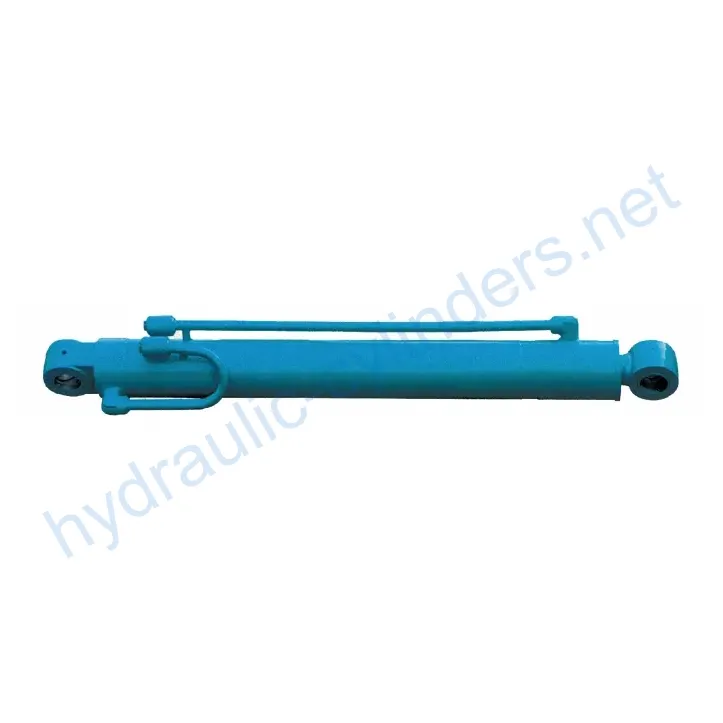
Arm CylinderFor Doosan Middle Excavator DH225LC-9
Como cilindros hidráulicos uno de los fabricantes, los surtidores y los exportadores de productos mecánicos, ofrecemos cilindros hidráulicos y muchos otros productos.
Póngase en contacto con nosotros para más información.
Correo:sales@hydraulic-cylinders.net
Fabricante proveedor exportador de cilindros hidráulicos.
Arm Cylinder for Doosan Middle Excavator DH225LC-9
Definición
El cilindro del brazo es un cilindro hidráulico especialmente diseñado que proporciona movimiento lineal y potencia al brazo de diversos tipos de maquinaria, como excavadoras, grúas y brazos robóticos. Desempeña un papel crucial en los sistemas hidráulicos, permitiendo el movimiento y control eficientes de herramientas o accesorios adicionales. Estos cilindros no solo garantizan un movimiento suave, sino que también soportan cargas pesadas, asegurando el funcionamiento eficiente y la fiabilidad de la maquinaria en diversas condiciones de trabajo.
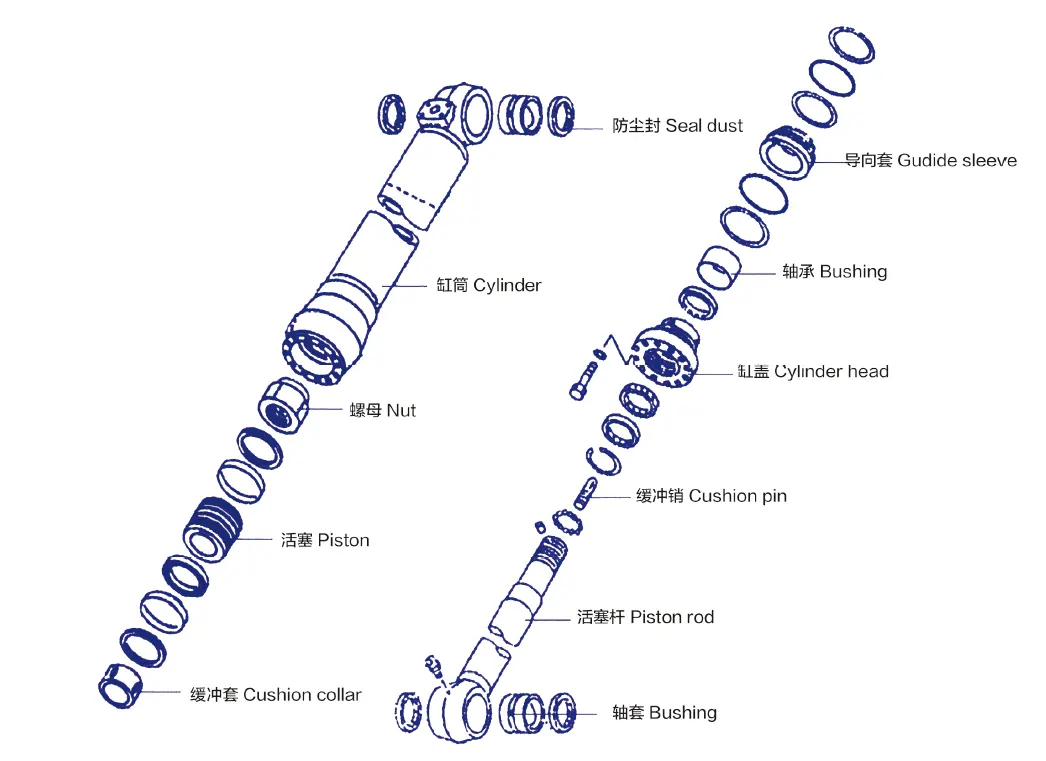
Características
- Transmisión de alta eficiencia: El cilindro del brazo proporciona un potente movimiento lineal y fuerza, lo que garantiza capacidades de alto rendimiento para el brazo mecánico en diversas operaciones.
- Control preciso: a través del sistema hidráulico, el cilindro del brazo permite un control preciso del movimiento, haciendo que la operación de herramientas adicionales sea más flexible y precisa.
- Gran durabilidad: Los cilindros de los brazos suelen estar fabricados con materiales de alta resistencia con excelente resistencia al desgaste y a la corrosión, lo que los hace adecuados para un uso prolongado en entornos hostiles.
- Adaptabilidad multifuncional: estos cilindros se pueden aplicar ampliamente a diversas maquinarias, como excavadoras, grúas y brazos robóticos, adaptándose a diferentes requisitos de trabajo.
- Mantenimiento sencillo: El diseño tiene en cuenta la facilidad de mantenimiento y sustitución, lo que hace que las inspecciones y el mantenimiento regulares sean más convenientes y reduce el tiempo de inactividad del equipo.

Aplicaciones
El cilindro del brazo encuentra aplicaciones en diversas industrias:
- Construction Engineering: In excavators and cranes, the arm cylinder controls the movement of the bucket or boom for earthworks, material handling, and structural installation.
- Manufacturing Industry: In automated production lines, the arm cylinder controls the movement of robotic arms for processes such as assembly, welding, and material handling, enhancing production efficiency and accuracy.
- Maquinaria agrícola: En equipos agrícolas como cosechadoras y sembradoras, el cilindro del brazo controla el movimiento de los brazos operativos para tareas como sembrar, fertilizar y cosechar.
- Minería: En los equipos de minería, el cilindro del brazo controla el movimiento del brazo de la maquinaria minera para la extracción y el transporte de mineral.
- Logistics and Transportation: In forklifts and handling robots, the arm cylinder controls the lifting and movement of cargo forks, facilitating material handling and stacking.
Consideraciones de diseño y criterios de selección
- Bearing Capacity: Discuss the arm cylinder’s ability to handle different loads and provide necessary force.
- Sealing: Explore the use of various seals like piston seals and rod seals made of wear-resistant materials like polyurethane and nitrile rubber. Highlight the importance of proper sealing for cylinder performance.
- Durability: Discuss the durability features of the arm cylinder, such as the use of high-strength materials and surface treatments to enhance wear resistance.
- Safety: Address the safety considerations in the design, emphasizing the importance of reliable and secure operation.
- Maintainability: Discuss the ease of maintenance and the need for regular inspections and lubrication to ensure optimal performance.

Sellado y lubricación
Proper sealing and lubrication are essential for the arm cylinder’s performance:
- Various seals, such as piston seals and rod seals, are used to prevent leakage and ensure efficient operation. These seals are made from wear-resistant materials like polyurethane and nitrile rubber.
- The cylinder body and threaded end surfaces undergo fine processing to improve wear resistance and longevity.
- Regular lubrication with the appropriate amount of hydraulic oil is necessary to ensure smooth operation and prevent damage.
Inspección regular y mantenimiento preventivo
To maintain the arm cylinder’s performance and longevity, the following measures should be taken:
- Inspeccione periódicamente el cilindro para detectar cualquier signo de desgaste, fugas o daños.
- Tighten any loose connections and replace worn-out seals or components promptly.
- Keep the cylinder and its surrounding area clean to prevent the accumulation of debris or contaminants.
- Follow the manufacturer’s guidelines for maintenance intervals and lubrication requirements.
- Train personnel on proper handling and operation to minimize potential issues.
Guía de instalación del producto
Siga estos pasos para la correcta instalación del cilindro del brazo:
- Ensure the machinery is powered off and in a stable position.
- Desconecte cualquier línea hidráulica conectada al cilindro antiguo.
- Remove the mounting brackets or fasteners securing the old cylinder.
- Carefully remove the old cylinder, taking note of its orientation.
- Inspect the new arm cylinder for any shipping damage or defects.
- Align the new cylinder with the mounting points and secure it using the appropriate fasteners.
- Connect the hydraulic lines to the new cylinder, ensuring proper alignment and tight connections.
- Test the operation of the cylinder to ensure smooth and accurate movement.

Consideraciones de seguridad y factores ambientales
When using arm cylinders, safety precautions are crucial to prevent accidents and ensure operator well-being. It is important to:
- Follow all safety guidelines and regulations related to machinery operation and maintenance.
- Provide proper training to operators on the safe use and handling of the arm cylinder.
- Regularly inspect the cylinder and surrounding components for potential hazards or signs of wear.
- Implement safety features such as emergency stop systems and protective covers where applicable.
Solución de problemas y problemas comunes
Cuando surjan problemas con el cilindro del brazo, los siguientes pasos de solución de problemas pueden ayudar a diagnosticar y resolver los problemas:
- If the arm cylinder fails to extend or retract, check for hydraulic fluid leaks, insufficient pressure, or clogged hydraulic lines.
- If the cylinder operates erratically or produces unusual noises, inspect for damaged seals, misalignment, or worn-out components.
- If the cylinder exhibits slow or weak movement, check for low hydraulic fluid levels, insufficient lubrication, or internal leaks.
By addressing these common issues, readers can effectively diagnose and resolve problems. Emphasize the importance of preventive measures to minimize potential issues.

Recuerde organizar el artículo de forma lógica, utilizar subtítulos para facilitar la navegación, incorporar imágenes o gráficos relevantes para mejorar la comprensión y asegurarse de que el contenido sea claro, conciso y adecuado para lectores con distintos niveles de conocimientos técnicos.
Sobre nosotros
We are a professional manufacturer of replacement hydraulic cylinders. With a wide range of product offerings, we have become one of the leading manufacturers and wholesale distributors in the domestic and international markets. We adhere to the principle of excellence in quality and continuously improve our technical expertise and production efficiency through industrialized production management in our advanced manufacturing workshop. By introducing high-end digital manufacturing equipment and professional testing systems, we optimize our manufacturing platform, refine product quality control processes, and possess strong innovation capabilities. Our goal is to meet diverse customer needs with efficiency, precision, and high-quality products.

Cilindro hidráulico Aplicación:

 ES
ES  EN
EN  PT
PT  DE
DE  FR
FR  IT
IT  AR
AR  ZH
ZH  RU
RU  KO
KO  KA
KA  BG
BG  CS
CS  DA
DA  EL
EL  ET
ET  FI
FI  HU
HU  ID
ID  LT
LT  LV
LV  NB
NB  NL
NL  PL
PL  RO
RO  SK
SK  SL
SL  SV
SV  TR
TR  UK
UK