

Cilindro de brazo para excavadora de ruedas Hitachi ZX170W-3
Como cilindros hidráulicos uno de los fabricantes, los surtidores y los exportadores de productos mecánicos, ofrecemos cilindros hidráulicos y muchos otros productos.
Póngase en contacto con nosotros para más información.
Correo:sales@hydraulic-cylinders.net
Fabricante proveedor exportador de cilindros hidráulicos.
Arm Cylinder for Hitachi Wheel Excavator ZX170W-3
Introducción
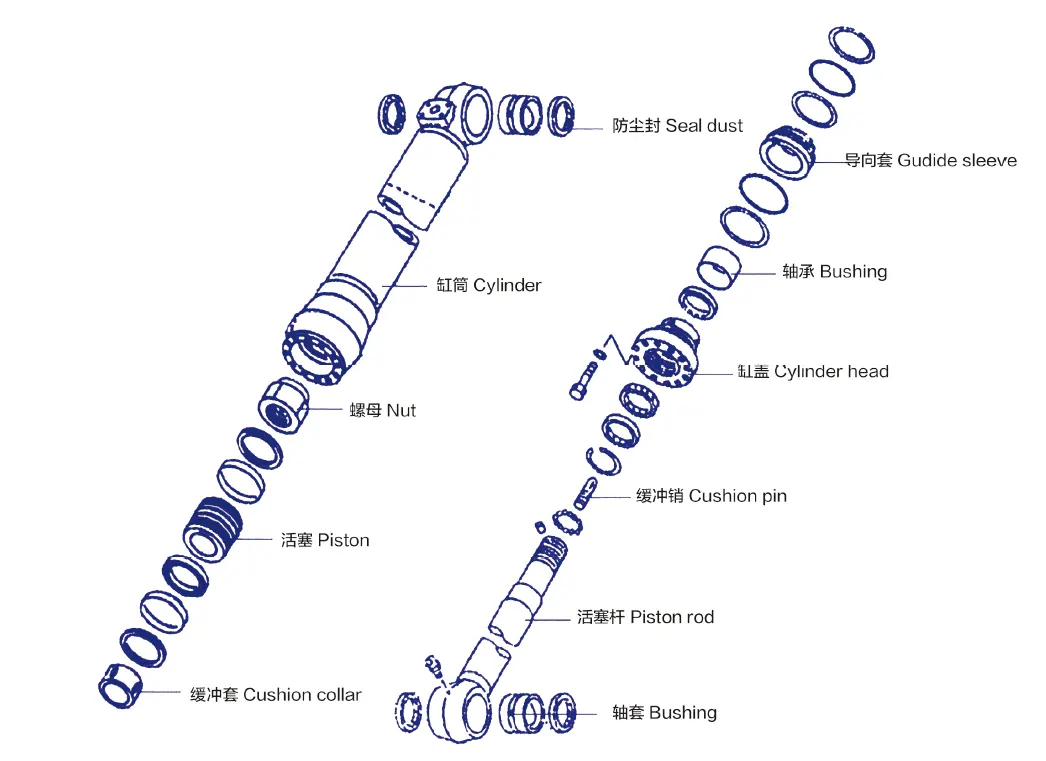
The Arm Cylinder for Hitachi Wheel Excavator ZX170W-3 is a specialized hydraulic cylinder designed to provide linear motion and power to the arm of various machinery such as excavators, cranes, and mechanical arms. The arm cylinder plays a crucial role in hydraulic systems, enabling the efficient movement and control of additional tools or attachments. These cylinders not only ensure smooth motion but also withstand heavy loads, ensuring high efficiency and reliability of the machinery in various operating conditions.
Características
-
High-efficiency Transmission
El cilindro del brazo proporciona un potente movimiento lineal y fuerza, lo que garantiza un alto rendimiento del brazo mecánico en diversas operaciones.
-
Control preciso
Through the hydraulic system, the arm cylinder enables accurate motion control, making the operation of additional tools more flexible and precise.
-
Durabilidad
El cilindro del brazo generalmente está hecho de materiales de alta resistencia, lo que ofrece una excelente resistencia al desgaste y a la corrosión, lo que lo hace adecuado para uso a largo plazo en entornos hostiles.
-
Adaptabilidad versátil
These cylinders can be widely applied to various machinery such as excavators, cranes, and mechanical arms, adapting to different work requirements.
-
Fácil mantenimiento
El diseño considera la facilidad de mantenimiento y reemplazo, haciendo que la inspección y el mantenimiento regulares sean más convenientes, reduciendo el tiempo de inactividad del equipo.

Aplicaciones
1. Ingeniería de la Construcción
En excavadoras y grúas, el cilindro del brazo controla el movimiento de cucharones o plumas para movimiento de tierras, manipulación de materiales e instalaciones estructurales.
2. Industria manufacturera
In automated production lines, the arm cylinder is used for the motion of mechanical arms in processes such as assembly, welding, and handling, enhancing production efficiency and accuracy.
3. Maquinaria agrícola
En maquinaria agrícola como cosechadoras y sembradoras, el cilindro del brazo controla el movimiento de los brazos operativos para tareas como la siembra, la fertilización y la cosecha.
4. Minería
En los equipos de minería, el cilindro del brazo controla el movimiento del brazo de la maquinaria minera para la extracción y el transporte de mineral.
5. Logística y transporte
En carretillas elevadoras y robots de manipulación, el cilindro del brazo controla la elevación y el movimiento de las horquillas, lo que permite la manipulación y el apilado de materiales.

Consideraciones de diseño y criterios de selección
When designing arm cylinders, several key factors need to be considered:
-
Capacidad de carga
The arm cylinder should be designed to withstand the expected loads and forces to ensure safe and efficient operation.
-
Caza de focas
Various sealing components, such as piston seals and rod seals, should be used, preferably made of wear-resistant materials like polyurethane and nitrile rubber. The cylinder body and threaded ends should undergo precise treatment to enhance wear resistance. Regular lubrication with hydraulic oil is necessary for smooth operation.
-
Durabilidad
The arm cylinder should be made of durable materials with excellent resistance to wear and corrosion to withstand harsh operating conditions.
-
Seguridad
Safety features should be incorporated into the design, such as pressure relief valves or overload protection mechanisms, to prevent accidents or damage to the machinery.
-
Mantenibilidad
The design should consider ease of maintenance and repair, allowing for convenient inspections and minimizing downtime.

Inspección regular y mantenimiento preventivo
- Regularly inspect the arm cylinder for any signs of leaks, damage, or abnormal wear. Address any issues promptly to prevent further damage and ensure optimal performance.
- Check and replace worn or damaged seals and components regularly to maintain proper sealing and prevent fluid leakage.
- Ensure the arm cylinder is properly lubricated with the recommended hydraulic oil at the specified intervals to reduce friction and ensure smooth operation.
- Verify the tightness of all connections and fasteners to prevent potential leaks or loosening during operation.
- Follow the manufacturer’s guidelines for maintenance and conduct periodic inspections to identify any potential issues before they escalate.
Guía de instalación del producto
Follow these steps to properly install the arm cylinder:
- Asegúrese de que la maquinaria esté apagada y el sistema hidráulico esté despresurizado.
- Remove the old arm cylinder if necessary, carefully disconnecting any hydraulic lines or fittings.
- Inspect the mounting points and mating surfaces for any damage or debris. Clean and prepare them as needed.
- Position the new arm cylinder in place, aligning the mounting holes with the corresponding points on the machinery.
- Securely fasten the arm cylinder to the machinery using the appropriate bolts or pins, ensuring proper alignment.
- Reconnect any hydraulic lines or fittings, following the manufacturer’s specifications for torque and tightness.
- Test the arm cylinder’s functionality by gradually pressurizing the hydraulic system and checking for proper operation.
- Inspect for any leaks or abnormal behavior. Address any issues before putting the machinery back into service.

Consideraciones de seguridad y factores ambientales
When working with arm cylinders, it is essential to prioritize safety measures:
- Follow all safety guidelines provided by the manufacturer for the specific machinery and hydraulic system.
- Use appropriate personal protective equipment (PPE) when working with hydraulic systems, including gloves, safety glasses, and protective clothing.
- Regularly inspect the arm cylinder and hydraulic system for any potential safety hazards, such as leaks or damaged components.
- Train operators and maintenance personnel on proper handling and operation of the machinery to minimize the risk of accidents or injuries.
- Dispose of used hydraulic fluids and components in accordance with local environmental regulations to prevent pollution and protect the environment.
Solución de problemas y problemas comunes
Entre los problemas comunes que pueden surgir con los cilindros de los brazos se incluyen:
- Leaking hydraulic fluid: Inspect and replace worn or damaged seals to ensure proper sealing and prevent fluid leakage.
- Abnormal noises during operation: Check for loose connections or worn components and address them promptly to avoid further damage.
- Inconsistent or loss of movement: Verify the hydraulic system pressure and flow, and inspect for any blockages or restrictions in the lines.
For troubleshooting and resolving these issues, consider the following:
- Refer to the manufacturer’s documentation for specific troubleshooting steps and recommended solutions.
- Consult with a qualified hydraulic technician or contact the manufacturer’s customer support for assistance.
- Regularly maintain and inspect the arm cylinder to identify
Cilindro hidráulico Aplicación:

 ES
ES  EN
EN  PT
PT  DE
DE  FR
FR  IT
IT  AR
AR  ZH
ZH  RU
RU  KO
KO  KA
KA  BG
BG  CS
CS  DA
DA  EL
EL  ET
ET  FI
FI  HU
HU  ID
ID  LT
LT  LV
LV  NB
NB  NL
NL  PL
PL  RO
RO  SK
SK  SL
SL  SV
SV  TR
TR  UK
UK