

Cilindro de brazo para excavadora grande Kobelco SK380D-8
Como cilindros hidráulicos uno de los fabricantes, los surtidores y los exportadores de productos mecánicos, ofrecemos cilindros hidráulicos y muchos otros productos.
Póngase en contacto con nosotros para más información.
Correo:sales@hydraulic-cylinders.net
Fabricante proveedor exportador de cilindros hidráulicos.
Arm Cylinder For Kobelco Large Excavator SK380D-8
Introducción
The Arm Cylinder for Kobelco Large Excavator SK380D-8 is a specially designed hydraulic cylinder that provides linear motion and power to the arm of various types of machinery, such as excavators, cranes, and robotic arms. The arm cylinder plays a crucial role in hydraulic systems, allowing for the efficient movement and control of attachments or accessories. These cylinders not only ensure smooth motion but also withstand heavy loads, ensuring high operational efficiency and reliability under various working conditions.
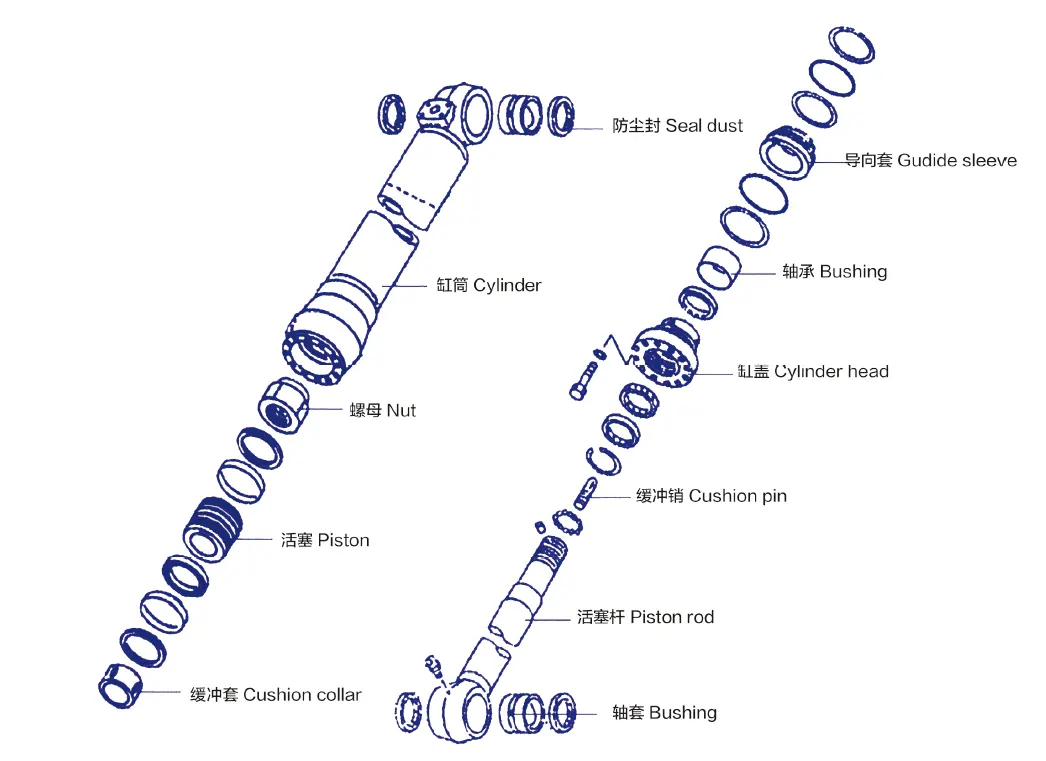
Características
- Transmisión de alta eficiencia: El cilindro del brazo proporciona un potente movimiento y fuerza lineal, lo que garantiza un alto rendimiento del brazo mecánico en diversas operaciones.
- Control preciso: a través del sistema hidráulico, el cilindro del brazo permite un control preciso del movimiento, haciendo que la operación de las herramientas adjuntas sea más flexible y precisa.
- Durability: Arm cylinders are manufactured using high-strength materials, offering excellent wear and corrosion resistance, making them suitable for long-term use in harsh environments.
- Multi-functional Adaptability: These cylinders can be widely applied in various types of machinery, such as excavators, cranes, and robotic arms, to meet different job requirements.
- Fácil mantenimiento: el diseño del cilindro del brazo tiene en cuenta la facilidad de mantenimiento y reemplazo, lo que hace que las inspecciones y el mantenimiento regulares sean más convenientes y reducen el tiempo de inactividad del equipo.

Aplicaciones
El cilindro del brazo encuentra aplicaciones en diversas industrias:
- Construction: In excavators and cranes, the arm cylinder controls the movement of the bucket or boom for earthworks, material handling, and structural installation.
- Manufacturing: In automated production lines, the arm cylinder enables the motion of robotic arms for assembly, welding, and material handling processes, improving production efficiency and precision.
- Maquinaria agrícola: En equipos agrícolas como cosechadoras y sembradoras, el cilindro del brazo controla el movimiento de los brazos operativos para tareas como sembrar, fertilizar y cosechar.
- Minería: En los equipos de minería, el cilindro del brazo controla el movimiento del brazo para fines de minería y transporte de materiales.
- Logística y Transporte: En carretillas elevadoras y robots de manipulación, el cilindro del brazo controla la elevación y el movimiento de las horquillas, lo que permite la manipulación y el apilado de materiales.
Consideraciones de diseño y criterios de selección
When it comes to the design and selection of arm cylinders, several factors should be considered:
- Load-bearing Capacity: The arm cylinder should be capable of withstanding the specific load requirements of the machinery it will be used on.
- Sealing: Various sealing components, such as piston seals and rod seals, should be used to ensure proper sealing. These seals are typically made of wear-resistant materials like polyurethane and nitrile rubber.
- Durability: The arm cylinder’s body and threaded ends should undergo meticulous processing to enhance wear resistance and improve overall durability.
- Safety: Safety features should be integrated into the design to prevent accidents and ensure operator protection during operation and maintenance.
- Maintainability: Considerations should be given to easy maintenance and repair, allowing for convenient inspection and minimizing equipment downtime.

Sellado y lubricación
The arm cylinder utilizes various sealing components, such as piston seals and rod seals, made of wear-resistant materials like polyurethane and nitrile rubber. The cylinder body and threaded ends undergo meticulous processing to enhance wear resistance. Regular lubrication with hydraulic oil is necessary to ensure proper operation and lubrication of moving parts.
Inspección regular y mantenimiento preventivo
Para garantizar un rendimiento óptimo y la longevidad del cilindro del brazo, se deben tomar las siguientes medidas:
- Inspeccione periódicamente el cilindro del brazo para detectar signos de desgaste, fugas o daños.
- Revise y reemplace los sellos desgastados y otros componentes según sea necesario.
- Keep the cylinder and surrounding area clean to prevent contamination and damage.
- Maintain proper lubrication by regularly replenishing hydraulic oil.
- Follow the manufacturer’s guidelines for preventative maintenance, including torque specifications and recommended service intervals.
Guía de instalación del producto
Proper installation of the arm cylinder is essential for its efficient and safe operation. Follow these steps:
- Asegúrese de que la maquinaria esté apagada y que se haya liberado toda la presión hidráulica.
- Inspect the mounting area and clean it of any debris or contaminants.
- Alinee el cilindro del brazo con los puntos de montaje y fíjelo utilizando pernos o sujetadores adecuados.
- Torque the bolts or fasteners to the manufacturer’s specifications.
- Verify that the arm cylinder is properly aligned and does not interfere with any other components or structures.
- Connect the hydraulic hoses and fittings according to the machinery’s hydraulic system.
- Check for any leaks and ensure proper hydraulic fluid levels.
- Perform a test operation to verify the arm cylinder’s functionality and make necessary adjustments if needed.

Consideraciones de seguridad y factores ambientales
When working with arm cylinders, safety precautions are crucial to prevent accidents and ensure operator well-being. Adequate training, adherence to safety guidelines, and the use of appropriate personal protective equipment are essential for safe operation. Furthermore, considering environmental factors such as reducing fluid leaks and proper disposal of hydraulic fluids contribute to environmental sustainability.
Solución de problemas y problemas comunes
Arm cylinders may encounter certain faults or common issues that require attention. Here are some examples:
- Leakage: Check for potential seal damage or loose connections and replace or tighten as necessary.
- Slow or Inconsistent Movement: Inspect the hydraulic system for possible restrictions or insufficient fluid levels and address accordingly.
- Excessive Noise or Vibration: Verify that all components are properly tightened and aligned. Check for worn or damaged parts and replace as needed.
- Seal Failure: If seals are consistently failing, consider upgrading to higher-quality seals or consult a professional for further analysis.
For efficient troubleshooting and problem-solving, refer to the manufacturer’s documentation or consult with a hydraulic system specialist.

Remember to organize the article logically, using subheadings for easy navigation. Incorporate relevant images or charts to enhance understanding and ensure clarity and conciseness of the content, suitable for readers with varying levels of technical knowledge.
Acerca de nuestra empresa
We are a professional manufacturer of replacement hydraulic cylinders, offering a wide range of products. We have become one of the leading manufacturers and wholesalers of hydraulic cylinders in both domestic and international markets. Upholding the principle of excellence in quality, we continuously improve our technological capabilities and production efficiency through advanced manufacturing facilities and professional testing systems. Our aim is to meet the diverse needs of our customers with efficiency, accuracy, and high-quality products.
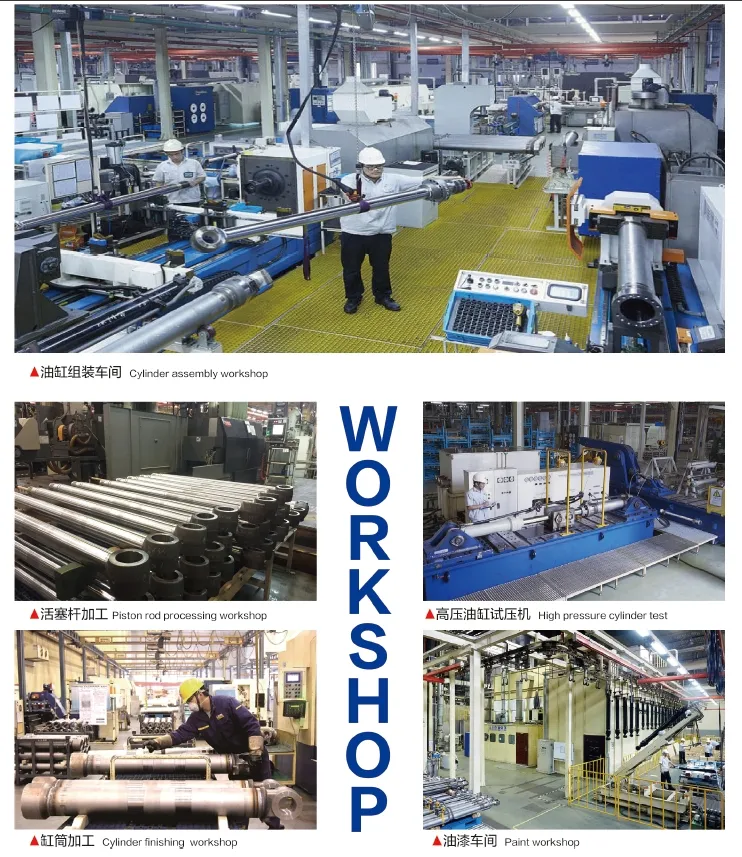
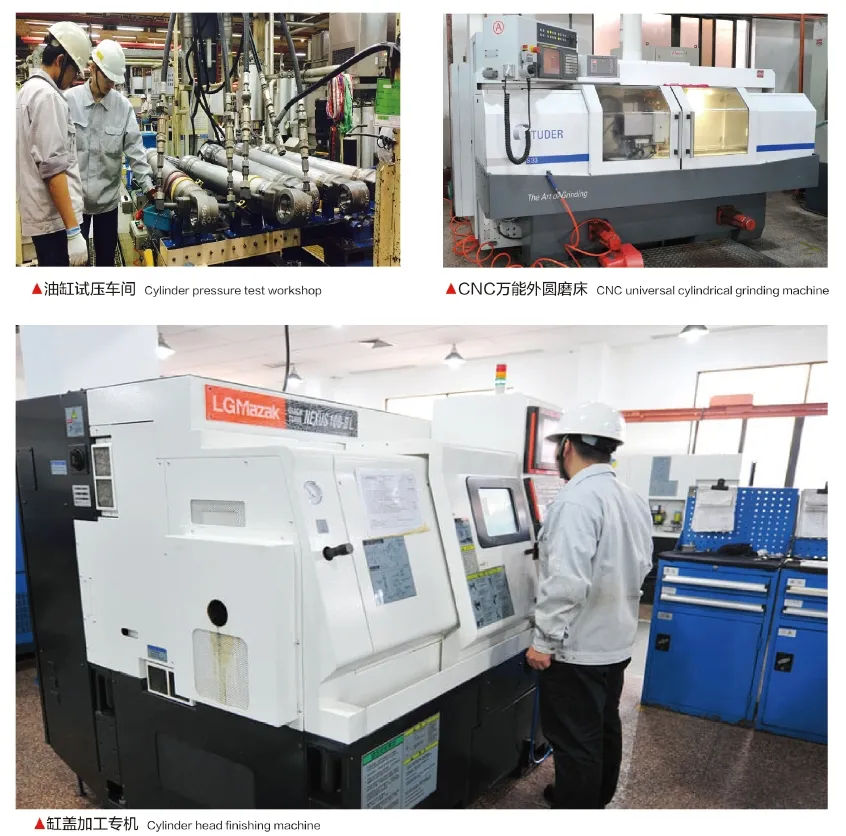
Cilindro hidráulico Aplicación:

 ES
ES  EN
EN  PT
PT  DE
DE  FR
FR  IT
IT  AR
AR  ZH
ZH  RU
RU  KO
KO  KA
KA  BG
BG  CS
CS  DA
DA  EL
EL  ET
ET  FI
FI  HU
HU  ID
ID  LT
LT  LV
LV  NB
NB  NL
NL  PL
PL  RO
RO  SK
SK  SL
SL  SV
SV  TR
TR  UK
UK