
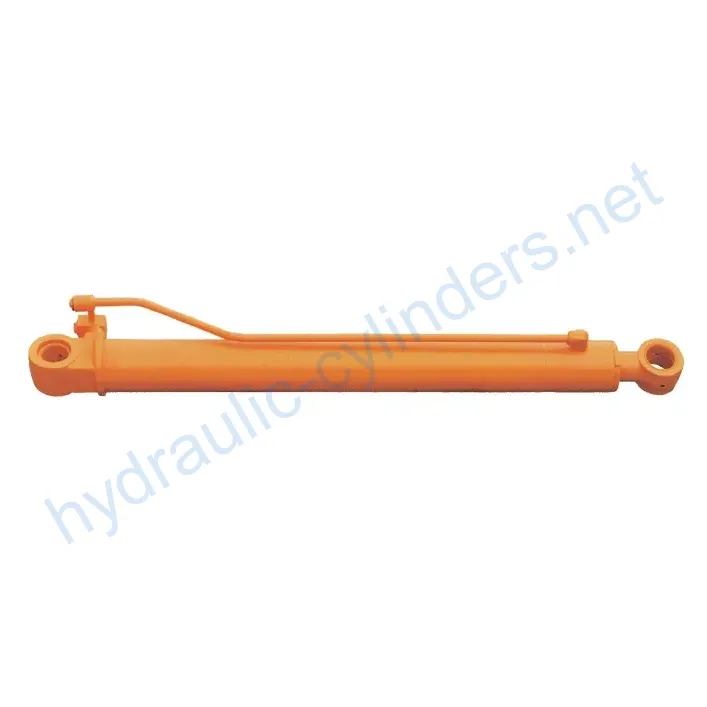
Cilindro de brazo para excavadora grande Sumitomo SH300-5
Como cilindros hidráulicos uno de los fabricantes, los surtidores y los exportadores de productos mecánicos, ofrecemos cilindros hidráulicos y muchos otros productos.
Póngase en contacto con nosotros para más información.
Correo:sales@hydraulic-cylinders.net
Fabricante proveedor exportador de cilindros hidráulicos.
Arm Cylinder For Sumitomo Large Excavator SH300-5
Introducción
The Arm Cylinder is a specially designed hydraulic cylinder that provides linear motion and power to the arm of various machinery, such as excavators, cranes, and robotic arms. It plays a crucial role in hydraulic systems, allowing for efficient movement and control of additional tools or attachments. These cylinders not only ensure smooth and precise motion but also have the ability to withstand heavy loads, ensuring high operational efficiency and reliability in various working conditions.
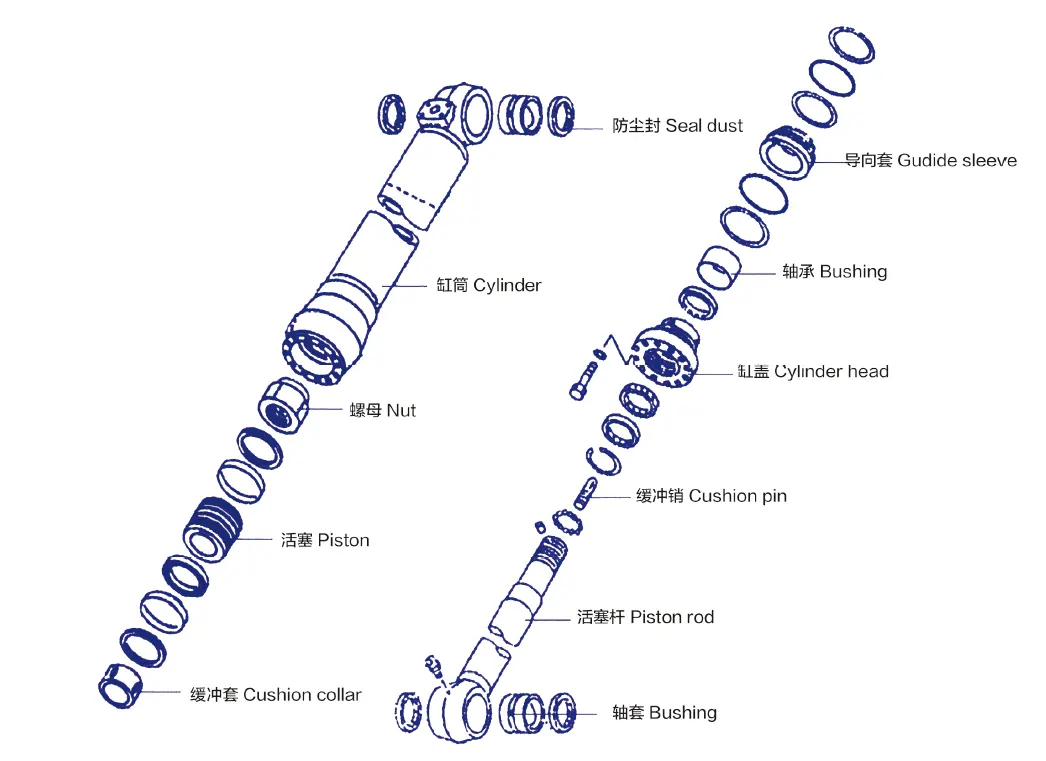
Características
- Transmisión de alta eficiencia: The Arm Cylinder provides powerful linear motion and force, ensuring high performance of the mechanical arm in various operations.
- Control preciso: A través del sistema hidráulico, el cilindro del brazo permite un control preciso del movimiento, haciendo que la operación de herramientas adicionales sea más flexible y precisa.
- Durabilidad: Arm Cylinders are typically made of high-strength materials, offering excellent wear and corrosion resistance, making them suitable for long-term use in harsh environments.
- Adaptabilidad multifuncional: Estos cilindros se pueden utilizar ampliamente en diversas maquinarias, como excavadoras, grúas y brazos robóticos, adaptándose a diferentes requisitos de trabajo.
- Facilidad de mantenimiento: Designed with easy maintenance and replacement in mind, Arm Cylinders facilitate convenient regular inspections and maintenance, reducing equipment downtime.

Aplicaciones
El cilindro de brazo encuentra sus aplicaciones en diversas industrias:
- Ingeniería de la construcción: In excavators and cranes, the Arm Cylinder controls the motion of the bucket or boom, allowing for earthwork, material handling, and structural installation.
- Fabricación: In automated production lines, the Arm Cylinder is used for the motion of robotic arms, enabling assembly, welding, and handling processes, thus improving production efficiency and accuracy.
- Maquinaria agrícola: In agricultural equipment such as harvesters and seeders, the Arm Cylinder controls the movement of operating arms, performing tasks like seeding, fertilizing, and harvesting.
- Minería: In mining equipment, the Arm Cylinder is responsible for controlling the arm movement of mining machinery, enabling ore extraction and transportation.
- Logística y Transporte: En carretillas elevadoras y robots de manipulación, el cilindro del brazo controla la elevación y el movimiento de las horquillas, lo que facilita la manipulación y el apilado de materiales.
Consideraciones de diseño y criterios de selección
When designing and selecting the Arm Cylinder, several key factors should be considered:
- Capacidad de carga: The Arm Cylinder must be able to withstand the maximum load it will encounter during operation.
- Caza de focas: Various sealing components, such as piston seals and rod seals, should be used to ensure effective sealing. These seals are often made of wear-resistant materials like polyurethane and nitrile rubber.
- Durabilidad: The cylinder body and threaded ends should undergo careful surface treatment to improve wear resistance and overall durability.
- Seguridad: Safety features, such as pressure relief valves, should be incorporated into the hydraulic system to prevent overloading and ensure safe operation.
- Mantenibilidad: Regular lubrication with appropriate hydraulic oil and periodic inspections are necessary to ensure proper functioning and extend the lifespan of the Arm Cylinder.

Sellado y lubricación
The Arm Cylinder utilizes various sealing components, such as piston seals and rod seals, which are made of wear-resistant materials like polyurethane and nitrile rubber. The cylinder body and threaded ends undergo precise surface treatment to enhance wear resistance. Regular lubrication with suitable hydraulic oil is required to ensure smooth operation.
Inspección regular y mantenimiento preventivo
To ensure optimal performance and longevity of the Arm Cylinder, the following preventive measures should be taken:
- Inspeccione periódicamente el cilindro para detectar cualquier signo de fuga, daño o desgaste.
- Check the hydraulic system for proper pressure, fluid levels, and filtration.
- Ensure all hydraulic connections are tight and secure.
- Replace any worn or damaged seals promptly.
- Siga el programa de mantenimiento y las directrices recomendadas por el fabricante.
Guía de instalación
Proper installation of the Arm Cylinder is essential for its effective functioning. Follow these steps:
- Asegúrese de que el sistema hidráulico esté despresurizado antes de la instalación.
- Clean the mounting surfaces and remove any debris.
- Alinee el cilindro con los puntos de montaje y fíjelo utilizando pernos o sujetadores adecuados.
- Make sure all hydraulic connections are correctly attached and tight.
- Verifique la alineación adecuada y la libertad de movimiento.

Consideraciones de seguridad y factores ambientales
When using the Arm Cylinder, it is essential to prioritize safety measures. Safety precautions should be followed to prevent accidents and ensure the well-being of operators and surrounding personnel. Environmental factors, such as temperature and humidity, should also be considered to maintain optimal operating conditions for the cylinder.
Solución de problemas y problemas comunes
In case of any malfunctions or issues with the Arm Cylinder, the following troubleshooting steps can be taken:
- Check for hydraulic fluid leaks and ensure all connections are tight.
- Inspect the seals for any signs of damage or wear and replace if necessary.
- Verifique que el sistema hidráulico esté correctamente presurizado.
- Check for any obstructions or interference with the cylinder’s movement.
- Consulte la guía de solución de problemas del fabricante para conocer problemas y soluciones específicos.

Remember to organize the article logically, use subheadings for easy navigation, and incorporate relevant images or charts to enhance understanding. Ensure that the content is clear, concise, and suitable for readers of different technical knowledge levels.
Sobre nosotros
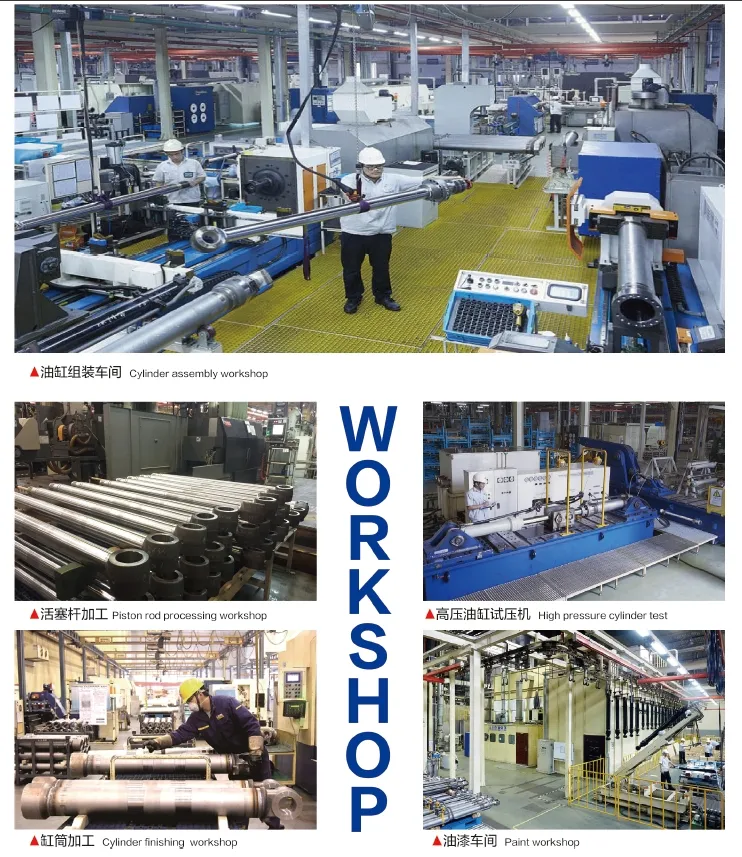
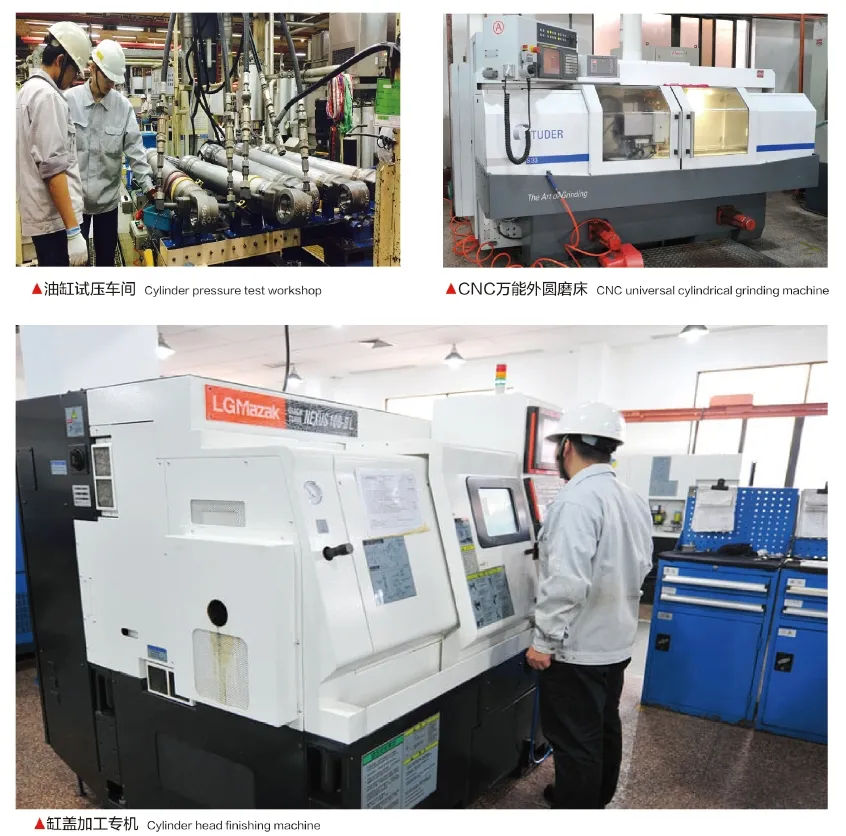
We are a professional manufacturer of replacement hydraulic cylinders with a wide range of products. We have become one of the leading hydraulic cylinder manufacturers and wholesale distributors in both domestic and international markets. With a commitment to excellence, we continuously improve our technical expertise and production efficiency through fine-tuned manufacturing processes and the use of advanced digital manufacturing equipment and professional testing systems. We strive to meet diverse customer needs with principles of efficiency, precision, and high quality.
Nuestra empresa es conocida por:
- Profesionalismo y experiencia
- Certificaciones internacionales
- Servicios de personalización
- Equipos de producción de última generación
- Excelente servicio postventa
Autor: lyl
Cilindro hidráulico Aplicación:

 ES
ES  EN
EN  PT
PT  DE
DE  FR
FR  IT
IT  AR
AR  ZH
ZH  RU
RU  KO
KO  KA
KA  BG
BG  CS
CS  DA
DA  EL
EL  ET
ET  FI
FI  HU
HU  ID
ID  LT
LT  LV
LV  NB
NB  NL
NL  PL
PL  RO
RO  SK
SK  SL
SL  SV
SV  TR
TR  UK
UK