
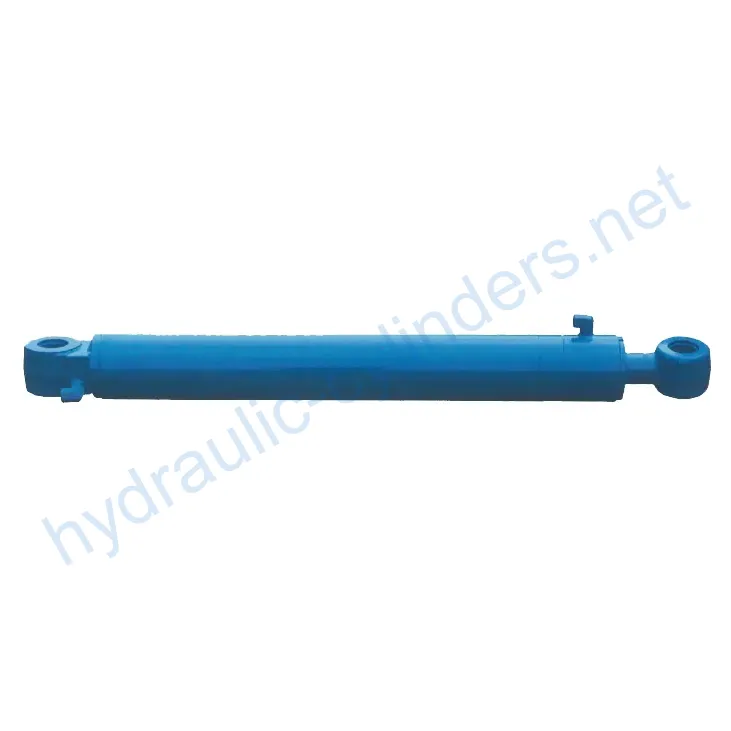
Arm CylinderFor Sumitomo Small Excavator SH265
Como cilindros hidráulicos uno de los fabricantes, los surtidores y los exportadores de productos mecánicos, ofrecemos cilindros hidráulicos y muchos otros productos.
Póngase en contacto con nosotros para más información.
Correo:sales@hydraulic-cylinders.net
Fabricante proveedor exportador de cilindros hidráulicos.
Arm Cylinder For Sumitomo Small Excavator SH265
Introducción
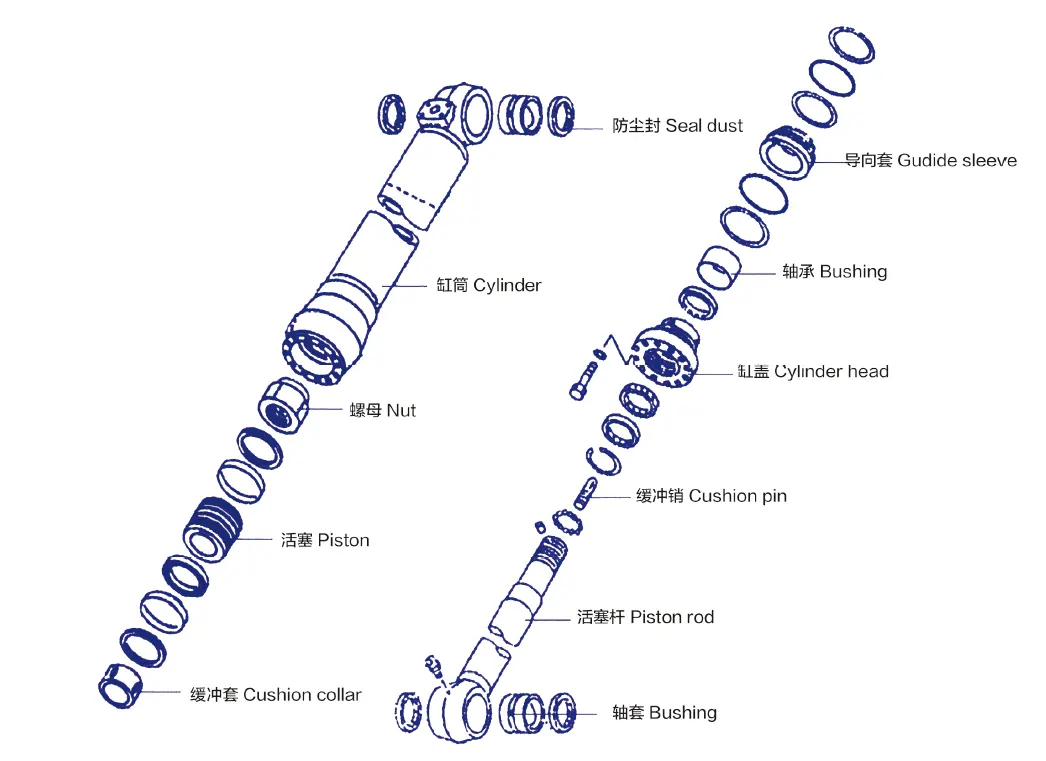
The arm cylinder is a specially designed hydraulic cylinder that provides linear motion and power to the arm of various machinery, such as excavators, cranes, and robotic arms. It plays a key role in hydraulic systems, allowing additional tools or attachments to move and be controlled effectively. These cylinders not only enable smooth motion, but also withstand heavy loads, ensuring efficient operation and reliability of the machinery under various working conditions.
Características
- Transmisión de alta eficiencia: The arm cylinder provides powerful linear motion and force, ensuring high-performance capability of the robotic arm in various operations.
- Control preciso: A través del sistema hidráulico, el cilindro del brazo permite un control preciso del movimiento, haciendo que la operación de herramientas adicionales sea más flexible y precisa.
- Durabilidad: Arm cylinders are typically made of high-strength materials, offering good wear and corrosion resistance, suitable for long-term use in harsh environments.
- Adaptabilidad multifuncional: These cylinders can be widely applied to various machinery, such as excavators, cranes, and robotic arms, to meet different working requirements.
- Fácil mantenimiento: The design considers ease of maintenance and replacement, making regular inspections and servicing more convenient, thereby reducing equipment downtime.

Aplicaciones
The arm cylinder finds its application in various industries and sectors:
- Ingeniería de la construcción: En excavadoras y grúas, el cilindro del brazo se utiliza para controlar el movimiento del cucharón o la pluma, realizando movimientos de tierra, manipulación de materiales e instalación estructural.
- Industria manufacturera: In automated production lines, the arm cylinder is used for the motion of robotic arms, performing assembly, welding, and material handling processes, thereby improving production efficiency and accuracy.
- Maquinaria agrícola: In agricultural equipment such as harvesters and seeders, the arm cylinder controls the movement of the operating arm, executing tasks like seeding, fertilizing, and harvesting.
- Minería: En los equipos de minería, el cilindro del brazo controla el movimiento del brazo de la maquinaria minera, facilitando la extracción y el transporte de minerales.
- Logística y Transporte: En las carretillas elevadoras y los robots de manipulación, el cilindro del brazo se utiliza para controlar la elevación y el movimiento de las horquillas, lo que permite la manipulación y el apilamiento de materiales.
Consideraciones de diseño y criterios de selección
- Capacidad de carga: The arm cylinder is designed to handle specific loads based on the requirements of the machinery it is installed in.
- Caza de focas: Various sealing elements, such as piston seals and rod seals, are used to ensure effective sealing. These seals are made of wear-resistant materials such as polyurethane and nitrile rubber.
- Durabilidad: The cylinder body and threaded ends undergo precise processing to enhance wear resistance. Regular lubrication with appropriate hydraulic oil is necessary for smooth operation.
- Seguridad: Safety measures are taken into account during the design process to ensure the cylinder’s safe operation, including features like pressure relief valves and emergency stop mechanisms.
- Mantenimiento: The arm cylinder is designed for easy maintenance and repair, with components that can be quickly replaced to minimize downtime.

Sellado y lubricación
The arm cylinder incorporates various seals, such as piston seals and rod seals, which are made of wear-resistant materials like polyurethane and nitrile rubber. The cylinder body and threaded ends undergo precision processing to enhance wear resistance. Regular lubrication with an adequate amount of hydraulic oil is required to ensure proper lubrication.
Inspección regular y mantenimiento preventivo
- Inspeccione periódicamente el cilindro del brazo para detectar cualquier signo de fuga, desgaste o daño.
- Check and maintain the hydraulic oil levels and quality to ensure proper lubrication.
- Ensure all safety features, such as pressure relief valves and emergency stop mechanisms, are functioning correctly.
- Follow the manufacturer’s recommended maintenance schedule for replacing seals and other worn-out components.
- Keep the cylinder clean and free from debris or contaminants that may affect its performance.
Guía de instalación del producto
Proper installation of the arm cylinder is crucial for its performance and longevity. Follow the steps below:
- Asegúrese de que la maquinaria esté apagada y que se haya liberado toda la presión hidráulica.
- Position the arm cylinder in the designated mounting area.
- Conecte las mangueras y accesorios hidráulicos de acuerdo con las instrucciones del fabricante.
- Apriete todas las conexiones según las especificaciones de torsión recomendadas.
- Test the cylinder’s operation to ensure smooth motion and proper functionality.

Consideraciones de seguridad y factores ambientales
When using the arm cylinder, it is important to follow all safety measures to prevent accidents and ensure personal safety. The implementation of safety features, such as pressure relief valves and emergency stop mechanisms, is essential. Additionally, proper disposal of hydraulic fluids and adherence to environmental regulations are important for minimizing the impact on the environment.
Solución de problemas y problemas comunes
Common issues with arm cylinders may include leakage, insufficient or jerky movement, and abnormal noise. Here are some troubleshooting tips and solutions:
- If there is leakage, check the seals and fittings for damage or misalignment. Replace any faulty components.
- If the movement is insufficient or jerky, inspect the hydraulic system for any blockages or inadequate pressure. Check the hydraulic oil levels and quality.
- If abnormal noise occurs, it may indicate a mechanical issue. Inspect the cylinder and related components for wear or damage. Lubricate as necessary.
Siguiendo estos consejos de solución de problemas e implementando medidas preventivas, se pueden minimizar los problemas potenciales, lo que garantiza un funcionamiento suave y la longevidad del cilindro del brazo.

Autor: lyl
Acerca de nuestra empresa
We are a professional manufacturer of replacement hydraulic cylinders with a wide range of products. We have become one of the leading manufacturers and wholesale distributors in the domestic and international markets. Our commitment to excellence in quality is upheld through the industrialized production management strategy of our fine manufacturing workshop, continuously improving our technical level and production efficiency.
By introducing high-end digital manufacturing equipment and professional testing systems, we optimize our manufacturing platform and perfect our product quality control processes, demonstrating strong innovative capabilities. Our goal is to meet diverse customer needs with principles of efficiency, precision, and high quality.
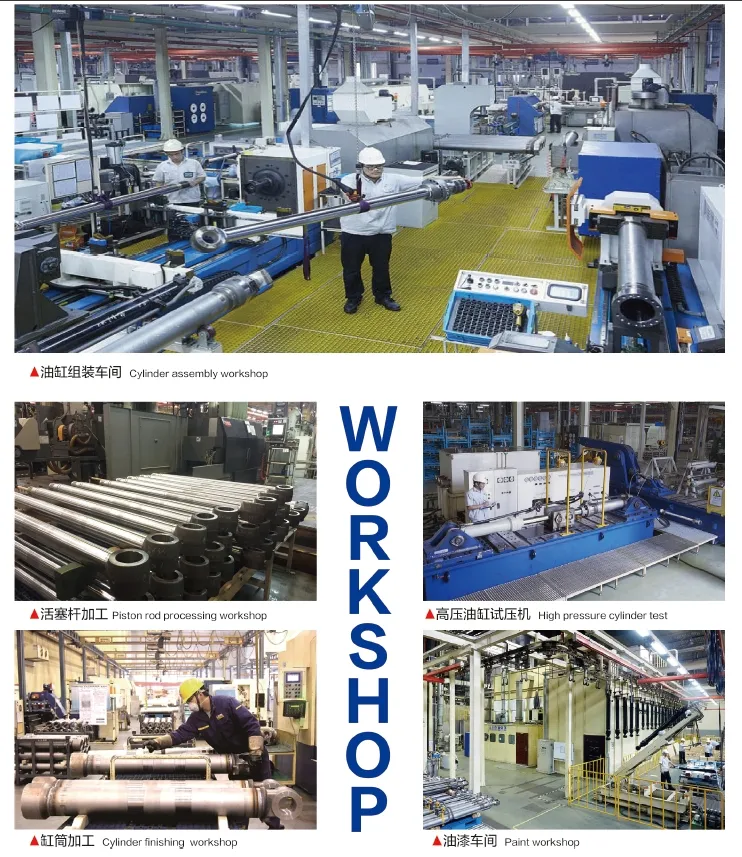
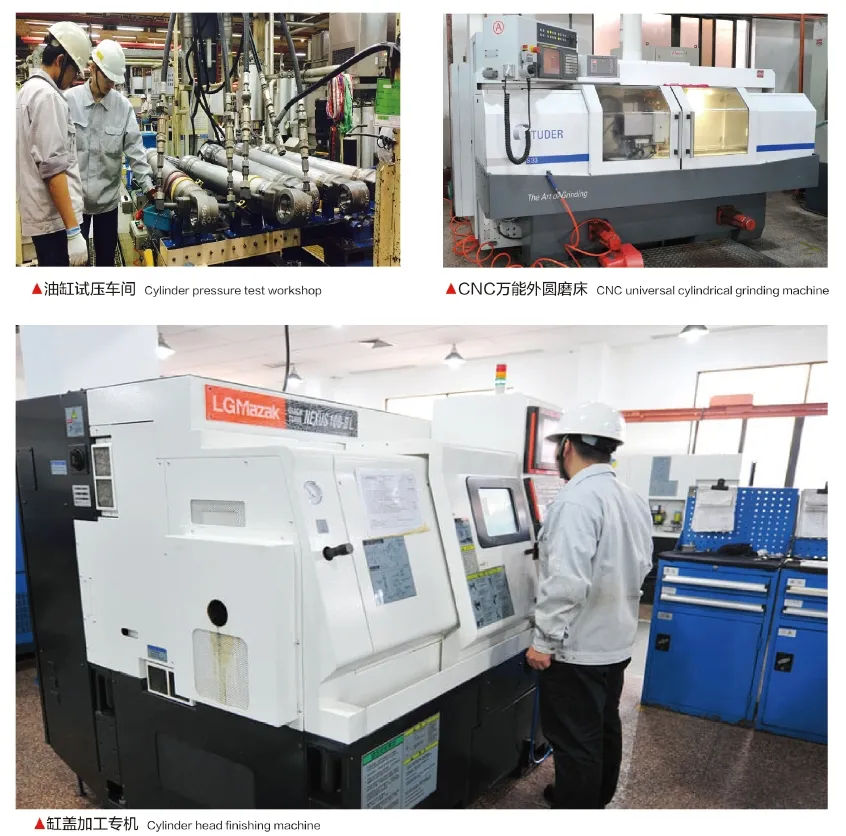
Our company is known for its professionalism, international certifications, customized services, advanced production equipment,
Cilindro hidráulico Aplicación:

 ES
ES  EN
EN  PT
PT  DE
DE  FR
FR  IT
IT  AR
AR  ZH
ZH  RU
RU  KO
KO  KA
KA  BG
BG  CS
CS  DA
DA  EL
EL  ET
ET  FI
FI  HU
HU  ID
ID  LT
LT  LV
LV  NB
NB  NL
NL  PL
PL  RO
RO  SK
SK  SL
SL  SV
SV  TR
TR  UK
UK