

Arm CylinderFor Sunward Small Excavator SWE60E
Como cilindros hidráulicos uno de los fabricantes, los surtidores y los exportadores de productos mecánicos, ofrecemos cilindros hidráulicos y muchos otros productos.
Póngase en contacto con nosotros para más información.
Correo:sales@hydraulic-cylinders.net
Fabricante proveedor exportador de cilindros hidráulicos.
Arm Cylinder For Sunward Small Excavator SWE60E
Definición
The Arm Cylinder is a specially designed hydraulic cylinder that provides linear motion and power to the arm of various machinery, such as excavators, cranes, and robotic arms. It plays a key role in hydraulic systems, allowing for efficient movement and control of additional tools or attachments. These cylinders not only enable smooth motion but also withstand heavy loads, ensuring high operational efficiency and reliability of the machinery in various working conditions.
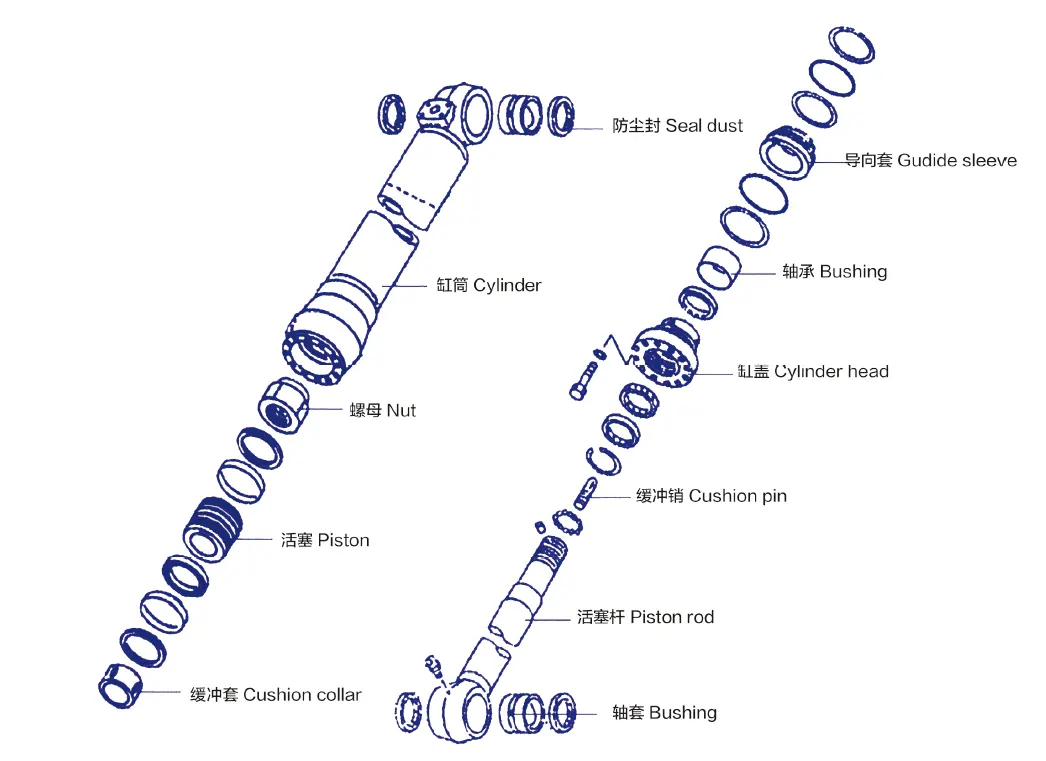
Características
- Transmisión de alta eficiencia: El cilindro del brazo proporciona un potente movimiento y fuerza lineal, lo que garantiza capacidades de alto rendimiento para el brazo robótico en diversas operaciones.
- Control de precisión: Mediante el sistema hidráulico, el cilindro del brazo permite un control preciso del movimiento, lo que hace que el funcionamiento de las herramientas acopladas sea más flexible y preciso.
- Durabilidad: Arm Cylinders are typically made from high-strength materials, offering excellent wear and corrosion resistance, making them suitable for long-term use in harsh environments.
- Adaptabilidad multifuncional: Estos cilindros se pueden utilizar ampliamente en diversos equipos de maquinaria, como excavadoras, grúas y brazos robóticos, adaptándose a diferentes requisitos de trabajo.
- Fácil mantenimiento: El diseño tiene en cuenta la facilidad de mantenimiento y sustitución, lo que hace que las inspecciones y el mantenimiento regulares sean más convenientes y reduce el tiempo de inactividad del equipo.

Aplicaciones
El cilindro de brazo encuentra aplicaciones en diversas industrias:
- Ingeniería de la construcción: In excavators and cranes, the Arm Cylinder controls the movement of buckets or booms, facilitating earthwork, material handling, and structural installation.
- Fabricación: In automated production lines, the Arm Cylinder enables the motion of robotic arms for processes such as assembly, welding, and material handling, enhancing production efficiency and precision.
- Maquinaria agrícola: In agricultural equipment such as harvesters and seeders, the Arm Cylinder controls the movement of operating arms for tasks like planting, fertilizing, and harvesting.
- Minería: In mining equipment, the Arm Cylinder controls the arm movement for mining and ore transportation.
- Logística y Transporte: En carretillas elevadoras y robots de manipulación, el cilindro del brazo controla la elevación y el movimiento de las horquillas, lo que permite la manipulación y el apilado de materiales.
Consideraciones de diseño y criterios de selección
- Capacidad de carga: The Arm Cylinder’s ability to withstand loads is a crucial design consideration.
- Caza de focas: Various seals, such as piston seals and rod seals, made from wear-resistant materials like polyurethane and nitrile rubber, are used. The cylinder body and threaded ends undergo fine processing to improve wear resistance.
- Durabilidad: The Arm Cylinder is designed to be durable and long-lasting, ensuring reliable performance even in demanding environments.
- Seguridad: Safety features, such as pressure relief valves, are implemented to prevent overloading and ensure safe operation.
- Mantenibilidad: The design incorporates easy maintenance and replacement, allowing for convenient regular inspections and minimizing equipment downtime.

Sellado y lubricación
The Arm Cylinder utilizes various sealing components, including piston seals and rod seals, made from wear-resistant materials like polyurethane and nitrile rubber. The cylinder body and threaded ends undergo fine processing to improve wear resistance. Regular lubrication with appropriate hydraulic oil is necessary to ensure smooth operation and longevity.
Inspección regular y mantenimiento preventivo
- Perform regular inspections to check for any leaks or damage to the cylinder, seals, and connections.
- Controlar y mantener los niveles y la calidad adecuados del fluido hidráulico.
- Apriete las conexiones y sujetadores sueltos.
- Replace worn-out seals or damaged components promptly.
- Siga las pautas del fabricante para conocer los intervalos y procedimientos de mantenimiento.
Guía de instalación del producto
Proper installation of the Arm Cylinder is crucial for optimal performance and safety. Follow these steps:
- Asegúrese de que la maquinaria esté apagada y el sistema hidráulico esté despresurizado.
- Securely mount the cylinder to the designated attachment point using appropriate fasteners.
- Connect the hydraulic hoses and fittings, ensuring tight and leak-free connections.
- Inspect all connections for leaks and perform a function test to verify proper operation.

Consideraciones de seguridad y factores ambientales
When working with hydraulic cylinders, following safety measures is of paramount importance. Safety precautions include:
- Proper training for operators to ensure correct usage and handling.
- Adherence to safety guidelines and procedures provided by the equipment manufacturer.
- Wearing appropriate personal protective equipment (PPE) when working with or near the cylinder.
- Regular equipment inspections to identify and address potential safety hazards.
Solución de problemas y problemas comunes
Los problemas comunes que pueden surgir con el cilindro del brazo incluyen:
- Leaking hydraulic fluid: Check seals and connections for damage or wear and replace if necessary.
- Insufficient power or movement: Ensure proper hydraulic pressure and flow, and check for any blockages or restrictions in the system.
- Noise or vibration during operation: Inspect for loose components or damaged parts and perform necessary repairs or replacements.
For troubleshooting and addressing these issues:
- Refer to the equipment manual or contact the manufacturer for specific troubleshooting guidelines.
- Consult with a qualified hydraulic technician for assistance in diagnosing and resolving problems.
- Implement preventive measures, such as regular maintenance and inspections, to minimize potential issues.

Remember to organize the article logically, use subheadings for easy navigation, and include relevant images or charts to enhance understanding. Ensure that the content is clear, concise, and suitable for readers with different levels of technical knowledge.
Autor: lyl
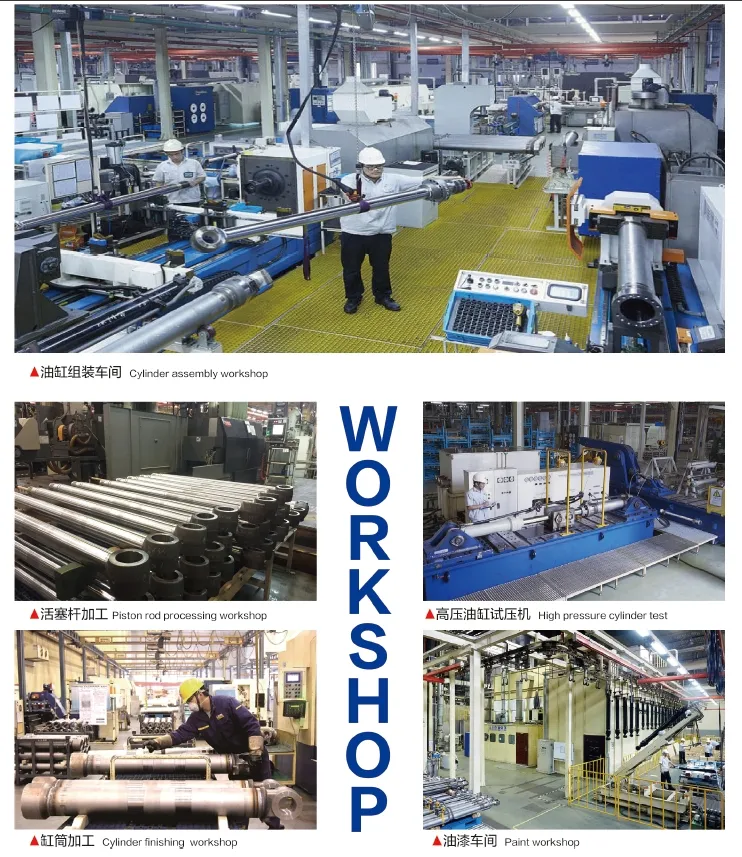
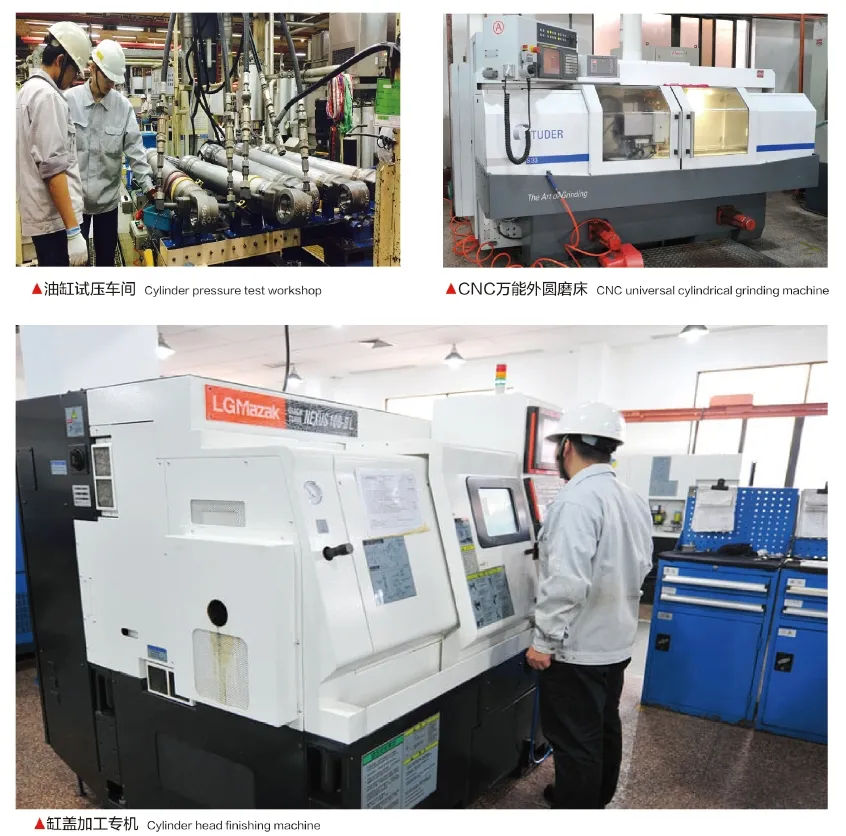
Cilindro hidráulico Aplicación:

 ES
ES  EN
EN  PT
PT  DE
DE  FR
FR  IT
IT  AR
AR  ZH
ZH  RU
RU  KO
KO  KA
KA  BG
BG  CS
CS  DA
DA  EL
EL  ET
ET  FI
FI  HU
HU  ID
ID  LT
LT  LV
LV  NB
NB  NL
NL  PL
PL  RO
RO  SK
SK  SL
SL  SV
SV  TR
TR  UK
UK