
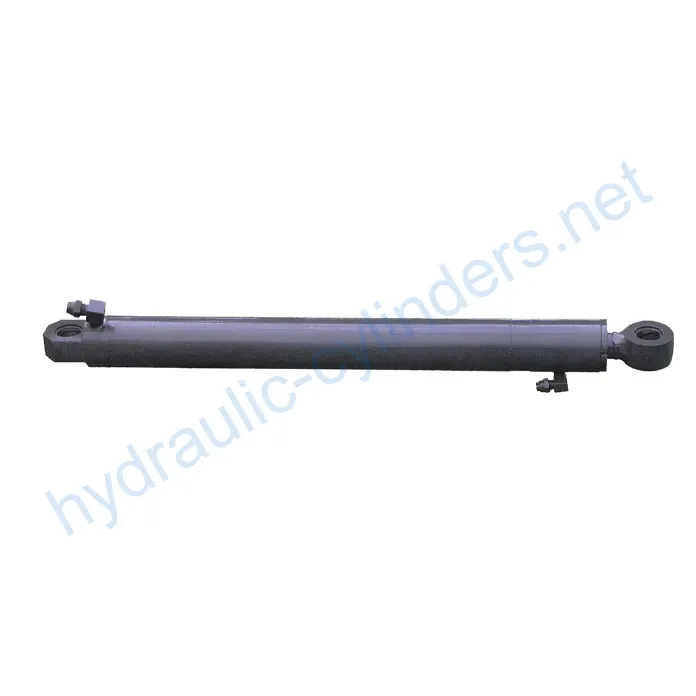
Arm CylinderFor XCMG Small Excavator XE65CA
Como cilindros hidráulicos uno de los fabricantes, los surtidores y los exportadores de productos mecánicos, ofrecemos cilindros hidráulicos y muchos otros productos.
Póngase en contacto con nosotros para más información.
Correo:sales@hydraulic-cylinders.net
Fabricante proveedor exportador de cilindros hidráulicos.
Arm Cylinder for XCMG Small Excavator XE65CA
Introducción
The arm cylinder is a specially designed hydraulic cylinder that provides linear movement and power to the arm of various machinery, such as excavators, cranes, and robotic arms. It plays a crucial role in hydraulic systems, allowing for efficient movement and control of attachments or accessories. These cylinders not only enable smooth motion but also withstand heavy loads, ensuring efficient operation and reliability of the machinery in various working conditions.
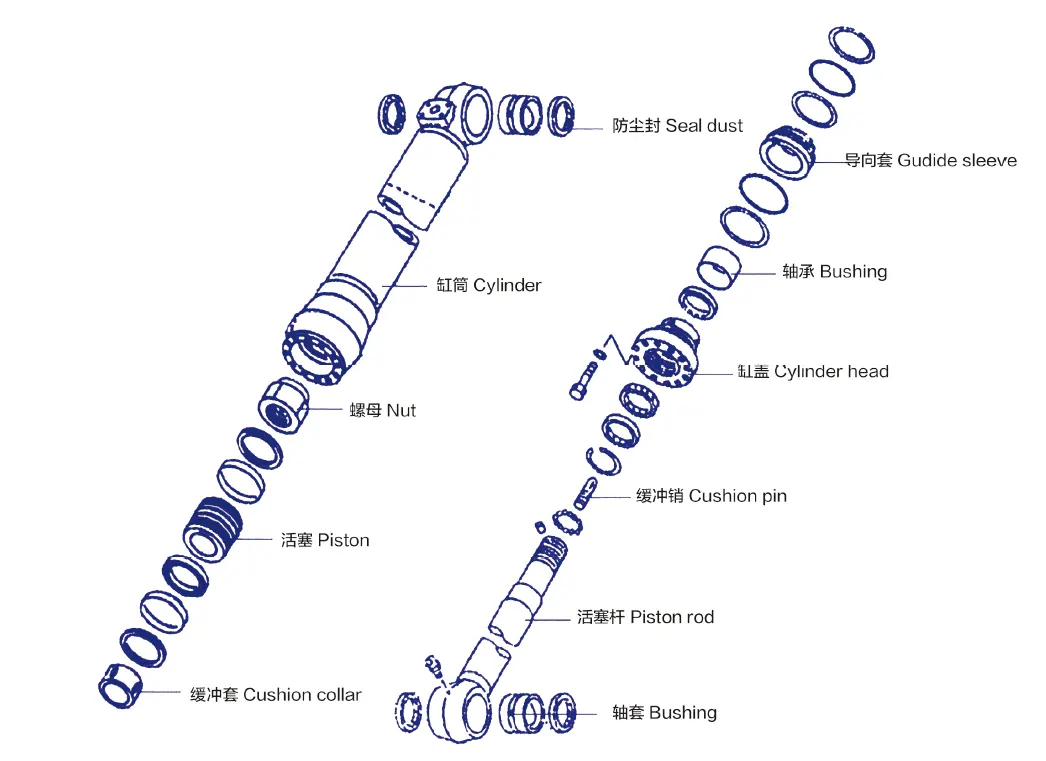
Características
- Transmisión de alta eficiencia: El cilindro del brazo proporciona un potente movimiento y fuerza lineal, lo que garantiza un alto rendimiento del brazo mecánico en diversas operaciones.
- Control preciso: Mediante el sistema hidráulico, el cilindro del brazo permite un control preciso del movimiento, lo que hace que el funcionamiento de los implementos sea más flexible y preciso.
- Gran durabilidad: Los cilindros de brazo generalmente se fabrican con materiales de alta resistencia, lo que ofrece una excelente resistencia al desgaste y a la corrosión, lo que los hace adecuados para uso a largo plazo en entornos hostiles.
- Multi-functional Adaptability: These cylinders can be widely used in various machinery, such as excavators, cranes, and robotic arms, adapting to different working requirements.
- Easy Maintenance: Designed with ease of maintenance and replacement in mind, the arm cylinders facilitate convenient regular inspections and maintenance, minimizing equipment downtime.

Aplicaciones
El cilindro del brazo encuentra aplicaciones en diversas industrias:
- Construction: In excavators and cranes, the arm cylinder controls the movement of buckets or booms for earthmoving, material handling, and structural installation.
- Manufacturing: In automated production lines, the arm cylinder enables the motion of robotic arms for assembly, welding, and handling processes, improving production efficiency and precision.
- Maquinaria agrícola: En equipos agrícolas como cosechadoras y sembradoras, el cilindro del brazo controla el movimiento de los brazos operativos para tareas como plantar, fertilizar y cosechar.
- Mining: In mining equipment, the arm cylinder controls the arm movement for mining and ore transportation purposes.
- Logística y Transporte: En carretillas elevadoras y robots de manipulación, el cilindro del brazo controla la elevación y el movimiento de las horquillas, facilitando la manipulación y el apilado de materiales.
Consideraciones de diseño y criterios de selección
- Load-bearing Capacity: The arm cylinder should be designed to handle the expected loads and forces to ensure safe and efficient operation.
- Sealing: Various sealing components, such as piston seals and rod seals, should be used to maintain proper hydraulic sealing. These seals are often made of wear-resistant materials like polyurethane and nitrile rubber.
- Durability: The cylinder body and threaded ends should undergo fine surface treatment to enhance wear resistance and prolong the cylinder’s lifespan.
- Safety: Safety features should be incorporated into the design to ensure the protection of operators and surrounding equipment during operation.
- Maintainability: The design should consider easy access for maintenance and replacement of components, reducing downtime for regular inspection and servicing.

Sellado y lubricación
The arm cylinder utilizes various sealing components, such as piston seals and rod seals, made of wear-resistant materials like polyurethane and nitrile rubber. The cylinder body and threaded ends undergo fine surface treatment to improve wear resistance. Regular lubrication with appropriate hydraulic oil is necessary to ensure smooth operation.
Inspección regular y mantenimiento preventivo
- Regularly inspect the arm cylinder for any signs of wear, damage, or leakage. Replace worn-out or damaged components promptly.
- Maintain proper lubrication by regularly adding an appropriate amount of hydraulic oil.
- Check and tighten all connections to ensure they are secure.
- Follow the manufacturer’s recommended maintenance schedule to prevent potential issues and extend the arm cylinder’s lifespan.
Guía de instalación del producto
La correcta instalación del cilindro del brazo es crucial para su óptimo funcionamiento. Siga estos pasos:
- Asegúrese de que la excavadora esté apagada y que el sistema hidráulico esté despresurizado.
- Coloque el cilindro del brazo en el lugar de montaje designado.
- Secure the cylinder using appropriate bolts and nuts, following the manufacturer’s specifications.
- Connect the hydraulic hoses to the cylinder’s inlet and outlet ports, ensuring a proper seal.
- Inspeccione todas las conexiones para detectar fugas y ajústelas si es necesario.
- Perform a test operation to verify the cylinder’s functionality before resuming regular use.

Consideraciones de seguridad y factores ambientales
When using the arm cylinder, it is vital to prioritize safety measures to prevent accidents and ensure operator well-being. Adequate safety precautions should be taken, such as wearing appropriate personal protective equipment and following proper operating procedures. Environmental factors should also be considered to minimize any negative impact on the surroundings, such as proper waste disposal and adherence to environmental regulations.
Solución de problemas y problemas comunes
Los problemas comunes que pueden surgir con el cilindro del brazo incluyen:
- Fugas en juntas o conexiones
- Ruido anormal durante el funcionamiento
- Slow or jerky movement of the arm
- Inconsistent or insufficient force output
Para abordar estos problemas:
- Inspect and replace worn-out or damaged seals or connections.
- Check for any foreign objects or debris that may be obstructing the cylinder’s movement.
- Ensure proper lubrication and hydraulic oil levels.
- If issues persist, consult a professional technician for further diagnosis and repair.

Recuerda organizar el artículo de forma lógica, usar subtítulos para facilitar la navegación, incorporar imágenes o gráficos relevantes para una mejor comprensión y asegurarte de que el contenido sea claro, conciso y adecuado para lectores con diferentes niveles de conocimiento técnico.
Sobre nosotros
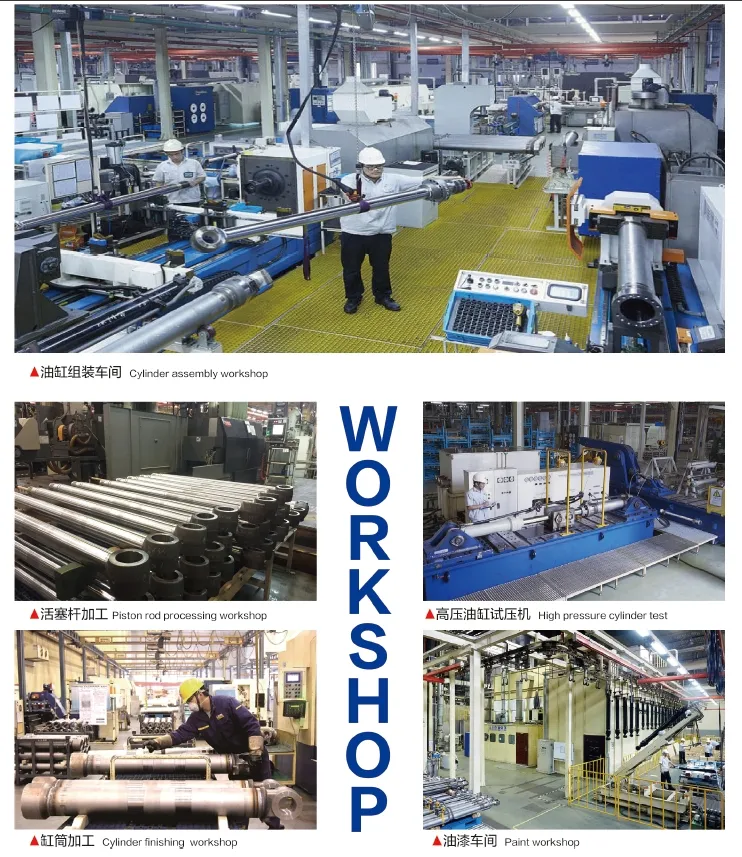
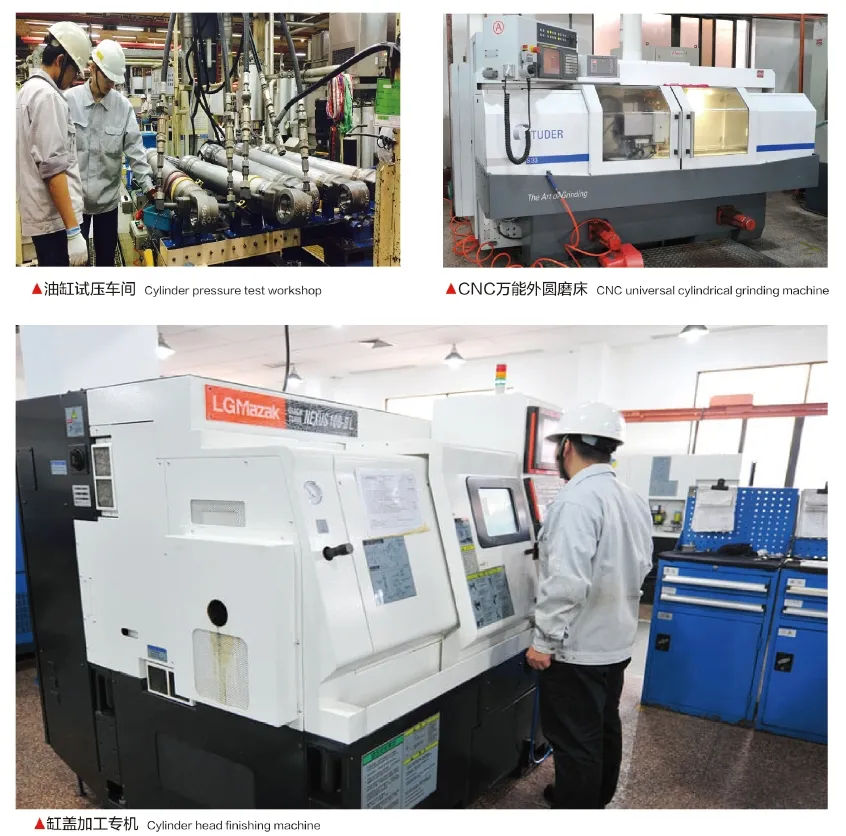
We are a professional manufacturer of replacement hydraulic cylinders, offering a wide range of products. We have become one of the leading hydraulic cylinder manufacturers and wholesale distributors in both domestic and international markets. Upholding the principle of excellence in quality, we rely on industrialized production management strategies in our refined manufacturing workshop to continuously improve our technical capabilities and production efficiency. By introducing advanced digital manufacturing equipment and professional testing systems, we optimize our manufacturing platform and perfect our product quality control processes, demonstrating strong innovation capabilities. Our goal is to meet the diverse needs of customers with principles of efficiency, precision, and high quality.
Autor: lyl
Cilindro hidráulico Aplicación:

 ES
ES  EN
EN  PT
PT  DE
DE  FR
FR  IT
IT  AR
AR  ZH
ZH  RU
RU  KO
KO  KA
KA  BG
BG  CS
CS  DA
DA  EL
EL  ET
ET  FI
FI  HU
HU  ID
ID  LT
LT  LV
LV  NB
NB  NL
NL  PL
PL  RO
RO  SK
SK  SL
SL  SV
SV  TR
TR  UK
UK