
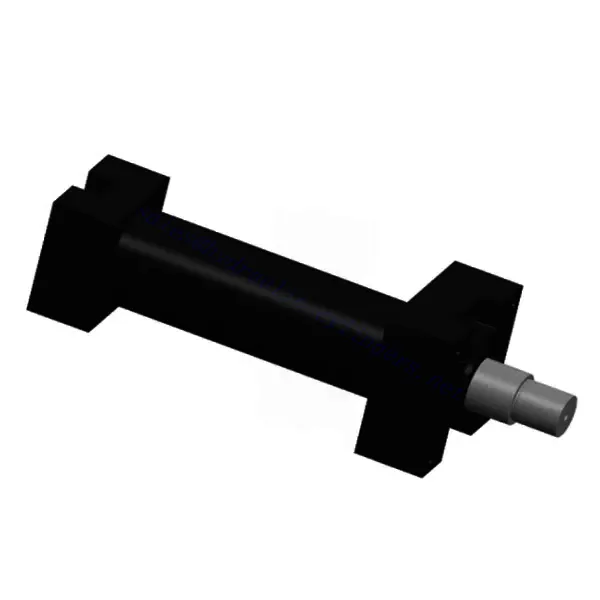
Harsh Corrosive Environment Cylinder
Como cilindros hidráulicos uno de los fabricantes, los surtidores y los exportadores de productos mecánicos, ofrecemos cilindros hidráulicos y muchos otros productos.
Póngase en contacto con nosotros para más información.
Correo:sales@hydraulic-cylinders.net
Fabricante proveedor exportador de cilindros hidráulicos.
Harsh Corrosive Environment Cylinder
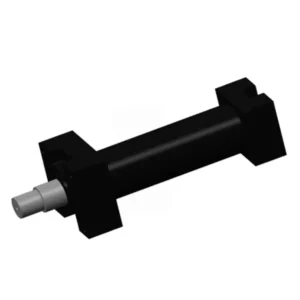
The harsh corrosive environment cylinder is a specialized hydraulic cylinder designed to thrive in demanding industrial applications where corrosive substances are present. With its robust construction and corrosion-resistant materials, this cylinder offers reliable performance, ensuring smooth operation even in the harshest environments. Let’s delve into this exceptional product’s features, usage methods, and maintenance.
The harsh corrosive environment cylinder is a reliable and durable solution for industrial applications that involve corrosive substances. This cylinder offers exceptional performance in challenging environments with its corrosion resistance, robust construction, and versatile mounting options. By following the recommended usage methods and implementing regular maintenance practices, you can ensure your hydraulic system’s longevity, reliability, and optimal operation. The harsh corrosive environment cylinder is a testament to technological innovation and is a trusted solution for conquering corrosion in demanding industrial settings.
Harsh Corrosive Environment Cylinder Key Characteristics:
- Corrosion Resistance: The harsh corrosive environment cylinder is engineered with high-quality materials that exhibit exceptional resistance to corrosion. This feature enables the cylinder to withstand exposure to corrosive substances, such as chemicals, saltwater, acids, and other harsh agents commonly found in industrial environments.
- Durable Construction: Built to endure rugged conditions, the cylinder boasts a robust construction that enhances its longevity and reliability. Its sturdy design ensures resistance to mechanical stress, minimizing the risk of failure and downtime.
- Versatile Mounting Options: The cylinder offers a range of mounting options, including front flange, rear flange, foot, and trunnion mounts. This versatility allows for easy integration into various industrial systems, enabling seamless installation and flexibility in application.
Harsh Corrosive Environment Cylinder Parameter:
| Nombre del producto | Harsh Corrosive Environment Cylinder |
| Características: | Extract and compress the seawater and deliver it to the filtering device. |
| Diámetro del orificio: | Up to 300mm |
| Diámetro de la varilla: | Up to 185mm Stroke up to 1000mm |
| Working temperature: | -20~30℃ |
| Working speed: | up to 110mm/s |
| Working frequency: | 24 hours |
| Internal and external leakage: | < 5ml/min |
| Presión: | up to 11MPa starting pressure<0.1Mpa |
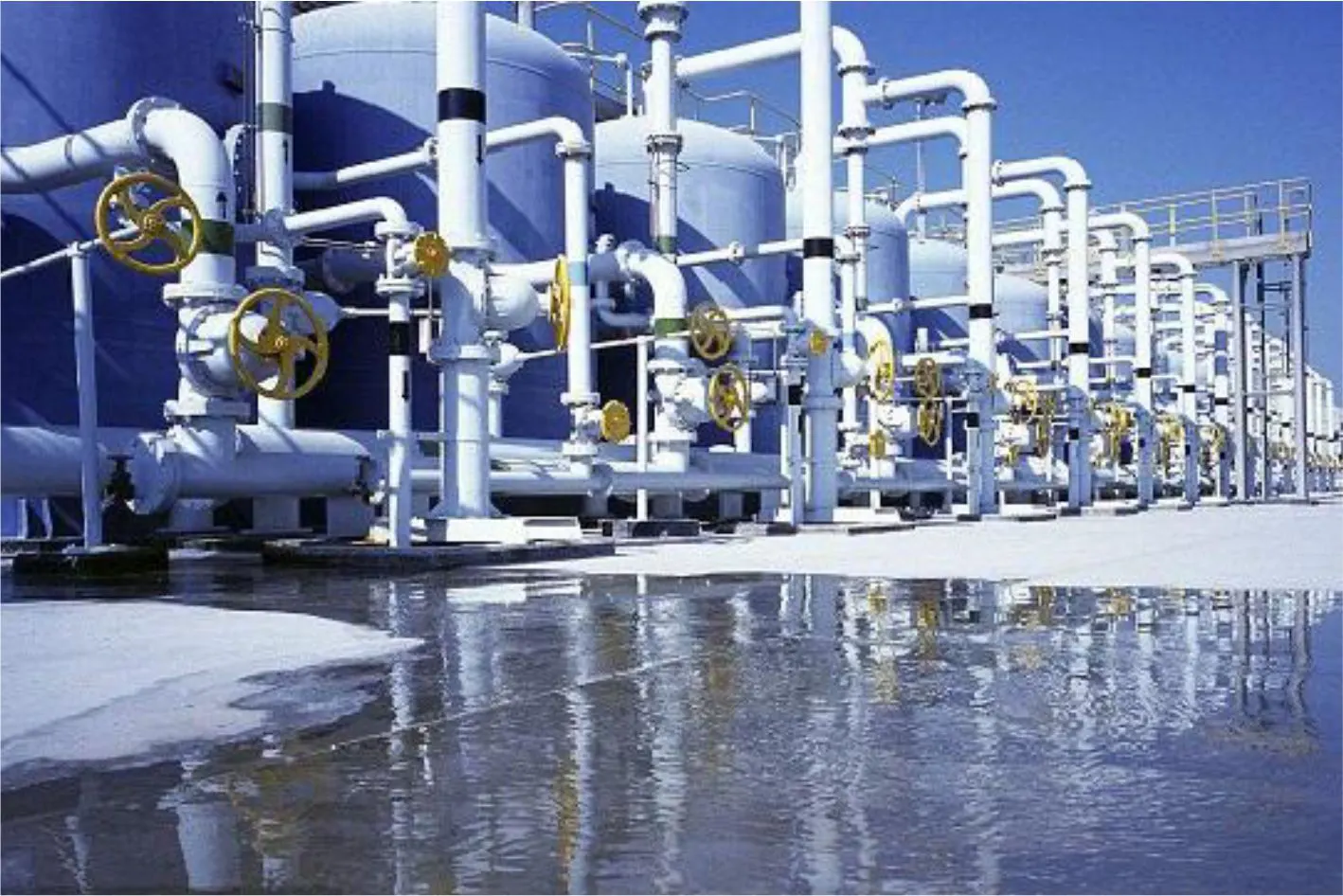
| Aplicaciones: | Desalination Equipment |
Harsh Corrosive Environment Cylinder Application:
Usage Method Of Harsh Corrosive Environment Cylinder:
- Application Assessment: Before installing the harsh corrosive environment cylinder, evaluate the specific requirements of your application to determine the appropriate cylinder size, stroke length, and mounting configuration.
- Montaje y conexión: Follow these steps for successful installation:
a. Securely mount the cylinder using the chosen mounting option, ensuring proper alignment and stability.
b. Connect the hydraulic lines to the cylinder’s ports, ensuring tight and leak-free connections. Use compatible fittings and hoses suitable for corrosive environments.
- Integración de sistemas hidráulicos: Integrate the cylinder into your hydraulic system, connecting it to a reliable power source and control mechanism. Ensure compatibility between the cylinder and other system components.
- Parámetros operativos: Adjust the hydraulic system parameters, such as pressure and flow rate, to align with your application’s requirements. Refer to the manufacturer’s guidelines for recommended operational parameters.
How To Bleed A Double Acting Hydraulic Cylinder?
Bleeding a double-acting hydraulic cylinder is a crucial maintenance procedure that removes air or trapped gases from the hydraulic system, ensuring optimal performance and preventing issues such as spongy operation or incomplete cylinder movement. Here’s a step-by-step guide on how to bleed a double-acting hydraulic cylinder:
- Precauciones de seguridad:
- Before starting the bleeding process, ensure the hydraulic system is depressurized to prevent accidental movement or injury.
- Wear appropriate personal protective equipment, such as gloves and safety goggles, to protect yourself from hydraulic fluid splashes.
- Identificar puntos de sangrado:
- Familiarize yourself with the hydraulic system and locate the bleed points on the double-acting hydraulic cylinder. These are typically located at the highest point of the cylinder or at designated bleed ports.
- Prepare Tools and Equipment:
- Gather the necessary tools and equipment, including a wrench or socket set to open and close bleed valves, a container to collect the purged hydraulic fluid, and clean rags or absorbent materials to clean up any spills.
- Position Cylinder:
- Position the double-acting hydraulic cylinder in a way that allows air or trapped gases to rise to the highest point of the cylinder, where the bleed points are located. This may involve adjusting the cylinder’s orientation or tilting it if possible.
- Open Bleed Valves:
- Using the appropriate wrench or socket, carefully open the bleed valves at the designated bleed points on the cylinder. Start with the highest point first.
- Ensure the collection container is positioned to catch the purged hydraulic fluid.
- Purge Air or Gases:
- Slowly actuate the hydraulic system to cycle the cylinder through its full range of motion. This may involve activating the hydraulic pump or operating the associated control mechanisms.
- As the cylinder cycles, air or trapped gases will be pushed out through the open bleed valves. Allow the hydraulic fluid to flow until all air bubbles are expelled and a steady flow of fluid is observed.
- Close Bleed Valves:
- Once the hydraulic fluid is free of air bubbles and flows steadily, carefully close the bleed valves at the bleed points to ensure they are tightened securely to prevent any leaks.
- Comprobar el nivel del líquido:
- Check the hydraulic fluid level in the reservoir and top up if necessary. Use the recommended hydraulic fluid specified by the manufacturer.
- Comprobaciones finales:
- Perform a visual inspection of the hydraulic system, including the double-acting hydraulic cylinder, for any signs of leaks, loose connections, or abnormalities.
- Test the cylinder’s operation to ensure it moves smoothly without any issues.
Capacidad de la fábrica:
(1) Montaje
Contamos con una plataforma de ensamblaje independiente de primera clase para investigación y desarrollo. El taller de producción de cilindros hidráulicos cuenta con cuatro líneas de ensamblaje de cilindros de elevación semiautomáticos y una línea de ensamblaje de cilindros de inclinación automáticos, con una capacidad de producción anual diseñada de 1 millón de piezas. El taller de cilindros especiales está equipado con un sistema de ensamblaje de limpieza semiautomático de diversas especificaciones, con una capacidad de producción anual diseñada de 200,000 unidades, y está equipado con reconocidos equipos de mecanizado CNC, un centro de mecanizado, equipos especiales de procesamiento de cilindros de alta precisión, una máquina de soldadura robotizada, una máquina de limpieza automática, una máquina de ensamblaje de cilindros automáticos y una línea de producción de pintura automática. Contamos con más de 300 equipos críticos. La asignación óptima y el uso eficiente de los recursos de equipo garantizan la precisión y la alta calidad de los productos.


(2) Mecanizado
El taller de mecanizado está equipado con un centro de torneado de carril inclinado personalizado, un centro de mecanizado, una máquina de bruñido de alta velocidad, un robot de soldadura y otros equipos relacionados, que pueden procesar tubos cilíndricos con un diámetro interior máximo de 400 mm y una longitud máxima de 6 metros.

(3) Soldadura

(4) Pintura y revestimiento
Con pequeñas y medianas líneas de cilindros automáticos de recubrimiento de pintura a base de agua, para lograr la carga y descarga automática de robots y pulverización automática, la capacidad de diseño de 4000 piezas por turno;
También disponemos de una línea semiautomática de producción de pintura para grandes cilindros accionada por cadena, con una capacidad de diseño de 60 cajas por turno.


(5) Pruebas
Disponemos de instalaciones de inspección y bancos de pruebas de primera clase para garantizar que el rendimiento del cilindro cumple los requisitos.

Somos uno de los mejores fabricantes de cilindros hidráulicos. Ofrecemos cilindros hidráulicos integrales. También proporcionamos... cajas de cambios agrícolasHemos exportado nuestros productos a clientes de todo el mundo y nos hemos ganado una excelente reputación gracias a nuestra excelente calidad y servicio posventa. Invitamos a clientes nacionales e internacionales a contactarnos para negociar negocios, intercambiar información y... colabore con nosotros!
Cilindro hidráulico Aplicación:

 ES
ES  EN
EN  PT
PT  DE
DE  FR
FR  IT
IT  AR
AR  ZH
ZH  RU
RU  KO
KO  KA
KA  BG
BG  CS
CS  DA
DA  EL
EL  ET
ET  FI
FI  HU
HU  ID
ID  LT
LT  LV
LV  NB
NB  NL
NL  PL
PL  RO
RO  SK
SK  SL
SL  SV
SV  TR
TR  UK
UK