


Cilindro de apertura y cierre del molde de la máquina de moldeo por inyección
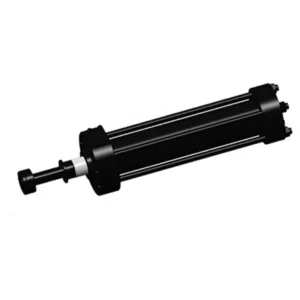

The injection molding machine mold opening and closing cylinder is a critical component of plastic injection molding. Designed to control the opening and closing of molds, this specialized cylinder is vital in ensuring precise and efficient production.
The injection molding machine mold opening and closing cylinder is crucial in plastic injection molding, enabling precise and efficient mold operations. With its robust construction, precise mold control, fast operation, and adjustable stroke length and force, this cylinder ensures reliable and optimized mold opening and closing processes. By following the recommended usage methods and maintenance practices, manufacturers can maximize the performance and longevity of the injection molding machine mold opening and closing cylinder, ultimately improving the precision, efficiency, and overall quality of plastic injection molding operations.
Injection Molding Machine Mold Opening and Closing Cylinder Key Characteristics:
- Construcción robusta:
- The injection molding machine mold opening and closing cylinder is built with high-quality materials, ensuring durability and longevity even in demanding production environments.
- Está diseñado para soportar altas fuerzas y movimientos repetitivos, manteniendo un rendimiento constante durante períodos prolongados de uso.
- Precise Mold Control:
- This cylinder provides precise control over the opening and closing of molds, ensuring accurate positioning and alignment.
- It enables mold opening and closing speed customization, allowing for optimized production cycles and minimizing part defects.
- Funcionamiento rápido y eficiente:
- The injection molding machine mold opening and closing cylinder facilitates rapid mold movements, reducing production time and increasing overall productivity.
- It ensures swift and reliable mold opening and closing actions, enabling faster mold cycling and maximizing production output.
- Longitud y fuerza de carrera ajustables:
- This cylinder offers adjustable stroke length and force to accommodate different mold sizes and part requirements.
- It allows for flexibility in mold operation, ensuring optimal mold closure and part ejection without causing damage.
Injection Molding Machine Mold Opening and Closing Cylinder Parameter:
| Nombre del producto | Cilindro de expulsión de la máquina de moldeo por inyección |
| Características: | Eject the product formed in the mold |
| Diámetro del orificio: | 90mm~220mm |
| Diámetro de la varilla: | 50 mm ~140 mm Stroke≤600mm |
| Fuerza de empuje: | Maximum 760KN (Bore diameter: 220mm/pressure10MPa) |
| Aplicaciones: | Máquina de moldeo por inyección |
Rod diameter: 28mm~100mm
Stroke≤700mm
(Diámetro del orificio: 140 mm / Presión: 25 MPa)
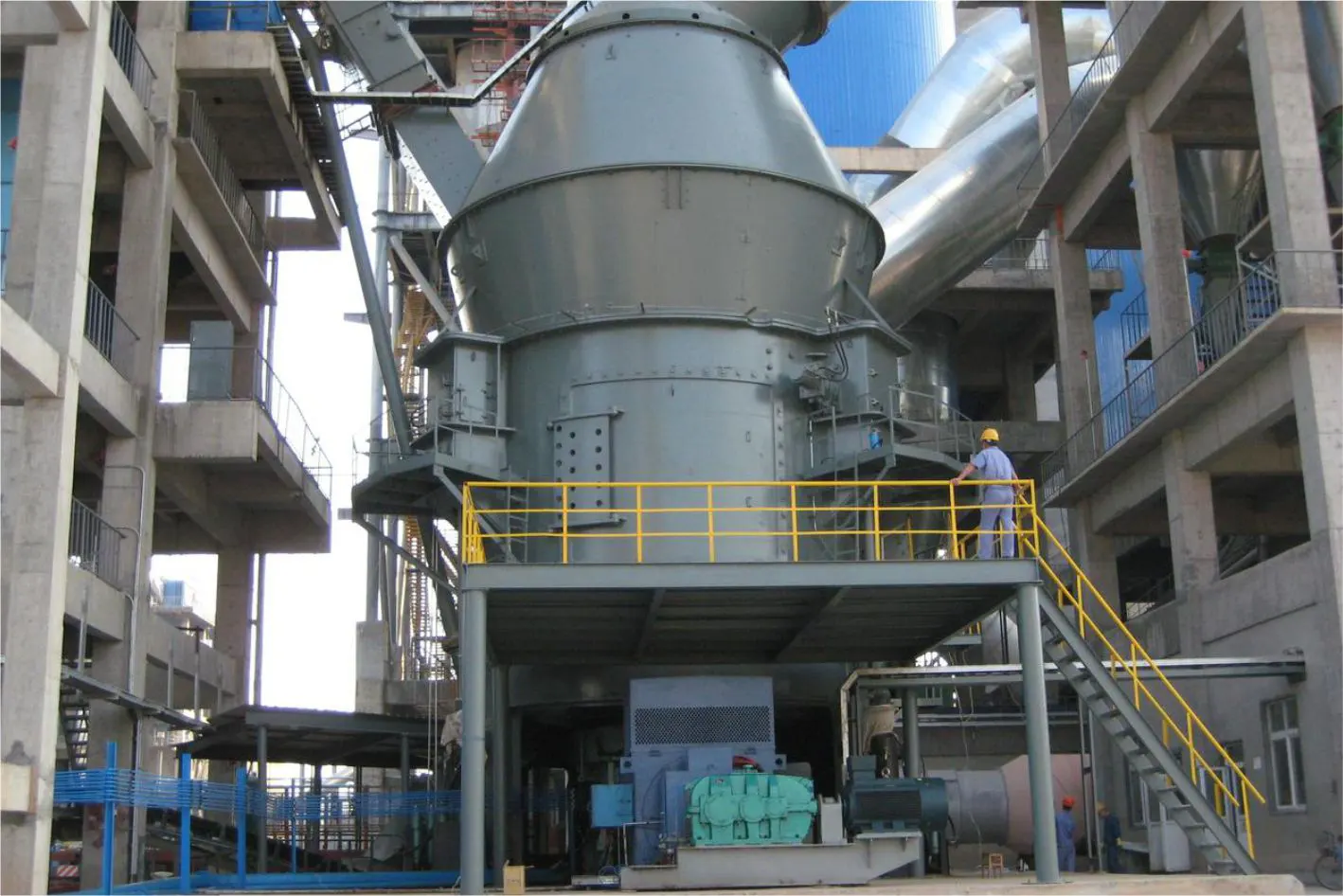
Equipos para cemento Fábrica de cilindros:

Usage Method Of Injection Molding Machine Mold Opening and Closing Cylinder:
- Instalación:
- Follow the manufacturer’s guidelines to install the injection molding machine mold opening and closing cylinder securely onto the injection molding machine.
- Ensure proper alignment and attachment to the machine’s mold opening and closing mechanism, allowing smooth operation during the molding process.
- Adjusting Mold Parameters:
- Utilize the machine’s control panel or interface to adjust mold opening and closing parameters, such as speed, stroke length, and force.
- Refer to the machine’s operating manual for specific guidelines on setting the appropriate parameters based on the mold design and part specifications.
- Preparación del molde:
- Instale el molde en la máquina de moldeo por inyección, asegurándose de una correcta alineación y sujeción.
- Attach the mold opening and closing components, such as mold clamps or mold plates, to the mold, ensuring secure and reliable mold operation.
- Mold Opening and Closing Process:
- Inicie el proceso de moldeo activando la máquina de moldeo por inyección.
- The injection molding machine mold opening and closing cylinder controls the mold opening and closing actions, ensuring precise and smooth movements.
- Ensure that the stroke length and force are adjusted to achieve the desired mold opening and closing actions without causing any damage.
How To Bleed A Hydraulic Cylinder?
Bleeding a hydraulic cylinder is a process that removes air from the system and ensures proper functioning and performance. Here’s a step-by-step guide on how to bleed a hydraulic cylinder:
- Precauciones de seguridad:
- Before starting the bleeding process, ensure that the hydraulic system is depressurized and shut down. This will prevent any unintended movement or fluid discharge.
- Wear appropriate personal protective equipment, such as gloves and safety glasses, to protect yourself from any potential hazards.
- Localice la válvula de purga:
- Identify the bleed valve on the hydraulic cylinder. The bleed valve is typically a small screw or valve located on the cylinder housing or near the hydraulic lines connected to the cylinder.
- Position Cylinder:
- Position the cylinder so that the bleed valve is easily accessible and at the highest point of the cylinder.
- This will allow air bubbles to rise and escape through the bleed valve during the bleeding process.
- Abrir la válvula de purga:
- Using an appropriate tool, such as a wrench or screwdriver, carefully loosen the bleed valve to open it.
- Ensure that the valve is only partially open to allow air to escape while preventing excessive fluid loss.
- Operate Cylinder:
- Actuate the cylinder by operating the hydraulic system. This can be done by using the controls on the hydraulic equipment or through a remote control system.
- Extend and retract the cylinder fully several times to facilitate the movement of air bubbles towards the bleed valve.
- Observe Fluid and Air Release:
- As the cylinder is operated, observe the fluid flow through the bleed valve.
- Initially, air bubbles may be visible in the fluid stream. Allow the fluid to flow until all air bubbles are eliminated, and only a steady stream of hydraulic fluid is observed.
- Tighten Bleed Valve:
- Once all air bubbles have been eliminated, carefully tighten the bleed valve to prevent any fluid leakage.
- Ensure that the valve is securely closed but not overtightened.
- Comprobar el funcionamiento del cilindro:
- After bleeding the cylinder, test its operation to ensure proper functioning.
- Operate the hydraulic system and observe the cylinder’s movement to verify smooth and consistent operation without any unusual noises or vibrations.
- Repita si es necesario:
- If there are still air bubbles present or if the cylinder’s operation is not satisfactory, repeat the bleeding process.
- Open the bleed valve again and operate the cylinder to remove any remaining air from the system.
- Final Inspection:
- Once the bleeding process is complete and the cylinder is operating correctly, inspect the hydraulic system for any signs of leaks, loose fittings, or abnormal behavior.
- Address any issues promptly to maintain the system’s performance and prevent potential problems.
Capacidad de la fábrica:
(1) Montaje
Contamos con una plataforma de ensamblaje independiente de primera clase para investigación y desarrollo. El taller de producción de cilindros hidráulicos cuenta con cuatro líneas de ensamblaje de cilindros de elevación semiautomáticos y una línea de ensamblaje de cilindros de inclinación automáticos, con una capacidad de producción anual diseñada de 1 millón de piezas. El taller de cilindros especiales está equipado con un sistema de ensamblaje de limpieza semiautomático de diversas especificaciones, con una capacidad de producción anual diseñada de 200,000 unidades, y está equipado con reconocidos equipos de mecanizado CNC, un centro de mecanizado, equipos especiales de procesamiento de cilindros de alta precisión, una máquina de soldadura robotizada, una máquina de limpieza automática, una máquina de ensamblaje de cilindros automáticos y una línea de producción de pintura automática. Contamos con más de 300 equipos críticos. La asignación óptima y el uso eficiente de los recursos de equipo garantizan la precisión y la alta calidad de los productos.


(2) Mecanizado
El taller de mecanizado está equipado con un centro de torneado de carril inclinado personalizado, un centro de mecanizado, una máquina de bruñido de alta velocidad, un robot de soldadura y otros equipos relacionados, que pueden procesar tubos cilíndricos con un diámetro interior máximo de 400 mm y una longitud máxima de 6 metros.


(3) Soldadura


(4) Pintura y revestimiento
Con pequeñas y medianas líneas de cilindros automáticos de recubrimiento de pintura a base de agua, para lograr la carga y descarga automática de robots y pulverización automática, la capacidad de diseño de 4000 piezas por turno;
También disponemos de una línea semiautomática de producción de pintura para grandes cilindros accionada por cadena, con una capacidad de diseño de 60 cajas por turno.


(5) Pruebas
Disponemos de instalaciones de inspección y bancos de pruebas de primera clase para garantizar que el rendimiento del cilindro cumple los requisitos.


Somos uno de los mejores fabricantes de cilindros hidráulicos. Ofrecemos cilindros hidráulicos integrales. También proporcionamos... cajas de cambios agrícolasHemos exportado nuestros productos a clientes de todo el mundo y nos hemos ganado una excelente reputación gracias a nuestra excelente calidad y servicio posventa. Invitamos a clientes nacionales e internacionales a contactarnos para negociar negocios, intercambiar información y... colabore con nosotros!