

Cilindro telescópico para grúa móvil
Como cilindros hidráulicos uno de los fabricantes, los surtidores y los exportadores de productos mecánicos, ofrecemos cilindros hidráulicos y muchos otros productos.
Póngase en contacto con nosotros para más información.
Correo:sales@hydraulic-cylinders.net
Fabricante proveedor exportador de cilindros hidráulicos.
Cilindro telescópico para grúa móvil
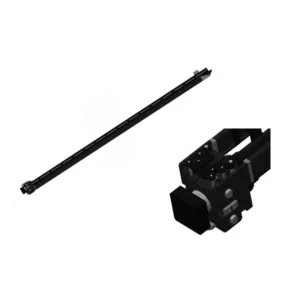
The mobile crane telescopic cylinder is vital in mobile crane systems and is specifically designed to enhance reach and lifting performance. This hydraulic cylinder enables crane operators to extend the boom sections of the crane, allowing for increased vertical and horizontal reach and improved lifting capacity.
The mobile crane telescopic cylinder is a crucial component that enhances mobile cranes’ reach, lifting capacity, and overall performance. With its robust construction, telescopic design, extended reach, and improved lifting capacity, this hydraulic cylinder empowers operators to tackle diverse lifting tasks easily and efficiently. By following the recommended usage methods and maintenance practices, operators can maximize the longevity and performance of the mobile crane telescopic cylinder, contributing to increased productivity, versatility, and safety on construction sites and industrial applications. Invest in this essential hydraulic component to elevate the capabilities of your mobile crane, ensuring successful and efficient lifting operations.
Mobile Crane Telescopic Cylinder Key Characteristics:
- Construcción robusta:
- The mobile crane telescopic cylinder is engineered with high-quality materials, ensuring durability and longevity even in demanding operating conditions.
- It is designed to withstand heavy loads, vibrations, and extreme weather conditions, providing reliable performance throughout its lifespan.
- Telescopic Design:
- This hydraulic cylinder features a telescoping mechanism that allows for the extension and retraction of multiple boom sections.
- The telescopic design enables the crane to reach greater heights and distances, making it suitable for a wide range of lifting tasks.
- Enhanced Reach and Flexibility:
- By extending the boom sections, the telescopic cylinder significantly increases the crane’s reach, both vertically and horizontally.
- It enables operators to access elevated work areas, maneuver around obstacles, and reach over obstacles, enhancing the crane’s versatility on the job site.
- Improved Lifting Capacity:
- The telescopic cylinder enhances the crane’s lifting capacity by providing greater stability and reducing the stress on individual boom sections.
- It distributes the load more evenly across the extended boom, allowing for safer and more efficient lifting operations.
Mobile Crane Telescopic Cylinder Parameter:
| Nombre del producto | Cilindro telescópico para grúa móvil |
| Características: | Implemente el movimiento telescópico lineal de la pluma. |
| Diámetro del orificio: | 75mm~360mm |
| Diámetro de la varilla: | 50mm~320mm Stroke≤22000mm |
| Presión: | Máximo 42 MPa |
| Aplicaciones del cilindro de dirección hidráulica: | Grúa móvil |
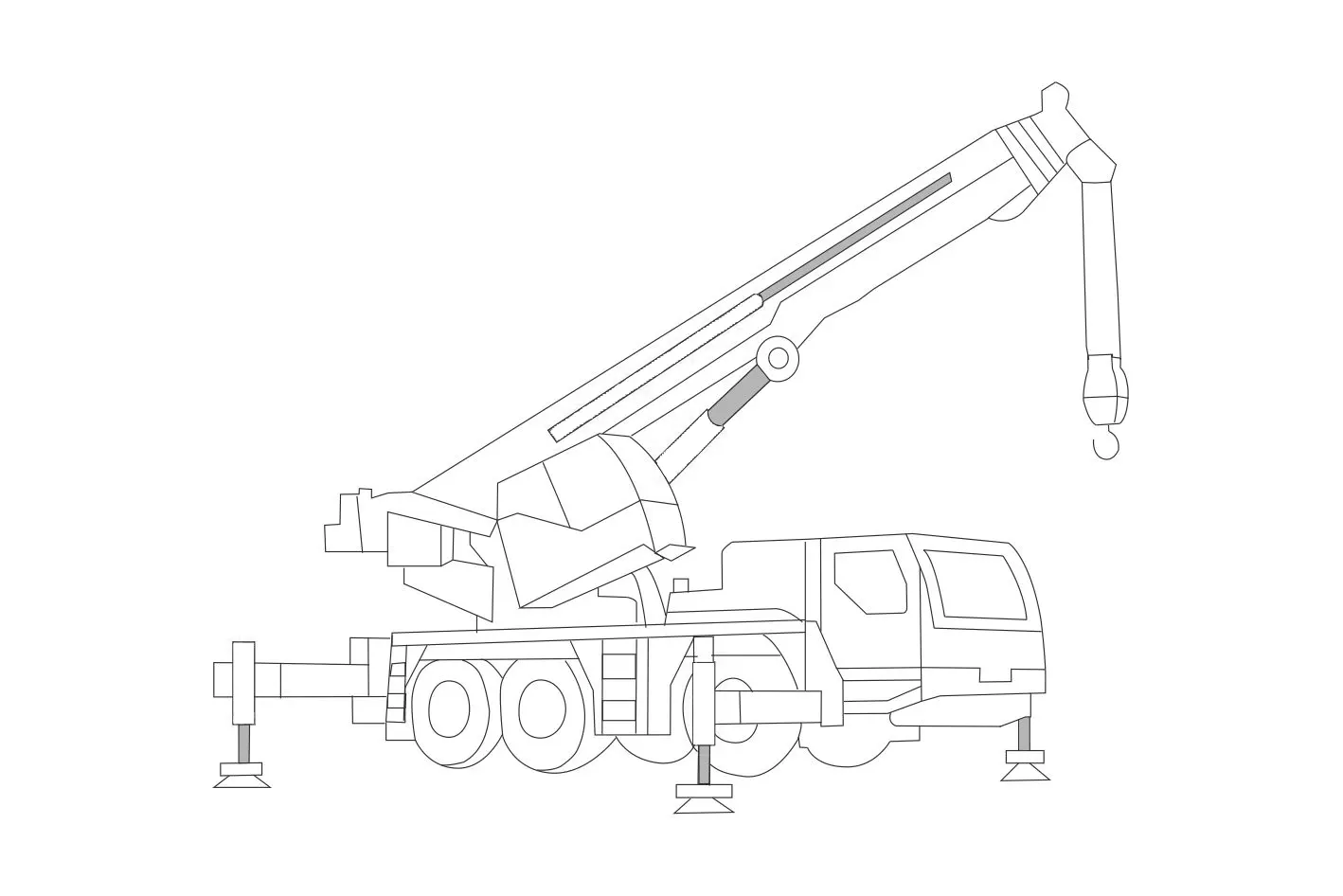
Diagrama de identificación de grúas móviles:
Usage Method Of Mobile Crane Telescopic Cylinder:
- Precauciones de seguridad:
- Before operating the mobile crane, ensure all safety guidelines and regulations are followed.
- Conduct a thorough inspection of the crane and its components, including the telescopic cylinder, to ensure they are in proper working condition.
- Familiarícese con los controles:
- Comprenda los mecanismos de control y los procedimientos operativos específicos de su modelo de grúa móvil.
- Identify the controls responsible for extending and retracting the telescopic boom sections.
- Extending the Boom:
- Activate the appropriate control to extend the telescopic cylinder, allowing the boom sections to develop fully.
- Follow the manufacturer’s guidelines and load charts to determine the safe extension limits based on the load weight and radius.
- Retracting the Boom:
- When the lifting operation is complete, activate the control to retract the telescopic cylinder, bringing the boom sections back to their resting position.
- Ensure that each section retracts smoothly and aligns properly with the adjacent areas.
¿Cómo purgar el aire de un sistema hidráulico?
Bleeding air from a hydraulic system is necessary to ensure proper operation and prevent issues such as reduced performance, spongy response, or erratic behavior. Here’s a step-by-step guide on how to bleed air from a hydraulic system:
- Identificar puntos de sangrado:
- Determine the locations in the hydraulic system where air can be trapped. Common bleed points include air bleed valves, bleed screws, or fittings with removable caps.
- Consult the system’s manual or manufacturer guidelines for specific information on bleed points.
- Preparar el sistema:
- Ensure the hydraulic system is turned off and the pressure is fully released.
- If applicable, locate the hydraulic fluid reservoir and check the fluid level. Maintain the liquid level within the recommended range.
- Comience por el punto más bajo:
- Begin the bleeding process at the lowest point in the system where air can accumulate.
- Afloje la válvula de purga de aire o retire la tapa del racor para acceder al tornillo de purga.
- Abrir el punto de sangrado:
- Utilice una herramienta adecuada, como una llave inglesa o un destornillador, para abrir lentamente la válvula de purga de aire o aflojar el tornillo de purga.
- Be cautious not to remove the valve or screw, which may result in fluid leakage.
- Purificar el aire:
- Al abrirse el punto de purga, pueden empezar a escapar burbujas de aire junto con el fluido hidráulico.
- Allow the air to purge from the system until a steady fluid flow without air bubbles is observed.
- Keep a container or absorbent material handy to catch any fluid that may spill during this process.
- Cierre el punto de sangrado:
- Una vez purgado el aire, cierre la válvula de purga de aire o apriete firmemente el tornillo de purga.
- Ensure the valve or screw is adequately sealed to prevent further air entry.
- Pasar al siguiente punto de sangrado:
- Proceed to the next highest point in the system where air can accumulate, and repeat steps 4-6.
- Continúe purgando el sistema en cada punto de sangrado identificado, avanzando gradualmente hasta llegar al punto más alto.
- Comprobar el nivel del líquido:
- Monitor the fluid level in the reservoir throughout the bleeding process and top up if necessary.
- Use the recommended hydraulic fluid specified in the system’s manual or by the manufacturer.
- Probar y verificar:
- After bleeding all the identified points, operate the hydraulic system to ensure proper functionality.
- Compruebe si hay signos de respuesta esponjosa, ruidos anormales o comportamiento errático.
- Repeat the bleeding process if issues persist or consult a qualified technician for further assistance.
Capacidad de la fábrica:
(1) Montaje
Contamos con una plataforma de ensamblaje independiente de primera clase para investigación y desarrollo. El taller de producción de cilindros hidráulicos cuenta con cuatro líneas de ensamblaje de cilindros de elevación semiautomáticos y una línea de ensamblaje de cilindros de inclinación automáticos, con una capacidad de producción anual diseñada de 1 millón de piezas. El taller de cilindros especiales está equipado con un sistema de ensamblaje de limpieza semiautomático de diversas especificaciones, con una capacidad de producción anual diseñada de 200,000 unidades, y está equipado con reconocidos equipos de mecanizado CNC, un centro de mecanizado, equipos especiales de procesamiento de cilindros de alta precisión, una máquina de soldadura robotizada, una máquina de limpieza automática, una máquina de ensamblaje de cilindros automáticos y una línea de producción de pintura automática. Contamos con más de 300 equipos críticos. La asignación óptima y el uso eficiente de los recursos de equipo garantizan la precisión y la alta calidad de los productos.


(2) Mecanizado
El taller de mecanizado está equipado con un centro de torneado de carril inclinado personalizado, un centro de mecanizado, una máquina de bruñido de alta velocidad, un robot de soldadura y otros equipos relacionados, que pueden procesar tubos cilíndricos con un diámetro interior máximo de 400 mm y una longitud máxima de 6 metros.

(3) Soldadura

(4) Pintura y revestimiento
Con pequeñas y medianas líneas de cilindros automáticos de recubrimiento de pintura a base de agua, para lograr la carga y descarga automática de robots y pulverización automática, la capacidad de diseño de 4000 piezas por turno;
También disponemos de una línea semiautomática de producción de pintura para grandes cilindros accionada por cadena, con una capacidad de diseño de 60 cajas por turno.


(5) Pruebas
Disponemos de instalaciones de inspección y bancos de pruebas de primera clase para garantizar que el rendimiento del cilindro cumple los requisitos.

Somos uno de los mejores fabricantes de cilindros hidráulicos. Ofrecemos cilindros hidráulicos integrales. También proporcionamos... cajas de cambios agrícolasHemos exportado nuestros productos a clientes de todo el mundo y nos hemos ganado una excelente reputación gracias a nuestra excelente calidad y servicio posventa. Invitamos a clientes nacionales e internacionales a contactarnos para negociar negocios, intercambiar información y... colabore con nosotros!
Cilindro hidráulico Aplicación:

 ES
ES  EN
EN  PT
PT  DE
DE  FR
FR  IT
IT  AR
AR  ZH
ZH  RU
RU  KO
KO  KA
KA  BG
BG  CS
CS  DA
DA  EL
EL  ET
ET  FI
FI  HU
HU  ID
ID  LT
LT  LV
LV  NB
NB  NL
NL  PL
PL  RO
RO  SK
SK  SL
SL  SV
SV  TR
TR  UK
UK