
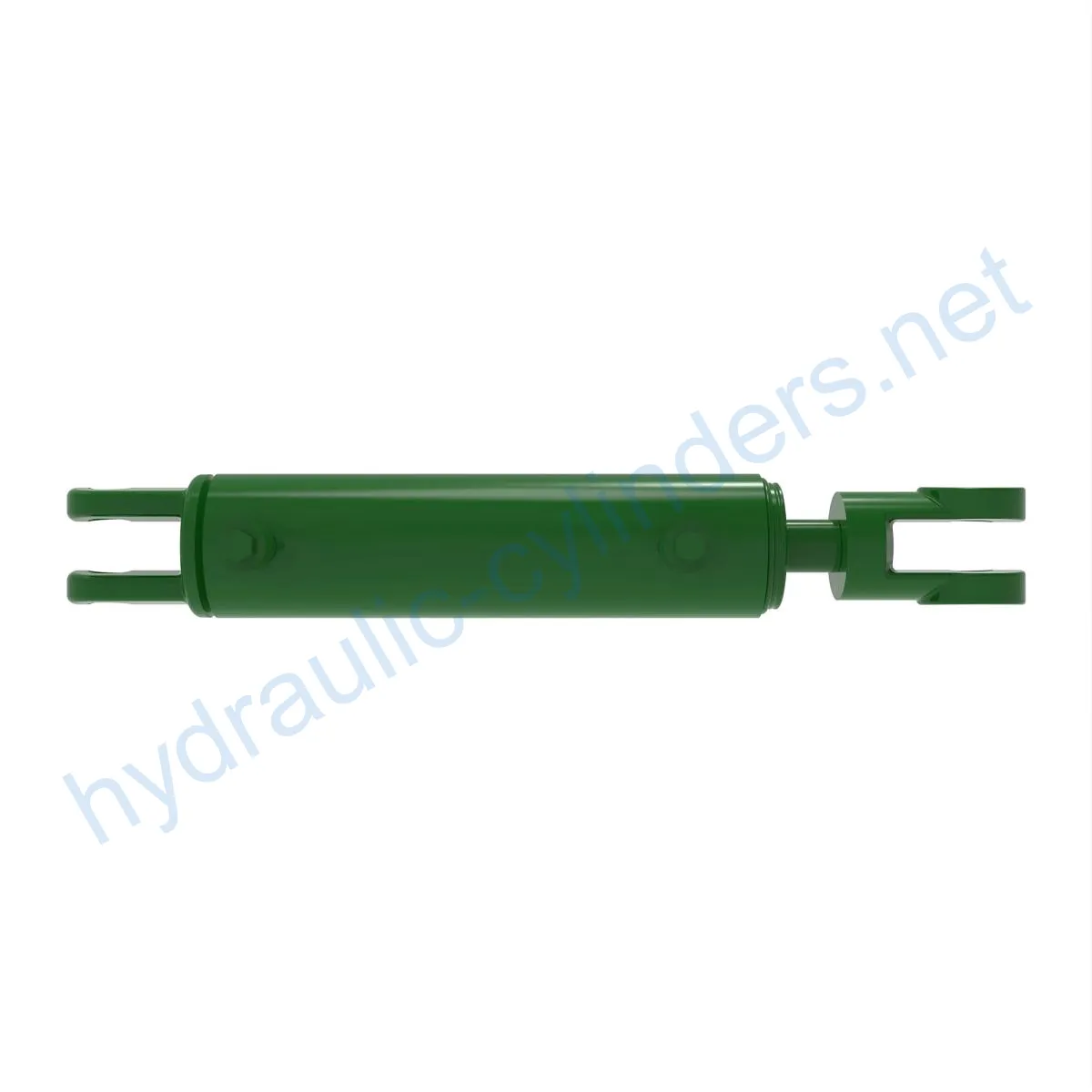
Replacement Of AH212757 Hydraulic Cylinder
Replacement Of AH212757 Hydraulic Cylinder
Introducción
The Replacement Of AH212757 Hydraulic Cylinder is a crucial component used in various machinery models including 627, 637, 714, 726, 1750, 1755, 1760, 1760/1765 PRECISION UPGRADES, 1760NT, 1765, 1770, 1775, 2310, 2330, and 2510H 2700. This hydraulic cylinder plays a vital role in ensuring the proper functioning of equipment by facilitating hydraulic movements and providing stability.
Especificaciones y modelos
The specifications of the Replacement Of AH212757 Hydraulic Cylinder are as follows:
- Weight: 25.2 lb
- Altura: 4,5 pulgadas
- Length: 23.2 in
It is compatible with the following machine models: 627, 637, 714, 726, 1750, 1755, 1760, 1760/1765 PRECISION UPGRADES, 1760NT, 1765, 1770, 1775, 2310, 2330, and 2510H 2700.
Características
- Improved Equipment Performance: Replacing damaged or worn hydraulic cylinders restores the normal operational capability of the equipment, ensuring optimal performance in various applications.
- Mayor seguridad: el reemplazo regular de los cilindros hidráulicos reduce los riesgos de seguridad causados por fallas en los cilindros, lo que garantiza la seguridad de los operadores y el equipo.
- Protección contra sobrecarga: Los nuevos diseños de cilindros a menudo incorporan mejores mecanismos de protección contra sobrecarga, lo que mejora la seguridad general.
- Instalación rápida: Los cilindros hidráulicos modernos están diseñados para una fácil instalación y reemplazo, minimizando el tiempo de inactividad.
- Componentes estandarizados: Muchos cilindros hidráulicos son productos estandarizados, lo que facilita la disponibilidad de piezas de repuesto en el mercado.
Aplicaciones
The Replacement Of AH212757 Hydraulic Cylinder has various applications, including:
- Excavators: The hydraulic cylinder may require replacement on the arm or bucket of excavators due to long-term usage or overloading, to restore normal operations.
- Cranes: Crane boom hydraulic cylinders are prone to wear and tear during frequent lifting and lowering processes, necessitating regular replacement for safety.
- Tractors: The front loader hydraulic cylinder on tractors may develop leaks or performance issues due to continuous lifting and tilting operations, requiring replacement.
- Harvesters: Hydraulic systems in harvesters endure high pressure during harvesting, and cylinders may fatigue and become damaged, requiring timely replacement to maintain efficiency.
- Líneas de producción automatizadas: Los cilindros hidráulicos se utilizan para controlar brazos robóticos y otros equipos automatizados. Las fallas en los cilindros pueden afectar significativamente la eficiencia de la producción y deben reemplazarse de inmediato.
- Máquinas de fundición a presión: En entornos de alta presión y alta temperatura, los cilindros hidráulicos pueden sufrir una degradación de su rendimiento. Su sustitución periódica garantiza la calidad del producto.
- Mining Equipment: Hydraulic cylinders are used for lifting and moving heavy loads in mining equipment. Due to the harsh working environment, regular inspection and replacement are necessary to avoid equipment failure.
- Bulldozers: The wear of hydraulic cylinders on the bulldozer’s blade arm can lead to a decrease in pushing capacity, necessitating timely replacement to maintain operational efficiency.
Tareas de mantenimiento
Regular maintenance tasks for the Replacement Of AH212757 Hydraulic Cylinder include:
- Periodic Inspections: Regularly inspect the hydraulic cylinder for any signs of wear, leaks, or damage.
- Lubricación adecuada: aplique la lubricación adecuada para garantizar un funcionamiento suave y evitar una fricción excesiva.
- Seal Replacement and Calibration Checks: Replace worn seals and periodically calibrate the cylinder to maintain optimal performance.
Consideraciones de seguridad y factores ambientales
When using hydraulic cylinders, it is essential to prioritize safety measures. Proper handling and adherence to safety guidelines are crucial to prevent accidents and maintain a safe working environment.
Solución de problemas y problemas comunes
When encountering issues with the Replacement Of AH212757 Hydraulic Cylinder, consider the following:
- Leakage: Check for any signs of hydraulic fluid leakage and inspect the seals and connections for damage.
- Slow Movements: Ensure proper lubrication and inspect for any obstructions or excessive friction that may be causing slow movements.
- Stuck Cylinder: Check for any debris or foreign objects that may be obstructing the movement of the cylinder and clean or remove them accordingly.
- Uneven Pressure: Inspect the hydraulic system for any blockages or imbalances that may be causing uneven pressure distribution in the cylinder.
Medidas preventivas y consejos para la solución de problemas
To effectively diagnose and solve problems related to the Replacement Of AH212757 Hydraulic Cylinder, consider the following tips:
- Regular Inspections: Conduct routine inspections to identify any issues before they escalate.
- Proper Lubrication: Ensure the cylinder is adequately lubricated to minimize friction and extend its lifespan.
- Correct Installation and Alignment: Follow proper installation guidelines and align the cylinder correctly to avoid any operational issues.
- Recommended Inspection, Repair, and Replacement Procedures: Adhere to recommended procedures for checking, repairing, and replacing components to maintain optimal performance.
- Part Replacement and Rebuilding Services: Utilize available replacement parts and rebuilding services to prolong the lifespan of the hydraulic cylinder.
- Improving Keyword Longevity: Implement techniques to maximize the longevity and performance of the hydraulic cylinder.

Consideraciones de diseño y criterios de selección
When selecting the Replacement Of AH212757 Hydraulic Cylinder, consider the following design considerations:
- Load-Bearing Capacity: Ensure the cylinder can handle the specified load requirements.
- Sealing: Evaluate the sealing capabilities to prevent leaks and maintain efficient operation.
- Durability: Assess the durability of materials and construction to withstand various operating conditions.
- Safety: Consider safety features and mechanisms incorporated into the cylinder’s design.
- Maintainability: Evaluate the ease of maintenance and repair to minimize downtime.


 ES
ES  EN
EN  PT
PT  DE
DE  FR
FR  IT
IT  AR
AR  ZH
ZH  RU
RU  KO
KO  KA
KA  BG
BG  CS
CS  DA
DA  EL
EL  ET
ET  FI
FI  HU
HU  ID
ID  LT
LT  LV
LV  NB
NB  NL
NL  PL
PL  RO
RO  SK
SK  SL
SL  SV
SV  TR
TR  UK
UK