
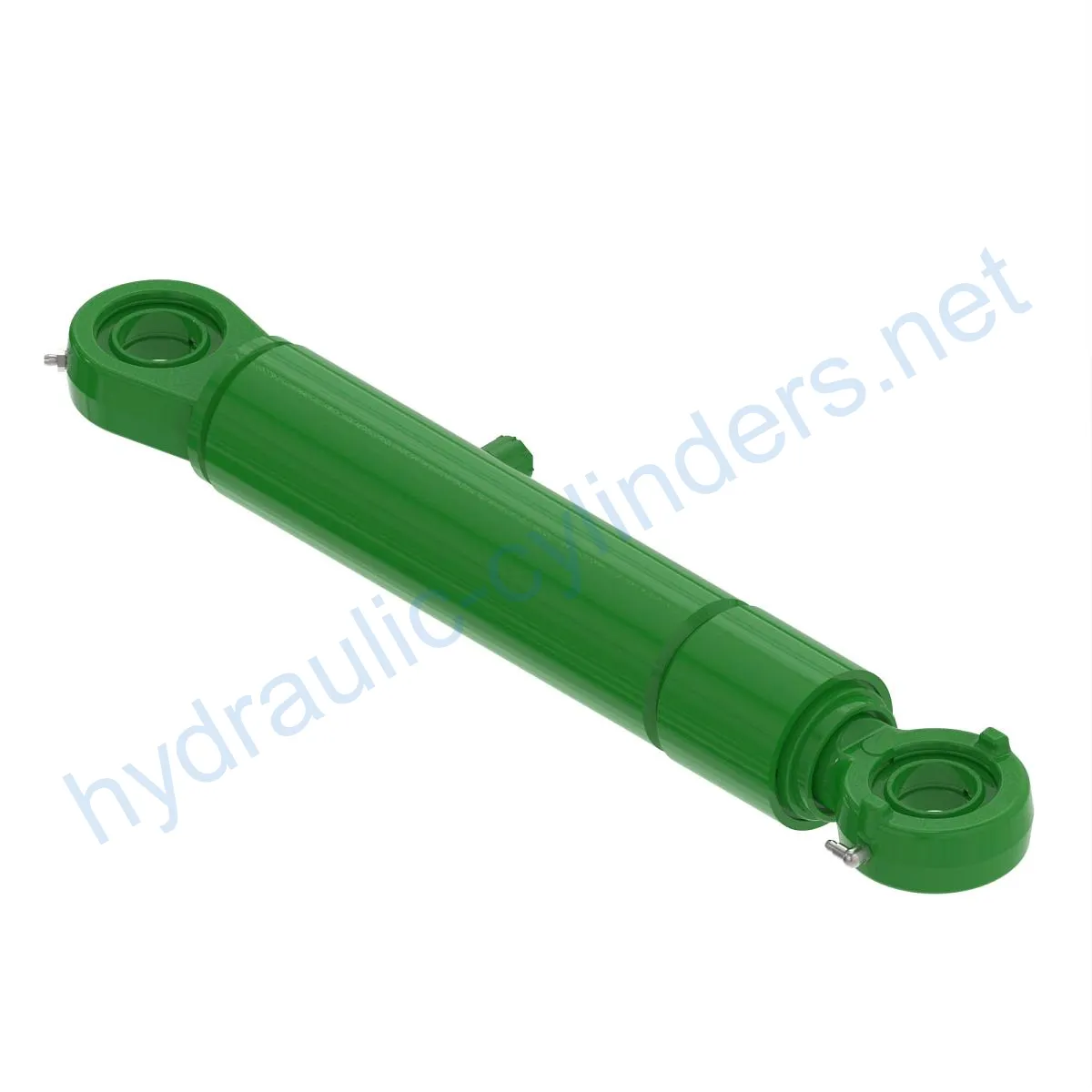
Replacement Of AHC10194 Track Tensioner Hydraulic Cylinder
Como cilindros hidráulicos uno de los fabricantes, los surtidores y los exportadores de productos mecánicos, ofrecemos cilindros hidráulicos y muchos otros productos.
Póngase en contacto con nosotros para más información.
Correo:sales@hydraulic-cylinders.net
Fabricante proveedor exportador de cilindros hidráulicos.
Replacement Of AHC10194 Track Tensioner Hydraulic Cylinder
Definition: The Replacement Of AHC10194 Track Tensioner Hydraulic Cylinder is a hydraulic cylinder designed to replace the damaged or worn-out hydraulic cylinders in various models of John Deere track tractors. It plays a crucial role in maintaining the proper tension of the tracks and ensuring the smooth operation of the equipment.
Especificaciones y modelos
Presupuesto:
- Weight: 51 lb
- Altura: 4 pulgadas
- Ancho: 5,5 pulgadas
- Length: 27.6 in
Modelos:
- 8RT 310
- 8RT 340
- 8RT 370
- 8RT 410
- 8295RT
- 8310RT
- 8320RT
- 8335RT
- 8345RT
- 8360RT
- 8370RT
Características
- Mejora del rendimiento del equipo: La sustitución de los cilindros hidráulicos dañados o desgastados puede restablecer el funcionamiento normal del equipo y garantizar su rendimiento en diversas aplicaciones.
- Mayor seguridad: Reemplazar periódicamente los cilindros hidráulicos reduce los riesgos de seguridad causados por fallas en los cilindros, lo que garantiza la seguridad de los operadores y el equipo.
- Protección contra sobrecargas: Los nuevos diseños de cilindros suelen incorporar mejores mecanismos de protección contra sobrecargas, lo que mejora la seguridad.
- Instalación rápida: Los cilindros hidráulicos modernos están diseñados para una fácil instalación y reemplazo, minimizando el tiempo de inactividad.
- Componentes estandarizados: Muchos cilindros hidráulicos son productos estandarizados, lo que facilita la obtención de piezas de repuesto en el mercado.
We can produce this product, and our hydraulic cylinders are perfect replacements for the mentioned models’ cylinders.
Aplicaciones
1. Excavators:
In excavators, hydraulic cylinders in the arm or bucket may get damaged due to prolonged use or overload, requiring replacement to restore normal operation.
2. Cranes:
The hydraulic cylinders in crane booms are prone to wear during frequent lifting and lowering processes, necessitating regular replacement to ensure safety.
3. Tractors:
The hydraulic cylinders in front-end loaders of tractors may experience leaks or performance degradation during continuous lifting and tilting operations, requiring replacement.
4. Cosechadoras:
During the harvesting process, hydraulic systems endure high pressures, and cylinders may get damaged due to fatigue, requiring timely replacement to maintain work efficiency.
5. Líneas de producción automatizadas:
Hydraulic cylinders are used to control robotic arms and other automation equipment. Cylinder failures can significantly impact production efficiency, necessitating immediate replacement.
6. Máquinas de fundición a presión:
En entornos de alta presión y alta temperatura, los cilindros hidráulicos de las máquinas de fundición a presión pueden sufrir una degradación de su rendimiento. Su sustitución periódica garantiza la calidad del producto.
7. Equipo de minería:
Hydraulic cylinders are used for lifting and moving heavy loads in mining equipment. Due to harsh working environments, regular inspection and replacement are necessary to avoid equipment failure.
8. Bulldozers:
Wear in the hydraulic cylinders of bulldozer blades can cause a decrease in pushing ability. Timely replacement ensures efficient operation.
Tareas de mantenimiento
1. Regular Inspections:
It is essential to regularly inspect the hydraulic cylinders for any signs of wear, leaks, or damage. This helps identify potential issues early on and prevent major failures.
2. Lubricación adecuada:
Applying the appropriate amount of hydraulic oil at regular intervals ensures smooth operation and reduces friction between moving parts.
3. Reemplazo de sellos y verificación de calibración:
Replacing worn-out seals and conducting calibration checks help maintain the optimum performance of the hydraulic cylinders. Proper alignment guidance should be provided during the installation process, and the use of suitable mounting brackets is recommended.
Consideraciones de seguridad y factores ambientales
When using hydraulic cylinders, it is crucial to follow safety measures to prevent accidents and injuries. Handling hydraulic systems requires proper training and understanding of potential risks.
Solución de problemas y problemas comunes
1. Fuga del cilindro:
If hydraulic cylinders are leaking, it may indicate seal damage or improper installation. Check and replace seals if necessary.
2. Slow Operation:
If the hydraulic cylinder operates slower than usual, it could be due to insufficient lubrication or internal damage. Lubricate the cylinder properly and inspect for any internal issues.
3. Cylinder Drift:
If the cylinder drifts when it should be stationary, it may indicate internal valve problems or contamination. Inspect and clean the valves or seek professional assistance if needed.
4. Insufficient Power:
If the hydraulic cylinder lacks power, it could be due to inadequate hydraulic pressure or a malfunctioning pump. Check the system’s pressure levels and inspect the pump for any issues.
Consejos para la resolución de problemas
1. Thoroughly assess the symptoms and observe the cylinder’s behavior to pinpoint potential causes.
2. Consult the equipment’s manual or seek expert advice to diagnose and solve complex issues.
3. Regularly maintain and inspect the hydraulic system to prevent problems before they occur.

Consideraciones de diseño y criterios de selección
A la hora de elegir cilindros hidráulicos hay que tener en cuenta varios factores:
- Load-Bearing Capacity: The cylinder’s ability to bear the intended load is crucial for efficient operation.
- Sealing and Durability: High-quality seals and durable construction ensure long-lasting performance and minimize the risk of leaks.
- Safety: Hydraulic cylinders should meet safety standards and incorporate safety features for reliable operation.
- Maintenance: Easy maintenance and accessibility for repairs contribute to the overall efficiency and longevity of the hydraulic cylinders.
Sellado y lubricación
Hydraulic cylinders utilize various sealing components, such as piston seals and rod seals, made of wear-resistant materials like polyurethane and nitrile rubber. The cylinder body and threaded ends undergo precise surface treatment to enhance wear resistance. Regular lubrication with the appropriate hydraulic oil is necessary to ensure smooth operation.
Inspección regular y mantenimiento preventivo
1. Proper Installation: Correctly aligning the cylinder during installation is crucial for optimal performance and longevity.
2. Lubrication and Adjustment: Regularly lubricating and adjusting the hydraulic cylinders ensures smooth operation and prolongs their lifespan.
3. Inspection, Repair,
Cilindro hidráulico Aplicación:

 ES
ES  EN
EN  PT
PT  DE
DE  FR
FR  IT
IT  AR
AR  ZH
ZH  RU
RU  KO
KO  KA
KA  BG
BG  CS
CS  DA
DA  EL
EL  ET
ET  FI
FI  HU
HU  ID
ID  LT
LT  LV
LV  NB
NB  NL
NL  PL
PL  RO
RO  SK
SK  SL
SL  SV
SV  TR
TR  UK
UK