
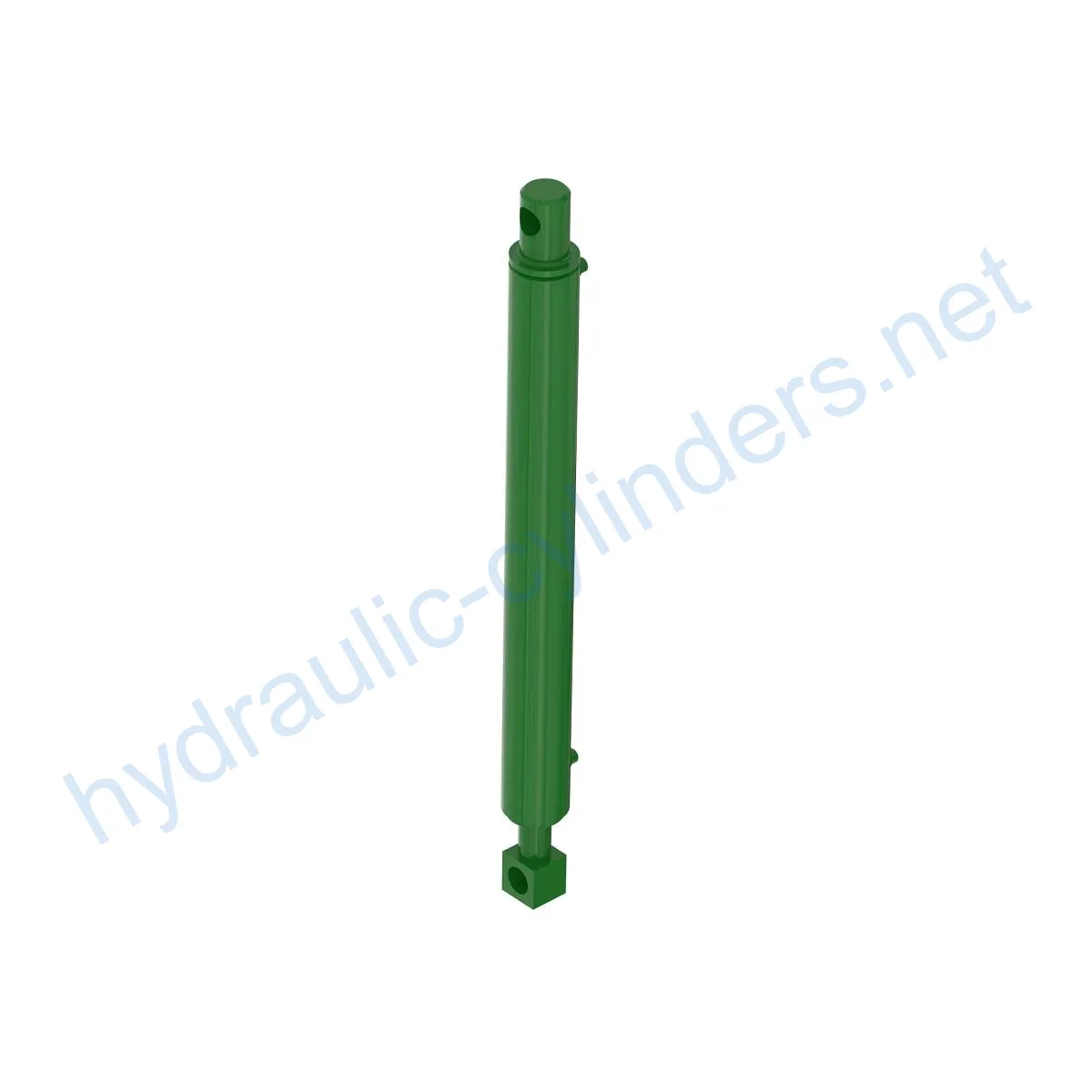
Replacement Of AHC14198 Hydraulic Cylinder
Como cilindros hidráulicos uno de los fabricantes, los surtidores y los exportadores de productos mecánicos, ofrecemos cilindros hidráulicos y muchos otros productos.
Póngase en contacto con nosotros para más información.
Correo:sales@hydraulic-cylinders.net
Fabricante proveedor exportador de cilindros hidráulicos.
Replacement Of AHC14198 Hydraulic Cylinder
Firstly, let’s introduce the product and define what this hydraulic cylinder is and its purpose. The Replacement Of AHC14198 Hydraulic Cylinder is a vital component used in various machinery and equipment to convert hydraulic energy into mechanical force.
Presupuesto
- Weight: 67 lb
- Altura: 4 pulgadas
- Ancho: 5 pulgadas
- Longitud: 44 pulgadas
Modelo
The Replacement Of AHC14198 Hydraulic Cylinder is compatible with the H360 model.
Características
- Improved Equipment Performance: Replacing damaged or worn-out hydraulic cylinders helps restore the normal operational capabilities of the equipment, ensuring optimal performance in various applications.
- Enhanced Safety: Regularly replacing hydraulic cylinders reduces safety hazards caused by cylinder failures, guaranteeing the safety of operators and equipment.
- Protección contra sobrecargas: Los nuevos diseños de cilindros suelen incorporar mejores mecanismos de protección contra sobrecargas, lo que mejora la seguridad durante el funcionamiento.
- Instalación rápida: Los cilindros hidráulicos modernos están diseñados teniendo en cuenta la facilidad de instalación y reemplazo, minimizando el tiempo de inactividad.
- Componentes estandarizados: Muchos cilindros hidráulicos son productos estandarizados, lo que facilita la obtención de piezas de repuesto en el mercado.
We have the capability to produce this product, and our cylinders are a perfect replacement for these hydraulic cylinders.
Aplicaciones
- Excavators: Hydraulic cylinders in excavator arms or buckets may get damaged due to prolonged use or overload, requiring replacement to restore proper operations.
- Cranes: The hydraulic cylinders in crane boom arms undergo frequent lifting and lowering, leading to wear and tear. Regular replacement is necessary to ensure safety.
- Tractors: The front loader hydraulic cylinders in tractors may experience leaks or performance degradation during constant lifting and tilting operations, necessitating replacement.
- Harvesters: Hydraulic cylinders withstand high pressures during harvesting, making them prone to fatigue damage. Timely replacement is crucial for maintaining work efficiency.
- Líneas de producción automatizadas: Los cilindros hidráulicos se utilizan para controlar brazos robóticos y otros equipos automatizados. Las fallas en los cilindros pueden afectar significativamente la eficiencia de la producción y deben reemplazarse de inmediato.

Tareas de mantenimiento
- Regular Inspection: Perform routine checks to identify any signs of damage or wear on the hydraulic cylinder.
- Proper Lubrication: Ensure appropriate lubrication of the cylinder’s moving parts to maintain smooth operation and prevent premature wear.
- Seal Replacement and Calibration Check: Replace worn-out seals and perform calibration checks to ensure optimum performance.
During installation, provide proper guidance to align the cylinder correctly. It is recommended to use suitable mounting brackets for secure fixation. We offer inspection, repair, and replacement procedures, as well as component replacements and rebuilding services, to prolong the lifespan of the hydraulic cylinder.
Consideraciones de seguridad y factores ambientales
When using hydraulic cylinders, it is crucial to follow safety measures to prevent accidents and ensure operator well-being. Proper handling and maintenance of the cylinders contribute to a safe working environment.
Diagnóstico de fallas y problemas comunes
Common issues with hydraulic cylinders include leaks, insufficient force output, and erratic movements. These problems can be diagnosed and resolved using the following tips:
- Leakage: Check for damaged seals and replace them if necessary. Ensure proper lubrication and tightening of connections.
- Insufficient Force: Evaluate the hydraulic system’s pressure and flow rates. Verify that the cylinder is correctly sized for the task at hand.
- Erratic Movements: Inspect the cylinder for damaged piston rods or misaligned components. Proper alignment and maintenance can resolve this issue.
Providing troubleshooting tips and solutions helps readers effectively diagnose and resolve issues while suggesting preventive measures to minimize potential problems.
Consideraciones de diseño y criterios de selección
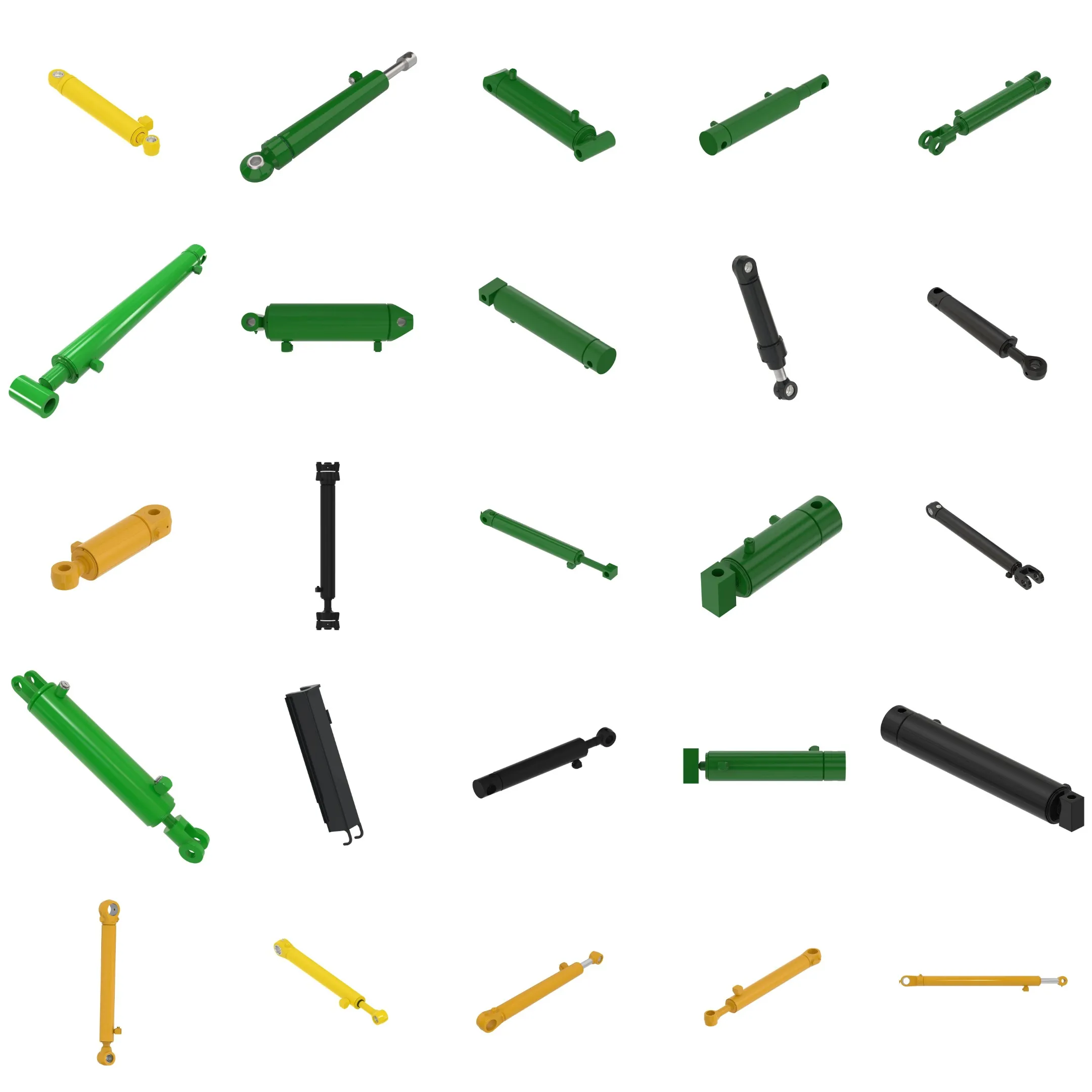
When selecting hydraulic cylinders, several design considerations are essential, including load-bearing capacity, sealing effectiveness, durability, safety features, and ease of maintenance. Each aspect plays a crucial role in ensuring optimal performance and longevity.
Sellado y lubricación
Hydraulic cylinders utilize various sealing components, such as piston seals and rod seals, made of wear-resistant materials like polyurethane and nitrile rubber. The cylinder body and threaded ends undergo precise surface treatments to enhance wear resistance. Regular lubrication with the appropriate hydraulic oil is necessary to ensure smooth operation and longevity.
Inspección regular y mantenimiento preventivo
Regular inspections and preventive maintenance are vital to identify potential issues early on. Proper installation, lubrication, and adjustment are of utmost importance. Providing guidance on aligning the cylinder correctly and recommending the appropriate inspection, repair, and replacement procedures, including component replacements and rebuilding services, contributes to prolonging the hydraulic cylinder’s lifespan.
Guía de instalación
To ensure a successful installation, follow these steps:
- Prepare the mounting surface and ensure it is clean and level.
- Align the cylinder and ensure it is parallel to the moving parts it will actuate.
- Fije firmemente el cilindro utilizando soportes o accesorios de montaje adecuados.
- Connect the hydraulic hoses or tubing and check for any leaks.
- Perform a test operation to verify the cylinder’s functionality.
Acerca de nuestra empresa
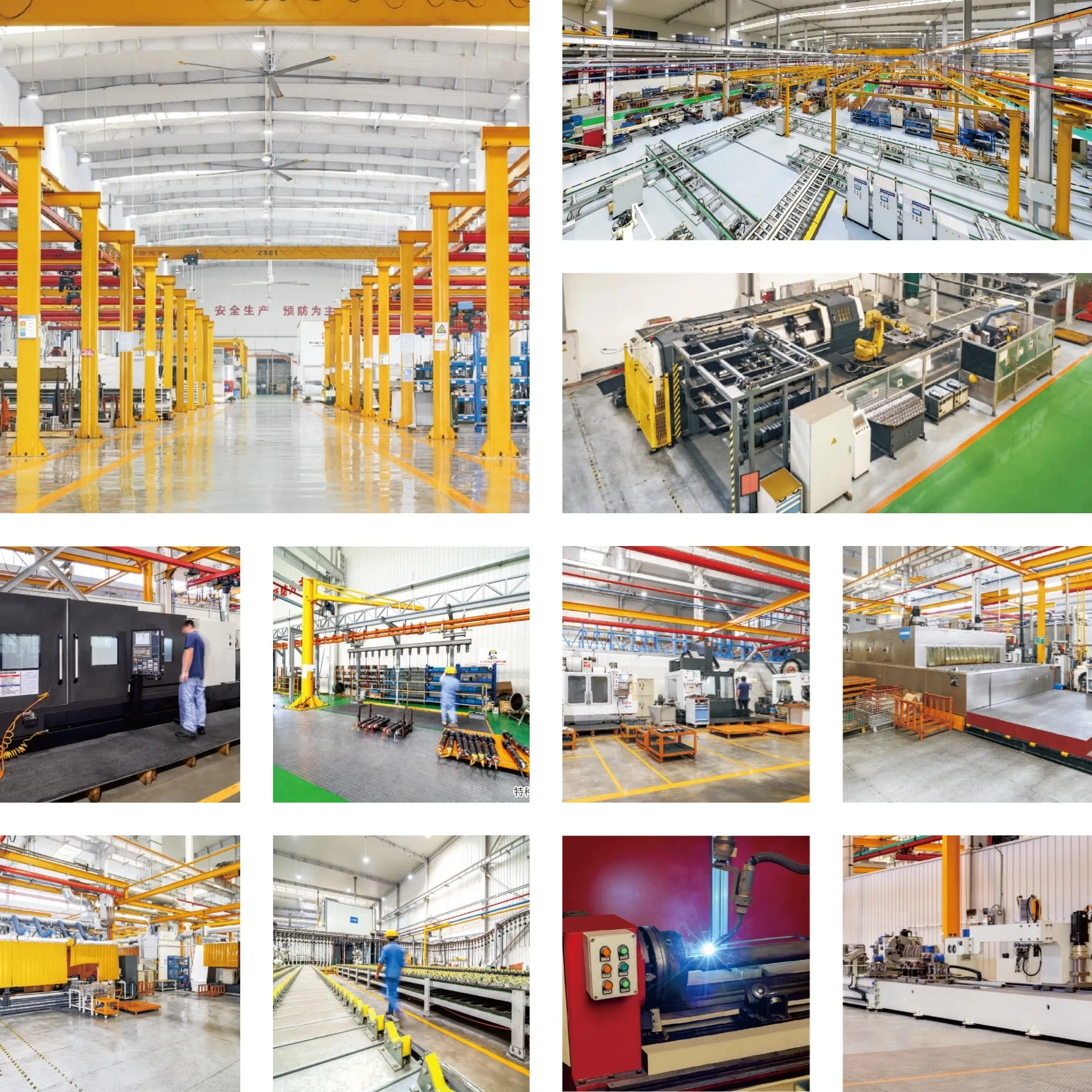
We are a leading manufacturer and wholesale distributor of replacement hydraulic cylinders, serving domestic and international markets. Our company offers a comprehensive range of hydraulic cylinder products.
Nuestras fortalezas incluyen:
- Professionalism and Expertise: Our team consists of highly skilled professionals with extensive knowledge in hydraulic cylinder manufacturing.
- International Certifications: We hold various international certifications, ensuring the quality and reliability of our products.
- Servicios de personalización: Ofrecemos soluciones personalizadas para satisfacer las necesidades específicas de cada cliente.
- Premium Production Equipment: Our state-of-the-art production equipment enables us to maintain high manufacturing standards.
- After-Sales Service: We provide excellent after-sales service to ensure customer satisfaction.
Autor: lyl
Cilindro hidráulico Aplicación:

 ES
ES  EN
EN  PT
PT  DE
DE  FR
FR  IT
IT  AR
AR  ZH
ZH  RU
RU  KO
KO  KA
KA  BG
BG  CS
CS  DA
DA  EL
EL  ET
ET  FI
FI  HU
HU  ID
ID  LT
LT  LV
LV  NB
NB  NL
NL  PL
PL  RO
RO  SK
SK  SL
SL  SV
SV  TR
TR  UK
UK