
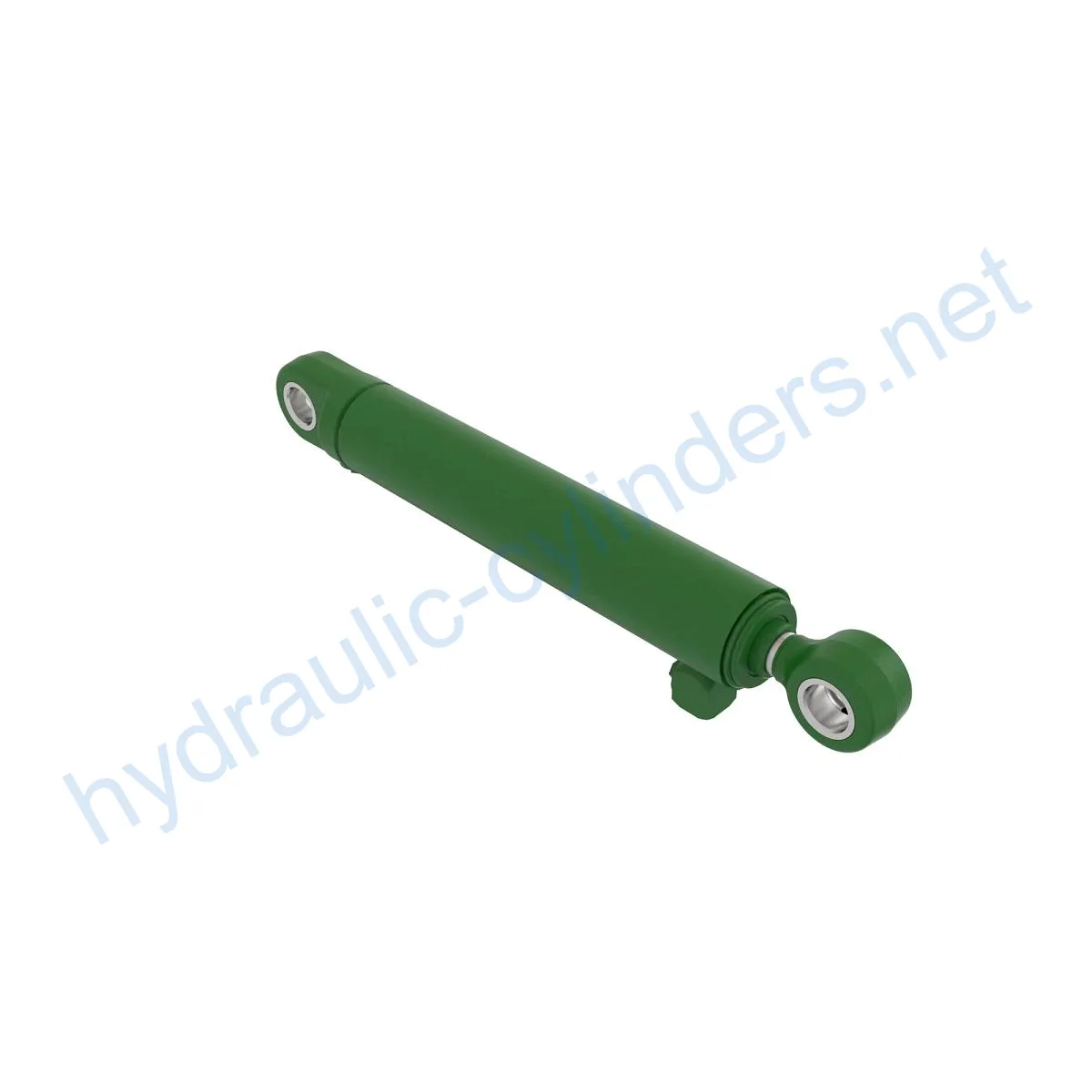
Replacement Of AHC15327 Side Knives Tilt Hydraulic Cylinder
Como cilindros hidráulicos uno de los fabricantes, los surtidores y los exportadores de productos mecánicos, ofrecemos cilindros hidráulicos y muchos otros productos.
Póngase en contacto con nosotros para más información.
Correo:sales@hydraulic-cylinders.net
Fabricante proveedor exportador de cilindros hidráulicos.
Replacement Of AHC15327 Side Knives Tilt Hydraulic Cylinder
Introducción del producto
The Replacement Of AHC15327 Side Knives Tilt Hydraulic Cylinder is a crucial component that allows for the proper functioning of equipment. This hydraulic cylinder is specifically designed to replace damaged or worn-out cylinders, ensuring optimal performance in various applications.
Especificaciones y modelo
Weight: 12.52 lb
Altura: 2,5 pulgadas
Ancho: 4,3 pulgadas
Longitud: 19 pulgadas
Características principales
- Rendimiento mejorado del equipo: Reemplazar cilindros hidráulicos dañados o desgastados restaura las capacidades operativas normales del equipo, lo que garantiza un rendimiento óptimo en diversas aplicaciones.
- Seguridad mejorada: Reemplazar periódicamente los cilindros hidráulicos reduce los riesgos de seguridad causados por fallas en los cilindros, lo que garantiza la seguridad de los operadores y el equipo.
- Protección contra sobrecarga: El diseño de cilindros nuevos a menudo incluye mejores mecanismos de protección contra sobrecarga, lo que mejora la seguridad.
- Instalación rápida: Los cilindros hidráulicos modernos están diseñados pensando en una fácil instalación y sustitución, minimizando el tiempo de inactividad.
- Componentes estandarizados: Muchos cilindros hidráulicos están estandarizados, lo que facilita la obtención de piezas de repuesto en el mercado.
Aplicaciones
1. Excavators: The hydraulic cylinder in excavator arms or buckets may become damaged due to prolonged use or overloading, requiring replacement to restore normal operation.
2. Cranes: The lifting arm hydraulic cylinder in cranes is prone to wear and tear during frequent lifting and lowering processes, necessitating regular replacement to ensure safety.
3. Tractors: The front-end loader hydraulic cylinder in tractors may experience leaks or performance degradation during continuous lifting and tilting operations, requiring replacement.
4. Harvesters: Hydraulic cylinders in harvesting equipment endure high pressure during the harvesting process and may suffer from fatigue, necessitating timely replacement to maintain work efficiency.
5. Automated Production Lines: Hydraulic cylinders are used to control robotic arms and other automated equipment. Cylinder failures can significantly impact production efficiency and should be replaced immediately.
6. Die Casting Machines: Hydraulic cylinders in die casting machines may experience performance degradation in high-pressure and high-temperature environments. Regular replacement ensures product quality.
7. Mining Equipment: Hydraulic cylinders in mining equipment are used for lifting and moving heavy loads. Due to harsh working conditions, regular inspection and replacement are necessary to avoid equipment failure.
8. Bulldozers: The wear of hydraulic cylinders on bulldozer blades leads to decreased pushing ability. Timely replacement is essential to maintain operational efficiency.
Tareas de mantenimiento
- Regular Inspection: Periodically inspect the hydraulic cylinder for any signs of wear, leakage, or damage. Address any issues immediately.
- Proper Lubrication: Ensure proper lubrication of the cylinder using the recommended hydraulic oil to reduce friction and extend the lifespan.
- Seal Replacement: Replace worn-out seals to maintain optimal performance and prevent leaks.
- Calibration Check: Regularly check the calibration of the hydraulic cylinder to ensure accurate operation and prevent any issues.
Consideraciones de seguridad y factores ambientales
When using hydraulic cylinders, it is crucial to follow safety measures to prevent accidents and injuries. Ensure proper installation, lubrication, and adjustment to guarantee safe operation. The correct alignment of the cylinder during installation is essential, and the use of appropriate installation brackets is recommended. Follow recommended inspection, repair, and replacement procedures, and avail of replacement parts and rebuilding services to enhance the lifespan of the hydraulic cylinder.
Solución de problemas y problemas comunes
1. Cylinder Leakage: If there is noticeable leakage from the hydraulic cylinder, check for damaged seals or connections. Replace any faulty components to resolve the issue.
2. Cylinder Sticking: If the cylinder is sticking or not retracting properly, inspect for dirt, debris, or damaged internal components. Clean or replace the affected parts accordingly.
3. Inconsistent Operation: If the cylinder operates inconsistently or with reduced force, check for low hydraulic pressure, damaged seals, or worn-out components. Address the identified issues promptly.
4. Noisy Operation: Unusual noises during cylinder operation may indicate air in the system, internal damage, or improper lubrication. Bleed any air from the system and ensure proper lubrication to resolve the issue.
5. Overheating: Overheating of the hydraulic cylinder can occur due to excessive friction or insufficient lubrication. Check for proper lubrication, clear any obstructions, and address any underlying causes of friction.
Medidas preventivas
To minimize potential issues, regularly inspect and maintain the hydraulic cylinder. Conduct proper lubrication, seal replacements, and calibration checks. Follow recommended troubleshooting steps and solutions to diagnose and resolve problems effectively. Implement preventive measures to reduce the occurrence of potential problems.
Consideraciones de diseño de producto y criterios de selección
Consideraciones de diseño:
- Load-Bearing Capacity: The hydraulic cylinder should be designed to withstand the intended load requirements.
- Sealing Capability: High-quality seals should be utilized to ensure proper sealing and prevent leaks.
- Durability: The cylinder should be durable and capable of withstanding the operating conditions.
- Safety: The design should incorporate safety features to prevent accidents and ensure operator protection.
- Maintainability: The cylinder should be designed for easy maintenance, allowing for convenient repairs and replacements.
Sellado y lubricación
To ensure optimal performance, various sealing components such as piston seals and rod seals are used. These seals are made of wear-resistant materials such as polyurethane and nitrile rubber. The cylinder body and threaded ends are finely treated to improve wear resistance. Regular lubrication with the appropriate hydraulic oil is necessary to ensure smooth operation and longevity of the hydraulic cylinder.
Inspección regular y mantenimiento preventivo
- Proper Installation: Provide proper alignment guidance during installation to ensure the correct alignment of the cylinder.
- Recommended Lubrication: Follow the recommended lubrication procedures and use the appropriate lubricants to maintain optimal performance.
- Adjustment: Regularly check and adjust the hydraulic cylinder for optimal operation and prevent any issues.
- Inspection, Repair, and Replacement: Follow recommended inspection, repair, and replacement procedures to address any detected problems. Replacement parts and rebuilding services are available to extend the lifespan of the hydraulic cylinder.
Guía de instalación del producto
Proper installation is crucial for the optimal performance and longevity of the hydraulic cylinder. Follow these steps:
- Prepare la zona de instalación y asegúrese de que esté limpia y libre de residuos.
- Align the cylinder with the mounting points, ensuring proper alignment and fit.
- Securely fasten the cylinder using suitable installation brackets or supports.
- Connect the necessary hydraulic hoses and fittings, ensuring a tight and leak-free connection.
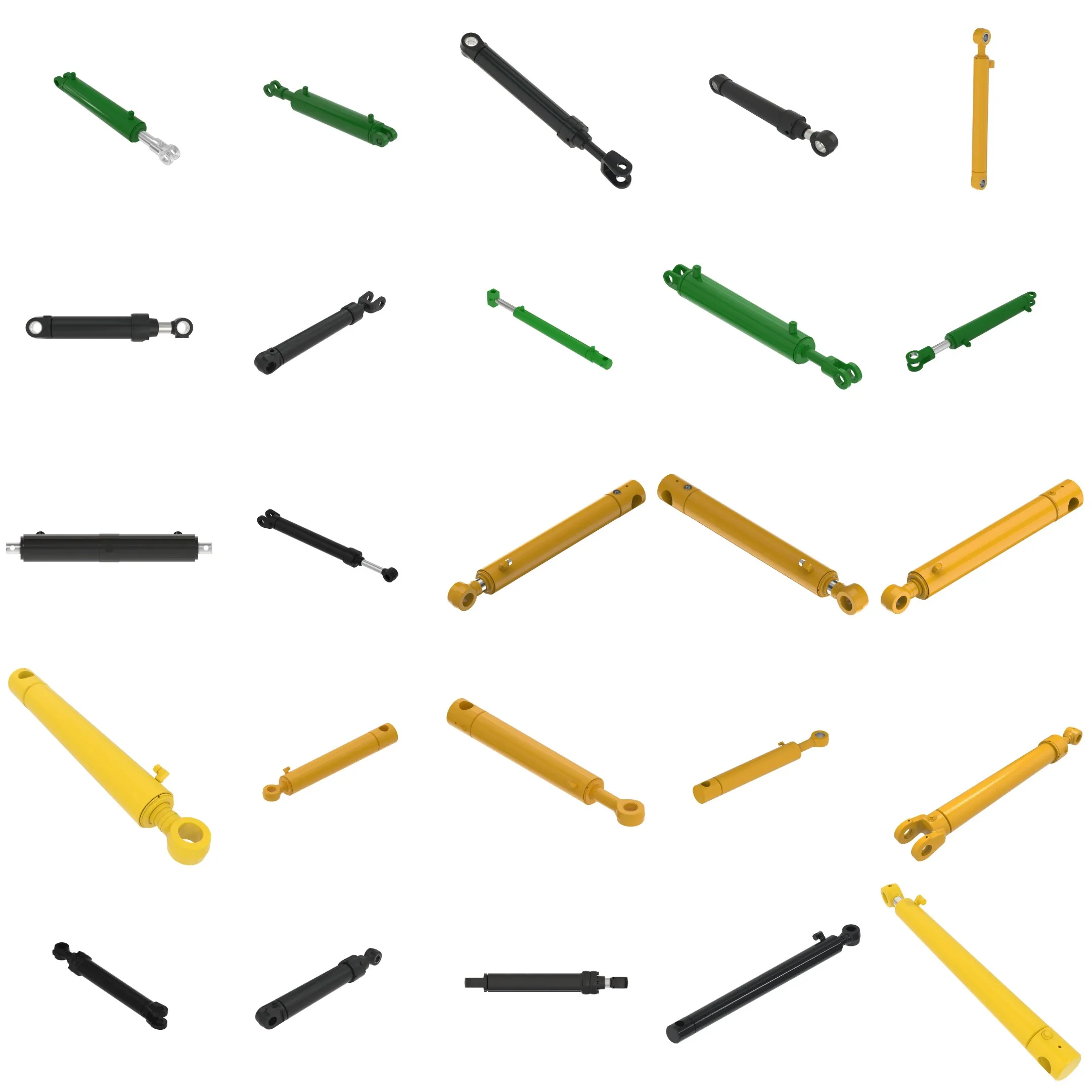
Cilindro hidráulico Aplicación:

 ES
ES  EN
EN  PT
PT  DE
DE  FR
FR  IT
IT  AR
AR  ZH
ZH  RU
RU  KO
KO  KA
KA  BG
BG  CS
CS  DA
DA  EL
EL  ET
ET  FI
FI  HU
HU  ID
ID  LT
LT  LV
LV  NB
NB  NL
NL  PL
PL  RO
RO  SK
SK  SL
SL  SV
SV  TR
TR  UK
UK