
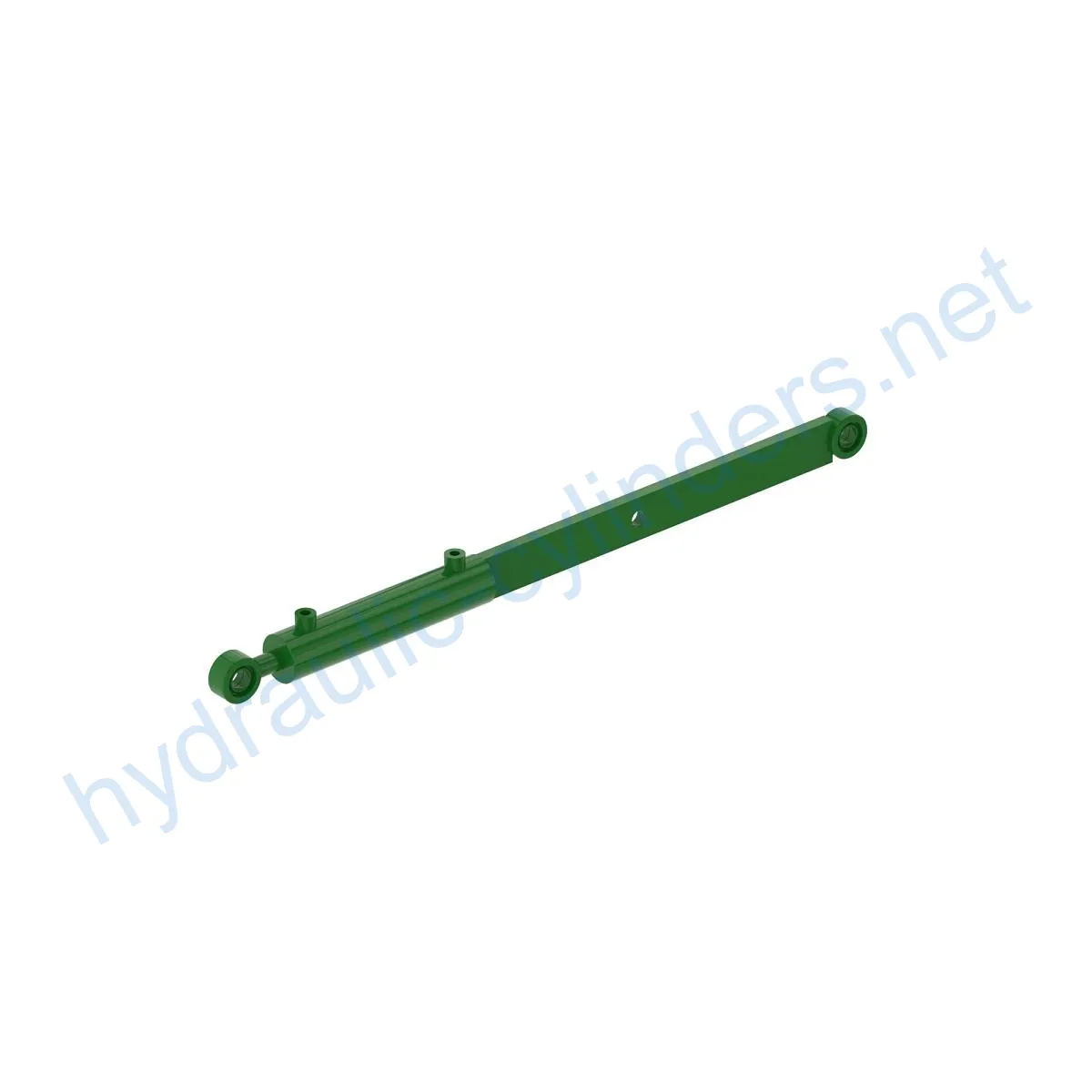
Replacement Of AHC15813 Hydraulic Cylinder
Como cilindros hidráulicos uno de los fabricantes, los surtidores y los exportadores de productos mecánicos, ofrecemos cilindros hidráulicos y muchos otros productos.
Póngase en contacto con nosotros para más información.
Correo:sales@hydraulic-cylinders.net
Fabricante proveedor exportador de cilindros hidráulicos.
Replacement Of AHC15813 Hydraulic Cylinder
Introducción del producto
The Replacement Of AHC15813 Hydraulic Cylinder is a hydraulic component used in various applications. It is designed to provide reliable performance and ensure the smooth operation of equipment.
Especificaciones y modelo
Weight: 17.82 lb
Altura: 2,5 pulgadas
Ancho: 3,3 pulgadas
Length: 38.8 in
Model: W235 W260
Características principales
- Mejora del rendimiento del equipo: La sustitución de los cilindros hidráulicos dañados o desgastados puede restablecer el funcionamiento normal del equipo, garantizando su rendimiento en diversas aplicaciones.
- Mayor seguridad: La sustitución periódica de los cilindros hidráulicos reduce los riesgos de seguridad causados por fallos en los cilindros, garantizando la seguridad de los operarios y los equipos.
- Protección contra sobrecargas: Los nuevos diseños de cilindros suelen incorporar mejores mecanismos de protección contra sobrecargas, lo que mejora la seguridad.
- Instalación rápida: Los cilindros hidráulicos modernos están diseñados para una fácil instalación y reemplazo, minimizando el tiempo de inactividad.
- Componentes estandarizados: Muchos cilindros hidráulicos son productos estandarizados, lo que facilita la obtención de piezas de repuesto en el mercado.
Aplicaciones
- Excavators: Hydraulic cylinders in excavator arms or buckets may become damaged due to prolonged use or overload, requiring replacement for normal operation.
- Cranes: Hydraulic cylinders in crane booms are prone to wear and tear during frequent lifting and lowering, necessitating regular replacement for safety.
- Tractores: Los cilindros hidráulicos de los cargadores frontales de los tractores pueden desarrollar fugas o degradación del rendimiento debido a las operaciones continuas de elevación e inclinación, lo que requiere reemplazo.
- Harvesters: Hydraulic systems in harvesters endure high pressure during the harvesting process, and cylinders may get damaged due to fatigue, requiring timely replacement to maintain efficiency.
- Automated Production Lines: Hydraulic cylinders are used to control robotic arms and other automated equipment. Cylinder failure can impact production efficiency, necessitating immediate replacement.
- Die-casting Machines: Hydraulic cylinders in die-casting machines may experience performance degradation in high-pressure and high-temperature environments. Regular replacement ensures product quality.
- Equipos de minería: Los cilindros hidráulicos se utilizan para levantar y mover cargas pesadas en los equipos de minería. Debido a las duras condiciones de trabajo, es necesario realizar inspecciones y reemplazos periódicos para evitar fallas en los equipos.
- Bulldozers: Wear of hydraulic cylinders on bulldozer blade arms can lead to decreased bulldozing capability, requiring timely replacement to maintain operational efficiency.
Tareas de mantenimiento
- Regular Inspections: Periodic inspections help identify any issues with the hydraulic cylinder and ensure its proper functioning.
- Proper Lubrication: Adequate lubrication is essential for the smooth operation of the cylinder. Using the recommended hydraulic oil and lubricating the components regularly is crucial.
- Seal Replacement and Calibration Checks: Regularly replacing worn seals and performing calibration checks ensures the optimal performance of the hydraulic cylinder.
Consideraciones de seguridad y factores ambientales
When using hydraulic cylinders, it is important to follow safety measures to prevent accidents and ensure the safety of operators and the surrounding environment. Proper training, adherence to safety guidelines, and the use of appropriate protective equipment are essential.
Solución de problemas y problemas comunes
1. Cylinder Leakage: If the hydraulic cylinder is leaking, check the seals and connections for damage or wear. Replace any faulty components and reassemble the cylinder.
2. Erratic Cylinder Movement: Inconsistent or jerky cylinder movement may indicate issues with the hydraulic system, such as insufficient hydraulic pressure or contaminated fluid. Check the system for any problems and address them accordingly.
3. Excessive Cylinder Noise: Unusual noises from the hydraulic cylinder could be a sign of air in the system or loose components. Bleed the system and tighten any loose connections to resolve the issue.
Manejo y prevención de fallas
To effectively diagnose and resolve hydraulic cylinder issues, follow these tips:
- Refer to the manufacturer’s guidelines for troubleshooting and repair procedures.
- Provide preventive maintenance, such as regular inspections and lubrication.
- Implement proper installation techniques, including aligning the cylinder correctly and using suitable mounting brackets for stability.
- Ofrecemos piezas de repuesto y servicios de reconstrucción para prolongar la vida útil del cilindro hidráulico.
- Share tips and techniques for improving the longevity of the hydraulic cylinder.

Consideraciones de diseño y criterios de selección
Al seleccionar un cilindro hidráulico, tenga en cuenta los siguientes aspectos de diseño:
- Load-bearing Capacity: The hydraulic cylinder should have the necessary strength to withstand the intended load.
- Sealing Capability: High-quality seals should be used to ensure proper sealing and prevent leaks.
- Durability: The cylinder should be built to withstand the operating conditions and provide long-lasting performance.
- Safety: Incorporating safety features, such as overload protection, increases the reliability and safety of the hydraulic cylinder.
- Maintainability: The design should allow for easy maintenance and repair, reducing downtime.
Sellado y lubricación
The hydraulic cylinder utilizes various sealing components, such as piston seals and rod seals, made of wear-resistant materials like polyurethane and nitrile rubber. The cylinder body and threaded ends undergo precise surface treatment to enhance durability. Regular lubrication with the appropriate hydraulic oil is required to ensure smooth operation.
Inspecciones regulares y mantenimiento preventivo
- Proper installation, lubrication, and adjustment are crucial for optimal performance and longevity.
- During installation, provide guidance on aligning the cylinder correctly and recommend using suitable mounting brackets for stability.
- Advise on recommended inspection, repair, and replacement procedures to maintain the hydraulic cylinder.
- Ofrecemos piezas de repuesto y servicios de reconstrucción para prolongar la vida útil del cilindro hidráulico.
- Provide tips to increase the longevity of the hydraulic cylinder, such as avoiding overloading and ensuring proper lubrication.
Consideraciones de seguridad y factores ambientales
When working with hydraulic cylinders, it is essential to prioritize safety measures. Use appropriate safety equipment, follow guidelines, and ensure proper training to protect operators and the environment.
Solución de problemas y problemas comunes
Common issues with hydraulic cylinders include leakage, erratic movement, and excessive noise. To address these problems:
Cilindro hidráulico Aplicación:

 ES
ES  EN
EN  PT
PT  DE
DE  FR
FR  IT
IT  AR
AR  ZH
ZH  RU
RU  KO
KO  KA
KA  BG
BG  CS
CS  DA
DA  EL
EL  ET
ET  FI
FI  HU
HU  ID
ID  LT
LT  LV
LV  NB
NB  NL
NL  PL
PL  RO
RO  SK
SK  SL
SL  SV
SV  TR
TR  UK
UK