


Introducción
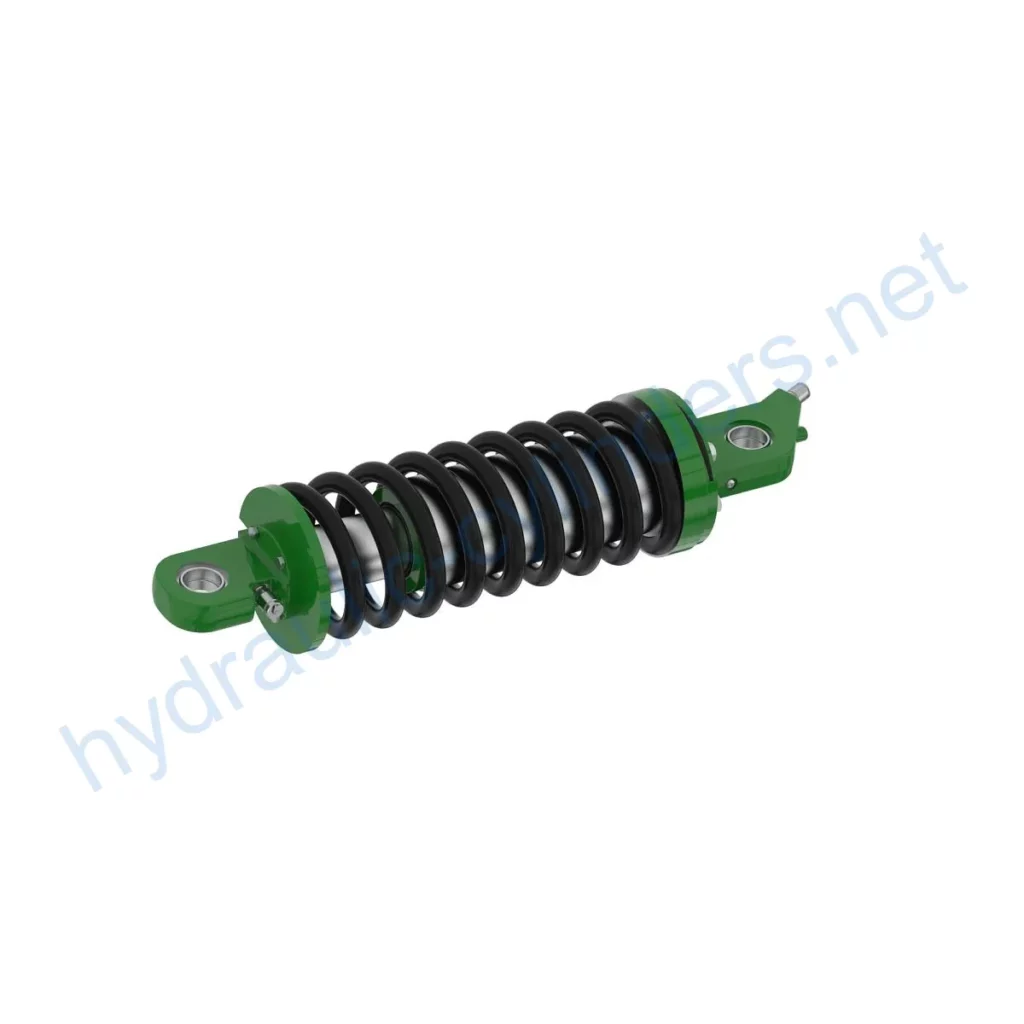
The Replacement Of AXE74771 Hydraulic Cylinder is an essential component for various hydraulic systems. This cylinder plays a crucial role in ensuring the proper functioning and performance of hydraulic equipment. With a weight of 106 lb, a height of 8 in, and a length of 35 in, it is designed to meet the specific requirements of various machine models, including S7 700, S7 800, S7 850, S7 900, S770, S770 PRECISION UPGRADES, S780, S780 PRECISION UPGRADES, S785, S790, S790 PRECISION UPGRADES, T5 600, T6 600, T6 700, T560, T660, T670, X9 1000, X9 1000 PRECISION UPGRADES, X9 1100, and X9 1100 PRECISION UPGRADES.
Especificaciones y modelos
Presupuesto:
- Weight: 106 lb
- Altura: 8 pulgadas
- Longitud: 35 pulgadas
Modelos:
- S7 700
- S7 800
- S7 850
- S7 900
- S770
- MEJORAS DE PRECISIÓN DEL S770
- S780
- MEJORAS DE PRECISIÓN DEL S780
- S785
- S790
- MEJORAS DE PRECISIÓN DEL S790
- T5 600
- T6 600
- T6 700
- T560
- T660
- T670
- X9 1000
- MEJORAS DE PRECISIÓN X9 1000
- X9 1100
- MEJORAS DE PRECISIÓN X9 1100
Características
- Mejora del rendimiento del equipo: La sustitución de los cilindros hidráulicos dañados o desgastados puede restablecer la capacidad de funcionamiento normal del equipo, garantizando su rendimiento en diversas aplicaciones.
- Mayor seguridad: Reemplazar periódicamente los cilindros hidráulicos puede reducir los riesgos de seguridad causados por fallas en los cilindros, lo que garantiza la seguridad de los operadores y el equipo.
- Protección contra sobrecargas: Los nuevos diseños de cilindros a menudo consideran mejores mecanismos de protección contra sobrecargas, mejorando la seguridad.
- Quick Installation: Modern hydraulic cylinders are designed with ease of installation and replacement in mind, reducing downtime.
- Componentes estandarizados: Muchos cilindros hidráulicos son productos estandarizados, lo que facilita la obtención de piezas de repuesto en el mercado.
Aplicaciones
The Replacement Of AXE74771 Hydraulic Cylinder is widely used in various applications. Here are three examples:
- Excavators: The hydraulic cylinder on the arm or bucket of an excavator may get damaged due to prolonged use or overload, requiring replacement to restore normal operations.
- Cranes: The lifting arm hydraulic cylinder of a crane is prone to wear during frequent lifting and lowering, necessitating regular replacement to ensure safety.
- Tractors: The front loader hydraulic cylinder of a tractor may develop leaks or performance degradation due to continuous lifting and tilting operations, requiring replacement.
Tareas de mantenimiento
Regular maintenance is crucial for the optimal performance and longevity of hydraulic cylinders. Here are three common maintenance tasks:
- Inspection: Regularly inspecting the hydraulic cylinder helps identify any signs of wear, leaks, or other issues that may affect its performance.
- Lubrication: Proper lubrication is essential for smooth operation and preventing excessive wear. Regularly apply the recommended amount of hydraulic oil for lubrication.
- Seal Replacement and Calibration Check: Over time, seals may wear out, leading to leaks. It is important to replace worn seals and periodically check the calibration to ensure optimal performance.
Consideraciones de seguridad y factores ambientales
When using hydraulic cylinders, it is important to prioritize safety measures. Proper handling, installation, and maintenance can prevent accidents and ensure the safety of operators and equipment. Additionally, considering environmental factors in hydraulic cylinder usage is crucial to minimize environmental impact and comply with regulations.
Solución de problemas y problemas comunes
Proper diagnosis of hydraulic cylinder issues is essential for effective resolution. Here are some common problems:
- Leakage: Hydraulic cylinder leaks can occur due to damaged seals or other components. Inspect and replace faulty parts to resolve the issue.
- Slow Operation: Slow cylinder operation may be caused by insufficient lubrication or internal blockages. Check lubrication levels and ensure the cylinder is free from obstructions.
- Erratic Movement: Erratic cylinder movement can indicate problems with hydraulic fluid flow or control valves. Inspect and troubleshoot these components to resolve the issue.
Medidas preventivas y consejos para la solución de problemas
To minimize potential issues and ensure the longevity of the hydraulic cylinder, consider the following preventive measures:
- Regular Inspections: Schedule periodic inspections to identify any potential problems and address them before they escalate.
- Proper Lubrication: Follow recommended lubrication guidelines to maintain smooth operation and prevent excessive wear.
- Correct Installation: Ensure the hydraulic cylinder is properly aligned during installation. Use appropriate installation supports to secure the cylinder in place.
- Recommended Repair and Replacement Procedures: Follow manufacturer-recommended procedures for repairing or replacing hydraulic cylinder components. Consider professional replacement and rebuilding services for optimal results.
- Tips for Extending Lifespan: Implement effective techniques to prolong the lifespan of the hydraulic cylinder, such as using high-quality parts and proper maintenance practices.


Consideraciones de diseño y criterios de selección
Design considerations and selection criteria play a vital role in hydraulic cylinder performance. Here are key aspects to consider:
- Load-Bearing Capacity: The hydraulic cylinder should be capable of withstanding the expected load while maintaining stability and safety.
- Sealing: Proper sealing is crucial for preventing leaks and ensuring efficient operation. Selecting suitable seals, such as piston seals and rod seals made of wear-resistant materials like polyurethane and nitrile rubber, is important.
- Durability: Hydraulic cylinders should be designed to withstand various operating conditions and provide