

Replacement Of LW8925377 Steering Hydraulic Cylinder
Replacement Of LW8925377 Steering Hydraulic Cylinder
Introducción
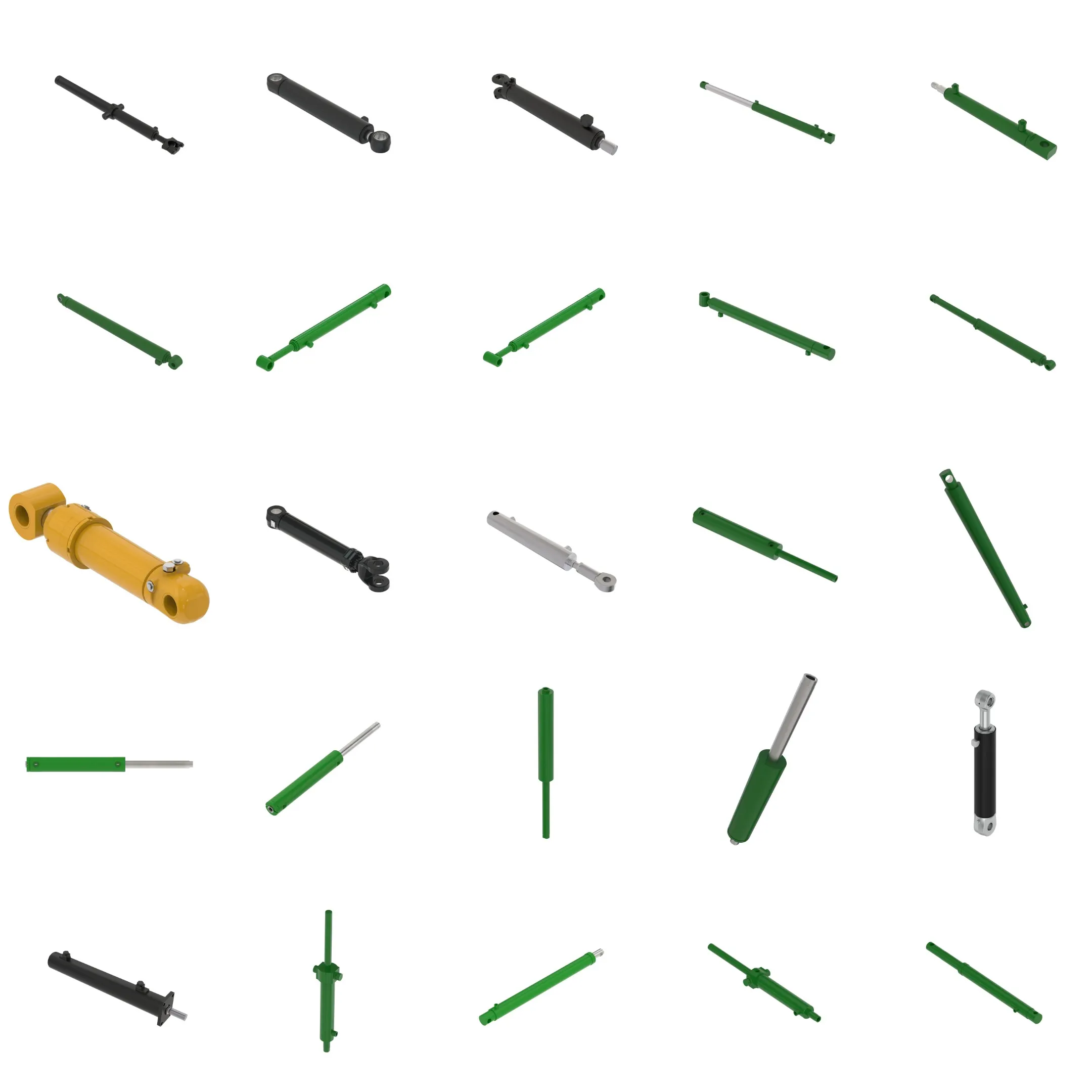
The Replacement Of LW8925377 Steering Hydraulic Cylinder is a hydraulic component used in various machinery, such as the 344J and 344K models. It plays a crucial role in providing steering control and facilitating smooth movement in the equipment.
Presupuesto
- Weight: 66 lb
- Height: 4.36 in
- Width: 6.4 in
- Length: 31.6 in
Características
- Rendimiento mejorado del equipo: Reemplazar cilindros hidráulicos dañados o desgastados puede restaurar las capacidades operativas normales del equipo, garantizando un rendimiento óptimo en diversas aplicaciones.
- Mayor seguridad: Reemplazar periódicamente los cilindros hidráulicos reduce los riesgos de seguridad causados por fallas en los cilindros, lo que garantiza la seguridad de los operadores y el equipo.
- Protección contra sobrecargas: Los nuevos diseños de cilindros suelen incorporar mejores mecanismos de protección contra sobrecargas, lo que mejora la seguridad.
- Instalación rápida: Los cilindros hidráulicos modernos están diseñados para una fácil instalación y reemplazo, minimizando el tiempo de inactividad.
- Componentes estandarizados: Muchos cilindros hidráulicos son productos estandarizados, lo que facilita la obtención de piezas de repuesto en el mercado.
Aplicaciones
The Replacement Of LW8925377 Steering Hydraulic Cylinder finds applications in various scenarios:
- Excavators: In excavators, the hydraulic cylinder in the arm or bucket may get damaged due to prolonged use or overload, requiring replacement to restore normal operation.
- Cranes: Crane boom hydraulic cylinders are prone to wear and tear during frequent lifting and lowering operations, necessitating regular replacement for safety.
- Tractors: The hydraulic cylinder in front-end loaders of tractors may experience leaks or performance degradation during continuous lifting and tilting operations, requiring replacement.
- Harvesters: The hydraulic system undergoes high pressure during harvesting, and fatigue can cause cylinder damage, requiring timely replacement to maintain work efficiency.
- Automated Production Lines: Hydraulic cylinders are used to control robotic arms and other automated equipment. Cylinder failure can impact production efficiency, necessitating immediate replacement.
- Máquinas de fundición a presión: Los cilindros hidráulicos en entornos de alta presión y alta temperatura pueden experimentar una degradación del rendimiento. La sustitución regular garantiza la calidad del producto.
- Mining Equipment: Hydraulic cylinders are used for lifting and moving heavy loads in mining equipment. Regular inspections and replacements are necessary to avoid equipment failures in harsh working conditions.
- Bulldozers: Wear of hydraulic cylinders in bulldozer pushing arms can lead to decreased pushing capacity, requiring timely replacement to maintain operational efficiency.
Tareas de mantenimiento
Regular inspection, proper lubrication, seal replacement, and calibration checks are commonly performed maintenance tasks for hydraulic cylinders.
Guía de instalación
Proper installation, lubrication, and adjustment are crucial for the optimal functioning of hydraulic cylinders. During installation, provide guidance on aligning the cylinder correctly and recommend using appropriate installation brackets to secure the cylinder. Additionally, suggest inspection, repair, and replacement procedures, offer replacement parts and rebuilding services, and provide tips to increase the lifespan of the hydraulic cylinder.
Consideraciones de seguridad y factores ambientales
When using hydraulic cylinders, it is important to follow safety measures to ensure the well-being of operators and prevent accidents. Environmental considerations should also be taken into account to minimize any negative impact.
Solución de problemas y problemas comunes
Here are some commonly encountered issues that may require troubleshooting:
- Leakage: Check for any signs of hydraulic fluid leakage and inspect the seals and connections for damage.
- Poor Performance: If the hydraulic cylinder is not providing the expected performance, examine the system for any blockages or malfunctioning components.
- Abnormal Noises: Unusual sounds during operation may indicate internal damage or misalignment. Investigate the source of the noise and take appropriate action.
For each issue, provide troubleshooting tips and solutions to help readers effectively diagnose and resolve problems. Additionally, suggest preventive measures to minimize potential issues.
Consideraciones de diseño y criterios de selección
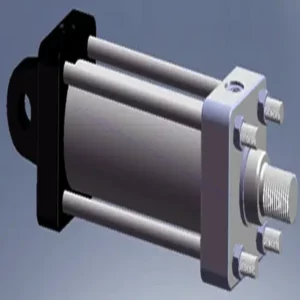
When selecting hydraulic cylinders, it is important to consider various design factors:
- Load-Bearing Capacity: The cylinder should be capable of handling the expected load without deformation or failure.
- Sealing: High-quality seals, such as piston seals and rod seals made of durable materials like polyurethane and nitrile rubber, should be used to ensure effective sealing.
- Durability: The cylinder body and threaded ends should undergo precise treatment to enhance wear resistance.
- Safety: Design features should prioritize safety, including overload protection and structural integrity.
- Maintainability: Easy access for maintenance tasks, repair, and replacement of components should be considered during the design phase.
Sellado y lubricación
Hydraulic cylinders should be equipped with various sealing components to prevent leakage and ensure efficient operation. Proper lubrication is essential for reducing friction and wear. Use suitable hydraulic oil and regularly lubricate the cylinder to maintain optimal performance.
Inspección regular y mantenimiento preventivo
Regular inspection and preventive maintenance are crucial for the prolonged lifespan of hydraulic cylinders. Emphasize the importance of correct installation, lubrication, and adjustment. Provide guidance on aligning the cylinder during installation and recommend the use of appropriate installation brackets to secure the cylinder. Offer recommended inspection, repair, and replacement procedures, as well as rebuilding services to extend the lifespan of the hydraulic cylinder.
Guía de instalación del producto
Ensure proper installation by following these steps:
- Prepare the mounting surface and ensure it is clean and flat.
- Align the hydraulic cylinder with the mounting holes and attach it securely using the provided brackets or hardware.
- Make sure all connections are properly tightened.
- Check for any leaks or abnormal noises during the initial operation.
Consideraciones de seguridad y factores ambientales
When working with hydraulic cylinders, it is important to prioritize safety and follow proper safety measures. Additionally, consider environmental factors to minimize any negative impact on the surroundings.
Solución de problemas y problemas comunes
Here are some common troubleshooting tips for hydraulic cylinder issues:
- Problema 1: Fugas
- Issue 2: Poor Performance
- Issue 3: Abnormal No
Description: Check for any signs of hydraulic fluid leakage and inspect the seals and connections for damage.
Description: If the hydraulic cylinder is not providing the expected performance, examine the system for any blockages or malfunctioning components.


 ES
ES  EN
EN  PT
PT  DE
DE  FR
FR  IT
IT  AR
AR  ZH
ZH  RU
RU  KO
KO  KA
KA  BG
BG  CS
CS  DA
DA  EL
EL  ET
ET  FI
FI  HU
HU  ID
ID  LT
LT  LV
LV  NB
NB  NL
NL  PL
PL  RO
RO  SK
SK  SL
SL  SV
SV  TR
TR  UK
UK