
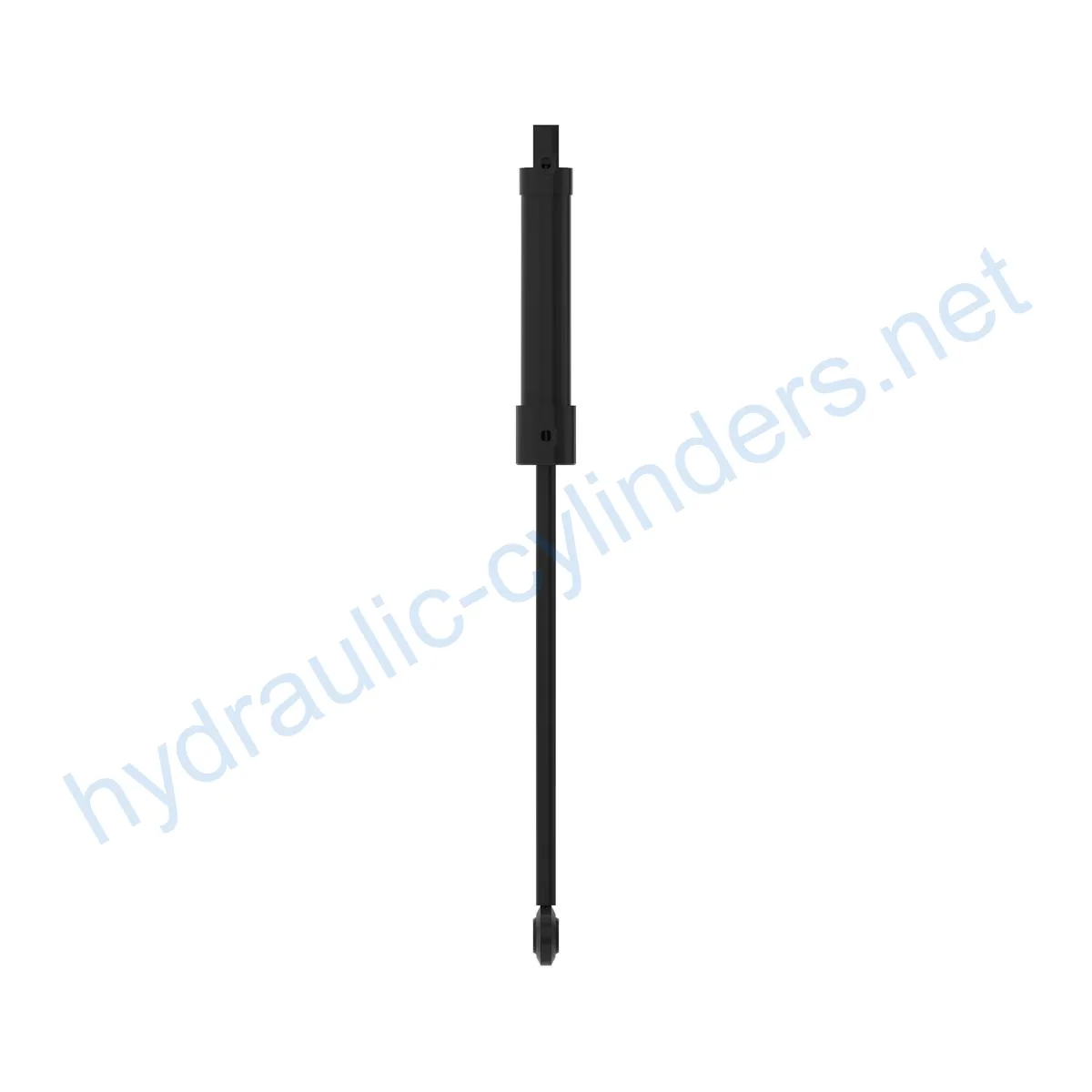
Replacement Of TCA17806 Hydraulic Cylinder
Como cilindros hidráulicos uno de los fabricantes, los surtidores y los exportadores de productos mecánicos, ofrecemos cilindros hidráulicos y muchos otros productos.
Póngase en contacto con nosotros para más información.
Correo:sales@hydraulic-cylinders.net
Fabricante proveedor exportador de cilindros hidráulicos.
Introducción
The Replacement Of TCA17806 Hydraulic Cylinder is a crucial component in various machinery, offering reliable hydraulic power for efficient operation. This article aims to provide an in-depth understanding of the product by discussing its specifications, model compatibility, features, applications, maintenance tasks, safety considerations, troubleshooting, design considerations, sealing and lubrication, installation guide, and company overview.
Especificaciones y modelo
The Replacement Of TCA17806 Hydraulic Cylinder weighs 9.84 lb and has dimensions of Height 2.5 in, Width 2.75 in, and Length 31.25 in. It is compatible with the 7400 and 7400A models.
Características
- Improved Equipment Performance: Replacing damaged or worn hydraulic cylinders restores the normal operation capability of equipment, ensuring optimal performance in various applications.
- Mayor seguridad: Reemplazar periódicamente los cilindros hidráulicos reduce los riesgos de seguridad causados por fallas en los cilindros, lo que garantiza la seguridad de los operadores y el equipo.
- Protección contra sobrecarga: Los nuevos diseños de cilindros a menudo incorporan mejores mecanismos de protección contra sobrecarga, lo que mejora la seguridad general.
- Instalación rápida: Los cilindros hidráulicos modernos están diseñados para una fácil instalación y reemplazo, minimizando el tiempo de inactividad.
- Componentes estandarizados: Muchos cilindros hidráulicos son productos estandarizados, lo que facilita la obtención de piezas de repuesto en el mercado.
Aplicaciones
- Excavators: Hydraulic cylinders in excavator booms or buckets may get damaged due to prolonged use or overload, requiring replacement for normal operation.
- Cranes: Hydraulic cylinders in crane jibs are prone to wear during frequent lifting and lowering processes, necessitating regular replacement for safety.
- Tractores: Los cilindros hidráulicos de los cargadores frontales de los tractores pueden desarrollar fugas o degradación del rendimiento durante operaciones continuas de elevación e inclinación, lo que exige su reemplazo.
- Harvesters: The hydraulic system in harvesters undergoes high pressure during the harvesting process, and cylinders may suffer fatigue damage, necessitating timely replacement to maintain efficiency.
- Líneas de producción automatizadas: Los cilindros hidráulicos se utilizan para controlar brazos robóticos y otros equipos automatizados. Las fallas en los cilindros pueden afectar significativamente la eficiencia de la producción, requiriendo su reemplazo inmediato.
- Máquinas de fundición a presión: En entornos de alta presión y alta temperatura, los cilindros hidráulicos de las máquinas de fundición a presión pueden experimentar una degradación de su rendimiento. Su sustitución regular garantiza la calidad del producto.
- Equipos de minería: Los cilindros hidráulicos se utilizan para elevar y mover cargas pesadas en equipos de minería. Debido a las duras condiciones de trabajo, es necesario realizar inspecciones y reemplazos regulares para evitar fallas en los equipos.
- Bulldozers: Wear on hydraulic cylinders in bulldozer blades can result in reduced pushing capacity. Timely replacement is essential to maintain operational efficiency.
Mantenimiento
- Regular Inspection: Periodically inspecting the hydraulic cylinder for wear, leaks, and damage ensures early detection of potential issues.
- Proper Lubrication: Adequate lubrication of the cylinder’s moving parts extends its lifespan and enhances performance. Regularly adding the recommended hydraulic oil for lubrication is crucial.
- Seal Replacement: Timely replacement of piston seals, rod seals, and other seals prevents leaks and maintains cylinder integrity.
- Calibration Check: Checking and adjusting the cylinder’s calibration ensures accurate operation and prevents malfunctions.
Consideraciones de seguridad
When working with hydraulic cylinders, following safety measures is crucial to prevent accidents. Proper training, using appropriate personal protective equipment, and strictly adhering to manufacturer guidelines are essential for safe operation.
Solución de problemas y problemas comunes
The following are common troubleshooting steps and issues related to hydraulic cylinders:
- Issue 1: Cylinder doesn’t extend or retract fully
Solution: Check for low hydraulic fluid levels, inspect for leaks, and ensure proper lubrication. - Issue 2: Cylinder drifts or moves slowly
Solution: Check for internal leaks, inspect the hydraulic pump, and ensure proper lubrication. - Issue 3: Cylinder makes abnormal noises
Solution: Inspect for loose or damaged components, check for contaminated hydraulic fluid, and ensure proper alignment.
Medidas preventivas
Para minimizar posibles problemas, considere las siguientes medidas preventivas:
- Regular inspections: Periodically inspect the cylinder for any signs of wear, leaks, or damage.
- Proper maintenance: Follow the recommended maintenance tasks, including lubrication and seal replacements, to extend the cylinder’s lifespan.
- Correct installation: Ensure proper alignment during installation, provide guidance on aligning the cylinder correctly, and recommend using suitable installation supports for cylinder stability.
- Rebuild services: Offer replacement parts and rebuilding services to extend the lifespan of the hydraulic cylinder.
Consideraciones de diseño y criterios de selección
When considering the design of hydraulic cylinders, several factors should be taken into account:
- capacidad de carga
- Eficacia del sellado
- Durabilidad
- Características de seguridad
- Mantenibilidad
Sellado y lubricación
To ensure effective sealing and lubrication, the following measures are recommended:
- Use various sealing components such as piston seals and rod seals made of wear-resistant materials like polyurethane or nitrile rubber.
- Fine-tune the surface of the cylinder body and threaded ends to improve wear resistance.
- Añada periódicamente la cantidad adecuada de aceite hidráulico para la lubricación.
Inspección regular y mantenimiento preventivo
- Correct installation, lubrication, and adjustment are essential for proper cylinder performance and longevity.
- Providing proper alignment guidance during installation and recommending suitable installation supports for cylinder stability.
- Recommend regular inspection, repair, and replacement procedures.
- Offer replacement parts and rebuilding services to enhance the lifespan of the hydraulic cylinder.
- Provide tips and techniques to improve the longevity of the product through proper usage of keywords.
Consideraciones de seguridad y factores ambientales
When using hydraulic cylinders, it is vital to consider safety measures and environmental factors. Adhering to safety guidelines during operation is essential to prevent accidents and ensure a safe working environment.
Solución de problemas y problemas comunes
Common troubleshooting and issues related to hydraulic cylinders include:
- Issue 1: Cylinder doesn’t extend or retract fully
- Issue 2: Cylinder drifts or moves slowly
- Issue 3: Cylinder makes abnormal noises
Solución: Verifique los niveles de líquido hidráulico, inspeccione si hay fugas y asegúrese de que haya una lubricación adecuada.
Solution: Check for internal leaks, inspect the hydraulic pump, and ensure proper lubrication.
Cilindro hidráulico Aplicación:

 ES
ES  EN
EN  PT
PT  DE
DE  FR
FR  IT
IT  AR
AR  ZH
ZH  RU
RU  KO
KO  KA
KA  BG
BG  CS
CS  DA
DA  EL
EL  ET
ET  FI
FI  HU
HU  ID
ID  LT
LT  LV
LV  NB
NB  NL
NL  PL
PL  RO
RO  SK
SK  SL
SL  SV
SV  TR
TR  UK
UK