
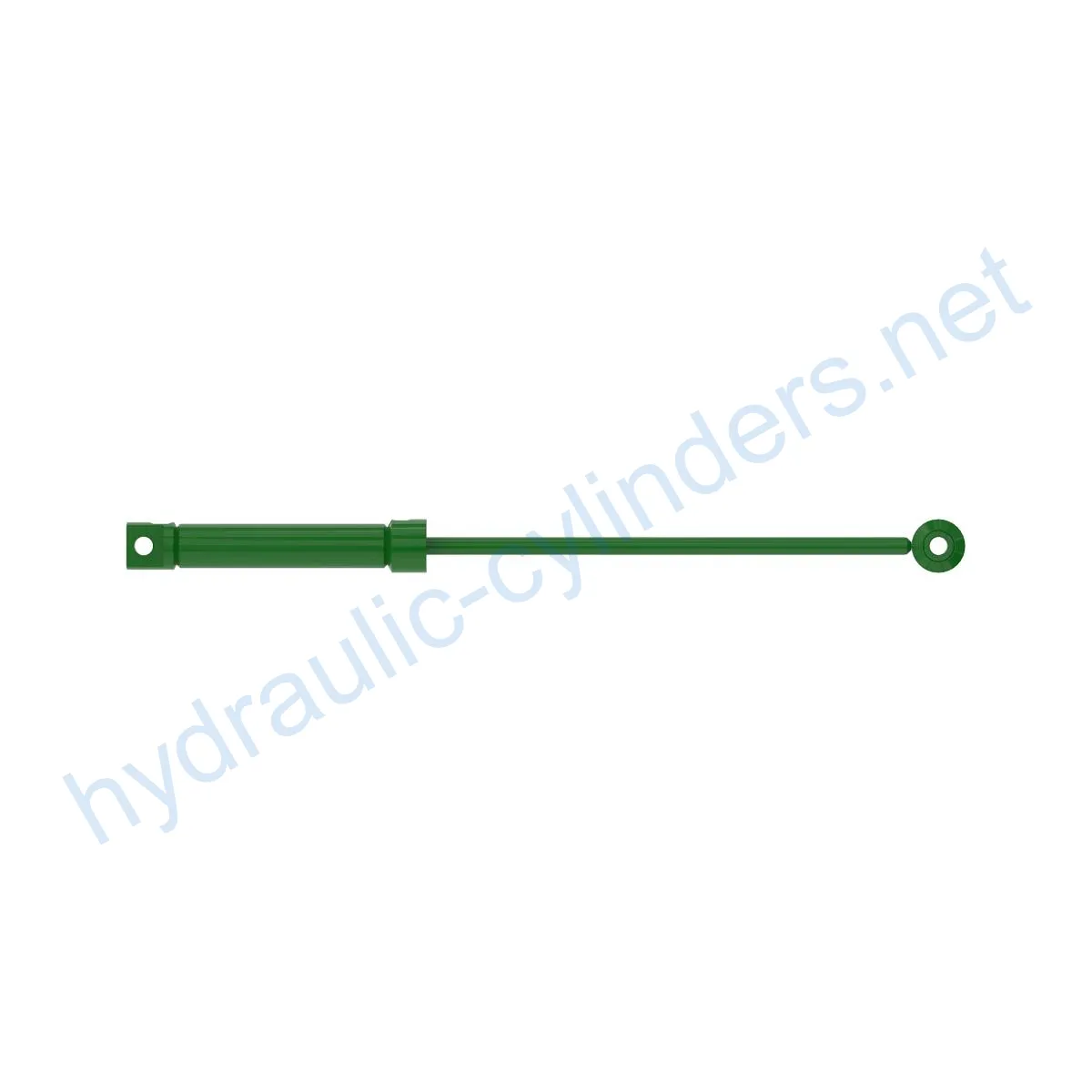
Reemplazo del cilindro hidráulico TCA18638
Como cilindros hidráulicos uno de los fabricantes, los surtidores y los exportadores de productos mecánicos, ofrecemos cilindros hidráulicos y muchos otros productos.
Póngase en contacto con nosotros para más información.
Correo:sales@hydraulic-cylinders.net
Fabricante proveedor exportador de cilindros hidráulicos.
Replacement Of TCA18638 Hydraulic Cylinder
This product is a hydraulic cylinder replacement for model 7200 and 7200A. It weighs 10.24 lb and has dimensions of 2.2 in (height), 2.3 in (width), and 31.2 in (length).
Introducción del producto
The hydraulic cylinder is a crucial component in various applications. It functions to provide linear force and motion in a hydraulic system, allowing for the efficient operation of equipment.
Especificaciones y modelo
Presupuesto:
- Weight: 10.24 lb
- Altura: 2,2 pulgadas
- Width: 2.3 in
- Length: 31.2 in
Model: 7200, 7200A
Características del producto
- Mejora del rendimiento del equipo: La sustitución de cilindros hidráulicos dañados o desgastados puede restablecer las capacidades operativas normales del equipo, garantizando un rendimiento óptimo en diversas aplicaciones.
- Mayor seguridad: Reemplazar periódicamente los cilindros hidráulicos puede reducir los riesgos de seguridad causados por fallas en los cilindros, lo que garantiza la seguridad de los operadores y el equipo.
- Protección contra sobrecarga: Los nuevos diseños de cilindros a menudo incorporan mejores mecanismos de protección contra sobrecarga, lo que mejora la seguridad general.
- Instalación rápida: Los cilindros hidráulicos modernos están diseñados teniendo en cuenta la facilidad de instalación y reemplazo, minimizando el tiempo de inactividad.
- Componentes estandarizados: Muchos cilindros hidráulicos son productos estandarizados, lo que facilita la obtención de piezas de repuesto en el mercado.
Aplicaciones
This hydraulic cylinder replacement finds application in various scenarios:
- Excavators: Hydraulic cylinders in excavator arms or buckets may require replacement due to long-term use or overloading, ensuring proper operation.
- Cranes: Hydraulic cylinders in crane boom arms are prone to wear from frequent lifting and lowering, necessitating regular replacement for safety purposes.
- Tractors: Hydraulic cylinders in front-end loader attachments of tractors may experience leakage or performance degradation during continuous lifting and tilting operations, requiring replacement.
- Harvesters: Hydraulic systems in harvesters endure high pressure during the harvesting process, causing cylinder fatigue. Timely replacement is essential to maintain work efficiency.
- Automated Production Lines: Hydraulic cylinders are used to control robotic arms and other automated equipment. Cylinder failures can adversely affect production efficiency, necessitating immediate replacement.
- Máquinas de fundición a presión: Los cilindros hidráulicos de las máquinas de fundición a presión pueden sufrir una degradación de su rendimiento en entornos de alta presión y alta temperatura. Su sustitución periódica garantiza la calidad del producto.
- Equipos de minería: Los cilindros hidráulicos se utilizan para levantar y mover cargas pesadas en los equipos de minería. Debido a las duras condiciones de trabajo, es necesario realizar inspecciones y reemplazos periódicos para evitar fallas en los equipos.
- Bulldozers: Hydraulic cylinder wear on bulldozer blade arms can lead to decreased pushing capacity, requiring timely replacement to maintain job efficiency.
Tareas de mantenimiento
Common maintenance tasks for hydraulic cylinders include:
- Regular Inspection: Periodically inspecting the cylinder for any signs of damage, misalignment, or leakage is crucial for identifying potential issues and ensuring optimal performance.
- Proper Lubrication: Adequate lubrication of the cylinder’s moving parts is essential for reducing friction and extending its lifespan. Regularly apply an appropriate hydraulic oil for lubrication.
- Seal Replacement: Over time, seals in hydraulic cylinders may wear out or become damaged. Regularly replacing seals helps maintain proper sealing and prevents leakage.
- Calibration Check: Ensuring the cylinder’s calibration matches the equipment’s requirements is necessary for accurate operation. Regularly check and adjust the calibration as needed.
Consideraciones de seguridad y factores ambientales
When handling hydraulic cylinders, it is important to prioritize safety measures to prevent accidents and injuries. Additionally, considering the environmental impact of hydraulic cylinders is crucial for sustainable practices.
Solución de problemas y problemas comunes
Here are some common troubleshooting points and issues related to hydraulic cylinders:
- Lack of Power: If the hydraulic cylinder fails to provide sufficient force, check for potential issues such as low hydraulic pressure, damaged seals, or internal leaks.
- Leakage: Hydraulic cylinder leakage can be caused by worn-out seals, damaged piston rods, or loose fittings. Identify the source of the leak and replace the necessary components.
- Slow Cylinder Movement: Slow or sluggish cylinder movement may indicate insufficient lubrication, improper hydraulic fluid, or internal blockages. Check and address these potential causes.
- Abnormal Noises: Unusual noises coming from the hydraulic cylinder can indicate air in the system, loose components, or internal damage. Inspect and troubleshoot accordingly.
- Erratic Cylinder Operation: If the cylinder behaves inconsistently or erratically, it may be due to issues such as air in the system, contamination, or misaligned components. Identify and rectify these problems.
Medidas preventivas
To minimize potential issues and optimize the performance of hydraulic cylinders, implement the following preventive measures:
- Regularly inspect and maintain the cylinder to identify any signs of wear, misalignment, or damage.
- Ensure proper lubrication of the cylinder’s components to reduce friction and prevent premature wear.
- Follow correct installation procedures, providing guidance on aligning the cylinder accurately. Recommend using appropriate installation brackets to secure the cylinder.
- Provide recommended inspection, repair, and replacement procedures to ensure effective cylinder maintenance.
- Offer replacement parts and rebuilding services to extend the lifespan of hydraulic cylinders.
- Suggest techniques to enhance the durability of hydraulic cylinders, maximizing their lifespan.
Consideraciones de diseño de producto y criterios de selección
When selecting hydraulic cylinders, various design considerations are essential:
- Load-bearing Capacity: Hydraulic cylinders should be capable of handling the intended loads within the specified range.
- Sealing Performance: Effective seals, such as piston seals and rod seals made from durable materials like polyurethane or nitrile rubber, are crucial for preventing leakage.
- Durabilidad: El cuerpo del cilindro y los extremos roscados deben someterse a un tratamiento superficial meticuloso para mejorar su resistencia al desgaste.
- Safety: Design features that prioritize safety, such as overload protection mechanisms, should be considered.
- Maintainability: Easy access to components and provisions for proper lubrication and adjustment contribute to ease of maintenance.
Sellado y lubricación
Hydraulic cylinders employ various sealing components to ensure their proper functioning:
- Piston Seals: High-quality piston seals are crucial for maintaining a proper seal between the piston and cylinder walls.
- Rod Seals: Rod seals prevent fluid leakage along the piston rod.
<
Cilindro hidráulico Aplicación:

 ES
ES  EN
EN  PT
PT  DE
DE  FR
FR  IT
IT  AR
AR  ZH
ZH  RU
RU  KO
KO  KA
KA  BG
BG  CS
CS  DA
DA  EL
EL  ET
ET  FI
FI  HU
HU  ID
ID  LT
LT  LV
LV  NB
NB  NL
NL  PL
PL  RO
RO  SK
SK  SL
SL  SV
SV  TR
TR  UK
UK