
Fluid Power Diagnostics Engineering
How to Test a Hydraulic Cylinder for Internal Leaks: The Definitive Guide
An authoritative technical manual detailing end of stroke bypass testing, mid stroke leak evaluation, thermal imaging diagnostics, and advanced methodologies for isolating fluid bypass in industrial actuators.

The Silent Destroyer of Machine Efficiency and Safety
In the highly rigorous, capital intensive sectors of heavy construction, automated manufacturing, marine engineering, and commercial agriculture, fluid power systems are relied upon to deliver unyielding, massive kinetic force. Hydraulic cylinders operate under the fundamental premise of hydrostatic rigidity; when fluid is trapped in a chamber, it is intended to act as a solid column of steel. However, this entire mechanical paradigm collapses when a cylinder develops an internal fluid leak. Knowing precisely how to test a hydraulic cylinder for internal leaks is arguably the most critical diagnostic skill required of any fluid power engineer or heavy machinery maintenance professional.
Unlike an external leak, where hydraulic oil visibly drips from the rod wiper or base weldment, an internal fluid bypass is completely invisible to the naked eye. The high pressure fluid escapes from the load bearing chamber, slips past the degraded piston seals, and flows directly into the low pressure return chamber. Because the oil never leaves the closed loop fluid circuit, the machine does not leave obvious puddles on the factory floor, making the failure exceptionally difficult for untrained operators to detect immediately. The symptoms manifest stealthily: a slow loss of lifting power, a suspended boom that gradually drifts downward under load, or a noticeable increase in cycle times as the hydraulic pump struggles to overcome the constant volumetric loss.
If left undiagnosed, this internal leakage generates massive localized heat through fluid friction, leading to the rapid destruction of the remaining elastomeric seals, severe thermal degradation of the hydraulic oil, and eventual catastrophic scoring of the cylinder barrel. From an authoritative engineering perspective evaluated against international maintenance standards, diagnosing internal bypass requires a methodical, highly controlled testing protocol. You cannot rely on visual inspection or guesswork. You must physically isolate the actuator, safely manage extreme hydrostatic pressures, and directly observe fluid displacement. This comprehensive technical manual will meticulously break down the physics of piston seal failure, the required safety preparations, and the exact step by step mechanical procedures for executing hydraulic cylinder internal leak testing.
Understanding the Mechanics of Fluid Bypass
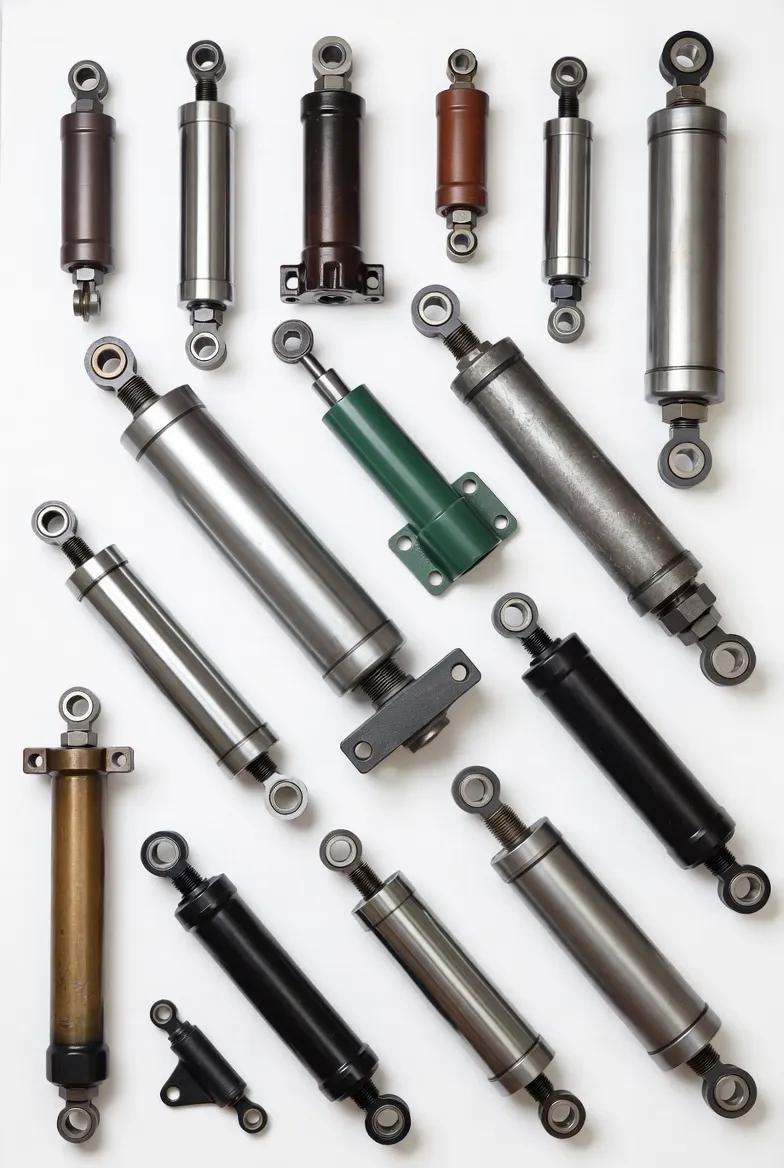
Before executing a diagnostic protocol, it is vital to understand the internal architecture of the linear actuator and the specific mechanical pathways that allow high pressure hydraulic fluid to bypass the piston.
Piston Seal Extrusion and Wear
The solid steel piston is the dynamic dividing wall inside the cylinder barrel. It is fitted with bidirectional elastomeric seals, typically energized PTFE rings, cast iron piston rings, or heavy duty polyurethane U cups. Over millions of cycles, microscopic particulate contamination in the oil acts as an abrasive, scouring these seals. Additionally, under extreme pressure spikes, the soft polymer material can be physically forced into the microscopic clearance gap between the piston and the barrel wall. This extrusion eventually shears the seal edge off. Once the sealing lip is compromised, pressurized fluid easily bridges the gap between the extension and retraction chambers, resulting in immediate hydraulic drift.
Barrel Ballooning and Scoring
Sometimes the seals are perfectly intact, but the steel barrel itself has failed structurally. If an operator drops a heavy payload and instantly halts it by slamming the directional control valve shut, the trapped fluid generates a shockwave pressure spike that can far exceed the yield strength of the seamless steel tube. This causes a localized section of the barrel to swell outward, known as ballooning. When the piston passes over this expanded section, the seals can no longer reach the walls to maintain contact, allowing massive fluid bypass. Similarly, deep longitudinal scratches carved into the barrel wall by foreign metal debris create permanent, untreatable leak channels.

Phase 1: Critical Safety and Machine Preparation
Testing a hydraulic cylinder for an internal leak requires intentionally opening a high pressure fluid circuit while the machine is active and generating pressure. This is an inherently dangerous diagnostic procedure that presents severe hazards, including high pressure fluid injection injuries and sudden, unexpected mechanical movements. Absolute adherence to safety preparation is non negotiable.
- ✔️
Zero Load Positioning: You must never attempt a hydraulic cylinder internal leak test while the actuator is suspending a mechanical payload. Opening a hydraulic line will instantly depressurize the holding chamber, causing the load to crash down violently. Ensure the machinery boom, press platen, or lift mechanism is resting firmly on solid ground or is securely blocked up with heavy duty steel cribbing. The cylinder must be allowed to stroke freely without bearing any external mechanical resistance.
- ✔️
System Depressurization: Before loosening any hose fittings to prepare for the test, shut down the primary hydraulic power unit. Actuate the machine control levers back and forth multiple times to bleed all residual hydrostatic pressure back into the main fluid reservoir. Always wear high impact safety glasses and impenetrable fluid resistant gloves when working near live hydraulic circuits.
- ✔️
Environmental Containment: This specific diagnostic test will intentionally expel hydraulic fluid from the system. Position high capacity drip pans, absorbent industrial mats, and clean five gallon buckets directly beneath the cylinder ports to catch the oil and prevent severe environmental contamination or slip hazards on the factory floor.

Method 1: The End-of-Stroke Bypass Test
The end of stroke bypass test is the universally recognized, definitive industry standard for determining if a double acting hydraulic cylinder has blown piston seals. This test uses the physical limits of the cylinder barrel to halt the piston, allowing you to observe fluid flow dynamics under maximum pressure.
Step 1: Fully Extend the Cylinder
Turn on the main hydraulic power unit. Actuate the directional control valve to extend the cylinder rod to its absolute maximum physical limit. Allow the piston to bottom out hard against the front cylinder head gland. Once the cylinder is fully extended, leave the machine running, but return the control valve to the neutral, closed position to trap the fluid.
Step 2: Disconnect the Return Line
With the cylinder fully extended, the cap end base port is full of fluid, and the rod end port is acting as the return path. Shut down the engine and bleed the pressure. Carefully use an appropriately sized wrench to completely disconnect the hydraulic hose from the rod end port. Secure the open end of this disconnected hose into a clean bucket. Leave the rod end cylinder port completely open and visible to the technician.
Step 3: Pressurize and Observe
Ensure all personnel are standing completely clear of the open cylinder port. Engage the hydraulic pump. Slowly actuate the control valve to apply extension pressure to the cap end base port. You are essentially commanding the cylinder to extend further, even though it is already physically bottomed out against the gland. The system pressure will immediately spike to the maximum system relief valve setting.
The Diagnostic Conclusion:
- –If the open rod end port remains perfectly dry, or only weeps a few microscopic drops of residual oil, the piston seals are holding perfectly against maximum system pressure. The cylinder is mechanically sound, and your leak down issue is likely originating from the control valve.
- –If a continuous, high velocity stream of hydraulic fluid shoots out of the open rod end port, you have definitively confirmed massive internal bypass. High pressure oil is slipping past the shattered piston seals and exiting the open port. The cylinder must be removed and rebuilt immediately.
Method 2: The Mid-Stroke Leak Evaluation
While the end of stroke test is highly effective for identifying totally destroyed seals, it contains a critical diagnostic blind spot. A hydraulic cylinder piston typically spends the vast majority of its operational life oscillating within the middle section of the barrel. Consequently, the center of the steel tube frequently experiences the most abrasive wear and is the most susceptible to radial ballooning. A cylinder might pass the end of stroke test perfectly because the seals are engaging fresh, unworn metal at the extreme ends of the tube, yet it will fail miserably and leak down when operating under load in the middle of its stroke.
Testing a cylinder mid stroke requires identical physics but necessitates external mechanical restraint. Because the piston is not bottomed out against the end cap, if you simply apply high pressure with an open port, the rod will violently shoot outward like a projectile, potentially causing lethal injury. You must artificially halt the rod.
The Mid-Stroke Locking Protocol
To execute this procedure safely, mechanics must fabricate heavy duty steel locking collars or utilize certified physical stop blocks. Extend the cylinder exactly halfway. Install the rigid steel stop block securely over the chrome rod, trapping it firmly between the rod eye clevis and the cylinder head gland. This physical barrier guarantees the cylinder cannot extend any further regardless of the pressure applied.
Once the rod is mechanically locked, replicate the end of stroke procedure perfectly. Disconnect the return line port, safely route the hose to a bucket, and slowly apply extension pressure to the base port. If a steady stream of fluid exits the open port while the rod is locked in the middle of its stroke, you have definitively proven that the barrel is either ballooned or deeply scored in its center zone. A simple seal replacement will not fix this failure; the entire barrel must be honed or completely replaced by a machine shop.

Advanced Non-Invasive Diagnostics: Thermal Imaging and Flow Meters
Physically breaking hydraulic lines open on the factory floor or construction site is messy, time consuming, and introduces a high risk of particulate contamination entering the pure fluid power circuit. In modern, high tech manufacturing environments, fluid power engineers increasingly rely on advanced, non invasive diagnostic technologies to analyze actuator health without unthreading a single high pressure hose.
Inline Digital Flow Meters
For continuous monitoring of critical infrastructure, technicians install precision digital inline flow meters directly into the hydraulic return circuit. When the cylinder reaches the end of its stroke and the control valve is held open, there should theoretically be absolute zero fluid flowing through the return line. The flow meter instantly quantifies any microscopic leakage. If the digital display registers a flow rate of 0.5 Gallons Per Minute moving through the return line while the cylinder is stalled, you have an exact, undeniable volumetric measurement of the internal piston seal bypass rate, entirely eliminating guesswork.
Infrared Thermal Thermography
When high pressure hydraulic fluid forces its way through a microscopic tear in a piston seal, it encounters massive physical friction. The laws of thermodynamics dictate that this severe pressure drop generates intense localized heat. By utilizing an industrial infrared thermal imaging camera, a technician can scan the exterior of the cylinder barrel while the machine is operating under a heavy load. An intact, healthy cylinder will display a uniform, cool temperature profile. A cylinder suffering from internal bypass will display a glaring, localized hot spot right where the piston is positioned, instantly visually confirming the internal leakage without turning a single wrench.

Conclusion: Resolving Fluid Power Failures
Knowing exactly how to test a hydraulic cylinder for internal leaks is the fundamental bedrock of proactive heavy machinery maintenance and safe operations. You cannot manage or repair what you cannot accurately measure. By mastering the strict safety protocols, understanding the physics of the end of stroke and mid stroke bypass testing methodologies, and incorporating modern digital thermal analytics, engineering professionals can eliminate costly diagnostic guesswork. Pinpointing the exact source of a hydraulic internal leak ensures that expensive repair budgets are deployed accurately, preventing catastrophic load drifting, preserving operational efficiency, and ensuring the world’s most powerful equipment performs with unyielding, safe reliability.