
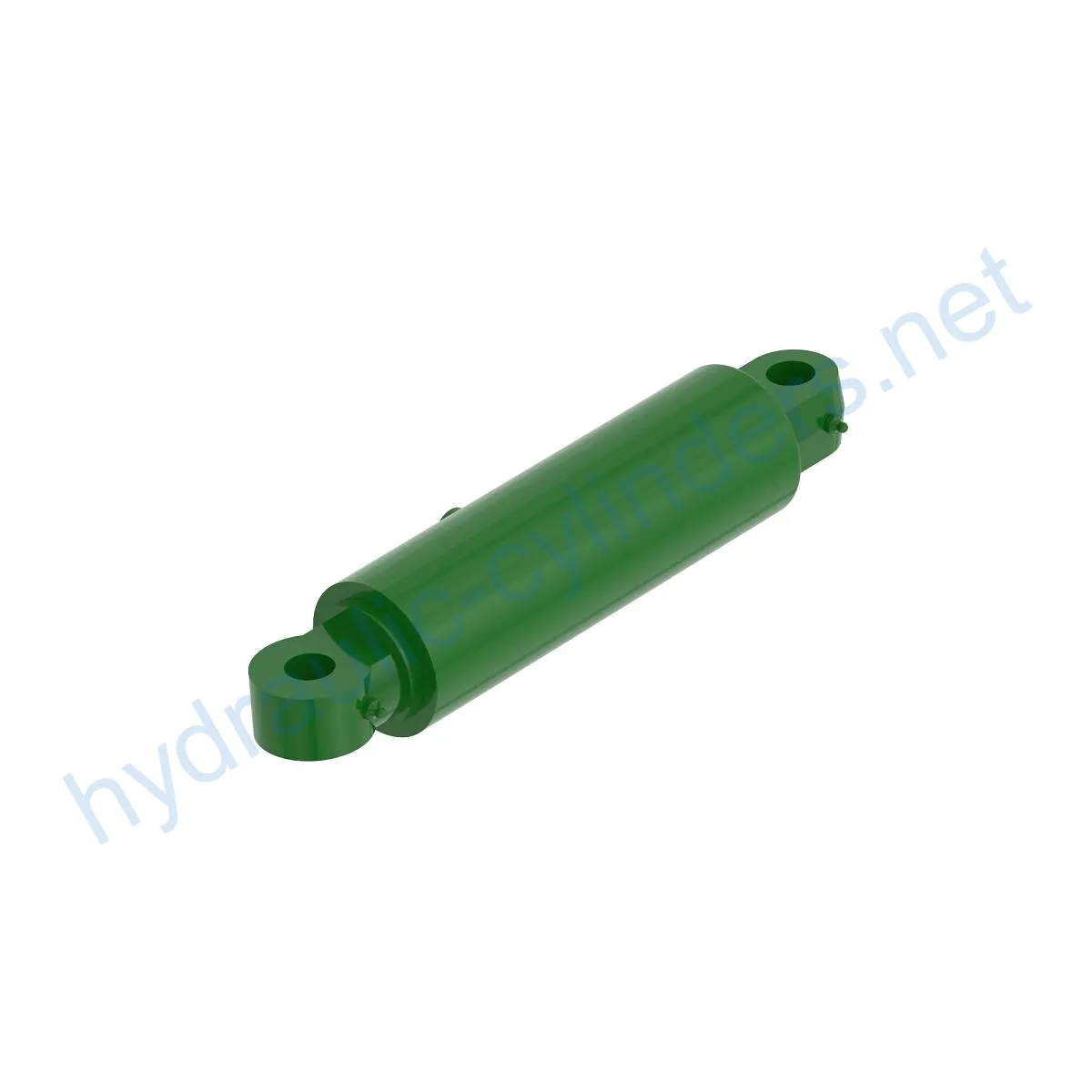
Remplacement du vérin hydraulique AHC15529
Remplacement du vérin hydraulique AHC15529
The Replacement Of AHC15529 Hydraulic Cylinder is a crucial component used in various machinery models, including 5075M, 5090M, 5090R, 5095M, 5100M, 5100MH, 5100ML, 5100R, 5105M, 5105MH, 5105ML, 5115M, 5115ML, 5115R, 5115RH, 5120M, 5120ML, 5125M, 5125ML, 5125R, and 5130M. This hydraulic cylinder is designed to provide reliable and efficient performance in a wide range of applications.
Caractéristiques
- Weight: 38.83 lb
- Hauteur : 3,9 pouces
- Largeur : 5,2 pouces
- Longueur : 18,5 pouces
Caractéristiques
- Amélioration des performances des équipements : Le remplacement des vérins hydrauliques endommagés ou usés permet de rétablir le fonctionnement normal des équipements et d’assurer leurs performances dans diverses applications.
- Sécurité renforcée : le remplacement régulier des vérins hydrauliques peut réduire les risques de sécurité causés par les défaillances des vérins, garantissant ainsi la sécurité des opérateurs et de l'équipement.
- Protection contre les surcharges : Les nouveaux modèles de vérins intègrent souvent de meilleurs mécanismes de protection contre les surcharges, améliorant ainsi la sécurité.
- Installation rapide : Les vérins hydrauliques modernes sont conçus pour faciliter leur installation et leur remplacement, minimisant ainsi les temps d’arrêt.
- Composants standardisés : De nombreux vérins hydrauliques sont des produits standardisés, ce qui facilite l’obtention de pièces de rechange sur le marché.
Applications
The Replacement Of AHC15529 Hydraulic Cylinder finds its application in various scenarios, including:
- Excavators: Hydraulic cylinders on the boom or bucket of excavators may require replacement due to long-term use or overloading, restoring normal operation.
- Cranes: Hydraulic cylinders on the lifting arms of cranes are prone to wear during frequent lifting and lowering, requiring regular replacement for safety.
- Tractors: Hydraulic cylinders on the front loaders of tractors may experience leaks or performance degradation due to continuous lifting and tilting operations, necessitating replacement.
- Combine Harvesters: In the harvesting process, hydraulic systems endure high pressure, and cylinders may get damaged due to fatigue, requiring timely replacement for maintaining work efficiency.
- Lignes de production automatisées : Les vérins hydrauliques servent à commander les bras robotisés et autres équipements automatisés. Une panne de vérin peut impacter la productivité et nécessiter un remplacement immédiat.
- Die Casting Machines: Under high pressure and temperature environments, hydraulic cylinders may experience performance deterioration. Regular replacement ensures product quality.
- Équipements miniers : Les vérins hydrauliques servent au levage et au déplacement de charges lourdes dans les équipements miniers. En raison des conditions de travail difficiles, une inspection et un remplacement réguliers sont nécessaires pour éviter les pannes.
- Bulldozers: Wear of hydraulic cylinders on the bulldozer’s blade arm can lead to a decrease in pushing ability, requiring timely replacement to maintain operational efficiency.
Tâches de maintenance
- Regular Inspection: Perform routine checks to identify any abnormalities or signs of wear in the hydraulic cylinder.
- Proper Lubrication: Ensure the cylinder is adequately lubricated to minimize friction and extend its lifespan.
- Seal Replacement and Calibration Check: Replace worn seals and periodically calibrate the cylinder to maintain optimal performance.
Considérations de sécurité et facteurs environnementaux
When using hydraulic cylinders, it is essential to prioritize safety measures and consider environmental factors. Proper safety precautions help prevent accidents and minimize environmental impact.
Diagnostic des pannes et problèmes courants
Common problems associated with hydraulic cylinders include:
- Leakage: Leaking hydraulic fluid indicates a potential issue with seals or other components.
- Insufficient Pressure: If the hydraulic cylinder fails to generate adequate pressure, it may be due to internal leaks or pump-related problems.
- Slow Operation: If the cylinder operates sluggishly, it could be a sign of insufficient lubrication or wear on internal components.
- Abnormal Noise: Unusual noises during operation may indicate the presence of air in the hydraulic system or worn-out components.
- Inconsistent Movement: If the cylinder moves erratically or unevenly, it may be due to internal leaks or misalignment.
Conseils de dépannage et d'entretien
When encountering issues with hydraulic cylinders, consider the following tips for diagnosis and problem-solving:
- Thoroughly inspect the cylinder and associated components for any visible damage or signs of wear.
- Refer to the manufacturer’s guidelines for troubleshooting specific issues and follow recommended repair procedures.
- Ensure proper alignment during installation, providing guidance on aligning the cylinder correctly.
- Use appropriate mounting brackets to secure the cylinder in place during installation.
- Offer inspection, repair, and replacement services to enhance the lifespan of hydraulic cylinders.
- Provide recommendations for replacement parts and rebuilding services to ensure prolonged use of the cylinders.

Considérations de conception et critères de sélection
When selecting hydraulic cylinders, consider the following design considerations:
- Load-Bearing Capacity: Ensure the cylinder can handle the intended load without any risk of failure.
- Sealing: Utilize various sealing components, such as piston seals and rod seals, made from durable materials like polyurethane and nitrile rubber.
- Durability: Optimize cylinder body and threaded end surfaces for improved wear resistance.
- Safety: Incorporate safety features in the cylinder design to prevent accidents and ensure operator protection.
- Maintainability: Design cylinders with ease of maintenance in mind, allowing for straightforward disassembly, lubrication, and adjustment.
Étanchéité et lubrification
To ensure the longevity and performance of hydraulic cylinders, the following practices are recommended:
- Use a variety of seals, such as piston seals and rod seals, made from wear-resistant materials like polyurethane and nitrile rubber.
- Ensure the cylinder body and threaded end surfaces are finely treated for enhanced wear resistance.
- Regularly apply an appropriate amount of hydraulic oil for lubrication purposes.
Inspection périodique et maintenance préventive


 FR
FR  EN
EN  PT
PT  ES
ES  DE
DE  IT
IT  AR
AR  ZH
ZH  RU
RU  KO
KO  KA
KA  BG
BG  CS
CS  DA
DA  EL
EL  ET
ET  FI
FI  HU
HU  ID
ID  LT
LT  LV
LV  NB
NB  NL
NL  PL
PL  RO
RO  SK
SK  SL
SL  SV
SV  TR
TR  UK
UK