
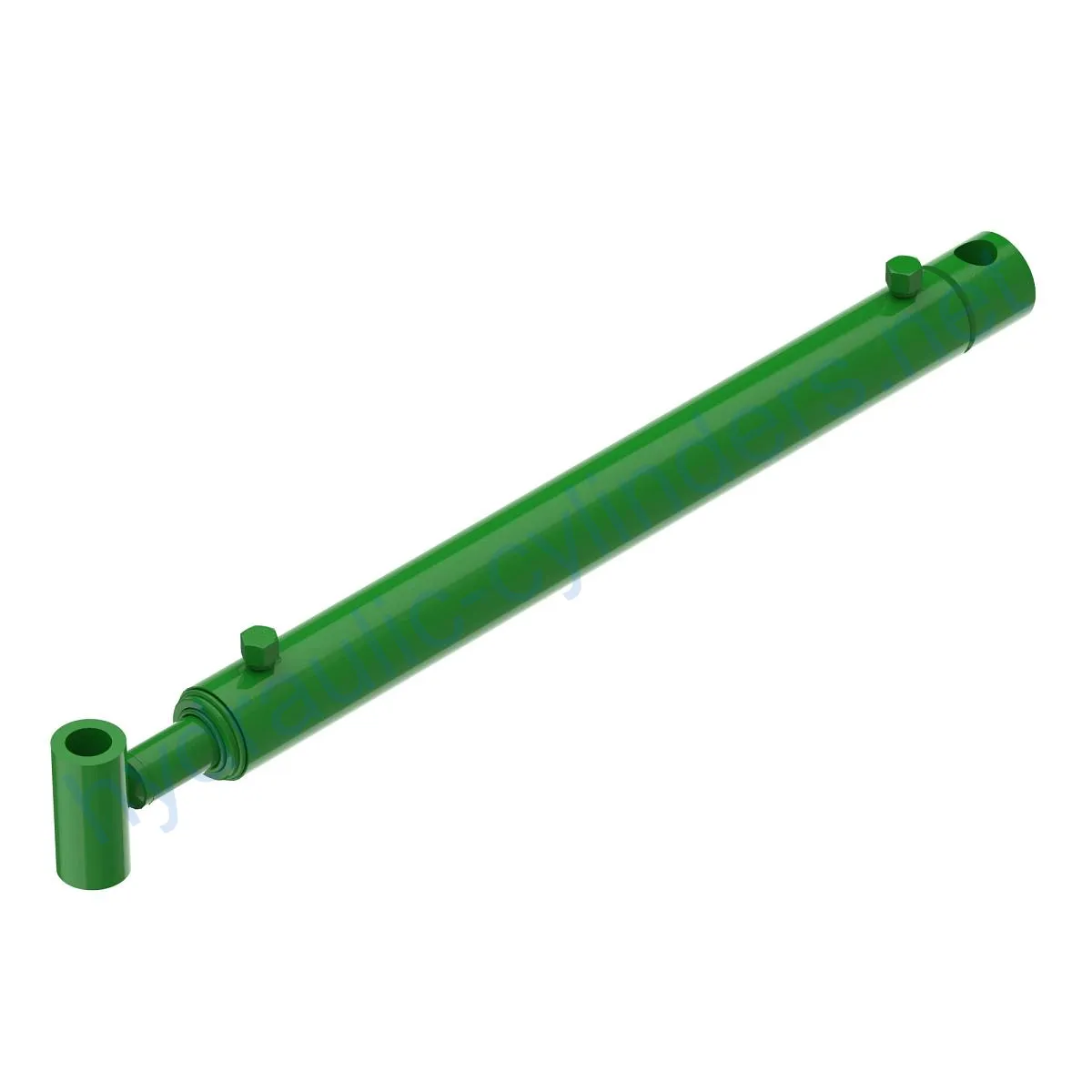
Replacement Of AHC13607 Bucket Hydraulic Cylinder
Replacement Of AHC13607 Bucket Hydraulic Cylinder
The Replacement Of AHC13607 Bucket Hydraulic Cylinder is a crucial component in hydraulic systems. It provides the necessary force to move heavy loads and is essential for the proper functioning of various equipment. This hydraulic cylinder is specifically designed to replace the AHC13607 model and is compatible with the 440R H180 machine.
Caractéristiques
- Weight: 19.58 lb
- Hauteur : 2,25 pouces
- Largeur : 3,5 pouces
- Longueur : 29,4 pouces
Caractéristiques
- Amélioration des performances des équipements : Le remplacement des vérins hydrauliques endommagés ou usés permet de rétablir le fonctionnement normal de l’équipement, garantissant ainsi des performances optimales dans diverses applications.
- Sécurité renforcée : le remplacement régulier des vérins hydrauliques peut réduire les risques de sécurité causés par les défaillances des vérins, garantissant ainsi la sécurité des opérateurs et de l'équipement.
- Protection contre les surcharges : La conception des nouveaux vérins intègre souvent de meilleurs mécanismes de protection contre les surcharges, ce qui améliore la sécurité.
- Installation rapide : les vérins hydrauliques modernes sont conçus pour une installation et un remplacement faciles, minimisant ainsi les temps d'arrêt.
- Composants standardisés : De nombreux vérins hydrauliques sont standardisés, ce qui facilite l’obtention de pièces de rechange sur le marché.
Our company specializes in manufacturing replacement hydraulic cylinders that can perfectly replace these hydraulic cylinders. We offer a wide range of products to cater to different equipment models and specifications.
Applications
- Pelles hydrauliques : Les vérins hydrauliques des flèches ou des godets des pelles hydrauliques peuvent s’endommager en raison d’une utilisation prolongée ou d’une surcharge, ce qui nécessite leur remplacement pour rétablir un fonctionnement normal.
- Cranes: Hydraulic cylinders in crane boom lifts are prone to wear and tear during frequent lifting and lowering processes, necessitating regular replacement for safety reasons.
- Tracteurs : Les vérins hydrauliques des chargeurs frontaux des tracteurs peuvent présenter des fuites ou une dégradation de leurs performances en raison des opérations de levage et d’inclinaison continues, ce qui nécessite leur remplacement.
- Harvesters: Hydraulic systems in harvesters endure high pressure during the harvesting process, and cylinders may get damaged due to fatigue, requiring timely replacement to maintain work efficiency.
- Lignes de production automatisées : Les vérins hydrauliques servent à commander les bras robotisés et autres équipements automatisés. Une panne de vérin peut impacter significativement la productivité et nécessiter un remplacement immédiat.
- Machines de moulage sous pression : Les vérins hydrauliques des machines de moulage sous pression peuvent subir une dégradation de leurs performances dans des environnements à haute pression et haute température. Un remplacement régulier garantit la qualité du produit.
- Équipements miniers : Les vérins hydrauliques servent au levage et au déplacement de charges lourdes dans les équipements miniers. En raison des conditions de travail difficiles, une inspection et un remplacement réguliers sont nécessaires pour éviter les pannes.
- Bulldozers: Wear of hydraulic cylinders in bulldozer blade arms can lead to decreased pushing capability, requiring timely replacement to maintain operational efficiency.
Regular maintenance and preventive measures are essential to ensure the longevity and optimal performance of hydraulic cylinders. Common maintenance tasks include regular inspections, appropriate lubrication, seal replacements, and calibration checks.
During installation, it is important to provide proper guidance on aligning the cylinder correctly and recommend using suitable installation brackets to secure the cylinder. We also offer recommended inspection, repair, and replacement procedures, as well as parts replacement and rebuilding services to extend the lifespan of the hydraulic cylinder.
Safety considerations and environmental factors play a crucial role when using hydraulic cylinders. Adhering to safety measures while handling hydraulic systems is of utmost importance to prevent accidents and ensure the well-being of operators.
When it comes to troubleshooting and common issues, it is essential to diagnose and address problems promptly. Providing tips and solutions for fault handling can help readers effectively identify and resolve issues. Additionally, offering preventive measures can minimize potential problems.

Design considerations and selection criteria are vital for hydraulic cylinders. Factors such as load-bearing capacity, sealing capability, durability, safety, and serviceability should be thoroughly discussed. These aspects ensure that the chosen hydraulic cylinder meets the specific requirements of the application.
Sealing and lubrication are crucial for the proper functioning of hydraulic cylinders. Various sealing components, such as piston seals and rod seals, are utilized, often made of wear-resistant materials such as polyurethane or nitrile rubber. The cylinder body and threaded ends undergo meticulous surface treatment to enhance wear resistance. Regular lubrication with appropriate hydraulic oil is necessary to ensure smooth operation.
Regular inspections and proactive maintenance measures can prevent potential issues. Proper installation, lubrication, and adjustment are emphasized, providing guidance on aligning the cylinder correctly during the installation process. We recommend using suitable installation brackets to secure the cylinder. Furthermore, we offer tips to inspect, repair, and replace hydraulic cylinder components, along with techniques to extend their lifespan.
For correct installation instructions, please refer to our comprehensive installation guide, which provides step-by-step instructions to ensure a successful installation of the hydraulic cylinder.
Tâches de maintenance
- Regular Inspections: Perform routine inspections to detect any issues or signs of wear.
- Appropriate Lubrication: Ensure proper lubrication to reduce friction and maintain optimal performance.
- Seal Replacement and Calibration Checks: Replace worn seals and perform calibration checks to maintain the cylinder’s sealing integrity and accuracy.
Considering safety measures and environmental factors is crucial when working with hydraulic cylinders. Adhering to safety protocols while using hydraulic cylinders is essential to prevent accidents and minimize risks.
Diagnostic des pannes et problèmes courants
- Leakage: Examine for any leaks in the hydraulic cylinder system, as they can affect performance and lead to potential failures.
- Slow Operation: Slow or sluggish movement may indicate a problem with the hydraulic cylinder, such as insufficient pressure or internal leakage.
- Excessive Noise or Vibration: Unusual noise or vibration can be a sign of internal damage or misalignment within the hydraulic cylinder.
- Inadequate Force Output: Insufficient force may result from worn seals, internal leaks, or other factors affecting the hydraulic cylinder’s performance.
- Overheating: Elevated temperatures can indicate problems with the hydraulic cylinder or the entire hydraulic system, requiring immediate attention.
Providing troubleshooting tips, solutions, and preventive measures can aid readers in efficiently diagnosing and resolving issues related to hydraulic cylinders. Minimizing potential problems through preventive measures is also essential.
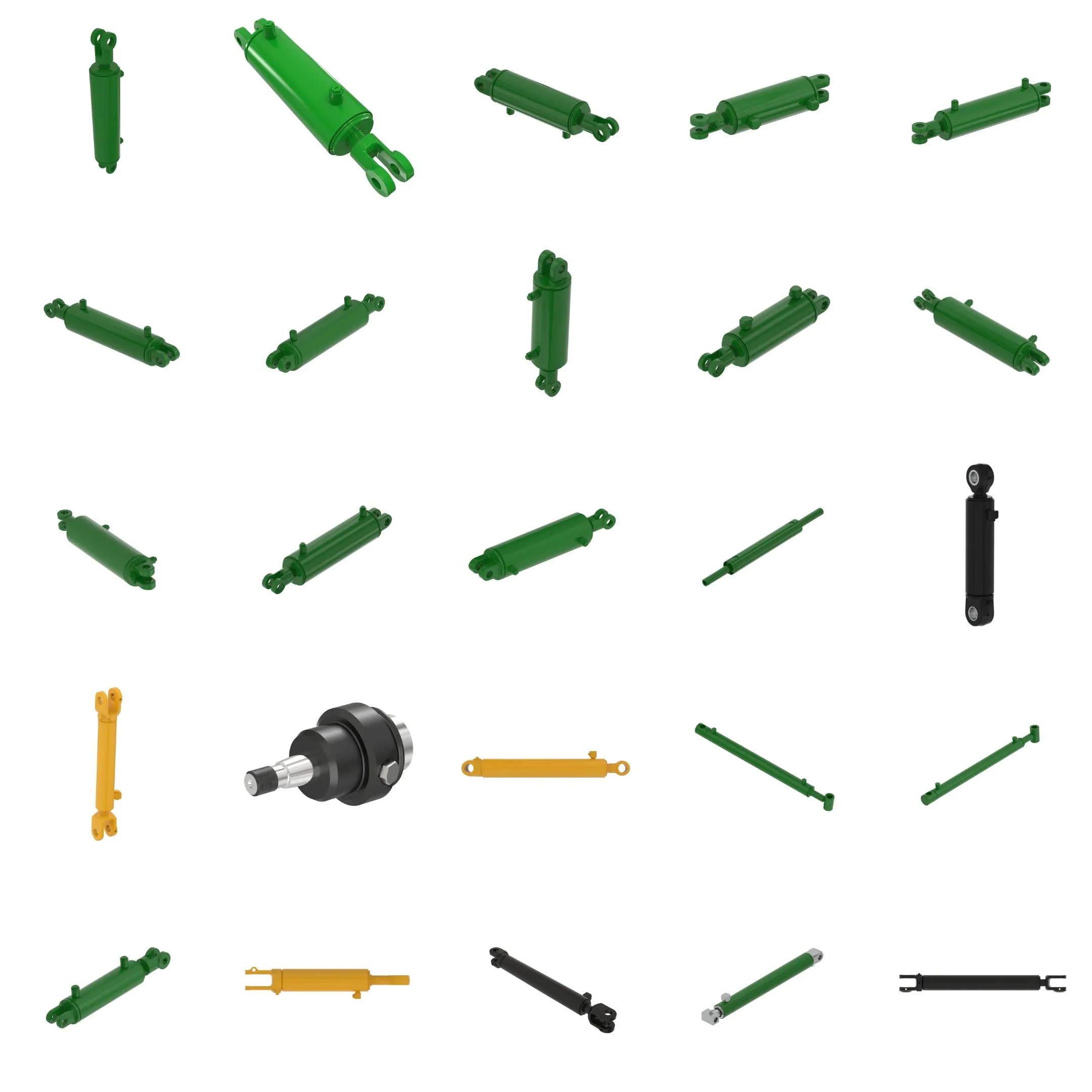
Design considerations and selection criteria play vital roles in determining the performance and reliability of hydraulic cylinders. Key factors such as load-bearing capacity, sealing integrity, durability, safety, and ease of maintenance should be thoroughly evaluated. These considerations ensure that the chosen hydraulic cylinder meets the highest standards and requirements of the application.
Sealing and lubrication are critical aspects of the hydraulic cylinder’s performance and longevity. Utilizing various sealing components, such as piston seals and rod seals, made of wear-resistant materials like polyurethane or nitrile rubber, helps maintain a tight seal. The cylinder body and threaded ends undergo precise surface treatments to enhance wear

 FR
FR  EN
EN  PT
PT  ES
ES  DE
DE  IT
IT  AR
AR  ZH
ZH  RU
RU  KO
KO  KA
KA  BG
BG  CS
CS  DA
DA  EL
EL  ET
ET  FI
FI  HU
HU  ID
ID  LT
LT  LV
LV  NB
NB  NL
NL  PL
PL  RO
RO  SK
SK  SL
SL  SV
SV  TR
TR  UK
UK