

Replacement Of AHC14777 Hydraulic Cylinder
Replacement Of AHC14777 Hydraulic Cylinder
Definition: The Replacement Of AHC14777 Hydraulic Cylinder is a hydraulic component used in various machinery and equipment to provide linear force and movement. It plays a crucial role in the operation and performance of these machines.
Caractéristiques
- Weight: 519.999 lb
- Hauteur : 9,7 pouces
- Length: 78.5 in
Modèles compatibles
- 803MH
- 853M
- 853MH
- 859M
- 859MH
- 903KH
- 903MH
- 909KH
- 909MH
- 953MH
- 959MH
Caractéristiques du produit
- Amélioration des performances des équipements : Le remplacement des vérins hydrauliques endommagés ou usés permet de rétablir le fonctionnement normal de l’équipement et d’assurer ses performances dans diverses applications.
- Sécurité renforcée : le remplacement régulier des vérins hydrauliques peut réduire les risques de sécurité causés par les défaillances des vérins, garantissant ainsi la sécurité des opérateurs et de l'équipement.
- Protection contre les surcharges : Les nouveaux modèles de vérins intègrent souvent de meilleurs mécanismes de protection contre les surcharges, améliorant ainsi la sécurité.
- Installation rapide : les vérins hydrauliques modernes sont conçus pour une installation et un remplacement faciles, minimisant ainsi les temps d'arrêt.
- Composants standardisés : De nombreux vérins hydrauliques sont des produits standardisés, ce qui facilite l’obtention de pièces de rechange sur le marché.
Nous sommes en mesure de fabriquer ce produit, offrant ainsi des solutions de remplacement parfaites pour ces vérins hydrauliques.
Applications
- Pelles hydrauliques : Le vérin hydraulique du bras ou du godet de la pelle hydraulique peut s’endommager en raison d’une utilisation prolongée ou d’une surcharge, ce qui nécessite son remplacement pour un fonctionnement normal.
- Cranes: The hydraulic cylinder on a crane’s lifting arm can wear out during frequent lifting and lowering, necessitating regular replacement for safety.
- Tractors: The hydraulic cylinder on a tractor’s front loader may develop leaks or decreased performance from continuous lifting and tilting operations, requiring replacement.
- Harvesters: The hydraulic system undergoes high pressure during harvesting, and fatigue may damage the cylinder, requiring timely replacement for efficient work.
- Lignes de production automatisées : Les vérins hydrauliques servent à commander les bras robotisés et autres équipements automatisés. Une panne de vérin peut impacter la productivité et doit être rapidement résolue.
Here are some expanded descriptions for each application:
Excavateurs
In excavators, the hydraulic cylinder is responsible for controlling the arm and bucket movements. Over time, the cylinder may suffer damage or wear, affecting the excavator’s performance. Replacing the hydraulic cylinder restores the excavator’s ability to dig, load, and perform various tasks efficiently.
Grues
On cranes, the hydraulic cylinder operates the lifting arm, allowing it to raise and lower loads. Frequent use and heavy loads can cause wear and tear on the cylinder, compromising the crane’s lifting capacity and posing safety risks. Regularly replacing the hydraulic cylinder ensures smooth and safe crane operations.
Tracteurs
The hydraulic cylinder on a tractor’s front loader is crucial for lifting and tilting operations. Continuous use and exposure to challenging working conditions can lead to cylinder leaks or decreased performance. Replacing the hydraulic cylinder ensures optimal performance and avoids interruptions in agricultural tasks.
Moissonneurs
During the harvesting process, hydraulic cylinders endure high pressures and repetitive movements. Fatigue and wear can affect the cylinder’s performance, resulting in decreased efficiency and potential breakdowns. Timely replacement of hydraulic cylinders is essential to maintain productivity and harvest quality.
Tâches de maintenance
- Regular Inspections: Periodically check the hydraulic cylinder for leaks, damage, or signs of wear. Promptly address any issues to prevent further damage.
- Proper Lubrication: Ensure the hydraulic cylinder is properly lubricated to reduce friction and extend its lifespan. Use recommended lubricants and follow the manufacturer’s guidelines.
- Seal Replacement and Calibration Check: Regularly replace worn seals to prevent hydraulic fluid leaks. Additionally, calibrate the cylinder to ensure precise performance and alignment.
Proper installation, lubrication, and adjustment are crucial for the hydraulic cylinder’s efficiency and longevity. Provide detailed guidance on aligning the cylinder correctly during installation and recommend using appropriate installation brackets for secure mounting. Recommend inspection, repair, and replacement procedures, along with parts replacement and rebuilding services to maximize the cylinder’s lifespan.
Considérations de sécurité et facteurs environnementaux
When using hydraulic cylinders, safety measures are of utmost importance to prevent accidents and injuries. Proper handling, installation, and maintenance should be followed to ensure safe operations. Additionally, considering environmental factors such as hydraulic fluid leaks and proper disposal helps preserve the environment and comply with regulations.
Common Malfunctions and Troubleshooting
It’s essential to diagnose and address hydraulic cylinder malfunctions promptly. Here are some common issues:
Fuite
If hydraulic fluid is leaking from the cylinder, check for damaged seals, loose connections, or worn components. Replace faulty parts and ensure proper sealing.
Manque de puissance
If the hydraulic cylinder lacks power, inspect the hydraulic pump, control valves, and pressure settings. Adjust or replace components as necessary to restore proper power and performance.
Mouvement inégal
If the cylinder moves unevenly or jerks during operation, check for hydraulic fluid contamination, damaged seals, or misalignment. Clean or replace contaminated fluid and seals, and realign the cylinder if needed.
Provide troubleshooting tips and solutions to help readers effectively diagnose and resolve hydraulic cylinder issues. Offer preventive measures to minimize potential problems and ensure proper maintenance practices.
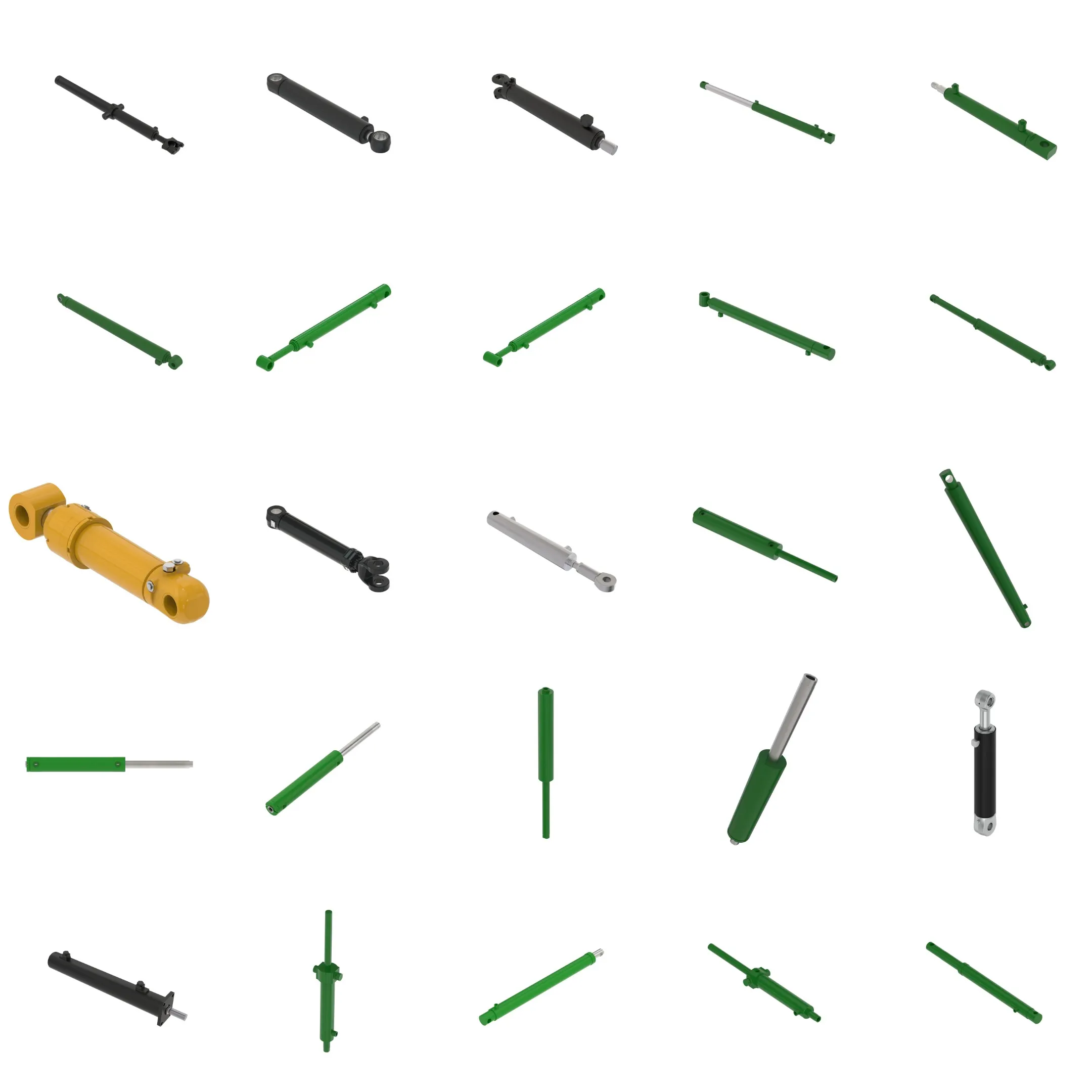
Considérations relatives à la conception du produit et critères de sélection
Lors de la conception et de la sélection des vérins hydrauliques, plusieurs facteurs doivent être pris en compte :
Capacité de charge
The hydraulic cylinder must be designed to handle the specific load requirements of the application. Consider factors such as weight, force, and operating conditions to ensure optimal performance and safety.
Étanchéité et durabilité
Hydraulic cylinders should incorporate reliable sealing mechanisms to prevent leaks and maintain performance. Choosing durable materials such as polyurethane and nitrile rubber for seals, along with fine surface treatments on cylinder bodies and threaded ends, enhances wear resistance.
Sécurité et entretien
Designing hydraulic cylinders with safety features and ease of maintenance in mind is crucial. Emphasize the importance of proper installation, lubrication, and adjustment to ensure safe and efficient operation. Provide tips and techniques to prolong the cylinder’s lifespan and reduce downtime.

 FR
FR  EN
EN  PT
PT  ES
ES  DE
DE  IT
IT  AR
AR  ZH
ZH  RU
RU  KO
KO  KA
KA  BG
BG  CS
CS  DA
DA  EL
EL  ET
ET  FI
FI  HU
HU  ID
ID  LT
LT  LV
LV  NB
NB  NL
NL  PL
PL  RO
RO  SK
SK  SL
SL  SV
SV  TR
TR  UK
UK