
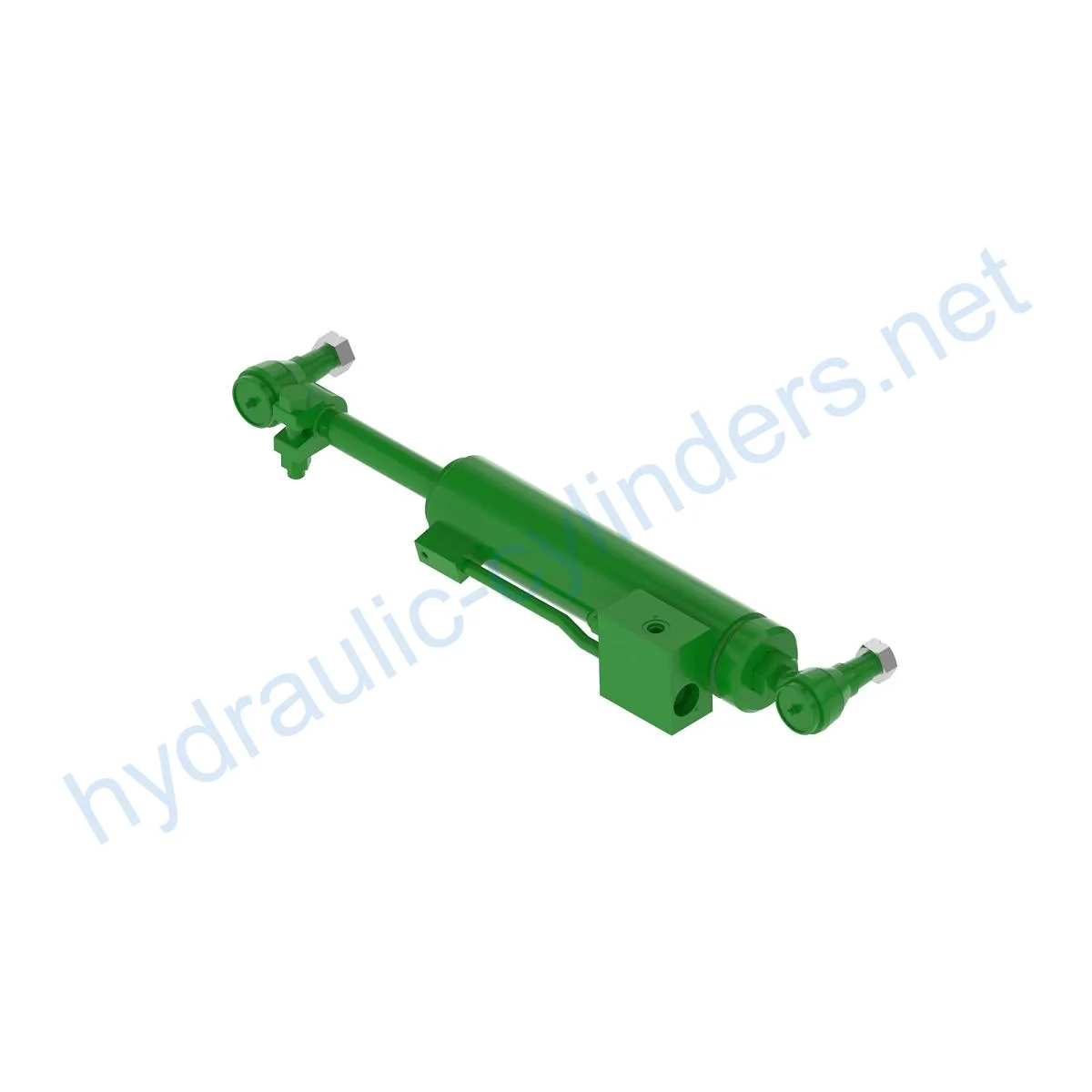
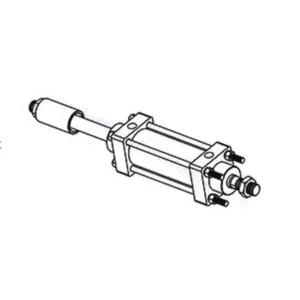
Remplacement du vérin hydraulique de direction AN302049, côté gauche
Replacement Of AN302049 Steering Hydraulic Cylinder, LH
Introduction
The Replacement Of AN302049 Steering Hydraulic Cylinder, LH is a hydraulic cylinder designed to replace the original cylinder in compatible machinery models 4920 and 4930. It is a crucial component that plays a key role in the steering system of these machines, allowing for precise control and maneuverability.
Caractéristiques
- Weight: 34.04 lb
- Hauteur : 10 cm
- Largeur : 7 pouces
- Length: 23.75 in
Caractéristiques
- Amélioration des performances des équipements : Le remplacement des vérins hydrauliques endommagés ou usés permet de rétablir le fonctionnement normal de l’équipement et d’assurer ses performances dans diverses applications.
- Sécurité renforcée : le remplacement régulier des vérins hydrauliques peut réduire les risques de sécurité causés par les défaillances des vérins, garantissant ainsi la sécurité des opérateurs et de l'équipement.
- Protection contre les surcharges : Les nouveaux modèles de cylindres intègrent souvent de meilleurs mécanismes de protection contre les surcharges, ce qui améliore la sécurité.
- Installation rapide : les vérins hydrauliques modernes sont conçus pour une installation et un remplacement faciles, minimisant ainsi les temps d'arrêt.
- Composants standardisés : De nombreux vérins hydrauliques sont des produits standardisés, ce qui facilite l’obtention de pièces de rechange sur le marché.
Applications
- Pelles hydrauliques : Les vérins hydrauliques des bras ou des godets des pelles hydrauliques peuvent s’endommager en raison d’une utilisation prolongée ou d’une surcharge, ce qui nécessite leur remplacement pour rétablir un fonctionnement normal.
- Cranes: Hydraulic cylinders in crane boom arms are susceptible to wear and tear from frequent lifting and lowering, necessitating regular replacement for safety.
- Tractors: Hydraulic cylinders in front-end loader attachments of tractors may experience leaks or decreased performance during continuous lifting and tilting operations, requiring replacement.
- Harvesters: The hydraulic system endures high pressure during the harvesting process, and cylinders may get damaged due to fatigue, requiring timely replacement to maintain efficiency.
- Lignes de production automatisées : Les vérins hydrauliques servent à commander les bras robotisés et autres équipements automatisés. Une panne de vérin peut impacter significativement la productivité et nécessite un remplacement immédiat.
- Die Casting Machines: Hydraulic cylinders in die casting machines may experience decreased performance under high pressure and temperature environments. Regular replacement ensures product quality.
- Équipements miniers : Les vérins hydrauliques servent au levage et au déplacement de charges lourdes dans les équipements miniers. En raison des conditions de travail difficiles, une inspection et un remplacement réguliers sont nécessaires pour éviter les pannes.
- Bulldozers: Wear of hydraulic cylinders in bulldozer blades can lead to a decrease in pushing power, requiring timely replacement to maintain operational efficiency.
Tâches de maintenance
- Regular Inspection: Perform routine checks to identify any signs of wear or damage in the hydraulic cylinder.
- Proper Lubrication: Ensure appropriate lubrication of the cylinder to reduce friction and prolong its lifespan.
- Seal Replacement and Calibration Checks: Regularly replace worn seals and perform calibration checks to maintain optimal performance.
Considérations de sécurité et facteurs environnementaux
When using hydraulic cylinders, it is important to follow safety measures to prevent accidents and ensure the well-being of operators and equipment. Proper handling and maintenance of cylinders can also minimize environmental impact.
Dépannage et problèmes courants
- Loss of Hydraulic Pressure: If the cylinder fails to exert sufficient force, it may indicate a loss of hydraulic pressure. Check for leaks or blockages in the hydraulic system.
- Slow or Jerky Cylinder Movement: This issue can be caused by insufficient lubrication or worn seals. Ensure proper lubrication and replace worn seals as needed.
- Excessive Noise or Vibration: Unusual noise or vibration during cylinder operation may indicate a mechanical problem. Inspect the cylinder for misalignment or damaged components.
- Leaking Fluid: Fluid leaks can result from damaged seals or connections. Identify the source of the leak and replace the faulty parts.
Mesures préventives et conseils de dépannage
To effectively diagnose and solve problems related to hydraulic cylinders, consider the following tips:
- Regularly inspect and maintain the hydraulic cylinder to identify potential issues before they escalate.
- Follow recommended installation, lubrication, and adjustment procedures to ensure proper functioning.
- Provide guidance on aligning the cylinder correctly during installation and recommend the use of appropriate installation brackets for stability.
- Offer inspection, repair, and replacement services to prolong the lifespan of the hydraulic cylinder.
- Share techniques to improve the durability of the cylinder and maximize its usage.
Considérations de conception et critères de sélection
When choosing a hydraulic cylinder, various factors should be considered, such as load-bearing capacity, sealing capabilities, durability, safety features, and ease of maintenance. Each aspect plays a crucial role in ensuring optimal performance and longevity.
Étanchéité et lubrification
Hydraulic cylinders are equipped with various seals, such as piston seals and rod seals, made from wear-resistant materials like polyurethane and nitrile rubber. The cylinder body and threaded ends undergo precise surface treatments to enhance wear resistance. Regular lubrication with the appropriate hydraulic oil is essential for smooth operation and longevity.
Inspection régulière et maintenance préventive
- Proper installation, lubrication, and adjustment are vital for the optimal performance of hydraulic cylinders.
- During installation, provide guidance on aligning the cylinder correctly and recommend the use of suitable installation brackets to secure the cylinder.
- Recommend inspection, repair, and replacement procedures to ensure the longevity of the hydraulic cylinder.
- Offer tips and techniques to increase the lifespan of the cylinder and minimize potential issues.
Guide d'installation
Follow these steps for a correct installation of the Replacement Of AN302049 Steering Hydraulic Cylinder, LH:
- Préparez la zone de montage et assurez-vous qu'elle soit propre et exempte de débris.
- Align the cylinder with the mounting holes and attach it securely using appropriate bolts and fasteners.
- Ensure the cylinder is properly aligned and positioned for optimal performance.
- Connect the hydraulic hoses or lines to the cylinder, following the manufacturer’s guidelines for proper connections.
- Test the cylinder for proper operation and make any necessary adjustments.


 FR
FR  EN
EN  PT
PT  ES
ES  DE
DE  IT
IT  AR
AR  ZH
ZH  RU
RU  KO
KO  KA
KA  BG
BG  CS
CS  DA
DA  EL
EL  ET
ET  FI
FI  HU
HU  ID
ID  LT
LT  LV
LV  NB
NB  NL
NL  PL
PL  RO
RO  SK
SK  SL
SL  SV
SV  TR
TR  UK
UK