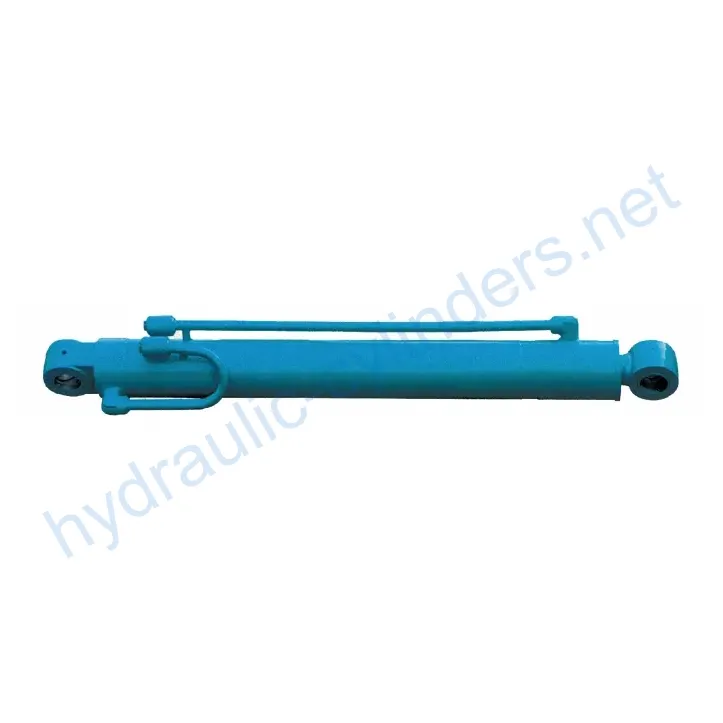
Arm Cylinder For Lishide Middle Excavator SC220.8
The arm cylinder is a specially designed hydraulic cylinder that is primarily used to provide linear motion and power to the arms of various types of machinery, such as excavators, cranes, and robotic arms. The arm cylinder plays a crucial role in hydraulic systems, enabling the effective movement and control of additional tools or attachments. These cylinders not only allow for smooth motion but also withstand heavy loads, ensuring efficient operation and reliability of the machinery in various working conditions.

Caractéristiques du produit
- Transmission à haut rendement : Le vérin du bras assure un mouvement linéaire et une force puissants, garantissant ainsi des performances élevées du bras robotisé dans diverses opérations.
- Contrôle précis : Grâce au système hydraulique, le vérin du bras permet un contrôle précis du mouvement, rendant l'utilisation d'outils supplémentaires plus flexible et précise.
- Durabilité: Les vérins de bras sont généralement fabriqués à partir de matériaux à haute résistance, offrant une excellente résistance à l'usure et à la corrosion, ce qui les rend adaptés à une utilisation à long terme dans des environnements difficiles.
- Adaptabilité multifonctionnelle : These cylinders can be widely applied to various types of machinery, such as excavators, cranes, and robotic arms, to meet different operational requirements.
- Facilité d'entretien : The design of these cylinders takes into consideration ease of maintenance and replacement, making regular inspection and upkeep more convenient and reducing equipment downtime.


Applications
Le vérin à bras trouve ses applications dans diverses industries :
- Génie civil : In excavators and cranes, the arm cylinder is used to control the movement of the bucket or boom, enabling earthworks, material handling, and structural installation.
- Fabrication: In automated production lines, the arm cylinder is used for the motion of robotic arms, enabling assembly, welding, and material handling processes, thereby improving production efficiency and precision.
- Machines agricoles : In agricultural machinery such as harvesters and seeders, the arm cylinder controls the movement of the operating arm, performing tasks like planting, fertilizing, and harvesting.
- Exploitation minière: In mining equipment, the arm cylinder is used to control the movement of mining equipment arms, facilitating ore extraction and transportation.
- Logistique et transport : Dans les chariots élévateurs et les robots de manutention, le vérin du bras sert à contrôler le levage et le mouvement des fourches, permettant ainsi la manutention et l'empilage des matériaux.
Considérations de conception et critères de sélection
When it comes to the design considerations and selection criteria for arm cylinders, several factors need to be taken into account:
- Capacité portante : Arm cylinders must be able to withstand the expected loads and forces in their intended applications.
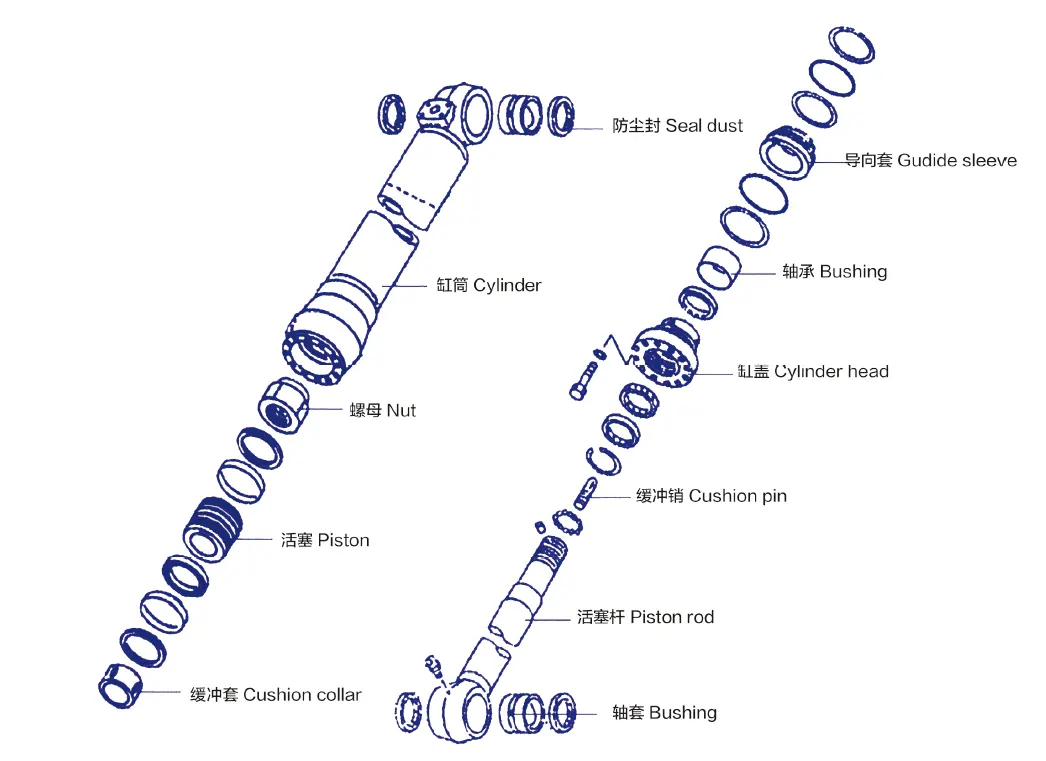
- Scellage: Various sealing components, such as piston seals and rod seals, are utilized, often made of wear-resistant materials like polyurethane and nitrile rubber. The cylinder body and threaded ends undergo precision treatment to enhance wear resistance.
- Durabilité: The arm cylinders are designed to withstand the demanding conditions of their applications, ensuring long service life and reliable performance.
- Sécurité: Safety features are incorporated into the design to prevent accidents and ensure the secure operation of the machinery.
- Maintenabilité : The design allows for easy maintenance and replacement of components, reducing downtime and facilitating efficient servicing.


Étanchéité et lubrification
Arm cylinders utilize various sealing components, such as piston seals and rod seals, made of wear-resistant materials like polyurethane and nitrile rubber. The cylinder body and threaded ends undergo precision treatment to enhance wear resistance. Regular lubrication with the appropriate hydraulic oil is necessary for smooth operation.
Inspection régulière et maintenance préventive
To ensure optimal performance and longevity of the arm cylinder, regular inspections and preventive maintenance measures should be carried out:
- Inspectez le cylindre pour détecter tout signe de fuite, d'usure ou de dommage.
- Vérifiez les joints et remplacez-les si nécessaire.
- Clean and lubricate the cylinder and its components.
- Verify the alignment and positioning of the cylinder.
- Resserrer les fixations ou les raccords desserrés.
Guide d'installation du produit
Proper installation of the arm cylinder is crucial for its performance and safety. Here are the steps to follow:
- Préparez la zone de montage et assurez-vous qu'elle soit propre et exempte de tout débris.
- Attach the cylinder to the mounting bracket securely using appropriate fasteners.
- Connect the hydraulic hoses or pipes to the cylinder fittings.
- Tighten all connections to the specified torque.
- Vérifiez le bon fonctionnement du cylindre et recherchez d'éventuelles fuites.


Considérations de sécurité et facteurs environnementaux
When utilizing arm cylinders, it is essential to prioritize safety measures to prevent accidents and ensure the well-being of operators and surrounding personnel. Additionally, considering environmental factors in the design and use of arm cylinders helps minimize the impact on the environment and promote sustainability.
Diagnostic des pannes et problèmes courants
Despite their durability, arm cylinders may encounter faults or issues. Here are some common ones:
- Leakage from seals or fittings
- Slow or uneven motion
- Incomplete extension or retraction
- Bruits anormaux pendant le fonctionnement
When facing these problems, the following troubleshooting tips and solutions can help diagnose and resolve them effectively:
- Inspect and replace worn or damaged seals or fittings.
- Clean and lubricate the cylinder and its components.
- Check the hydraulic fluid levels and refill if necessary.
- Verify the hydraulic pressure and adjust if needed.
- Seek professional assistance if the issue persists or if there are safety concerns.


N'oubliez pas d'organiser l'article de manière logique, d'utiliser des sous-titres pour faciliter la navigation, d'intégrer des images ou des graphiques pertinents pour améliorer la compréhension et de veiller à ce que le contenu soit clair, concis et adapté aux lecteurs ayant différents niveaux de connaissances techniques.
Auteur : lyl