


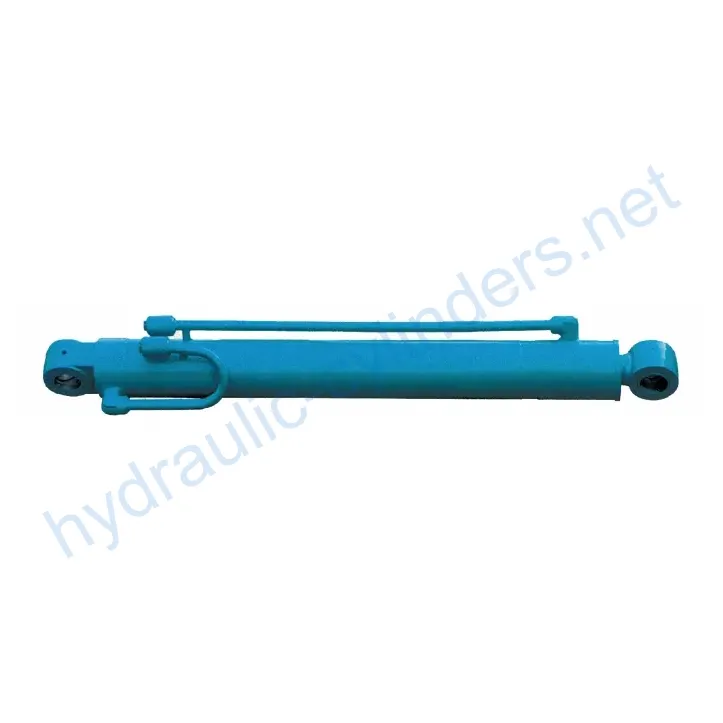
Vérin de bras pour pelle hydraulique Volvo EC380EL
Définition et explication
An arm cylinder is a specially designed hydraulic cylinder that provides linear motion and power to the arm of various types of machinery, such as excavators, cranes, and robotic arms. The arm cylinder plays a crucial role in hydraulic systems, enabling the efficient movement and control of additional tools or attachments. These cylinders not only ensure smooth motion but also withstand heavy loads, ensuring the efficient operation and reliability of the machinery in various working conditions.
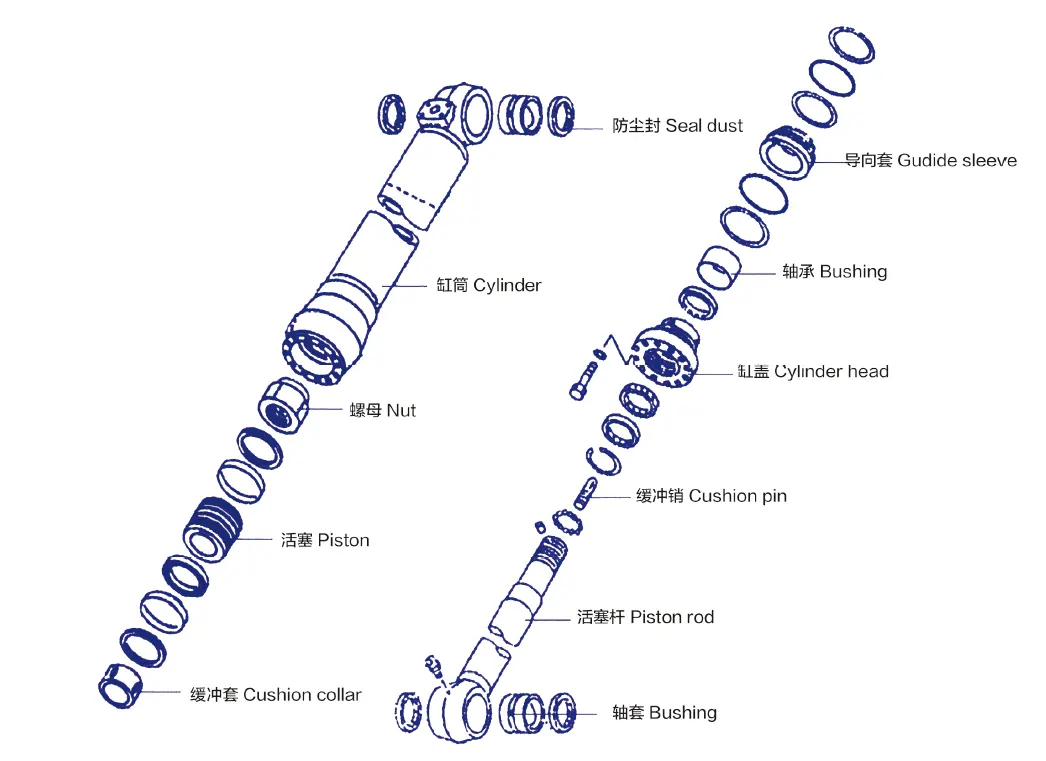

Caractéristiques du cylindre de bras
- Transmission à haut rendement : The arm cylinder provides powerful linear motion and force, ensuring high-performance capabilities for the machinery arm in various operations.
- Contrôle précis : Grâce au système hydraulique, le vérin du bras permet un contrôle précis du mouvement, rendant l'utilisation d'outils supplémentaires plus flexible et précise.
- Grande durabilité : Les vérins de bras sont généralement fabriqués à partir de matériaux à haute résistance, offrant une excellente résistance à l'usure et à la corrosion, ce qui les rend adaptés à une utilisation à long terme dans des environnements difficiles.
- Adaptabilité multifonctionnelle : These cylinders can be widely applied to various types of machinery, including excavators, cranes, and robotic arms, adapting to different work requirements.
- Entretien facile : Designed with ease of maintenance and replacement in mind, arm cylinders facilitate convenient periodic inspections and servicing, reducing equipment downtime.


Applications du cylindre de bras
Les vérins à bras trouvent des applications dans divers secteurs et industries :
- Génie civil : Dans les excavatrices et les grues, les vérins de bras contrôlent le mouvement des godets ou des flèches pour les travaux de terrassement, la manutention de matériaux et l'installation de structures.
- Industrie manufacturière : Dans les lignes de production automatisées, les vérins de bras permettent le mouvement des bras robotisés pour les processus d'assemblage, de soudage et de manutention des matériaux, améliorant ainsi l'efficacité et la précision de la production.
- Machines agricoles : Dans les machines agricoles telles que les moissonneuses-batteuses et les semoirs, les vérins de bras contrôlent le mouvement des bras opérationnels pour des tâches comme le semis, la fertilisation et la récolte.
- Exploitation minière: In mining equipment, arm cylinders control the movement of mining equipment arms, facilitating the extraction and transportation of minerals.
- Logistique et transport : In forklifts and handling robots, arm cylinders control the lifting and movement of forks, enabling the handling and stacking of materials.
Considérations de conception et critères de sélection
When it comes to designing arm cylinders, several factors are significant:
- Capacité portante : The arm cylinder should be designed to handle the maximum load it will encounter during its application.
- Scellage: Various sealing elements, such as piston seals and rod seals, should be used to ensure proper sealing. These seals are typically made of wear-resistant materials like polyurethane and nitrile rubber.
- Durabilité: The cylinder body and threaded end surfaces should undergo meticulous processing to enhance wear resistance. Additionally, regular lubrication with the appropriate hydraulic oil is necessary.
- Sécurité: Safety considerations, such as overload protection and safety valves, should be incorporated into the design to prevent accidents and ensure operator safety.
- Maintenabilité : Design features that facilitate easy maintenance and repair should be considered, minimizing downtime and optimizing operational efficiency.


Étanchéité et lubrification
Arm cylinders utilize various sealing components, including piston seals and rod seals, which are made of wear-resistant materials such as polyurethane and nitrile rubber. The cylinder body and threaded end surfaces undergo precise processing to improve wear resistance. Regular lubrication with the appropriate hydraulic oil is necessary to ensure smooth operation and prevent premature wear.
Inspection régulière et maintenance préventive
To ensure the optimal performance and longevity of the arm cylinder, regular inspections and preventive maintenance are crucial. The following measures should be taken:
- Inspect all components for signs of wear, leakage, or damage.
- Resserrer les raccords ou connexions desserrés.
- Check the hydraulic oil levels and quality regularly.
- Remplacez rapidement les joints ou composants usés.
- Perform a thorough cleaning of the cylinder and its surroundings to prevent debris accumulation.
Installation Guide for Arm Cylinder
Proper installation is essential for the reliable performance of the arm cylinder. Follow the steps below:
- Prepare the mounting area and ensure it is clean and free from any obstructions or debris.
- Align the arm cylinder with the mounting holes and attach securely using appropriate bolts and fasteners.
- Connect the hydraulic hoses or pipes, ensuring a tight and leak-free connection.
- Verify the correct operation of the cylinder by performing initial tests and adjustments.
- Regularly inspect the installed arm cylinder for any signs of wear or malfunction.


Considérations de sécurité et facteurs environnementaux
When working with arm cylinders, prioritizing safety measures is crucial. Adequate safety precautions should be followed, such as using appropriate protective gear, implementing proper lockout/tagout procedures, and adhering to equipment-specific safety guidelines. Additionally, considering environmental factors such as temperature, humidity, and exposure to corrosive substances is important to ensure the longevity and performance of the arm cylinder.
Dépannage et problèmes courants
En cas de problème avec le cylindre du bras, les étapes de dépannage suivantes peuvent aider à diagnostiquer et à résoudre les problèmes :
- Check for any visible leaks in the hydraulic system.
- Inspect the sealing components for wear or damage.
- Ensure proper lubrication and cleanliness of the cylinder.
- Inspect the hydraulic hoses or pipes for any blockages or damage.
- Refer to the equipment’s manual or consult with a qualified technician for further assistance.


N'oubliez pas d'organiser l'article de manière logique, d'utiliser des sous-titres pour faciliter la navigation, d'intégrer des images ou des graphiques pertinents pour une meilleure compréhension et de veiller à ce que le contenu soit clair, concis et adapté aux lecteurs ayant différents niveaux de connaissances techniques.
À propos de notre entreprise
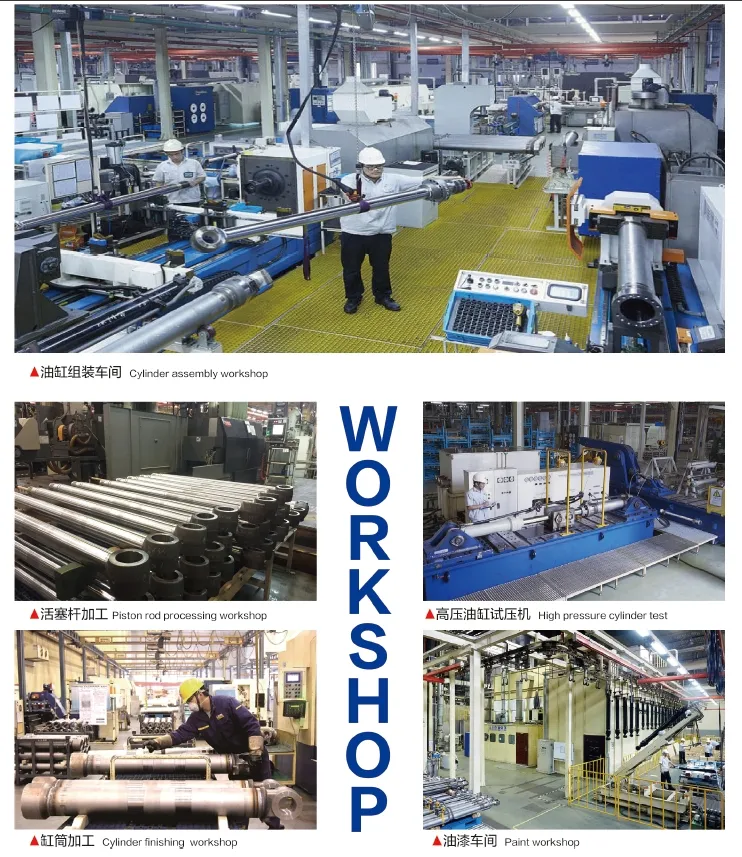
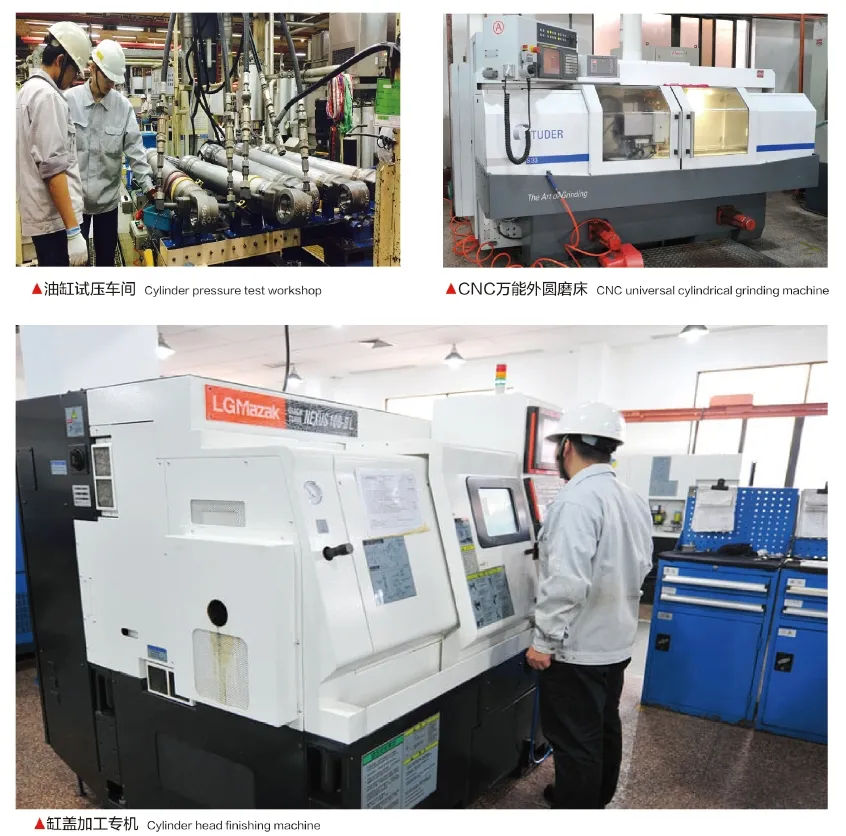
We are a professional manufacturer of replacement hydraulic cylinders, offering a wide range of products. We have become one of the leading hydraulic cylinder manufacturers and wholesale distributors in domestic and international markets. Upholding the principle of excellent quality, we rely on industrial production management strategies in our refined manufacturing workshop to continuously improve our technological capabilities and production efficiency. By introducing high-end digital manufacturing equipment and professional testing systems, we optimize our manufacturing platform, perfect our product quality control processes, and possess strong innovation capabilities. Our goal is to meet customers’ diverse needs with efficiency, precision, and high-quality products.


Lastly, the article is written by lyl.