


Replacement Of TCA12874 Cylinder
Introduction
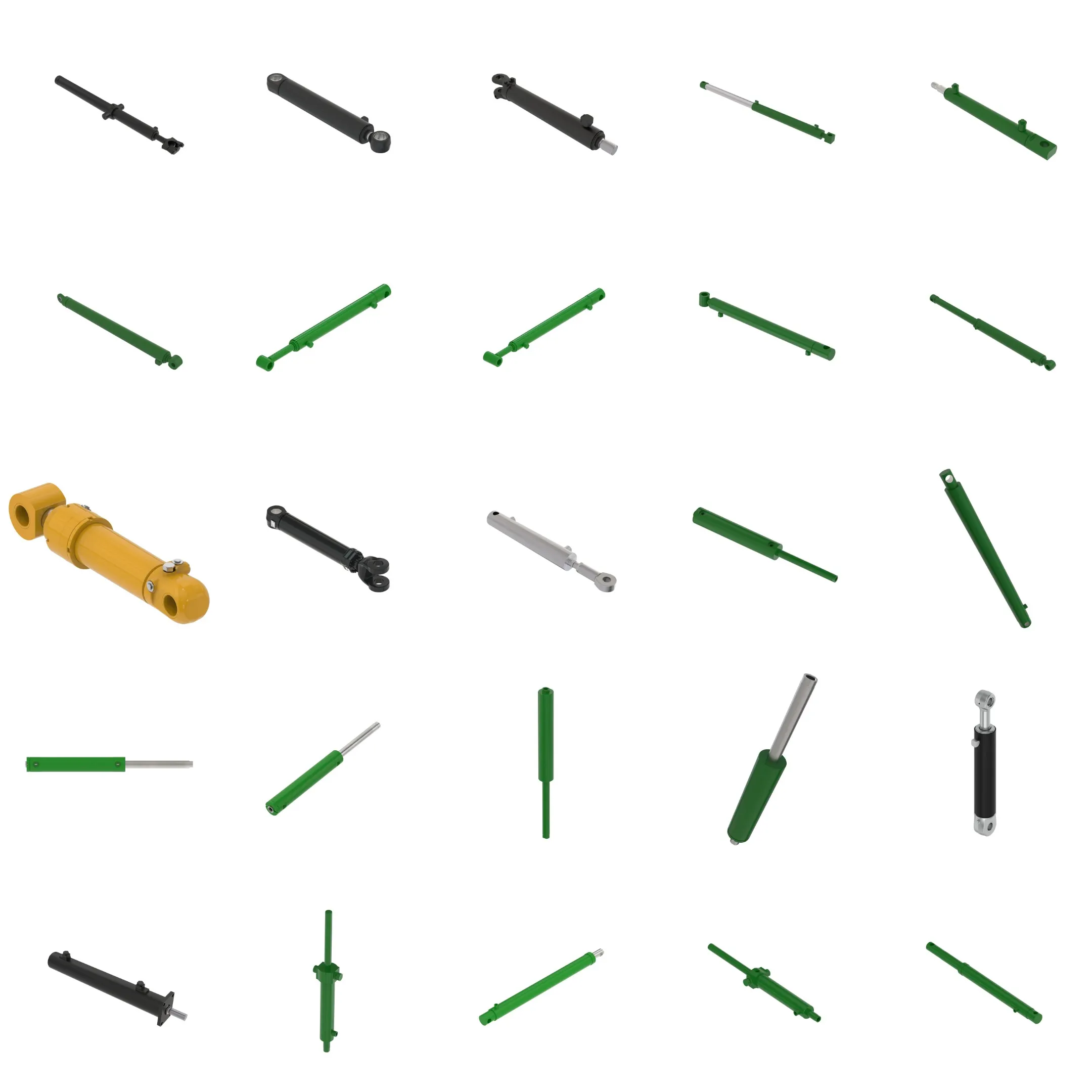
The Replacement Of TCA12874 Cylinder is a hydraulic cylinder used for various applications. It is designed to replace the damaged or worn-out hydraulic cylinders in equipment, ensuring their optimal performance.
Caractéristiques
- Weight: 3.32 lb
- Hauteur : 2,1 pouces
- Width: 2.7 in
- Length: 10.5 in
Modèles
- 60 60 PO.
- 1550
- 1570
- 1580
- 1585
Caractéristiques
- Amélioration des performances des équipements : Le remplacement des vérins hydrauliques endommagés ou usés permet de rétablir les capacités opérationnelles normales de l’équipement, garantissant ainsi des performances optimales dans diverses applications.
- Sécurité renforcée : Le remplacement régulier des vérins hydrauliques réduit les risques pour la sécurité liés aux défaillances des vérins, garantissant ainsi la sécurité des opérateurs et des équipements.
- Protection contre les surcharges : Les nouveaux modèles de cylindres intègrent souvent de meilleurs mécanismes de protection contre les surcharges, ce qui améliore la sécurité.
- Installation rapide : les vérins hydrauliques modernes sont conçus pour une installation et un remplacement faciles, minimisant ainsi les temps d'arrêt.
- Composants standardisés : De nombreux vérins hydrauliques sont des produits standardisés, ce qui facilite l’obtention de pièces de rechange sur le marché.
Applications
- Pelles hydrauliques : Les vérins hydrauliques des bras ou des godets des pelles hydrauliques peuvent s’endommager en raison d’une utilisation prolongée ou d’une surcharge, ce qui nécessite leur remplacement pour rétablir un fonctionnement normal.
- Cranes: Hydraulic cylinders in crane boom arms are prone to wear and tear during frequent lifting and lowering processes, necessitating regular replacement for safety purposes.
- Tracteurs : Les vérins hydrauliques des chargeurs frontaux des tracteurs peuvent présenter des fuites ou une dégradation de leurs performances lors d’opérations de levage et d’inclinaison continues, nécessitant leur remplacement.
- Harvesters: Hydraulic cylinders in harvesting equipment endure high pressure during the harvesting process, and fatigue can lead to cylinder damage, requiring timely replacement to maintain work efficiency.
- Lignes de production automatisées : Les vérins hydrauliques servent à commander les bras robotisés et autres équipements automatisés. Une panne de vérin peut impacter significativement la productivité et nécessiter un remplacement immédiat.
- Machines de moulage sous pression : Dans les environnements à haute pression et haute température, les vérins hydrauliques des machines de moulage sous pression peuvent subir une dégradation de leurs performances. Un remplacement régulier garantit la qualité du produit.
- Équipements miniers : Les vérins hydrauliques servent au levage et au déplacement de charges lourdes dans les équipements miniers. En raison des conditions de travail difficiles, une inspection et un remplacement réguliers sont nécessaires pour éviter les pannes.
- Bulldozers: Wear on hydraulic cylinders in bulldozer blade arms can lead to a decline in pushing capacity, requiring timely replacement to maintain operational efficiency.
Tâches de maintenance
- Regular Inspections: Periodically inspecting the hydraulic cylinder for any signs of damage or wear is crucial to identify maintenance needs in a timely manner.
- Proper Lubrication: Adequate lubrication ensures smooth operation and extends the lifespan of the hydraulic cylinder. Regularly lubricating the moving parts is essential.
- Seal Replacement: As seals can wear out over time, replacing them when necessary helps maintain the cylinder’s performance and prevent leaks.
- Calibration Checks: Verifying the cylinder’s calibration ensures it operates within the required specifications. Regular checks are necessary for optimal performance.
Considérations de sécurité et facteurs environnementaux
When using hydraulic cylinders, it is essential to prioritize safety measures. Proper installation, maintenance, and adherence to safety guidelines minimize risks. Additionally, considering environmental factors when selecting and using cylinders is crucial for sustainable operations.
Dépannage et problèmes courants
Common issues with hydraulic cylinders include leaks, insufficient pressure, and erratic movements. To diagnose and address these problems:
- Leakage: Inspect seals, connections, and fittings for any signs of leakage. Replace damaged components and ensure proper sealing.
- Insufficient Pressure: Check for blockages in the hydraulic system, such as clogged filters or restricted flow. Clean or replace components as necessary.
- Erratic Movements: Check for air in the system, misaligned components, or worn-out parts. Bleed air, realign, and replace damaged components accordingly.
Mesures préventives
To minimize potential issues with hydraulic cylinders, the following preventive measures are recommended:
- Regular Inspections: Conduct periodic inspections to identify early signs of wear, damage, or other issues. Address them promptly to prevent further problems.
- Proper Lubrication: Ensure appropriate lubrication of moving parts to reduce friction and prevent premature wear.
- Seal Maintenance: Regularly inspect and replace seals to maintain proper functioning and prevent leaks.

Considérations de conception et normes de sélection
- Load Bearing Capacity: Hydraulic cylinders should be designed to handle the required loads without compromising safety.
- Sealing Capability: Effective seals are crucial to prevent leaks and maintain optimal performance.
- Durability: Hydraulic cylinders need to withstand the demanding conditions they operate in, ensuring long-lasting performance.
- Safety: Safety features should be incorporated into the design to minimize risks during operation.
- Maintainability: Design elements should facilitate easy maintenance, allowing for efficient repairs and replacements.
Étanchéité et lubrification
Hydraulic cylinders utilize various sealing components, such as piston seals and rod seals, made from wear-resistant materials like polyurethane and nitrile rubber. The cylinder body and threaded ends undergo precision treatment to enhance wear resistance. Regular lubrication with appropriate hydraulic oil is necessary for proper functioning.
Inspections régulières et maintenance préventive
- Correct Installation, Lubrication, and Adjustment: Proper installation, lubrication, and adjustment are essential for optimal cylinder performance. Provide guidance on aligning the cylinder correctly during installation and recommend the use of suitable mounting brackets for stability.
- Recommended Inspection, Repair, and Replacement Procedures: Outline recommended procedures for inspecting, repairing, and replacing hydraulic cylinder components, including information on replacement parts and rebuilding services to extend the cylinder’s lifespan.
- Increasing Lifespan with Maintenance Techniques: Share tips on how to improve the longevity of hydraulic cylinders, such as proper maintenance, regular inspections, and effective troubleshooting skills.
Guide d'installation du produit
Provide a comprehensive guide for correctly installing the Replacement Of TCA12874 Cylinder, including step-by-step instructions, safety precautions, and alignment techniques to ensure proper installation.

