


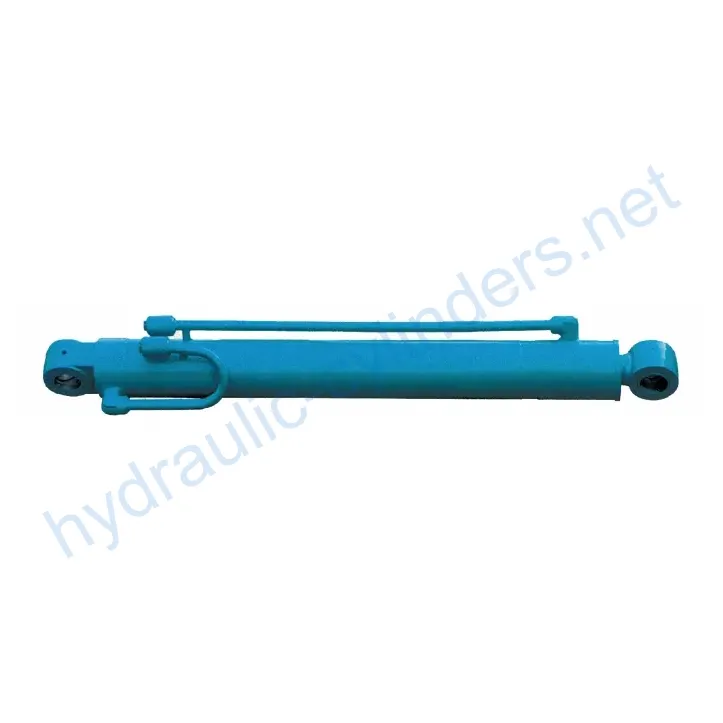
Arm Cylinder For Pengpu SW60E
Introduction
Le vérin de bras est un vérin hydraulique spécialement conçu pour assurer le mouvement linéaire et la puissance du bras de diverses machines, telles que les excavatrices, les grues et les bras robotisés. Il joue un rôle crucial dans les systèmes hydrauliques, permettant le mouvement et le contrôle efficaces des outils ou accessoires. Ces vérins garantissent non seulement un mouvement fluide, mais supportent également des charges importantes, assurant ainsi un fonctionnement efficace et une grande fiabilité des machines dans diverses conditions de travail.
Définition et explication
The arm cylinder is a hydraulic cylinder designed to provide linear motion and power to the arm of different types of machinery, such as excavators, cranes, and robotic arms. It functions as a crucial component in hydraulic systems, allowing for the efficient movement and control of additional tools or attachments. These cylinders are capable of smooth motion and can withstand heavy loads, ensuring the machinery operates efficiently and reliably in various working conditions.
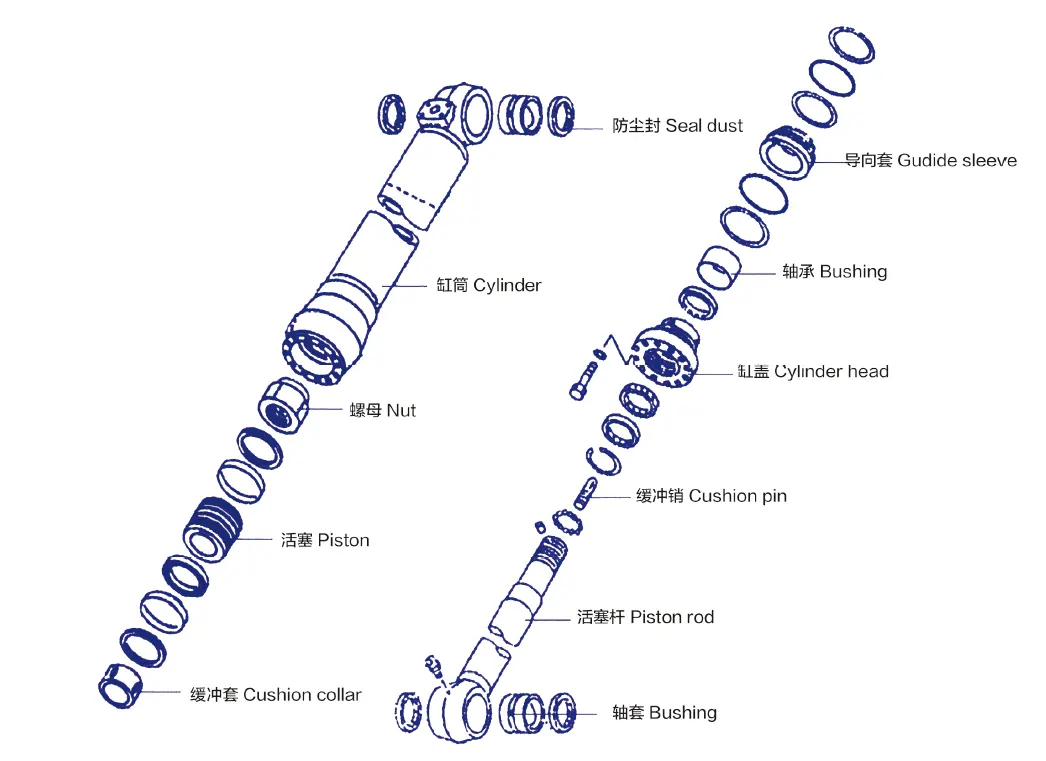

Caractéristiques
- Transmission à haut rendement : Le vérin du bras assure un mouvement linéaire et une force puissants, garantissant un fonctionnement performant du bras robotique dans diverses tâches.
- Contrôle précis : Through hydraulic systems, the arm cylinder enables precise motion control, enhancing the flexibility and accuracy of operating tools.
- Durabilité: Arm cylinders are typically manufactured with high-strength materials, offering excellent wear and corrosion resistance, making them suitable for long-term use in harsh environments.
- Adaptabilité multifonctionnelle : These cylinders can be widely applied to various machinery, such as excavators, cranes, and robotic arms, catering to different working requirements.
- Entretien facile : The design considers ease of maintenance and replacement, making regular inspections and upkeep convenient, reducing equipment downtime.


Applications
Le vérin à bras trouve des applications dans diverses industries :
- Génie civil : In excavators and cranes, the arm cylinder controls the movement of buckets or booms, facilitating earthwork, materials handling, and structural installation.
- Fabrication: Dans les lignes de production automatisées, le vérin de bras est utilisé pour le mouvement des bras robotisés, permettant des processus tels que l'assemblage, le soudage et la manutention des matériaux, améliorant ainsi l'efficacité et la précision de la production.
- Machines agricoles : Dans les équipements agricoles tels que les moissonneuses-batteuses et les semoirs, le vérin du bras contrôle le mouvement des bras moteurs, effectuant des tâches comme le semis, la fertilisation et la récolte.
- Exploitation minière: In mining equipment, the arm cylinder controls the arm movement of mining equipment, facilitating ore extraction and transportation.
- Logistique et transport : Dans les chariots élévateurs et les robots de manutention, le vérin du bras contrôle le levage et le mouvement des fourches, permettant ainsi la manutention et l'empilage des matériaux.
Considérations de conception et critères de sélection
When designing arm cylinders, several factors and criteria are taken into account:
- Capacité de charge : The arm cylinder should be designed to handle the intended load without compromising performance or safety.
- Capacité d'étanchéité : Various sealing elements, such as piston seals and rod seals, are used to ensure effective sealing. Materials like polyurethane or nitrile rubber with excellent wear resistance are chosen for the seals.
- Durabilité: The cylinder body and threaded ends undergo precise surface treatment to enhance durability and wear resistance.
- Sécurité: Safety features, such as pressure relief valves and position sensors, are incorporated to prevent accidents and ensure safe operation.
- Maintenabilité : Sa conception facilite la maintenance et le remplacement des pièces, réduisant ainsi les temps d'arrêt et garantissant un fonctionnement efficace.


Étanchéité et lubrification
The arm cylinder utilizes various sealing components, such as piston seals and rod seals, made of wear-resistant materials like polyurethane or nitrile rubber. The cylinder body and threaded ends undergo meticulous surface treatment to improve wear resistance. Regular lubrication with the appropriate hydraulic oil is necessary to maintain smooth operation and prevent excessive wear.
Inspection régulière et maintenance préventive
To ensure optimal performance and longevity, regular inspection and preventive maintenance measures should be implemented:
- Inspectez le cylindre pour détecter tout signe d'usure, de fuite ou de dommage.
- Check the seals and replace if necessary.
- Monitor the lubrication levels and top up with the recommended hydraulic oil.
- Vérifiez le bon fonctionnement des dispositifs de sécurité.
- Perform any required adjustments or repairs as soon as issues are identified.
Guide d'installation du produit
Une installation correcte du vérin de bras est essentielle pour un fonctionnement optimal et une sécurité maximale. Suivez ces instructions :
- Assurez-vous que la surface de montage est propre et exempte de tout débris.
- Attach the cylinder securely to the machinery, following the recommended torque specifications.
- Raccordez les flexibles ou les tuyaux hydrauliques en veillant à un bon alignement et à des connexions étanches.
- Bleed the hydraulic system to remove any air bubbles.
- Test the cylinder’s functionality before using it for actual operations.


Considérations de sécurité et facteurs environnementaux
When using arm cylinders, adhering to safety measures is essential to prevent accidents and ensure operator well-being. Environmental factors, such as temperature and humidity, should also be considered:
- Follow all safety guidelines and instructions provided by the machinery manufacturer.
- Wear appropriate personal protective equipment when operating or working near the machinery.
- Be cautious of potential hazards, such as pinch points or falling objects.
- Consider environmental conditions that may affect cylinder performance, such as extreme temperatures or corrosive substances.
Diagnostic des pannes et problèmes courants
In case of any problems or malfunctions, understanding common issues and their potential causes can aid in efficient troubleshooting:
- Fuite: Possible causes include worn-out seals, damaged cylinder walls, or loose connections.
- Mouvement lent ou saccadé : This can result from insufficient lubrication, internal contamination, or worn-out components.
- Lack of Power: Causes may include insufficient hydraulic pressure, worn-out seals, or internal damage.
- Bruits inhabituels : Noises may indicate loose components, damaged parts, or excessive friction.
- Failure to Hold Position: This may be due to worn-out seals, insufficient hydraulic pressure, or internal leakage.
When troubleshooting, consider the symptoms and potential causes mentioned above. If necessary, consult the manufacturer or a professional for further assistance.
Conclusion
We are a professional manufacturer of arm cylinders, offering a wide range of products. We have become one of the leading manufacturers and wholesale distributors of hydraulic cylinders in domestic and international markets. With a commitment to excellent quality, we continuously improve our technological level and production efficiency. By introducing advanced digital manufacturing equipment and professional testing systems, we optimize our manufacturing platform and enhance product quality control processes, demonstrating strong innovative capabilities. Our goal is to meet diverse customer needs with