
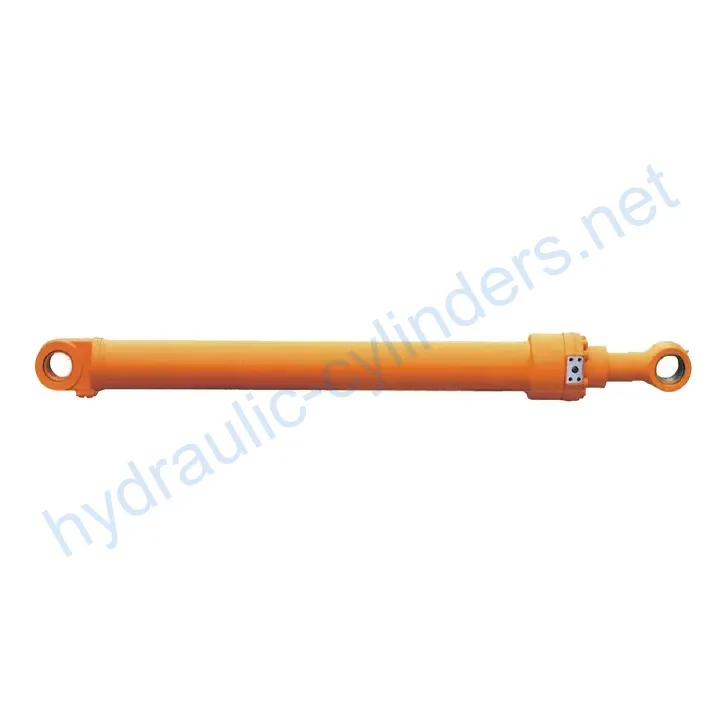
Vérin de bras pour mini-pelle Volkswagen DLS100-9B
En tant que fabricant, fournisseur et exportateur de produits mécaniques, nous proposons des vérins hydrauliques et de nombreux autres produits.
N'hésitez pas à nous contacter pour plus de détails.
Courrier :sales@hydraulic-cylinders.net
Fabricant fournisseur exportateur de vérins hydrauliques.
Vérin de bras pour mini-pelle Volkswagen DLS100-9B
Arm Cylinder is a specially designed hydraulic cylinder that is used to provide linear motion and power to the arms of various machinery, such as excavators, cranes, and robotic arms. It plays a crucial role in hydraulic systems, allowing for efficient movement and control of additional tools or attachments. These cylinders not only provide smooth motion but also withstand heavy loads, ensuring high efficiency and reliability of the machinery in various operating conditions.
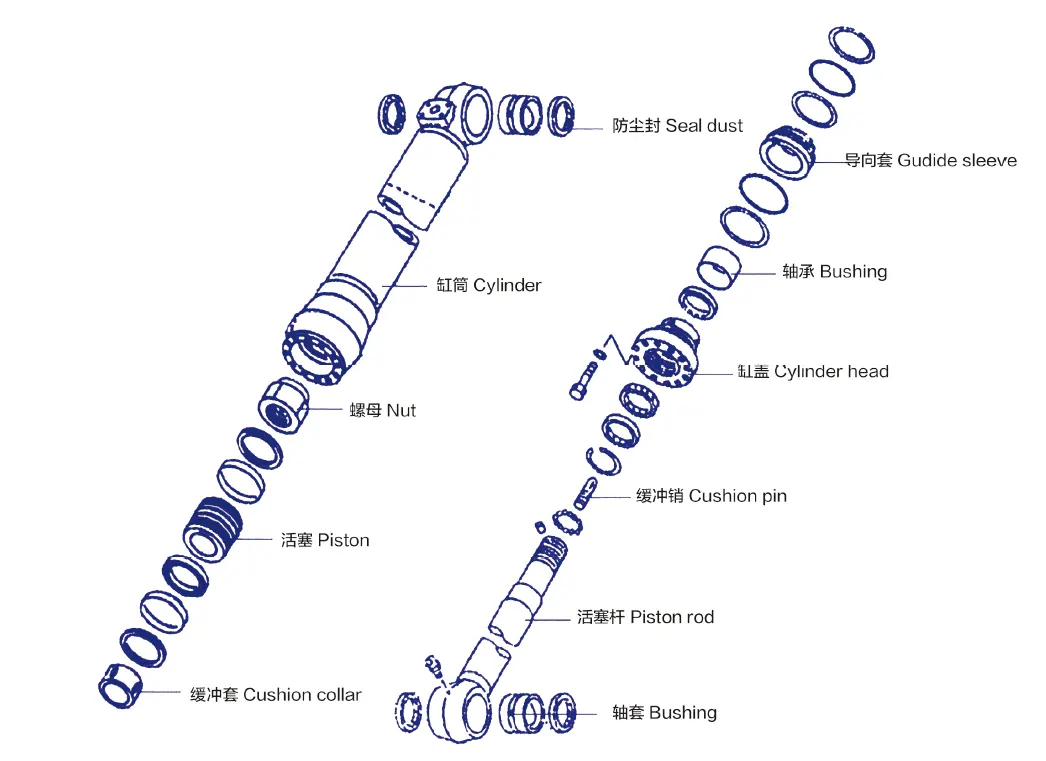
Caractéristiques du cylindre de bras
- High Efficiency Transmission: Arm Cylinder provides powerful linear motion and force, ensuring high-performance capabilities of the robotic arm in various operations.
- Precise Control: Through the hydraulic system, Arm Cylinder enables precise motion control, making the operation of attached tools more flexible and accurate.
- Durabilité : Les vérins de bras sont généralement fabriqués à partir de matériaux à haute résistance offrant une excellente résistance à l'usure et à la corrosion, ce qui les rend adaptés à une utilisation à long terme dans des environnements difficiles.
- Multi-functional Adaptability: These cylinders can be widely applied to various machinery equipment such as excavators, cranes, and robotic arms, adapting to different work requirements.
- Easy Maintenance: The design of Arm Cylinders takes into consideration ease of maintenance and replacement, making regular inspection and upkeep convenient and minimizing equipment downtime.

Scénarios d'application
- Construction Engineering: In excavators and cranes, Arm Cylinders are used to control the movement of buckets or boom arms for earthwork, material handling, and structural installation.
- Manufacturing Industry: In automated production lines, Arm Cylinders are used for the motion of robotic arms in processes such as assembly, welding, and material handling, improving production efficiency and precision.
- Agricultural Machinery: In agricultural equipment like harvesters and seeders, Arm Cylinders control the movement of operating arms to perform tasks such as planting, fertilizing, and harvesting.
- Mining: In mining equipment, Arm Cylinders are used to control the arm movement of mining machinery for ore extraction and transportation.
- Logistics and Transportation: In forklifts and handling robots, Arm Cylinders are used to control the lifting and movement of forks, enabling the handling and stacking of materials.
Considérations de conception et critères de sélection
Lors de la conception des vérins de bras, plusieurs facteurs clés sont pris en compte :
- Load-bearing Capacity: Arm Cylinders are designed to withstand the specific loads expected during operation.
- Sealing: Various sealing components, such as piston seals and rod seals made of durable materials like polyurethane and nitrile rubber, are used to ensure effective sealing.
- Durabilité : Le corps du cylindre et les extrémités filetées sont traités avec précision pour améliorer la résistance à l'usure.
- Safety: Safety measures are implemented to prevent accidents during operation.
- Maintainability: Regular lubrication with appropriate hydraulic oil and periodic maintenance are required to ensure optimal performance and longevity of the Arm Cylinder.

Étanchéité et lubrification
Arm Cylinders utilize various sealing components such as piston seals and rod seals made of wear-resistant materials like polyurethane and nitrile rubber. The cylinder body and threaded ends are treated to enhance wear resistance. Regular lubrication with the appropriate hydraulic oil is required to ensure smooth operation and extend the lifespan of the cylinder.
Inspection régulière et maintenance préventive
Regular inspection and preventive maintenance are essential to ensure the optimal performance and longevity of the Arm Cylinder. Key measures include:
- Inspecting for leaks, abnormal wear, or damage on a regular basis.
- Replacing worn-out or damaged seals promptly.
- Cleaning and lubricating the cylinder components as recommended by the manufacturer.
Guide d'installation du produit
An accurate and proper installation is crucial for the performance and safety of the Arm Cylinder. Follow these steps for installation:
- Préparez les outils et l'équipement nécessaires.
- Ensure the work area is clean and free from debris.
- Securely mount the Arm Cylinder onto the designated location.
- Properly connect the hydraulic lines according to the manufacturer’s instructions.
- Perform a thorough inspection of the installation for any potential issues.

Considérations de sécurité et facteurs environnementaux
When using Arm Cylinders, it is essential to prioritize safety measures to prevent accidents and ensure the well-being of operators and surrounding personnel. Adhering to safety guidelines and using appropriate safety equipment is of utmost importance.
Dépannage et problèmes courants
Despite their reliability, Arm Cylinders may encounter occasional issues. Common problems may include leaks, abnormal movements, or loss of power. Here are some troubleshooting tips and solutions to help diagnose and resolve issues effectively:
- Check for any visible leaks and tighten connections if necessary.
- Inspect the hydraulic lines for blockages or damage.
- Verify that the hydraulic fluid level is sufficient and of the correct viscosity.
- Ensure the control valves and actuators are functioning correctly.
- If the issue persists, consult the manufacturer’s troubleshooting guide or seek professional assistance.

Remember to organize the article logically, use subheadings to facilitate navigation, incorporate relevant images or charts to enhance understanding, and ensure the content is clear, concise, and suitable for readers with varying levels of technical knowledge.
Auteur : lyl
À propos de notre entreprise
- Professionalism: We are a professional manufacturer of replacement hydraulic cylinders, offering a wide range of products.
- International Certifications: Our products have obtained international certifications, ensuring their quality and reliability.
- Customization Services: We provide customized solutions to meet the diverse needs of our customers.
- Production Equipment: We utilize advanced production equipment to ensure efficiency and precision.
- After-Sales Service: We offer comprehensive after-sales service, providing support and assistance to our customers.
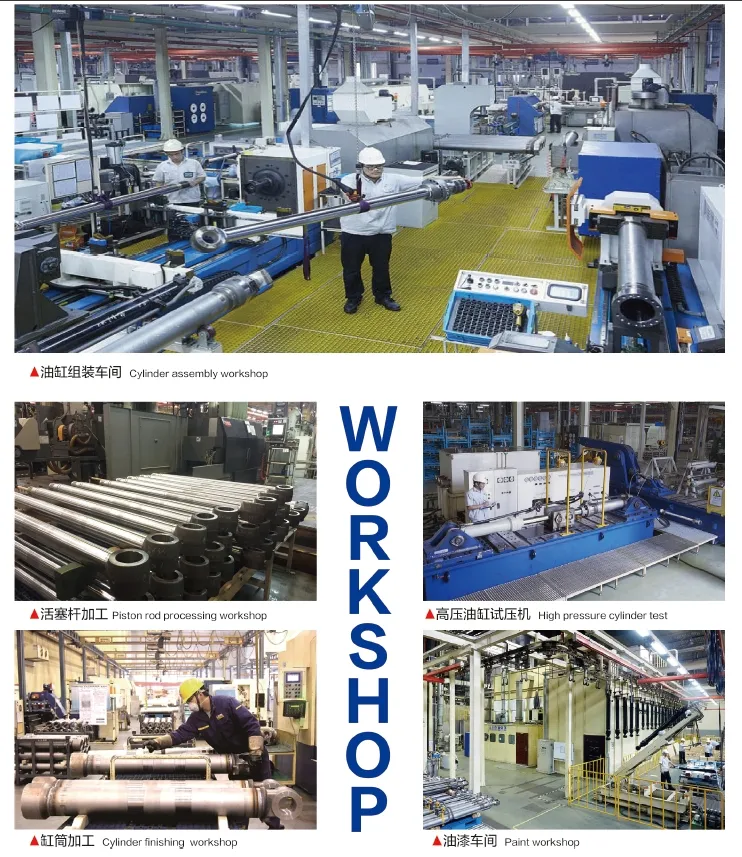
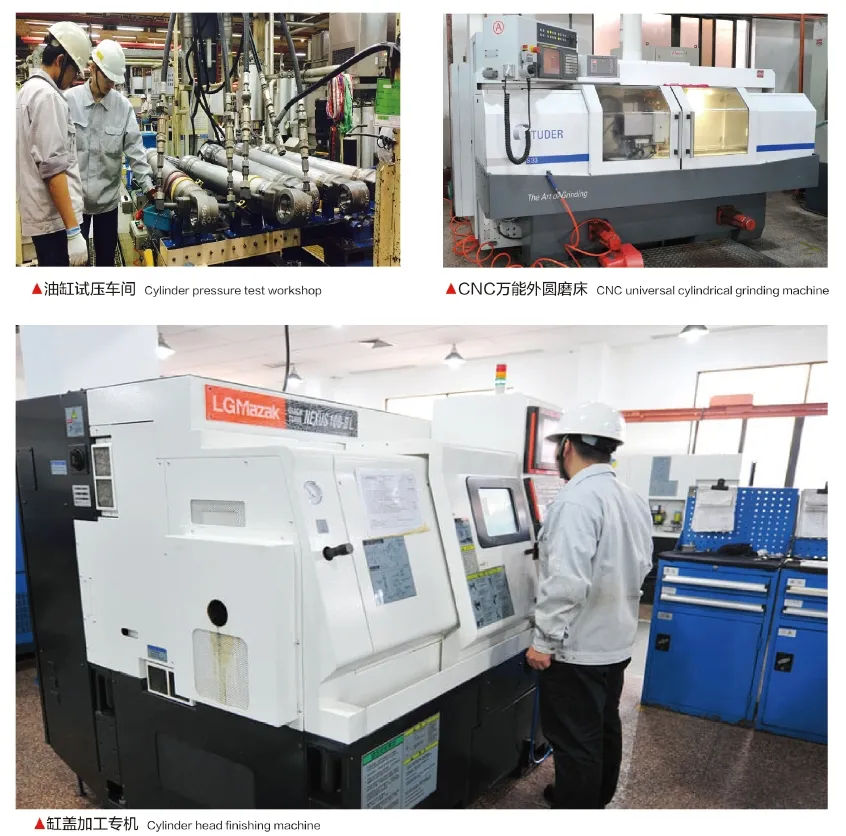
By adhering to the principles of excellence and utilizing advanced manufacturing techniques, we have become one of the leading manufacturers and wholesale distributors of hydraulic cylinders in the domestic and international markets. Our goal is to meet the diverse needs of our customers with high efficiency, precision, and quality.
Vérin hydraulique Application :

 FR
FR  EN
EN  PT
PT  ES
ES  DE
DE  IT
IT  AR
AR  ZH
ZH  RU
RU  KO
KO  KA
KA  BG
BG  CS
CS  DA
DA  EL
EL  ET
ET  FI
FI  HU
HU  ID
ID  LT
LT  LV
LV  NB
NB  NL
NL  PL
PL  RO
RO  SK
SK  SL
SL  SV
SV  TR
TR  UK
UK